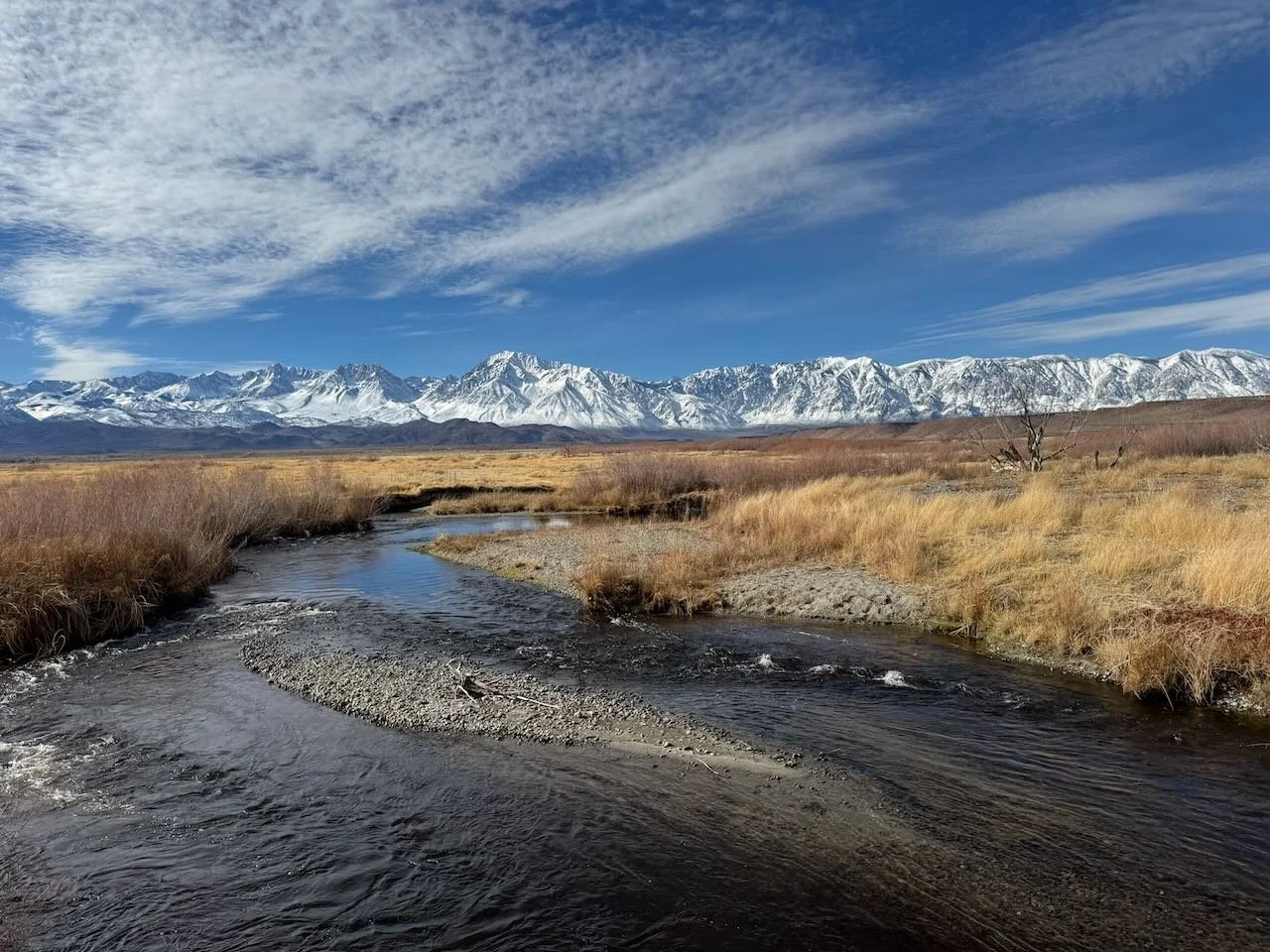
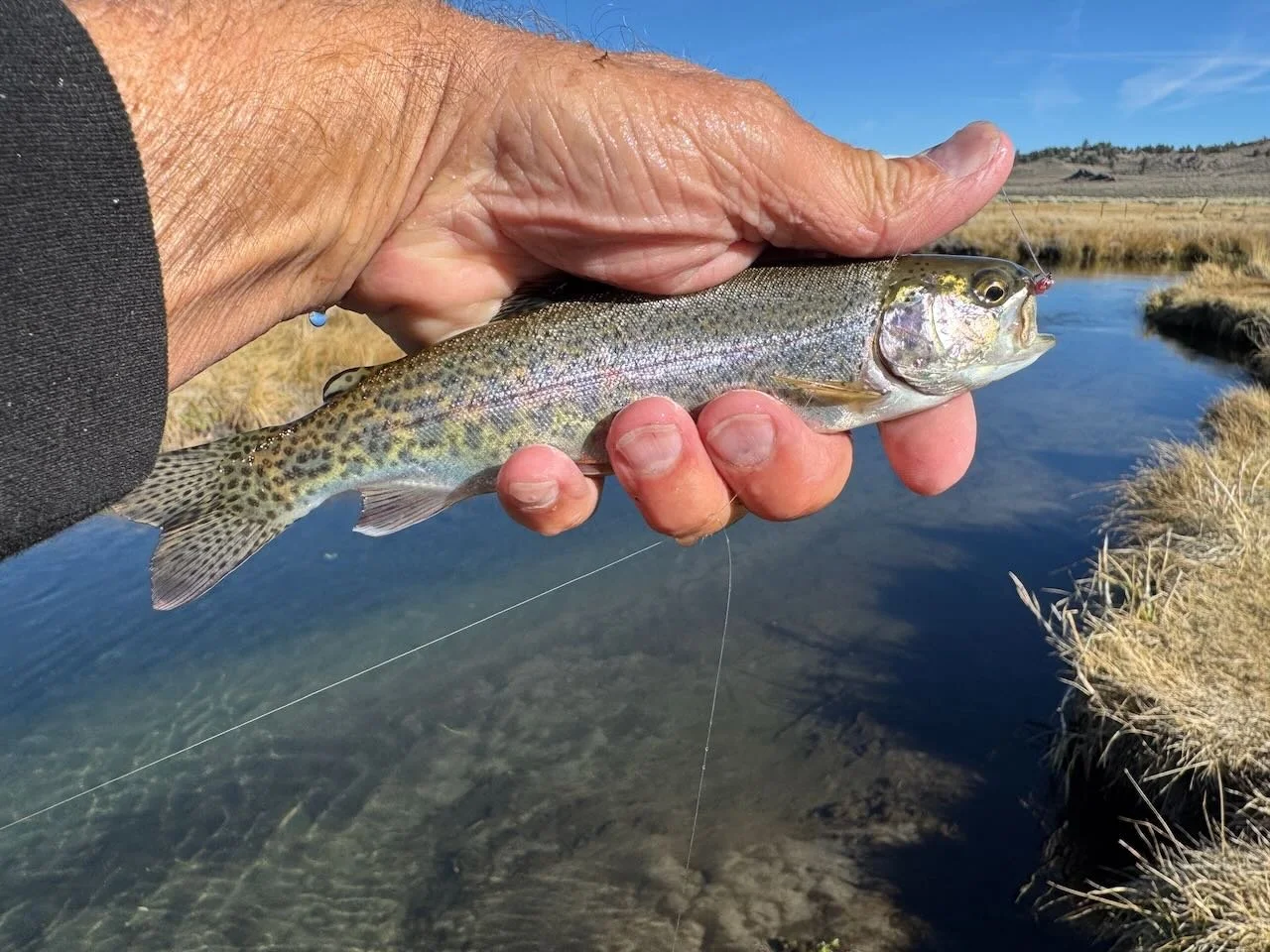
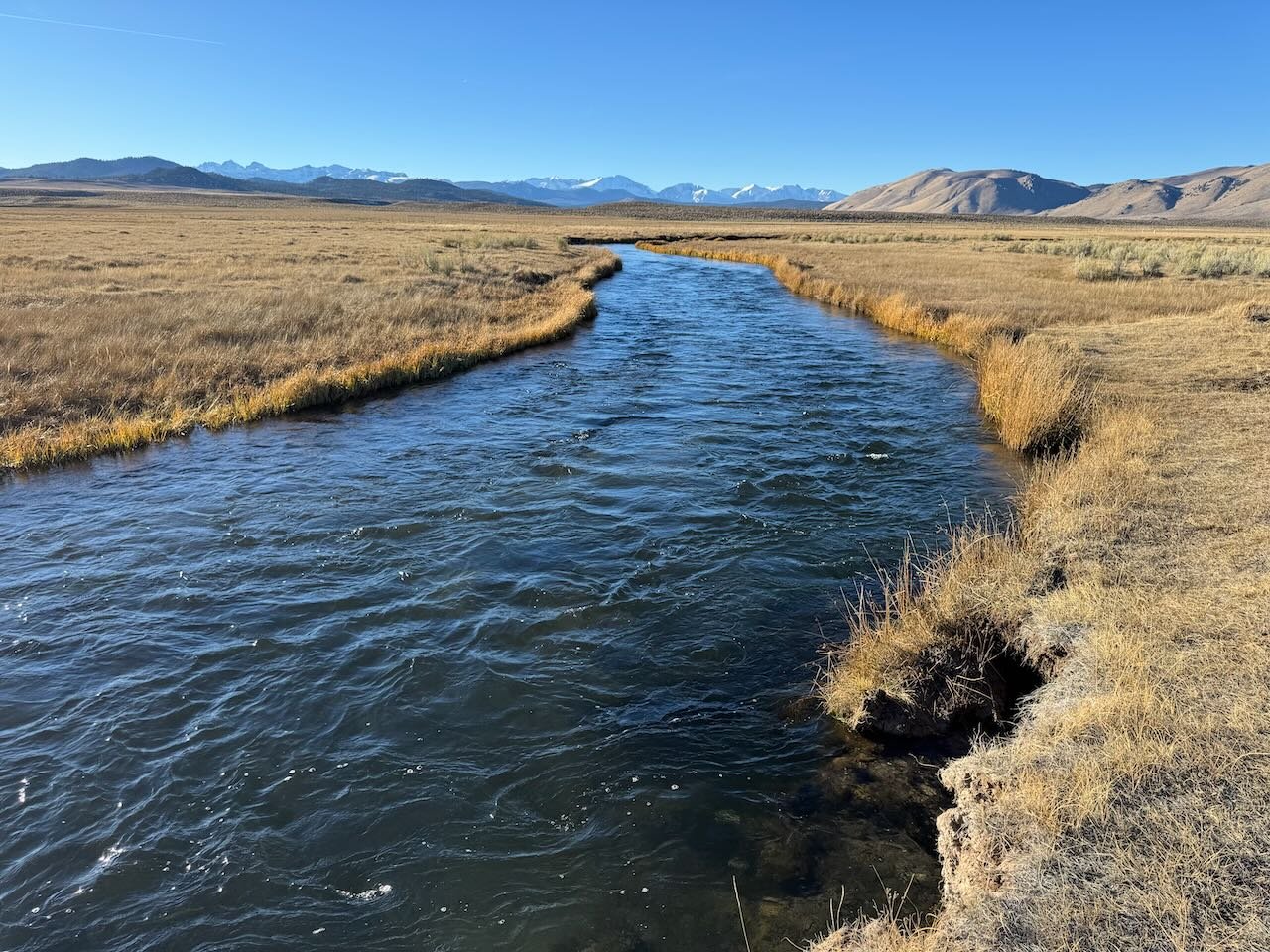
Sierra Bright Dot Fly Fishing Report 02-12-2024

The warm trend has broken and there is precipitation in the forecast with a chance of snow in the Owens Valley. The Eastern Sierra can use precipitation in the form of rain and snow if we hope to have creeks and streams flowing at good levels this summer. Caddis and mayflies hatches are increasing in intensity and starting to bring the trout to the surface consistently. Winter Skwala stoneflies are starting to show up in the Eastern Sierra. Midges are a consistent trout food throughout the winter months.
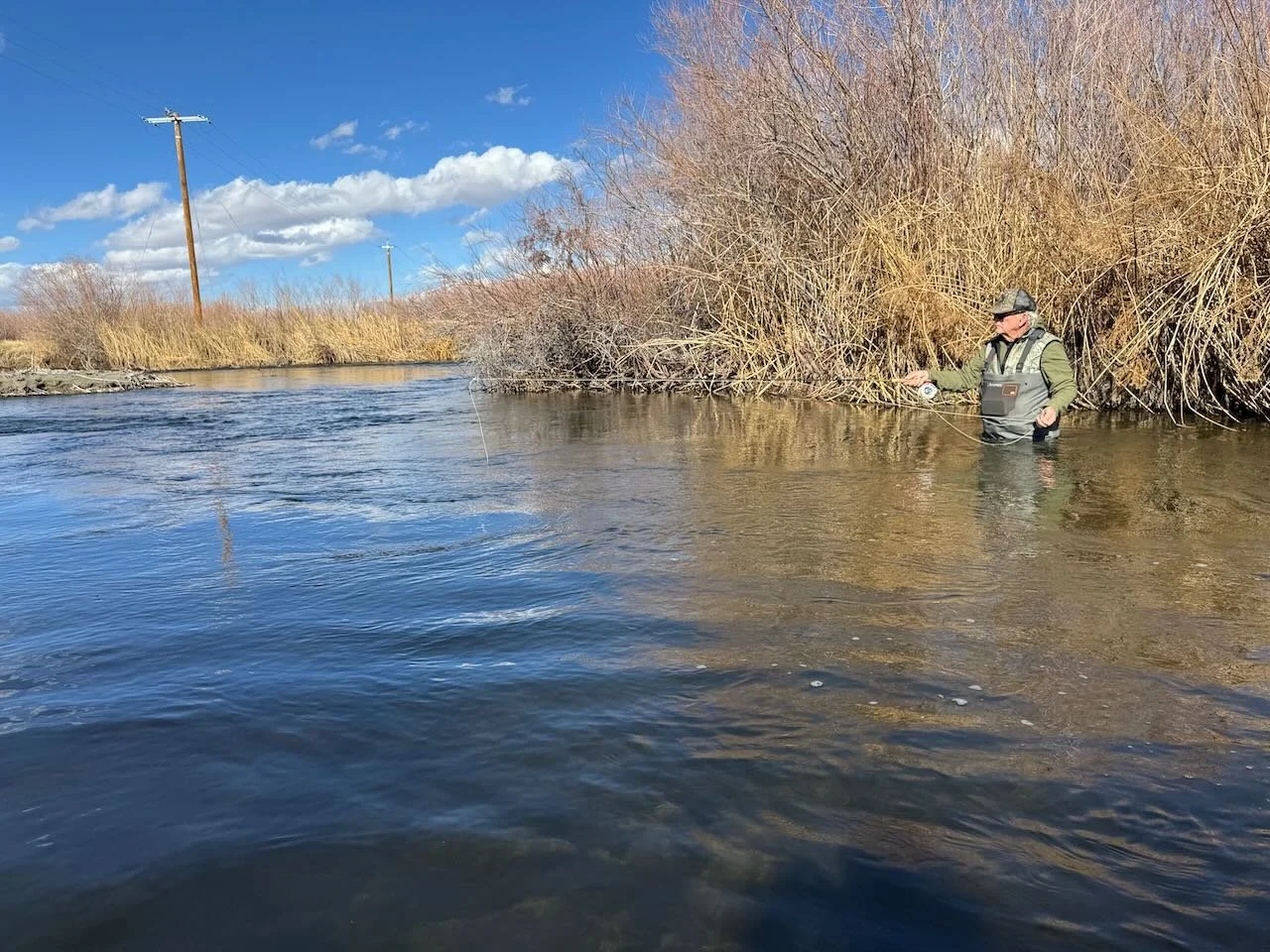
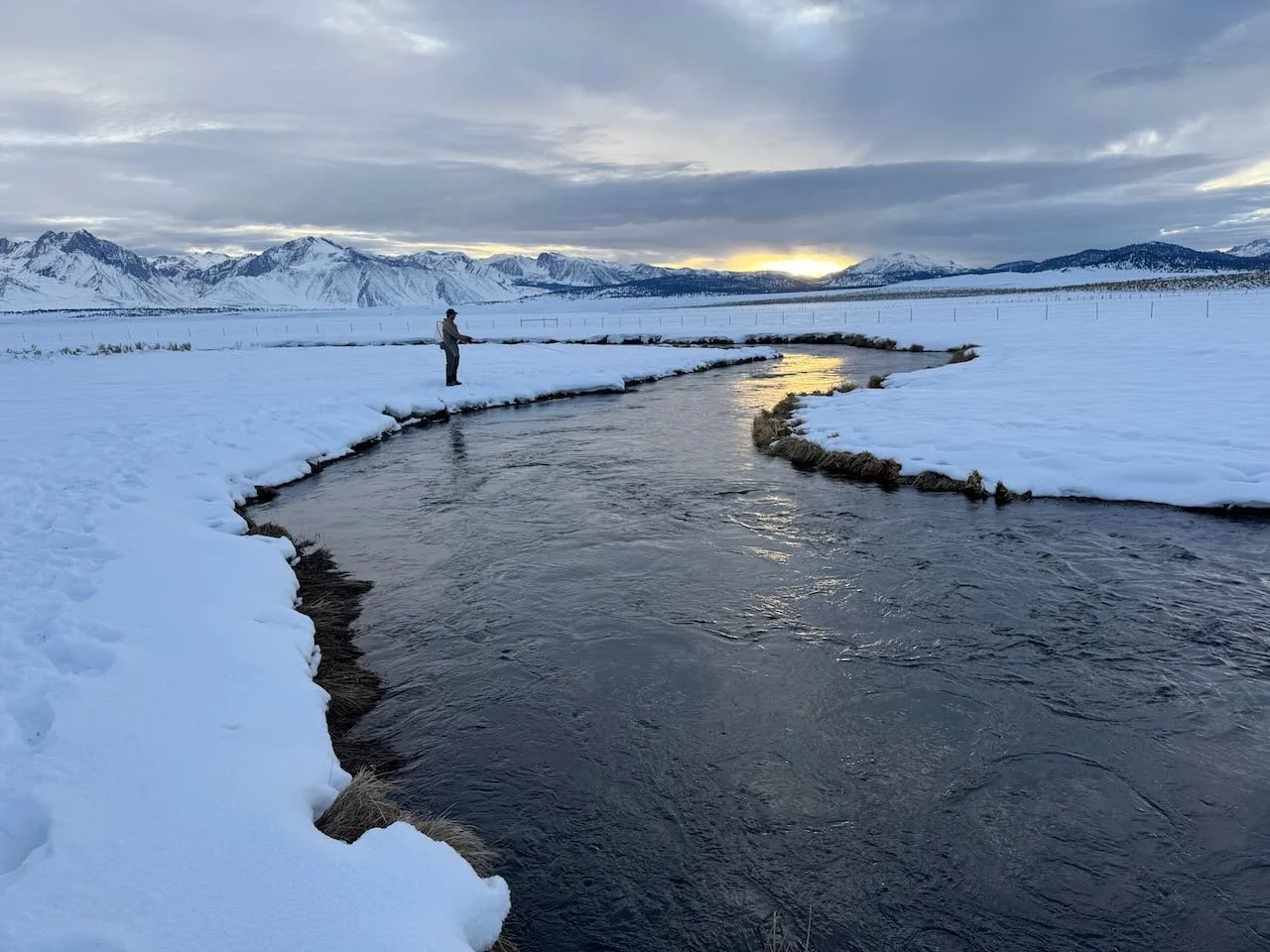
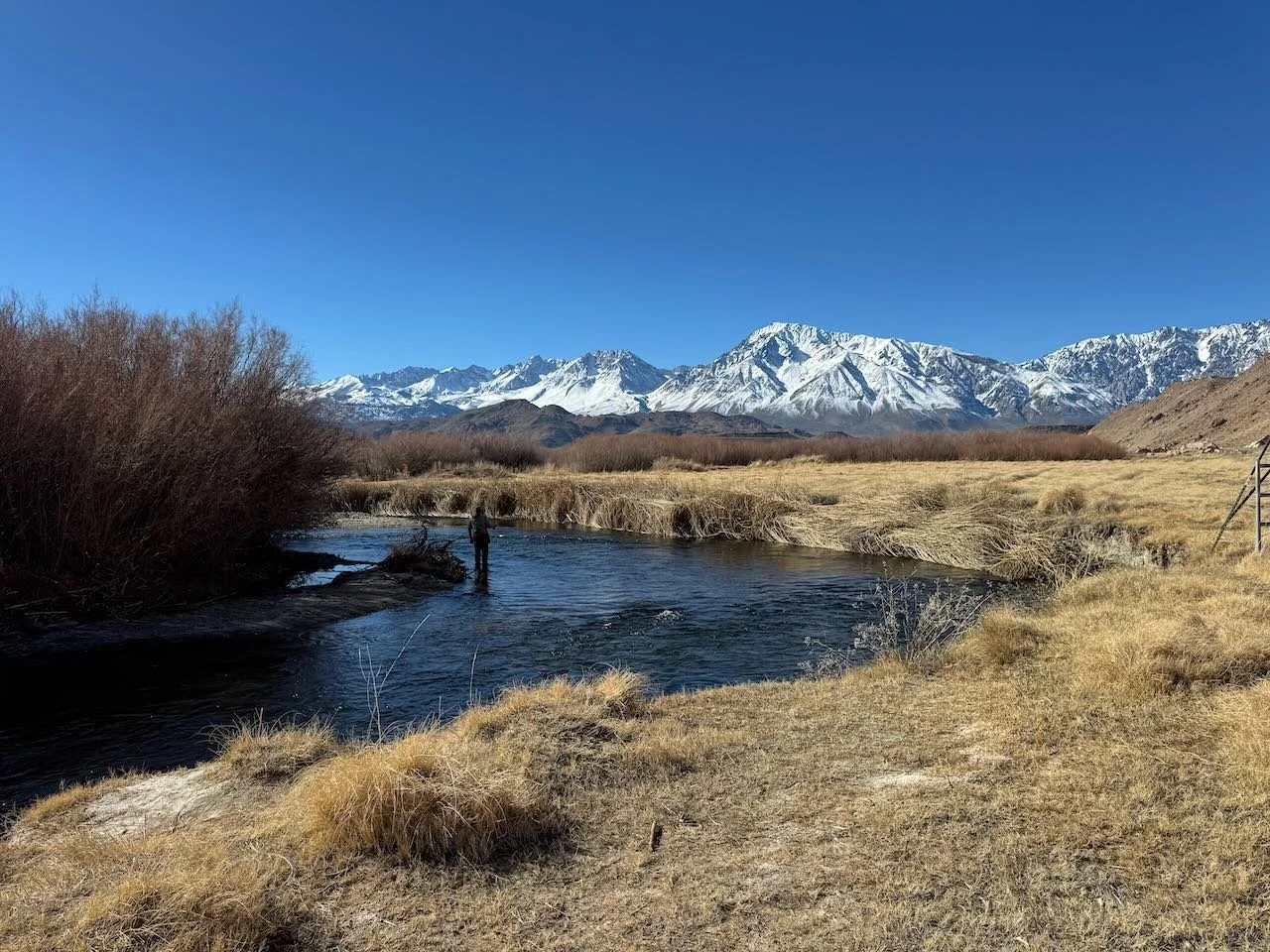
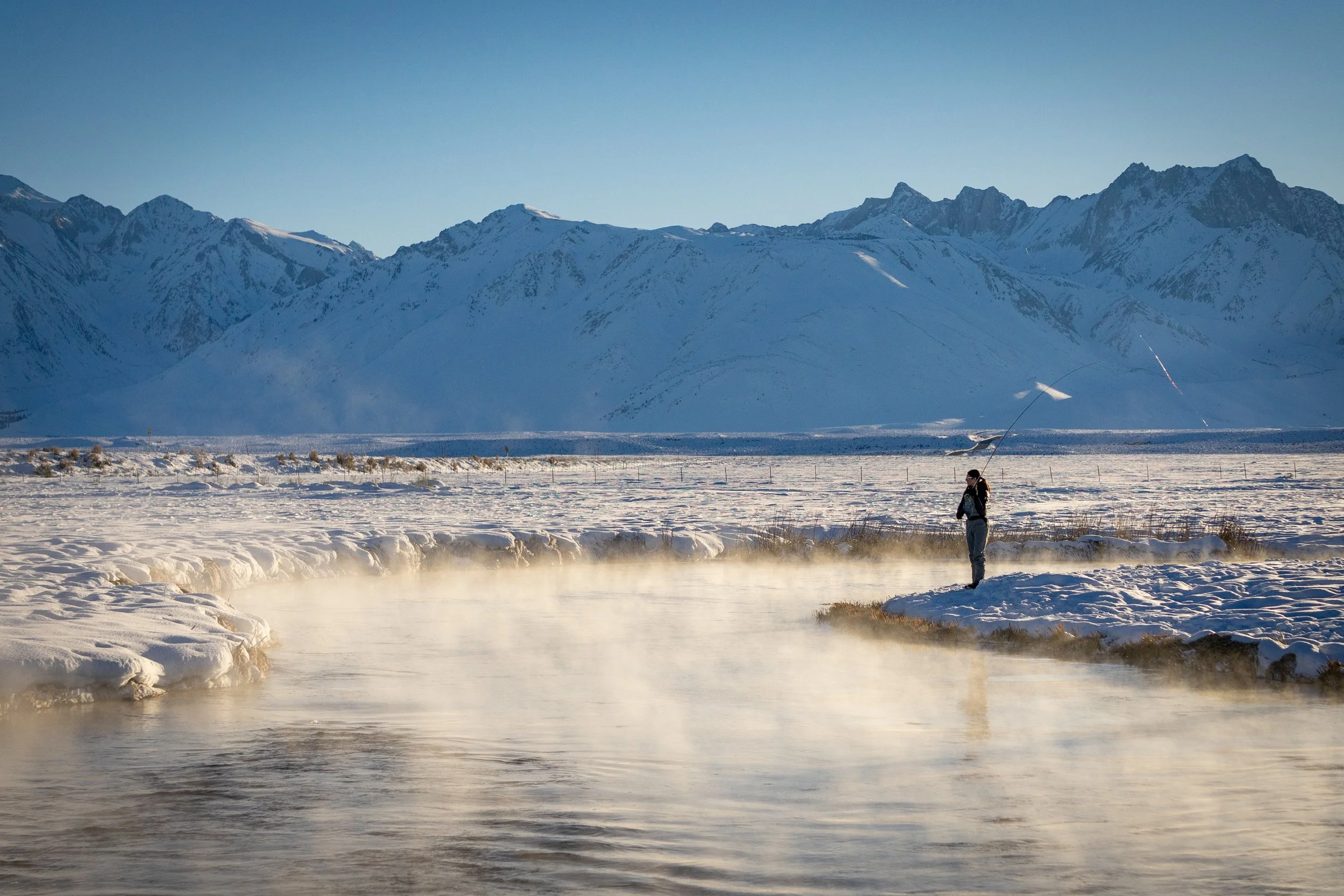
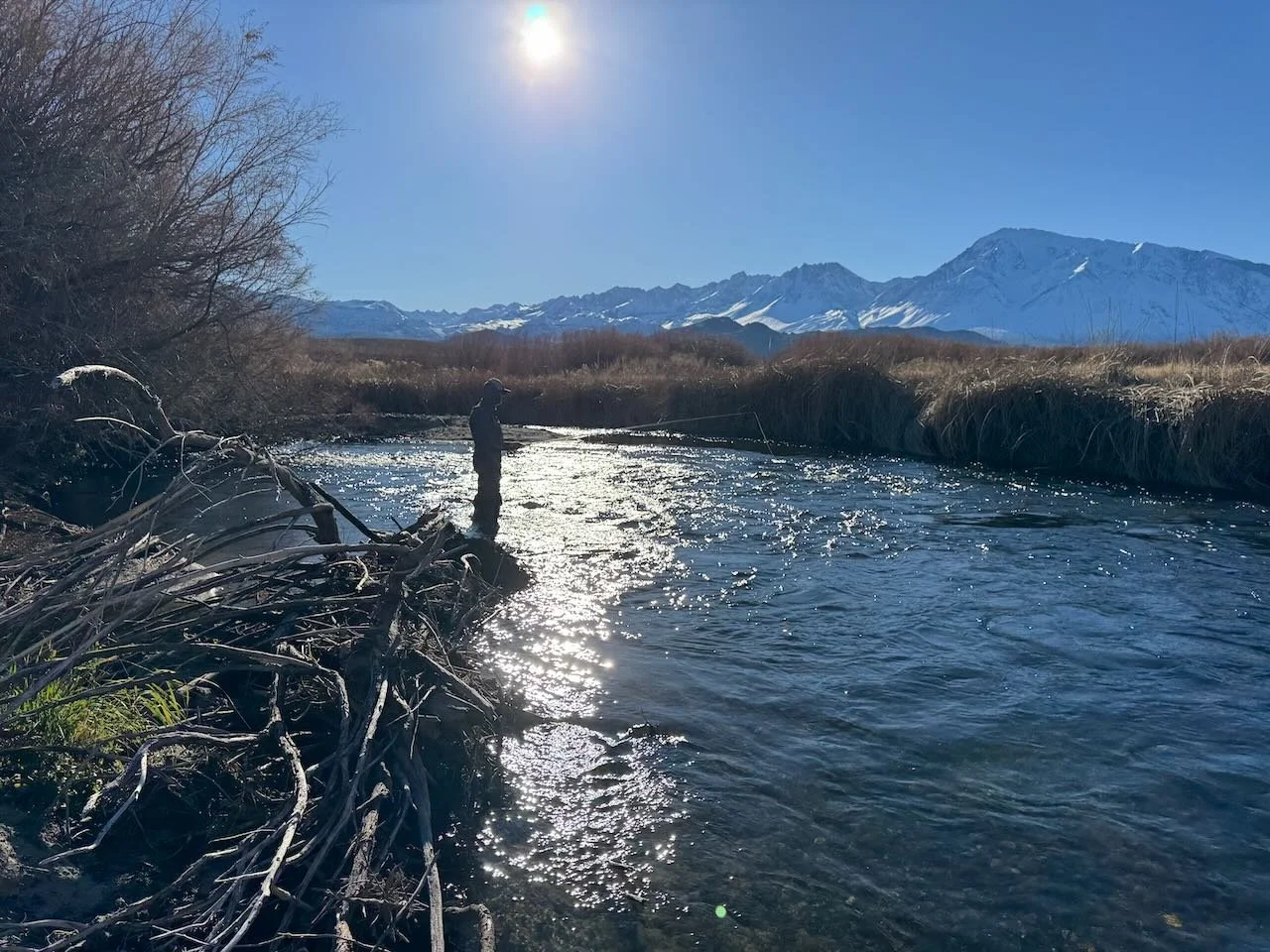
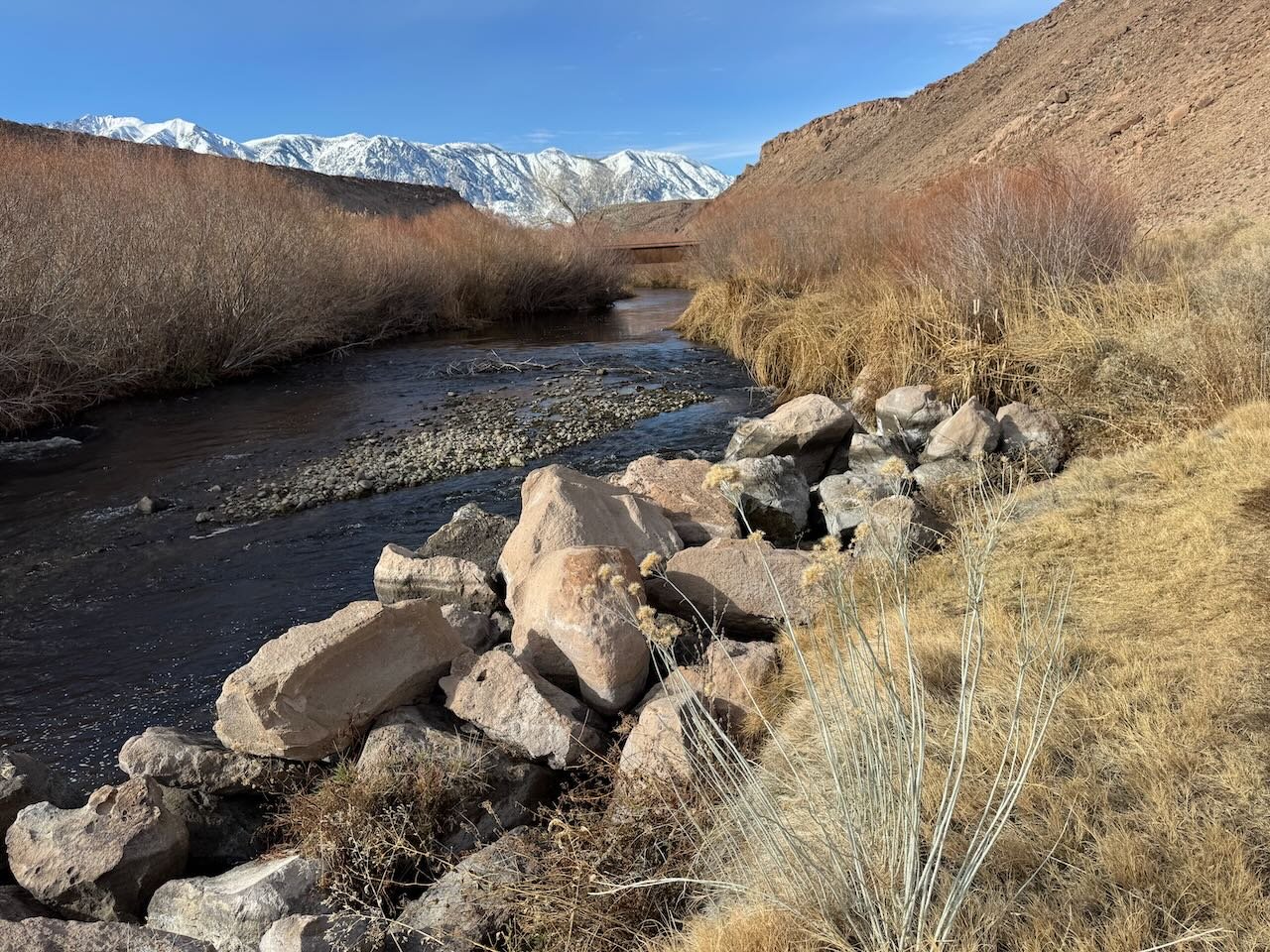
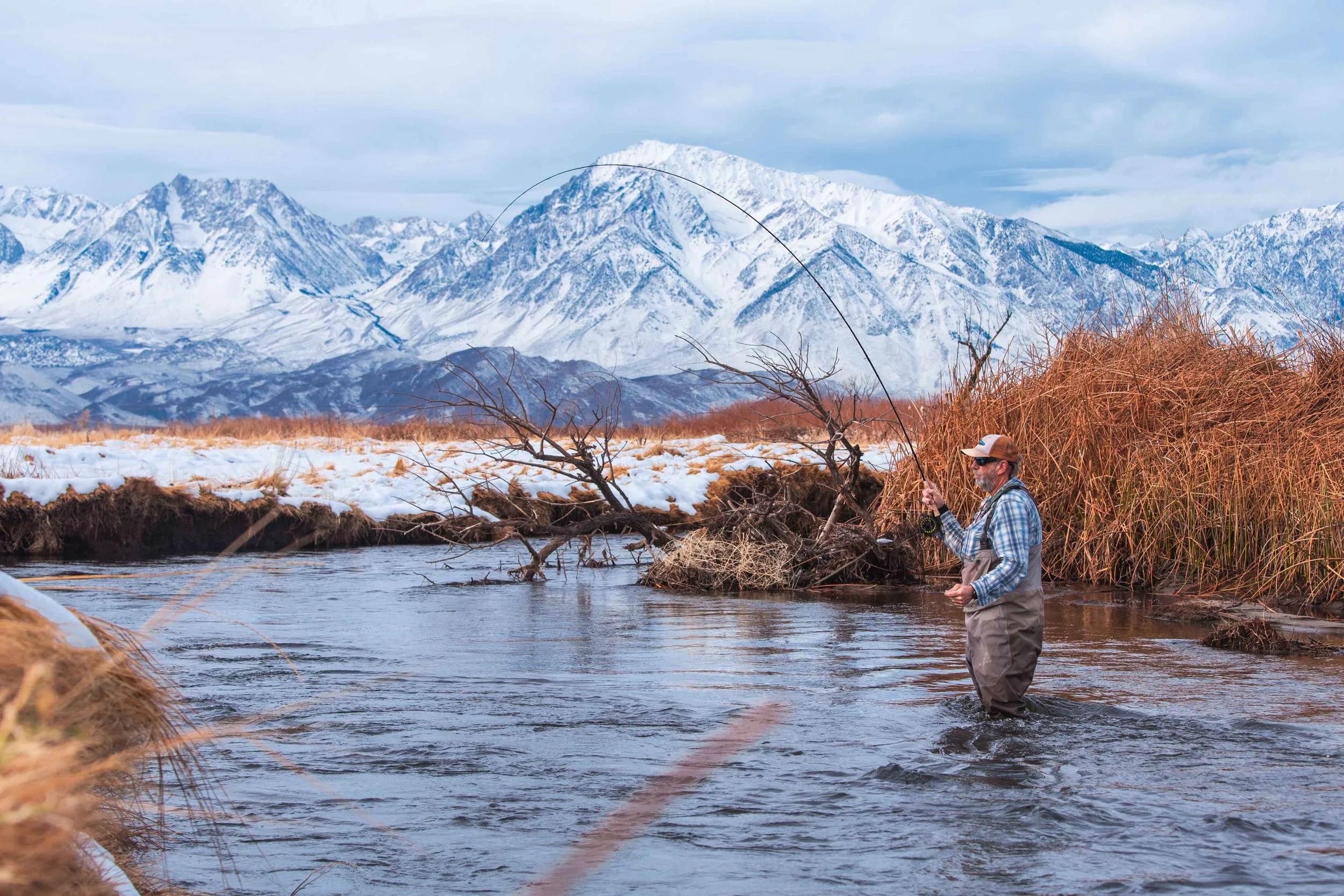
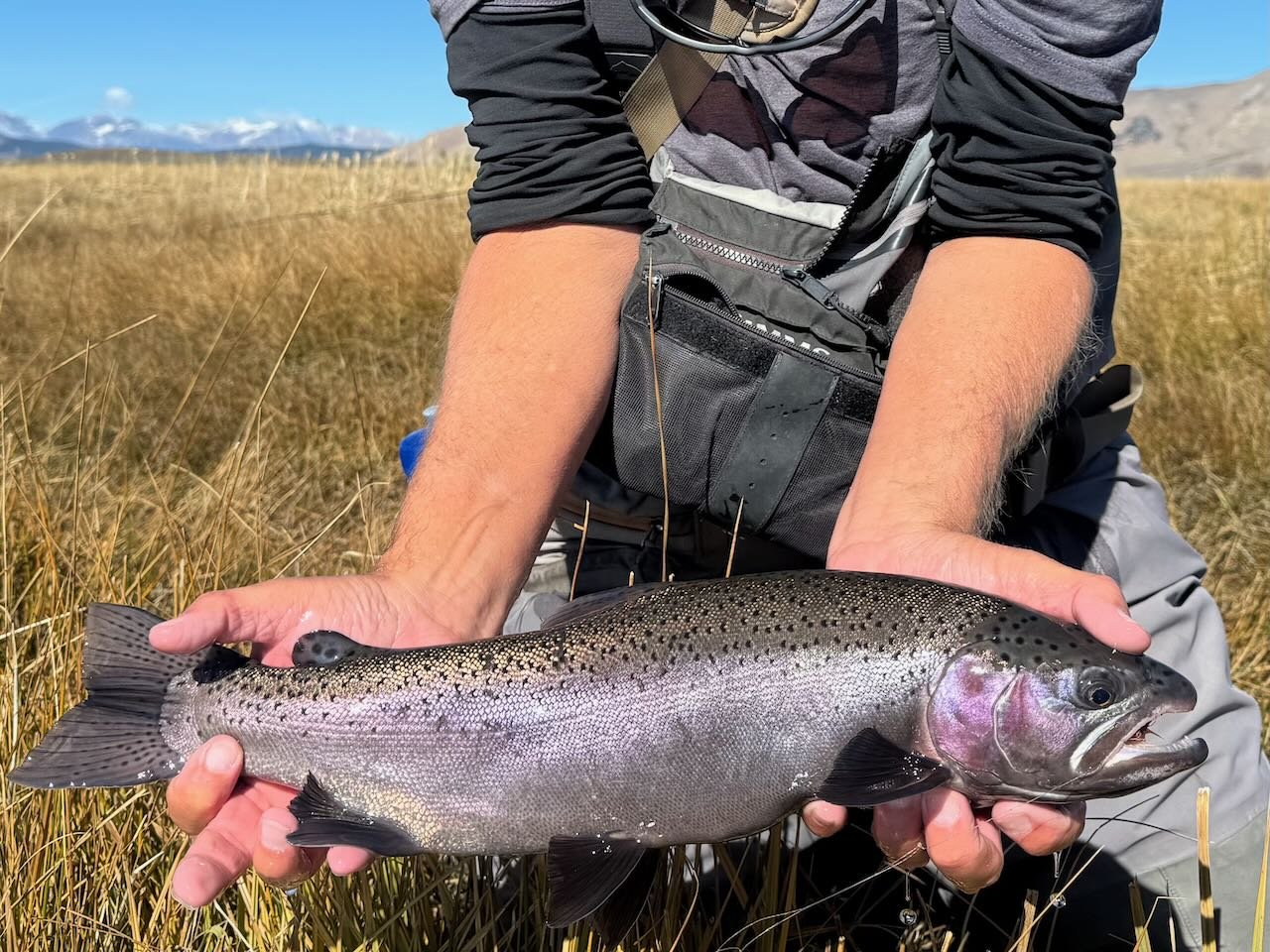
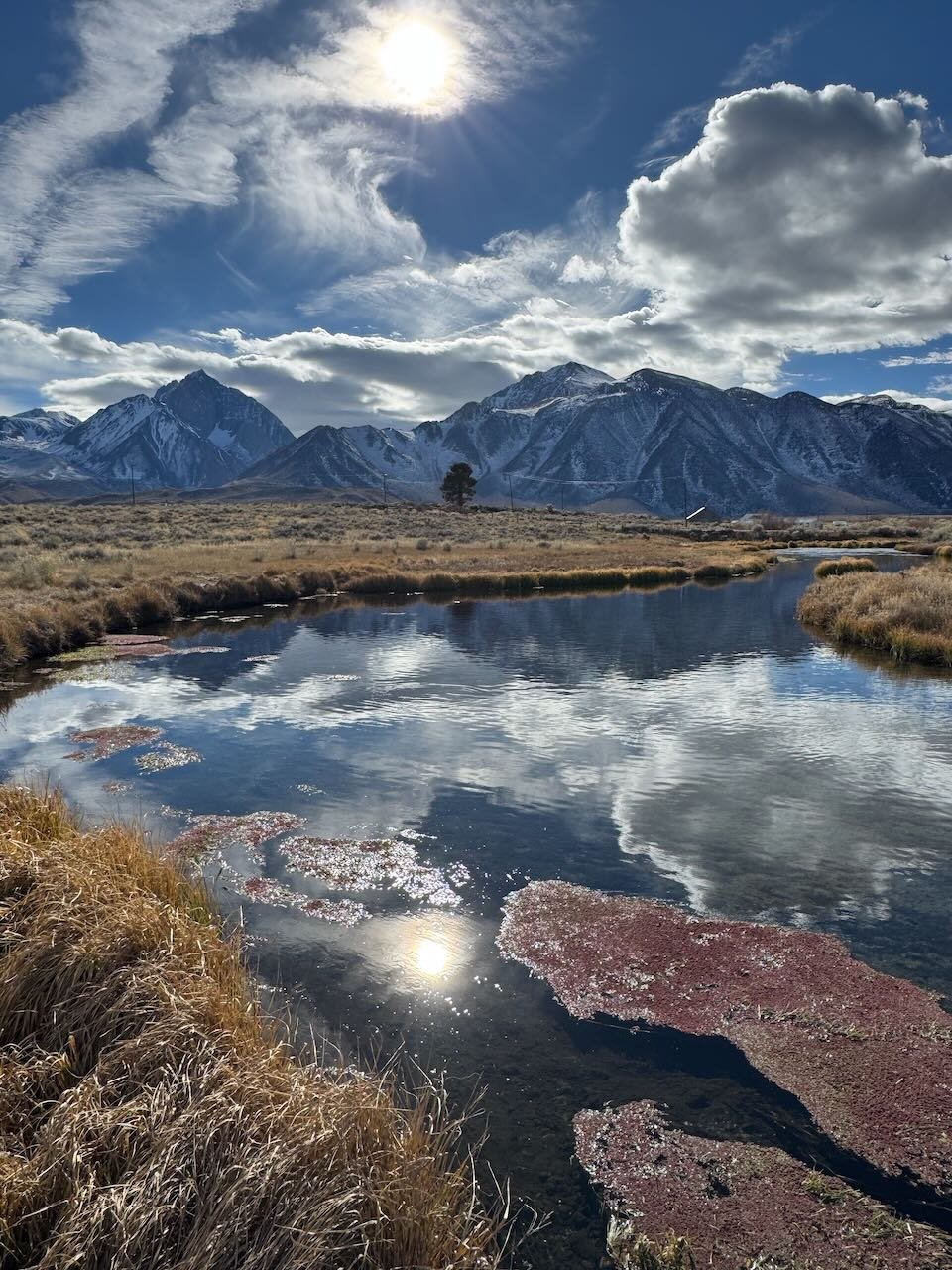
A warm day, hatching mayflies and wading upriver is a perfect winter fly fishing day in the Owens Valley.

Lower Owens River

Wild Trout Section:

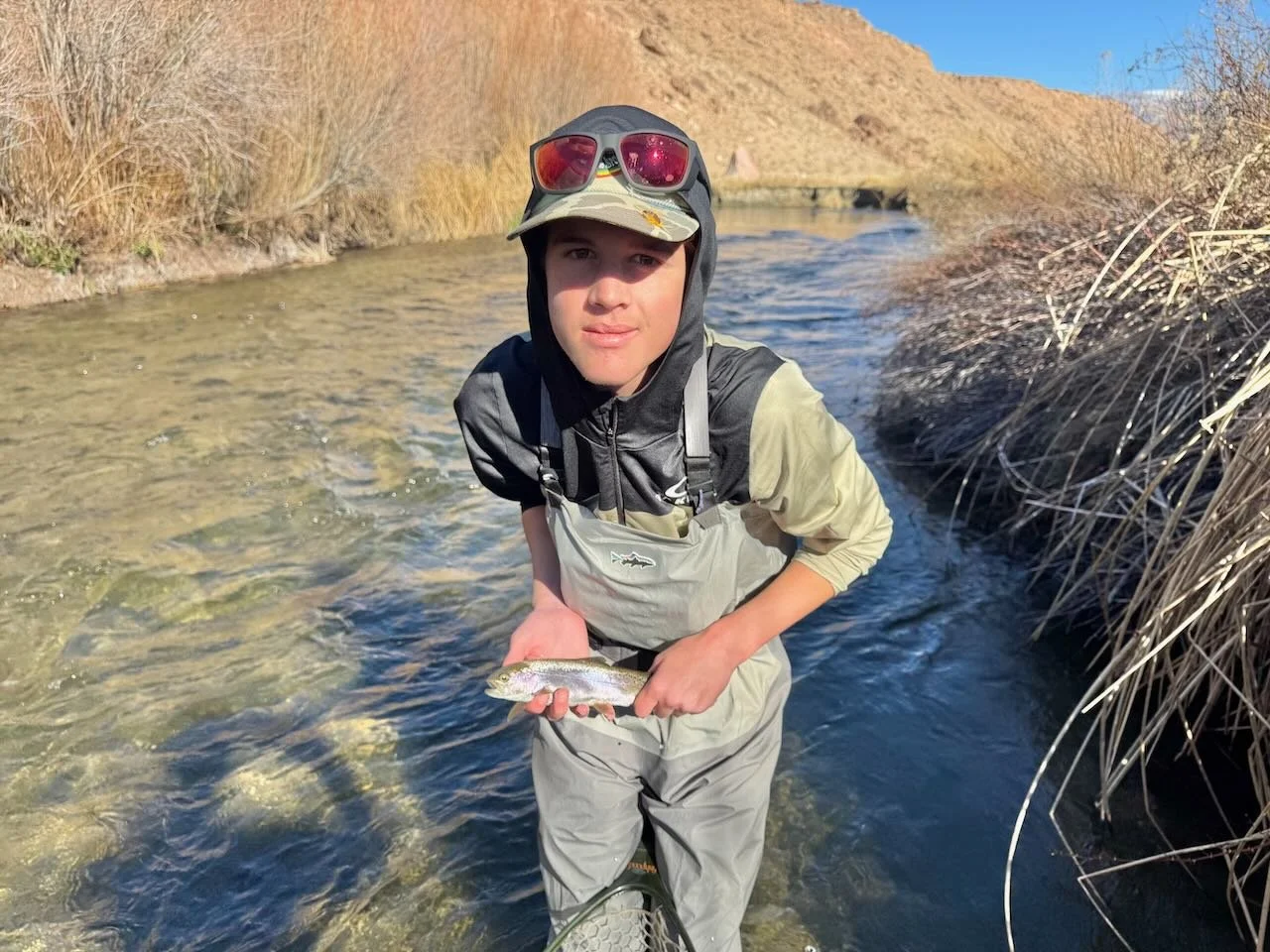
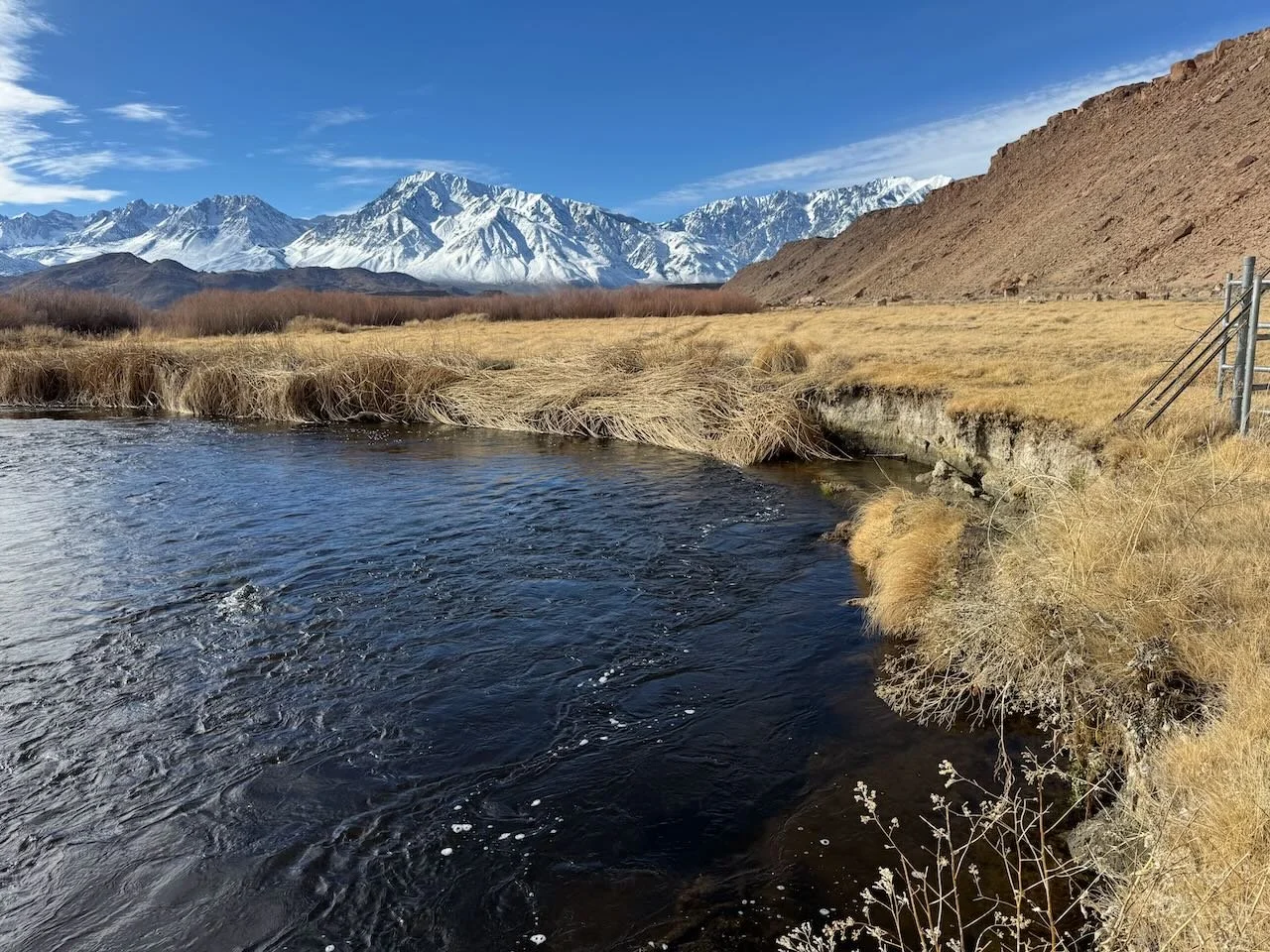
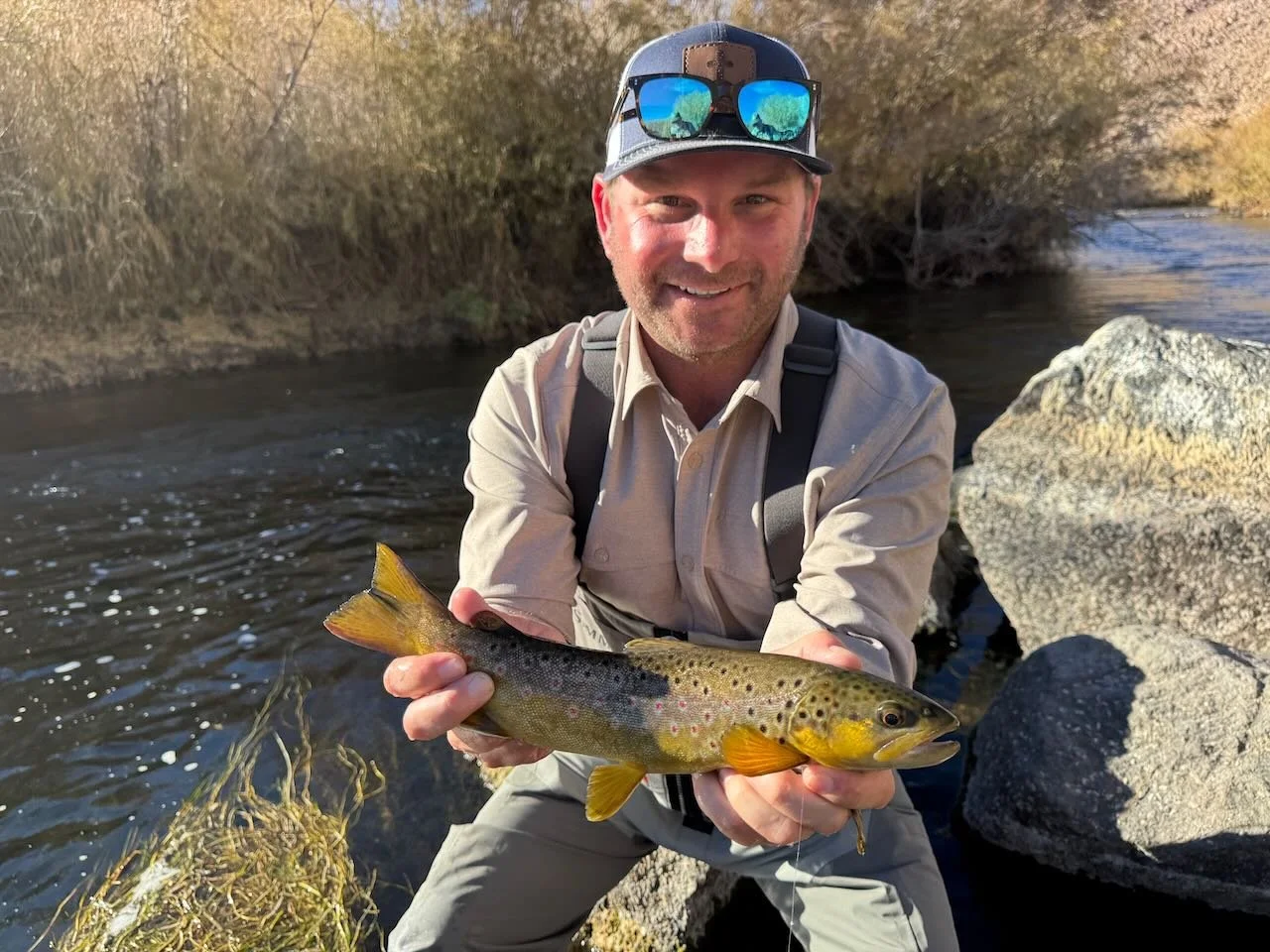
The wild rainbow and brown trout of the lower Owens River are feeding on mayflies, midges and stoneflies on the substrate. Size 18 olive quilldigon, size 18 bead head flash back pheasant tail nymphs, size 18 olive zebra and tiger colored thread midges and size 12 stoneflies are fooling the trout feeding on the substrate. On the surface the trout are feeding on size 18 blue wing olive parachutes, size 18 Adams parachutes, size 18 CDC midges and size 18 Griffith’s gnats. Caddis hatches are right around the coroner and the trout are starting to feed on caddis nymphs, pupae and adults.
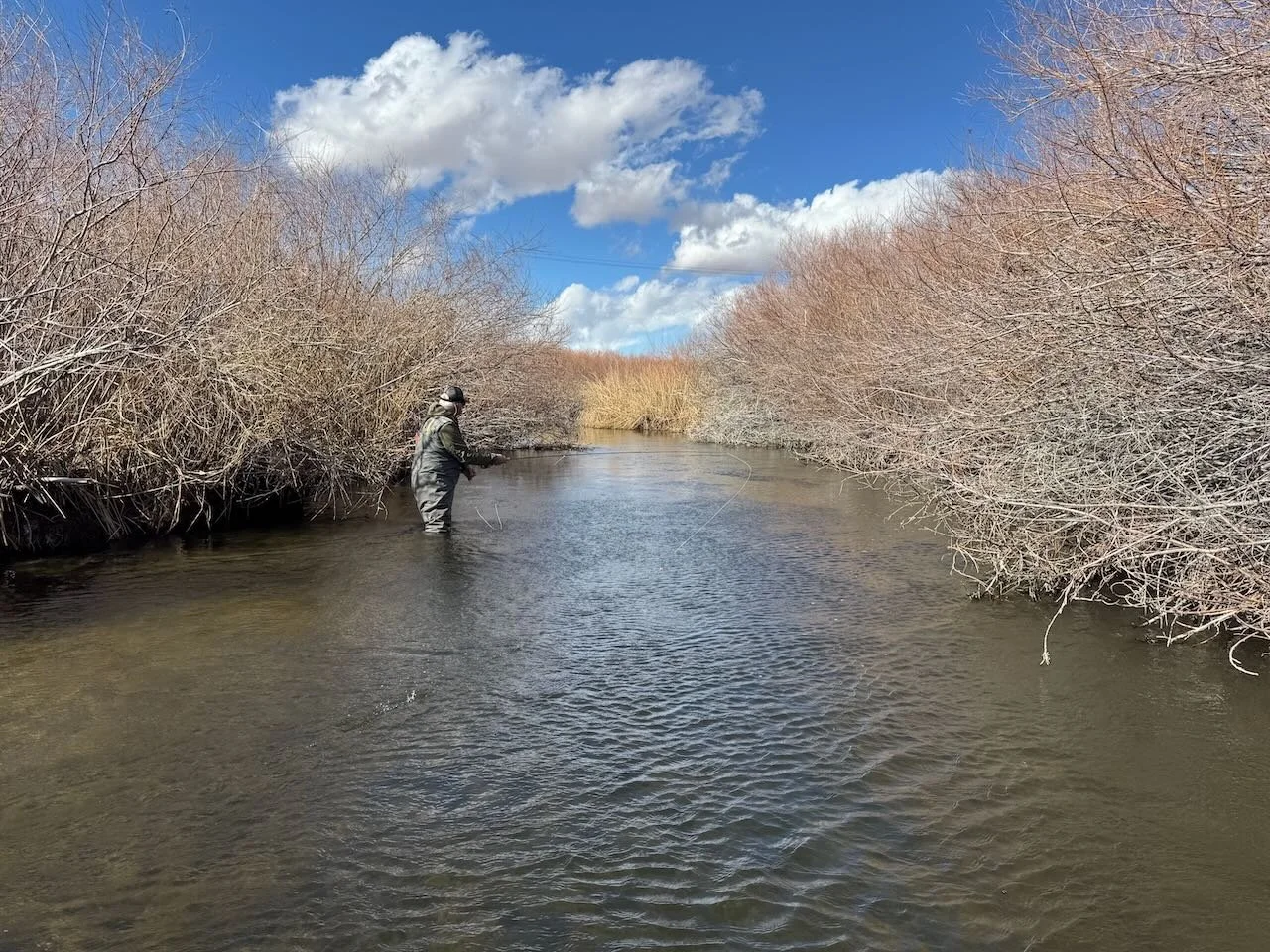
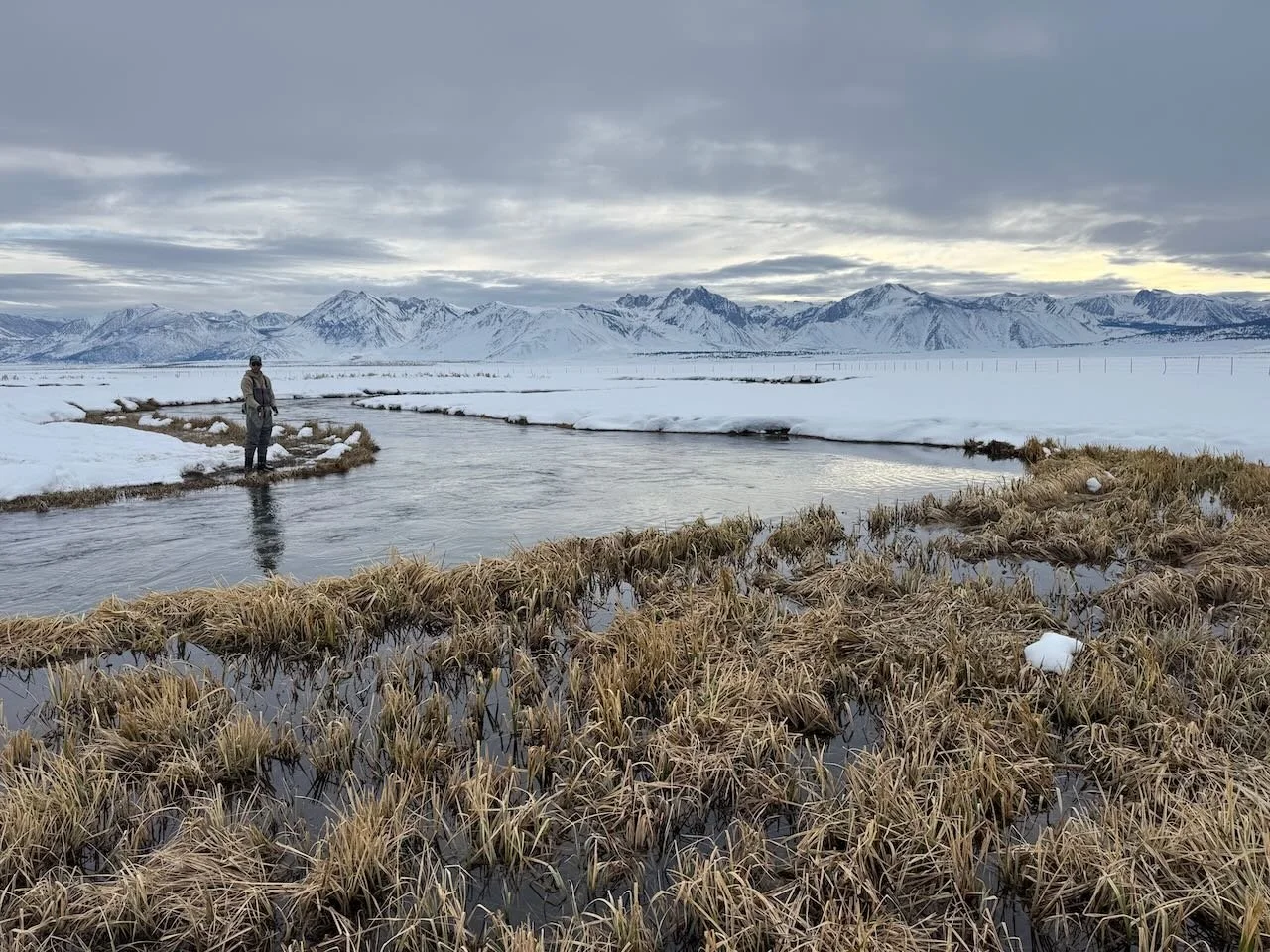
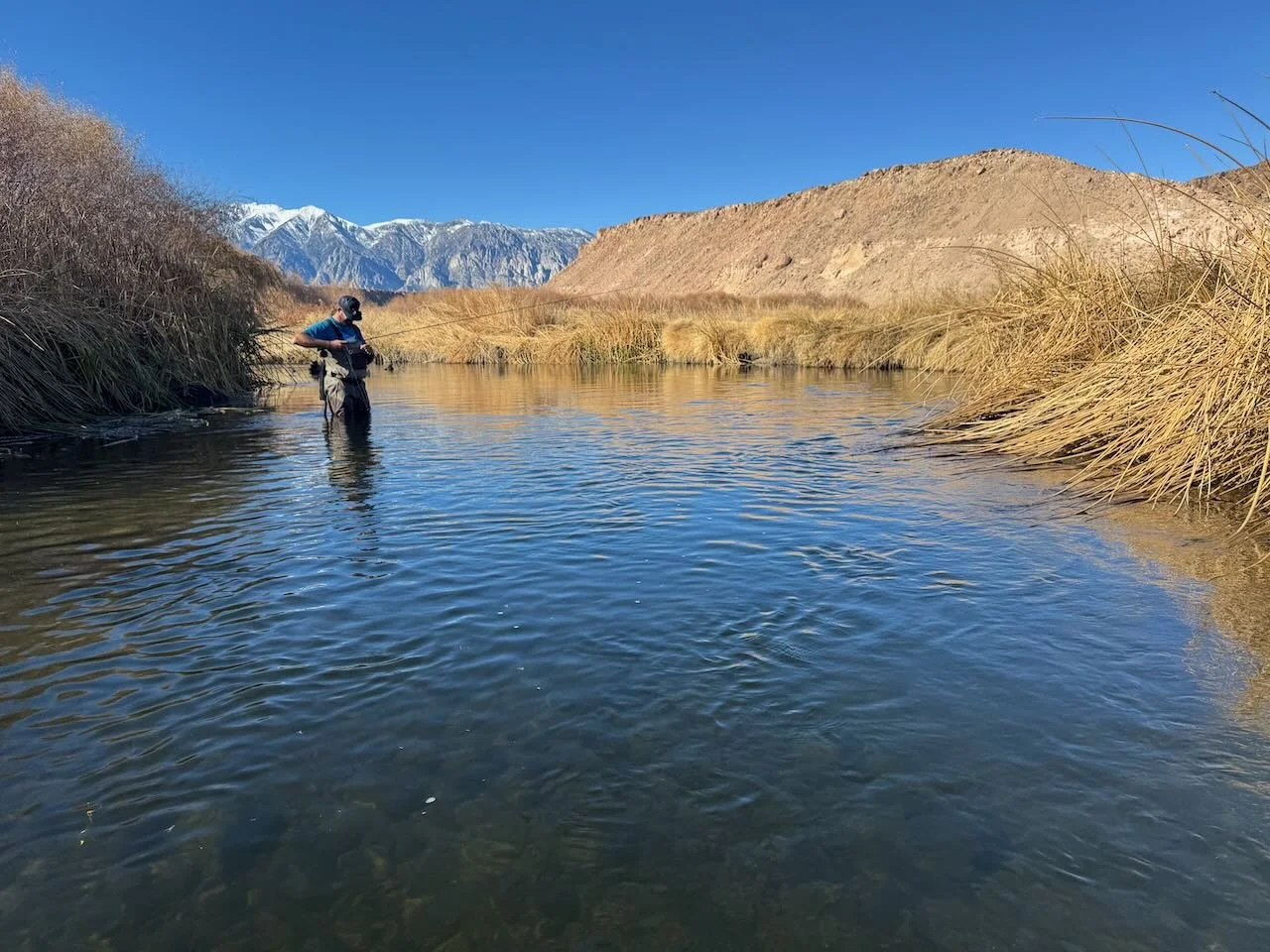
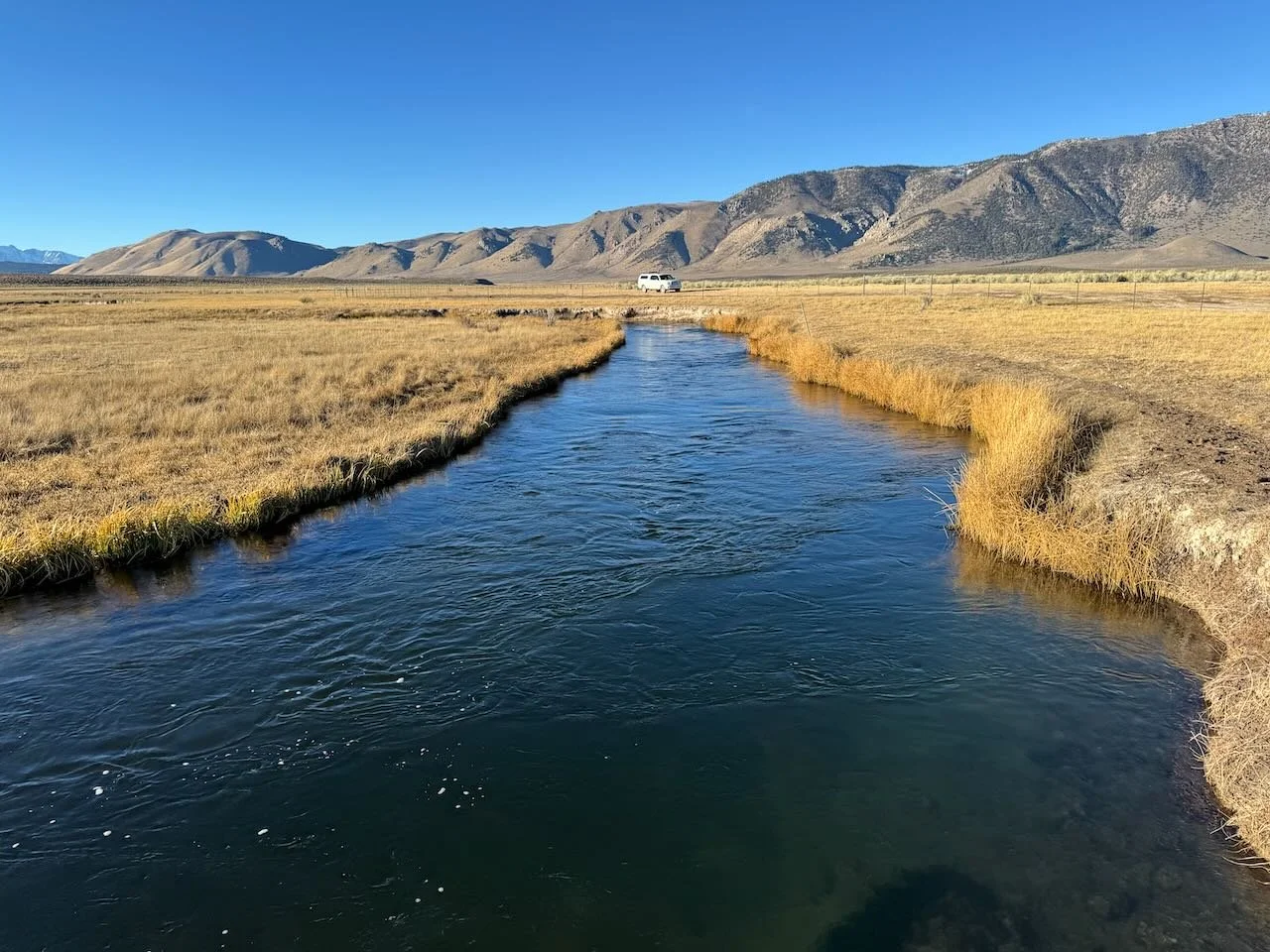
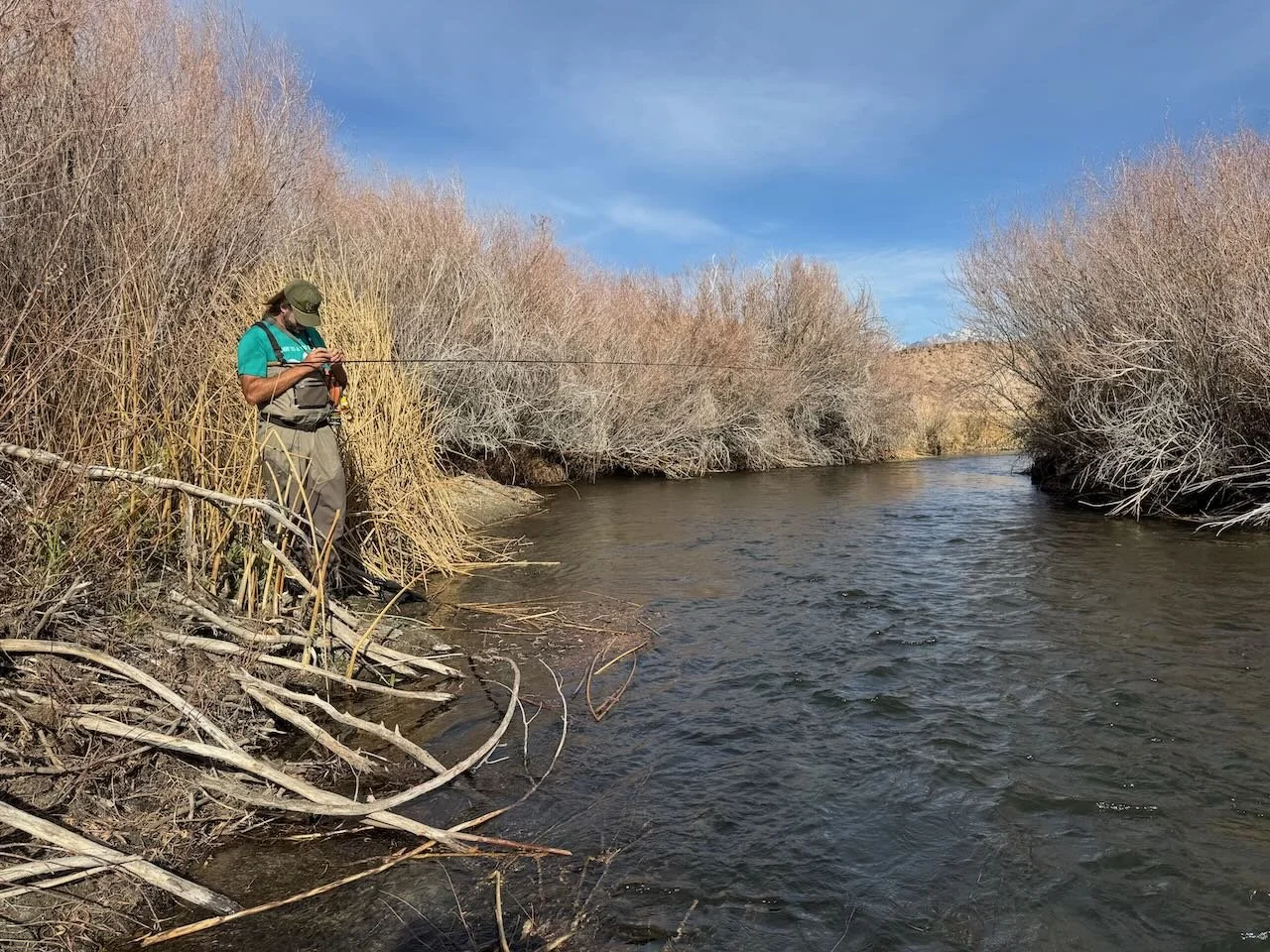
Wading up the Owens River with willows and tulles on both sides is how to fish with nymphs and dry flies in the winter time when the flows allows fly fishers to explore the lower Owens River.

Hot Creek

Interpretive Site:

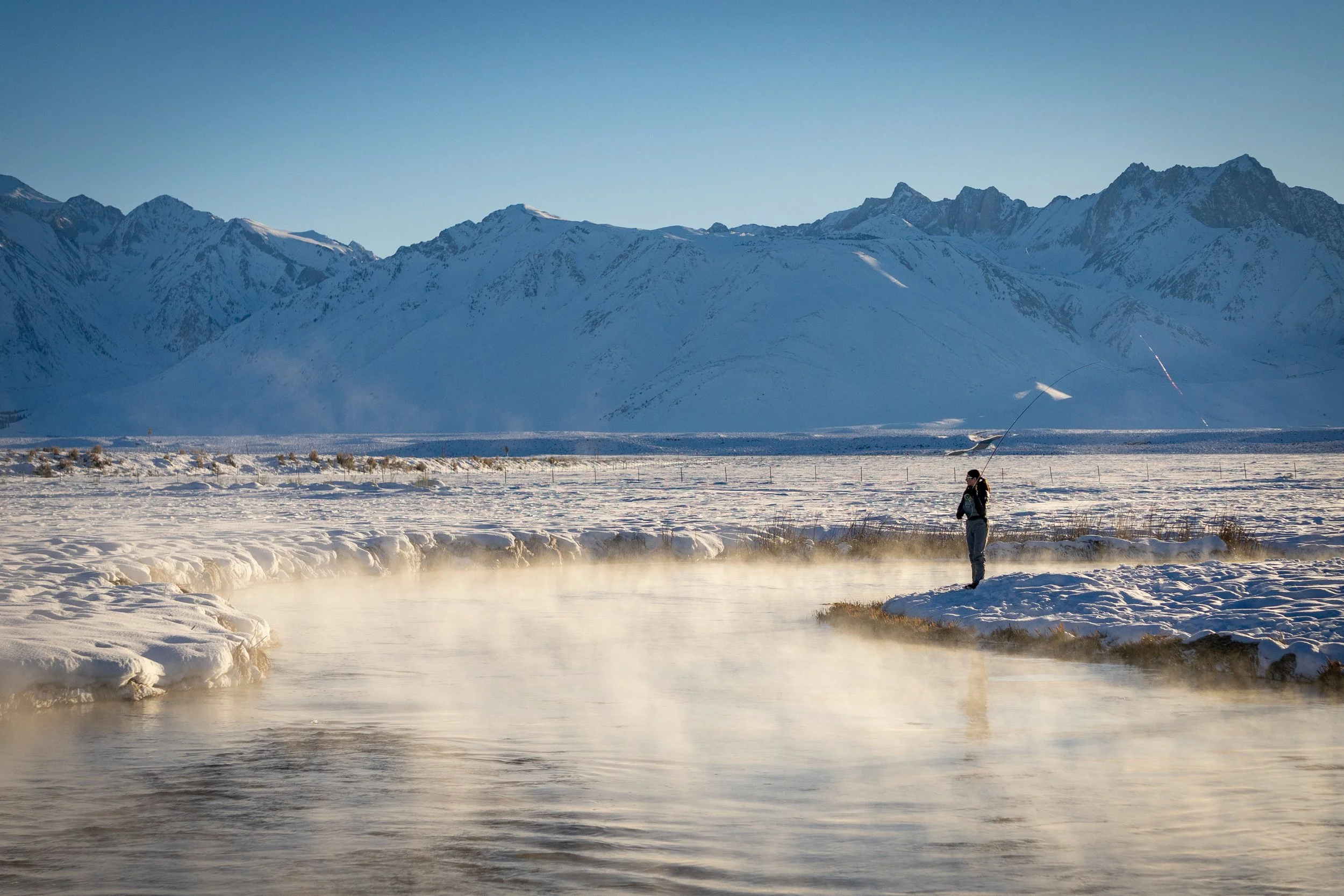
What was will not be what will be on the creek. The warm weather and fly fishers walking out to the creek have developed trails that make it easier to access the Interpretive Site. With the approaching storms time will tell how much snow ends up on the ground and how that will affect creek. The fly fishing is good on the surface and on the substrate. On the surface fish with size 20 Adams parachutes, size 20 blue wing olive parachutes, size 20 CDC midges, size 20 midge emergers and size 20 Griffiths gnats. On the substrate use size 18 bead head flash back pheasant tail nymphs, size 18 olive quilldigons and size 20 tiger and zebra coloration thread midge patterns. Next week will show how much snow this area has gotten and how to access the creek.
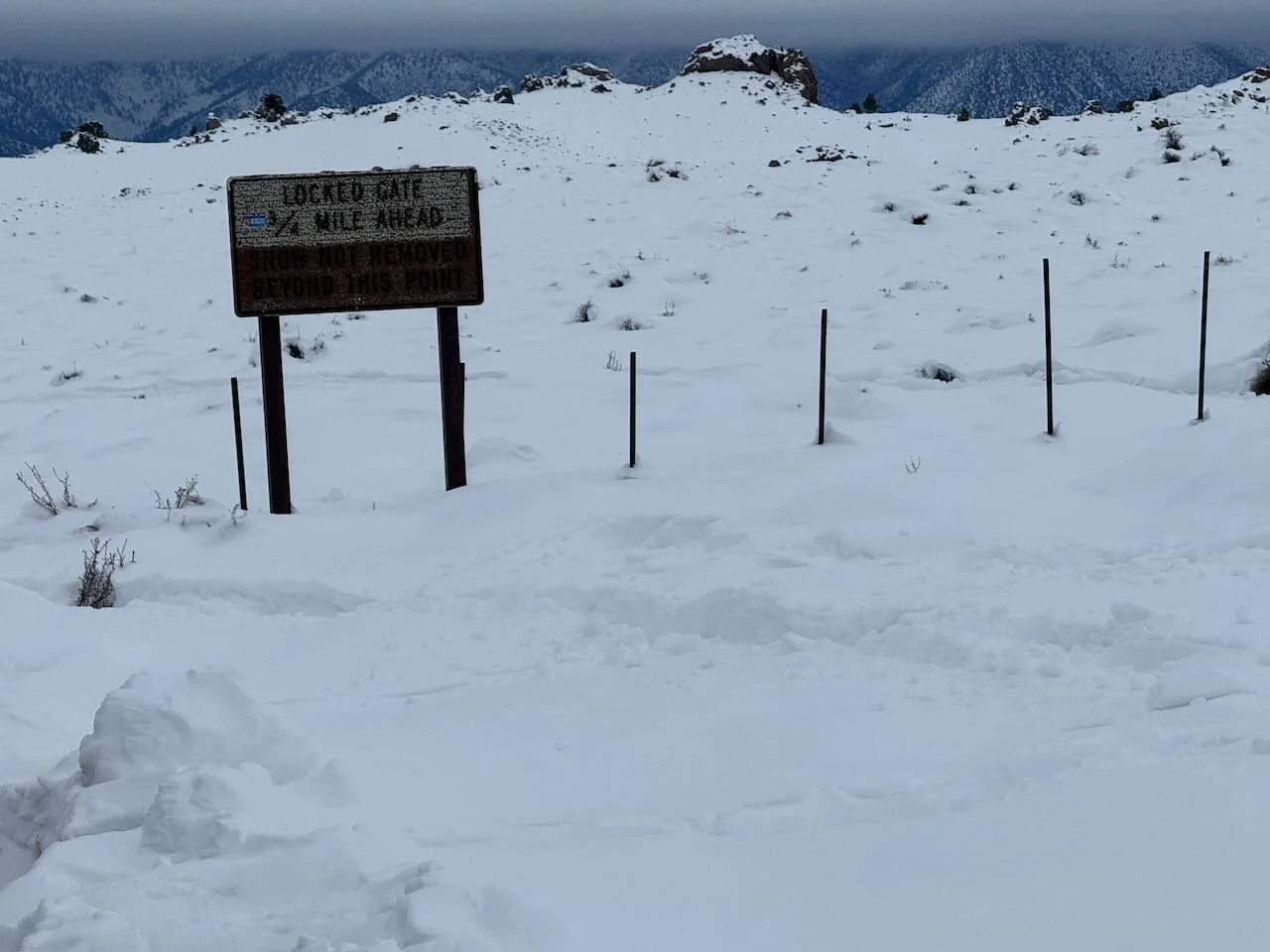
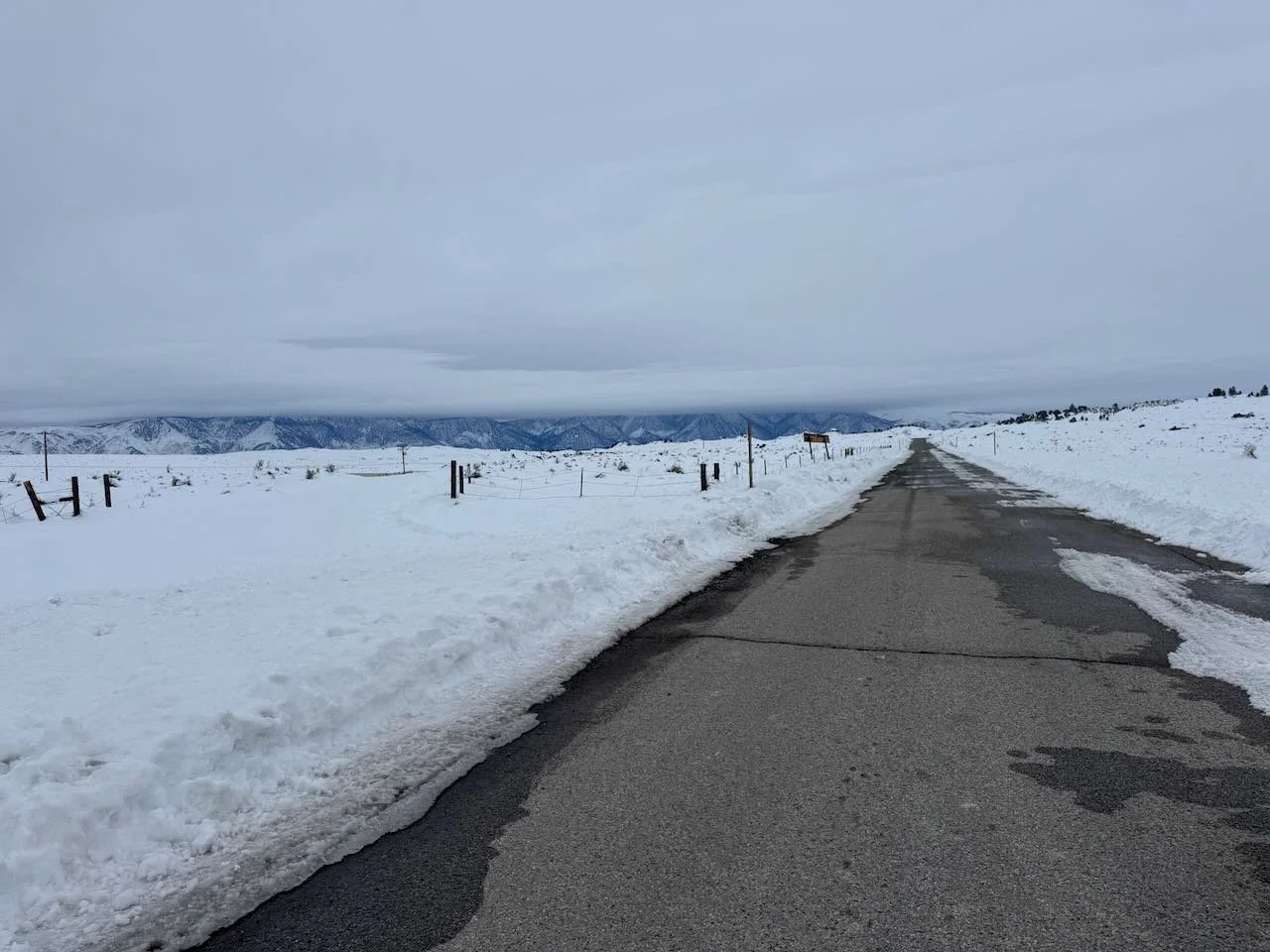
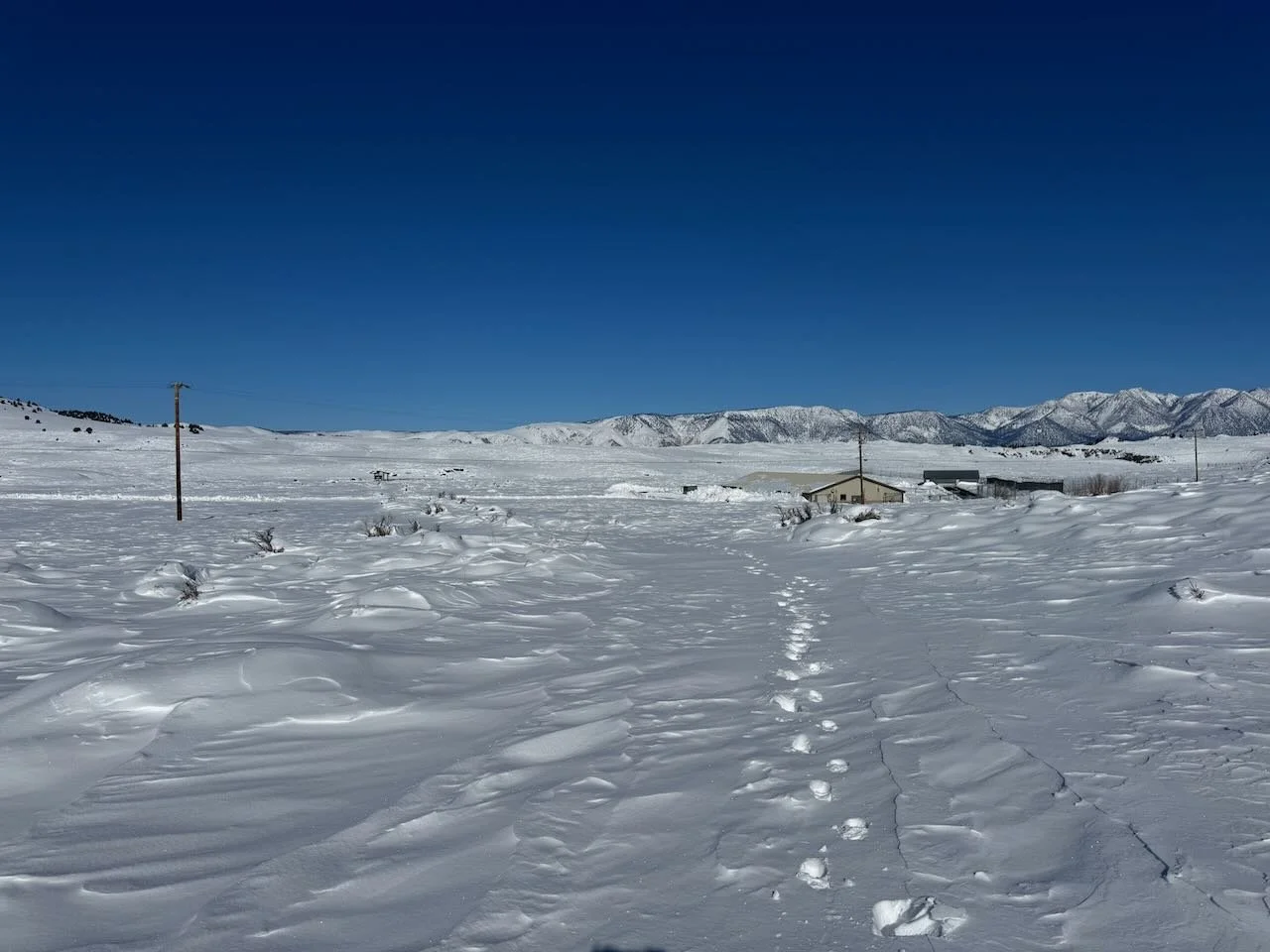
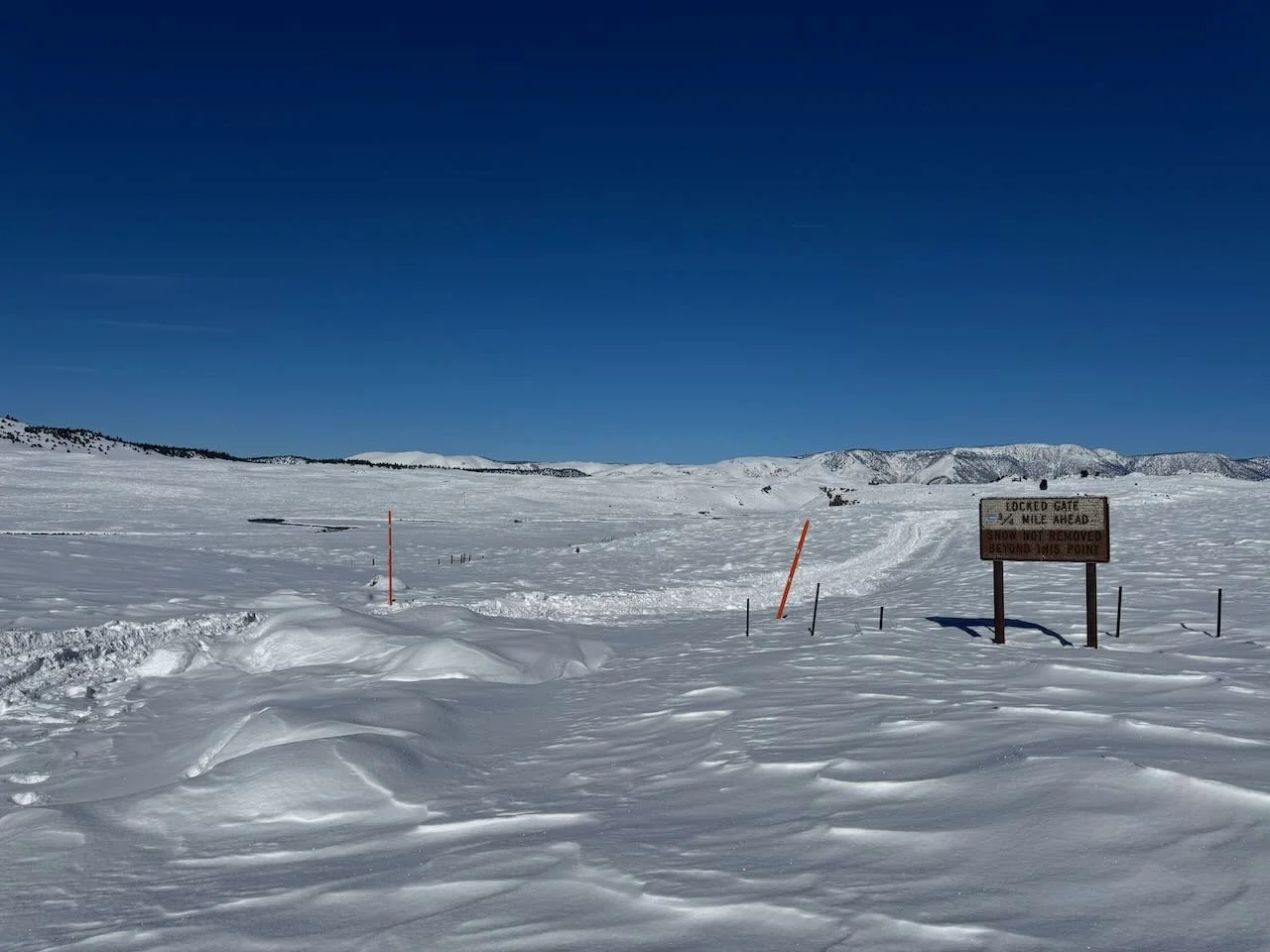
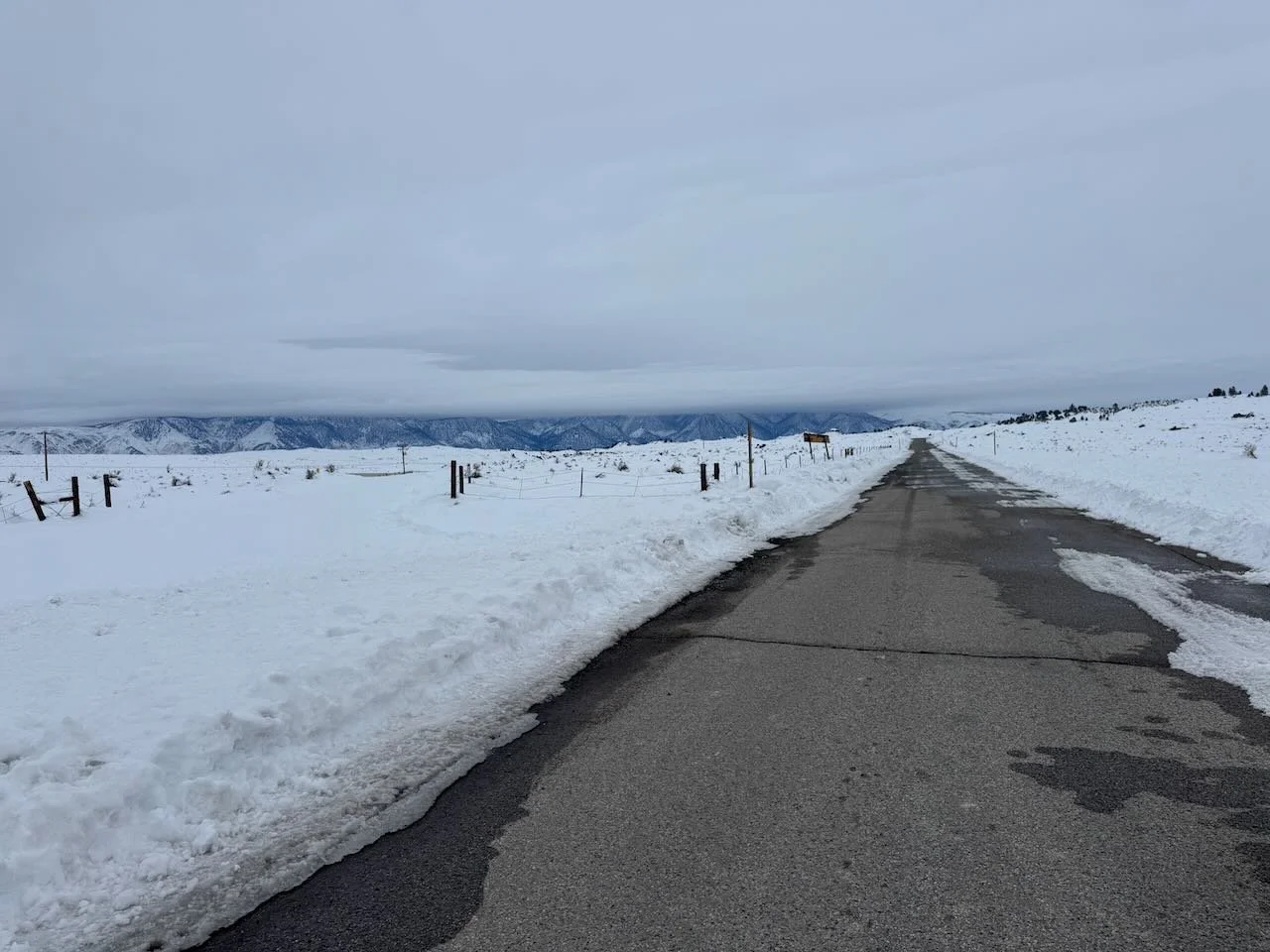
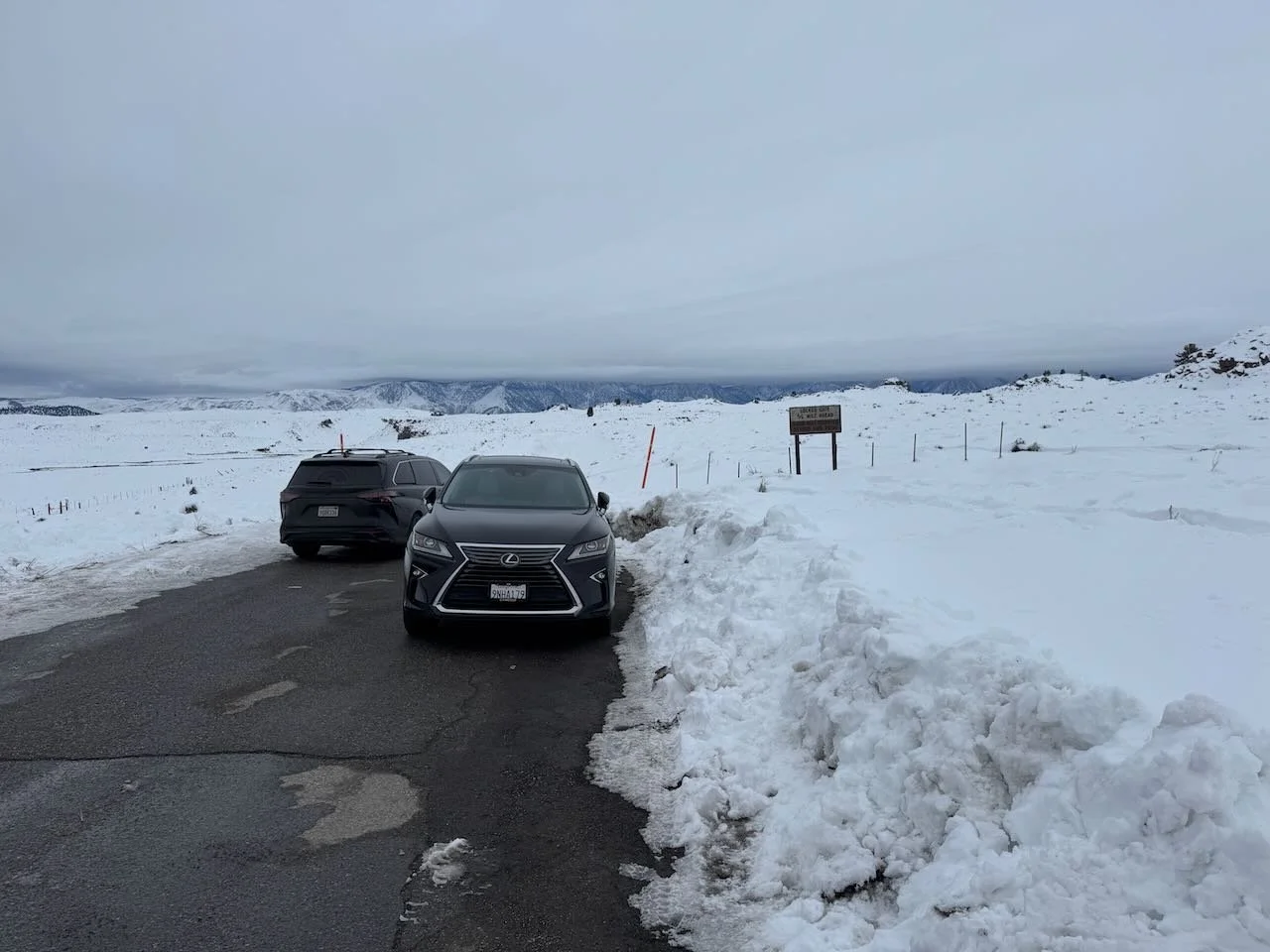
Fly fishers looking to access Hot Creek Canyon will find the road inaccessible beyond the winter closure at the end of the paved Hot Creek Hatchery Road.

Hot Creek

Canyon Section:

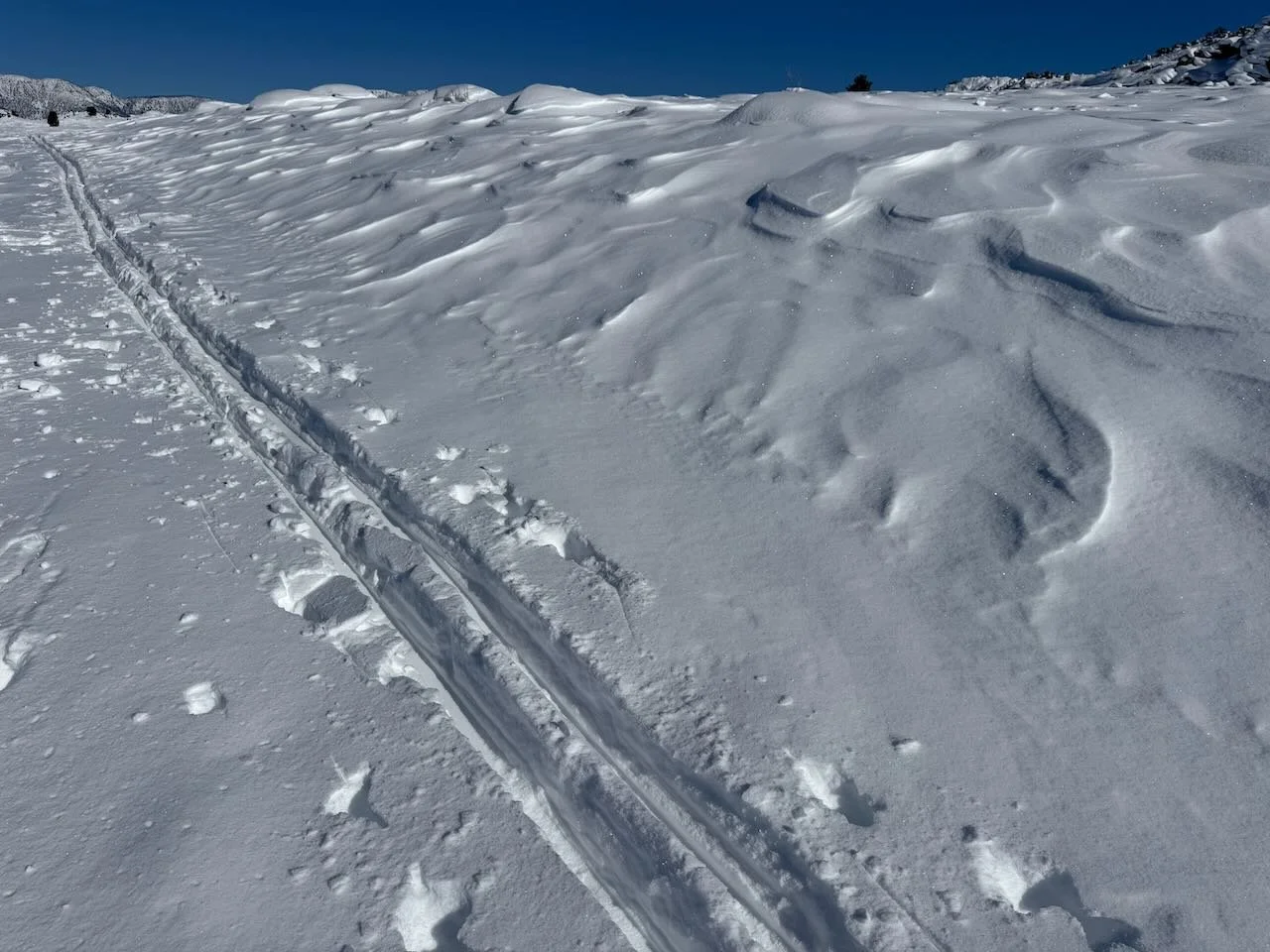
This area requires the most effort to access it. Access starts at the end of the paved road where there is no plowing. There has been enough snow on the road to keep vehicles from driving out to the canyon parking areas. With the expected snow this area will continue to be accessible by walking, snowshoes, skis or walking in. Fly fishers will find solitude in the canyon section and trout feeding on nymphs and dries. Working nymphs in the slots between the weed beds, the riffles and the holes are where you can find trout willing to take your flies. Use size 18 olive quilldigons, size 18 bead head flash back pheasant tail nymphs, size 18 Frenchie’s, size 18 bead head baetis, size 20 green/gold brassies, size 20 soft hackle brassies and size 20 thread midges in tiger and zebra coloration.
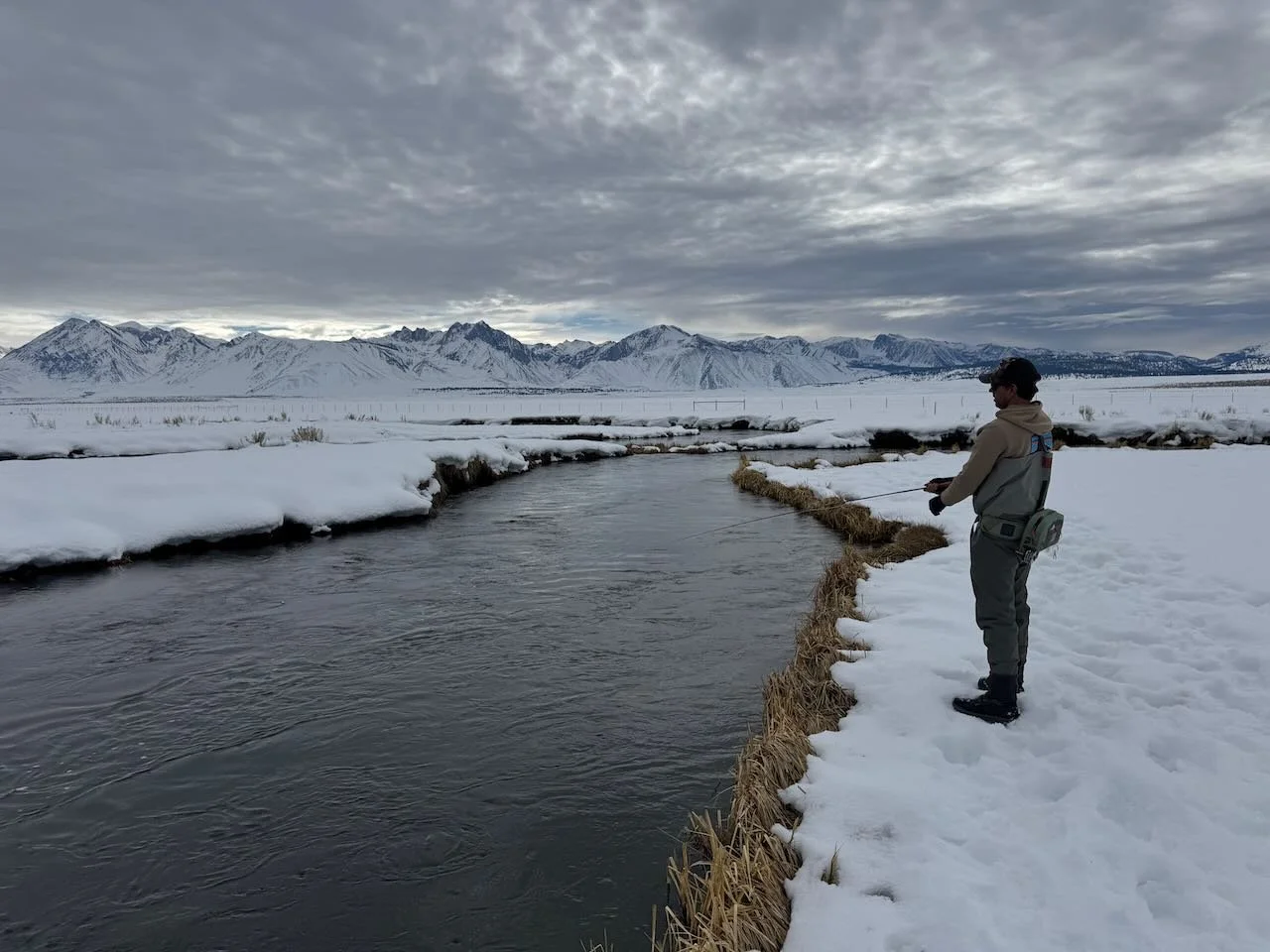
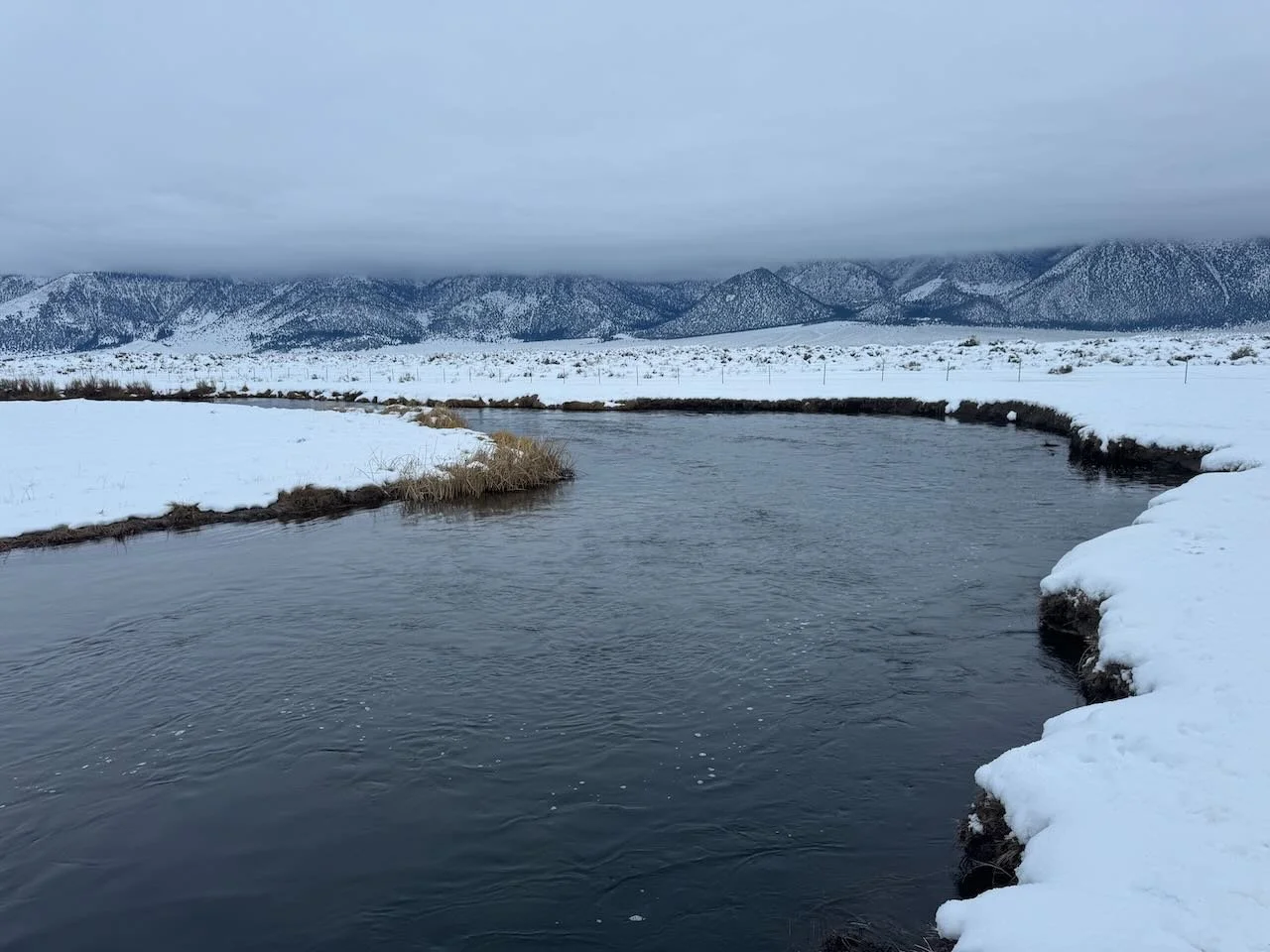
For now the upper Owens River is accessible on foot for those who do not have four wheel drive vehicles with clearance.

Upper Owens River

Above Benton Crossing Bridge:

Snow has been melting and fly fishers have had to contend with some muddy patches driving out to the river. To be safe a lot of fly fishers have been parking at Benton Crossing Bridge and walking up river. Time will tell as to how much snow falls on the roads leading out to the upper Owens River and how accessible the area will be. It may be time for skis, snowshoes or snowmobiles to access the river. We will know when the snow is on the ground and we are counting it in feet or in inches. There are still good numbers of trophy rainbow trout in the deep holes, deep runs and cut banks taking nymphs, eggs and worm patterns. Fish with size 12 stoner nymphs, size 12 green/gold Prince nymphs, size 12 Richards variation of a gold ribbed hare’s ear, size 14 tungsten tacos, size 12 squirmy wormies, size 18 olive quilldigons and size 18 bead head flash back pheasant tail nymphs. Key to success is have the right amount of weight on the tippet as split shot or in the flies so the flies bounce on the substrate.
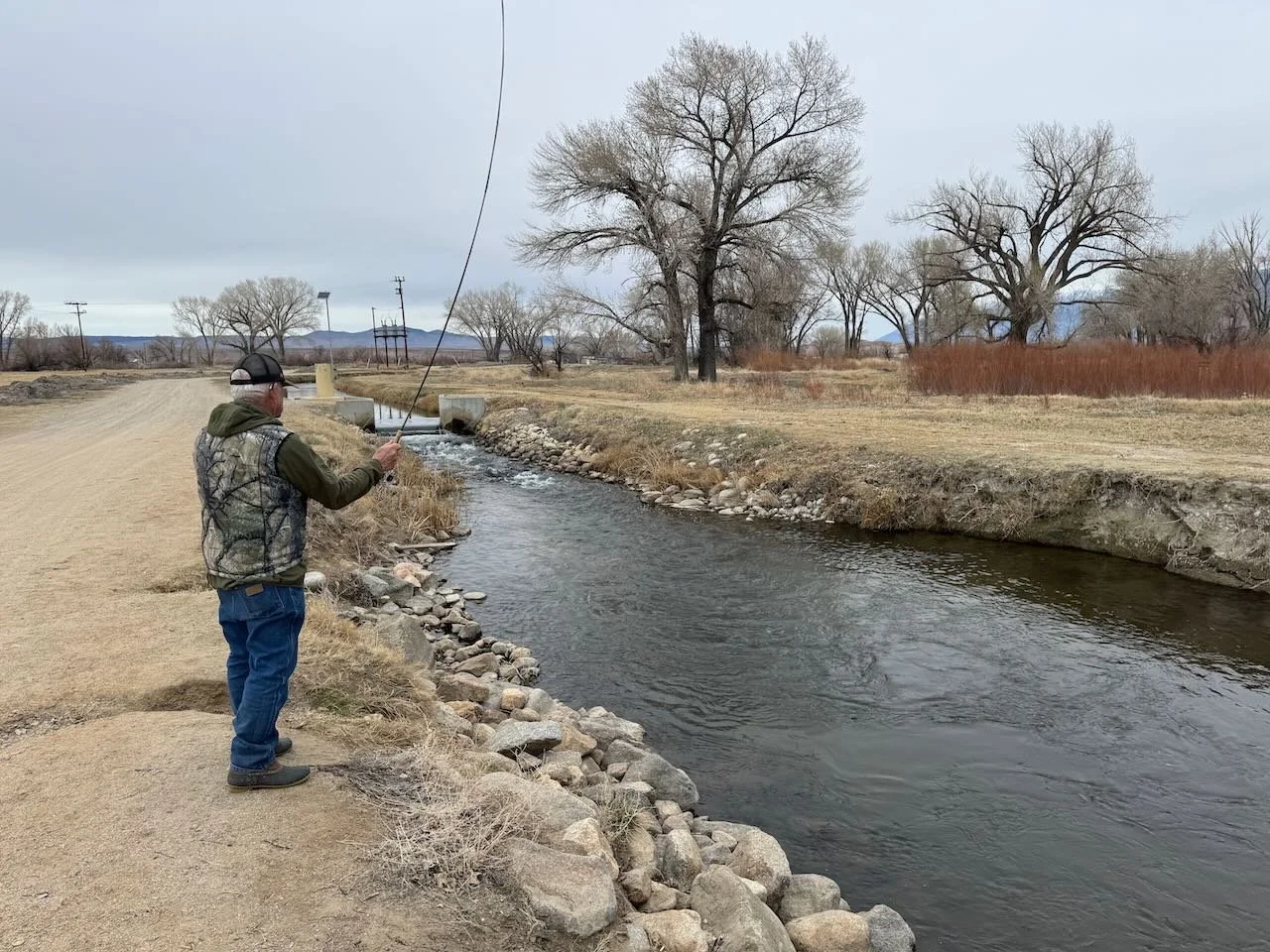
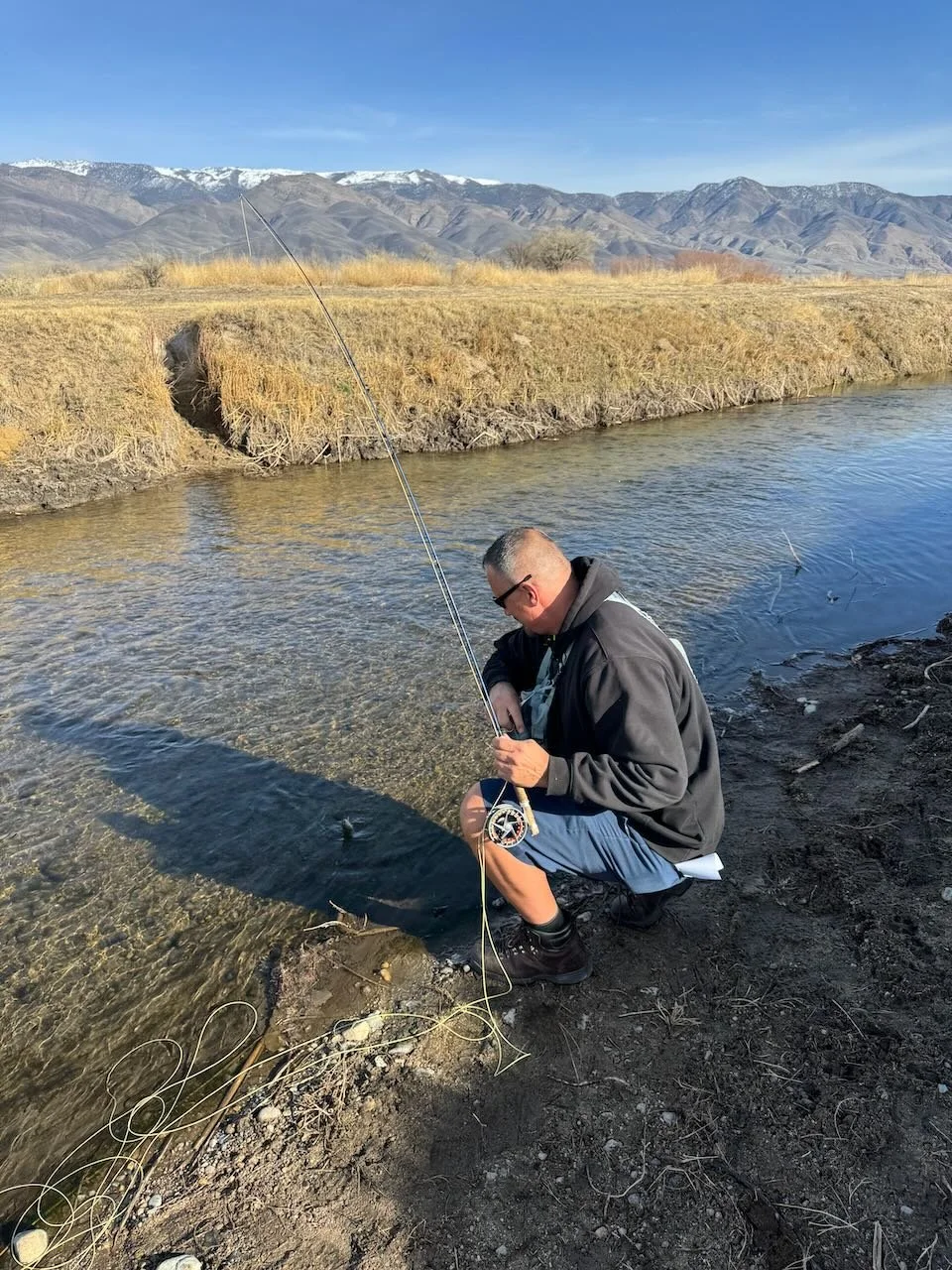
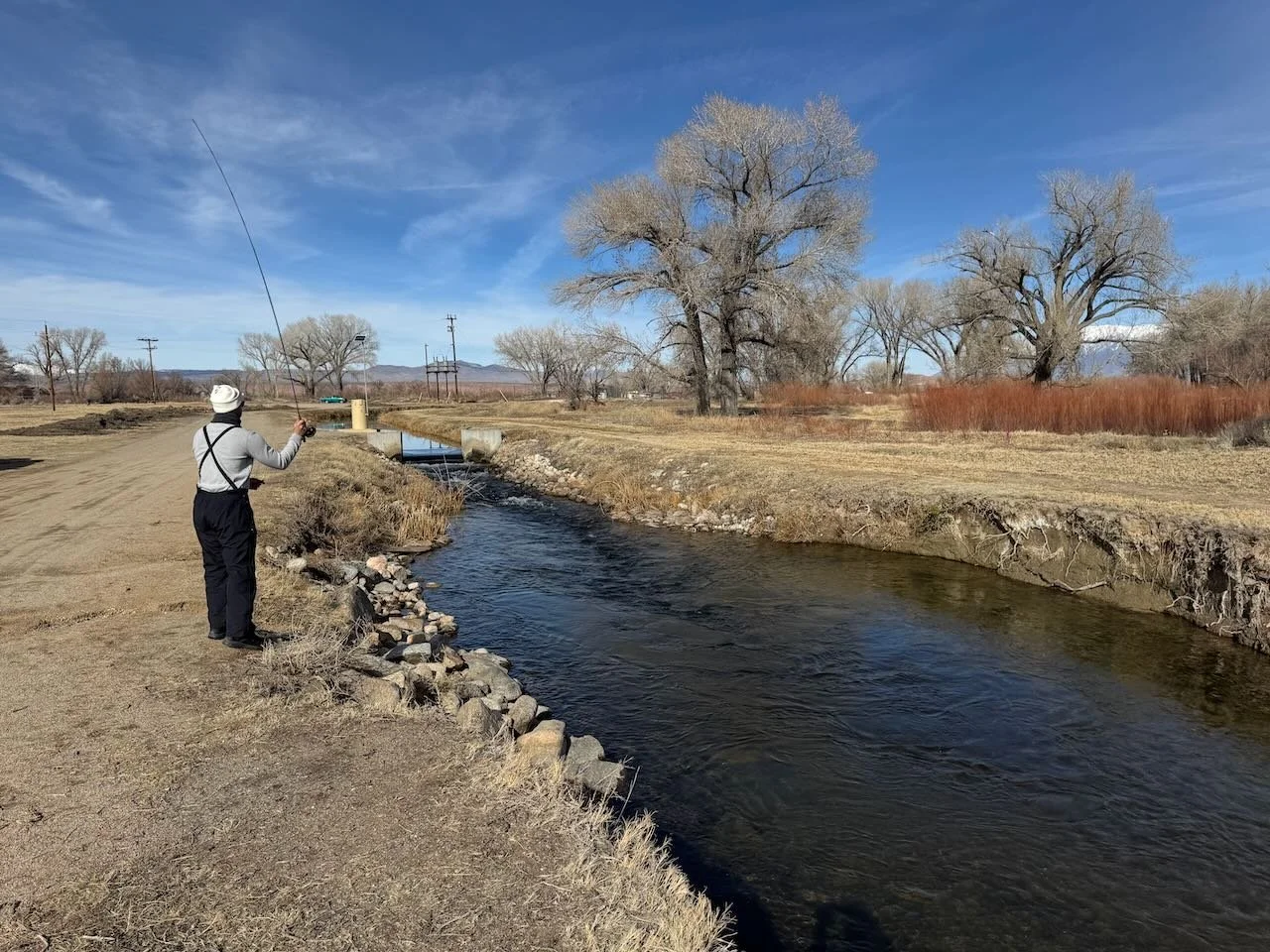
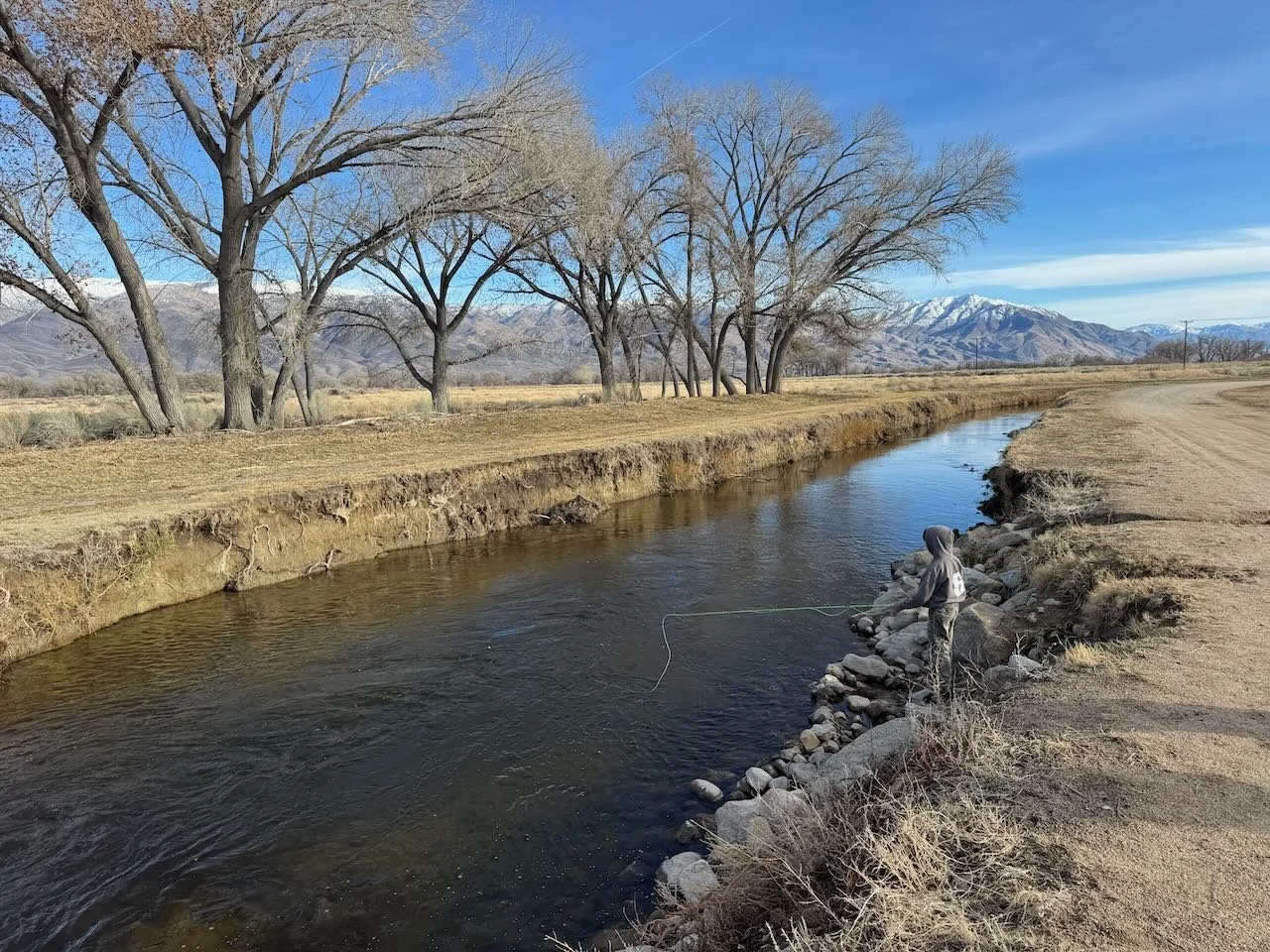
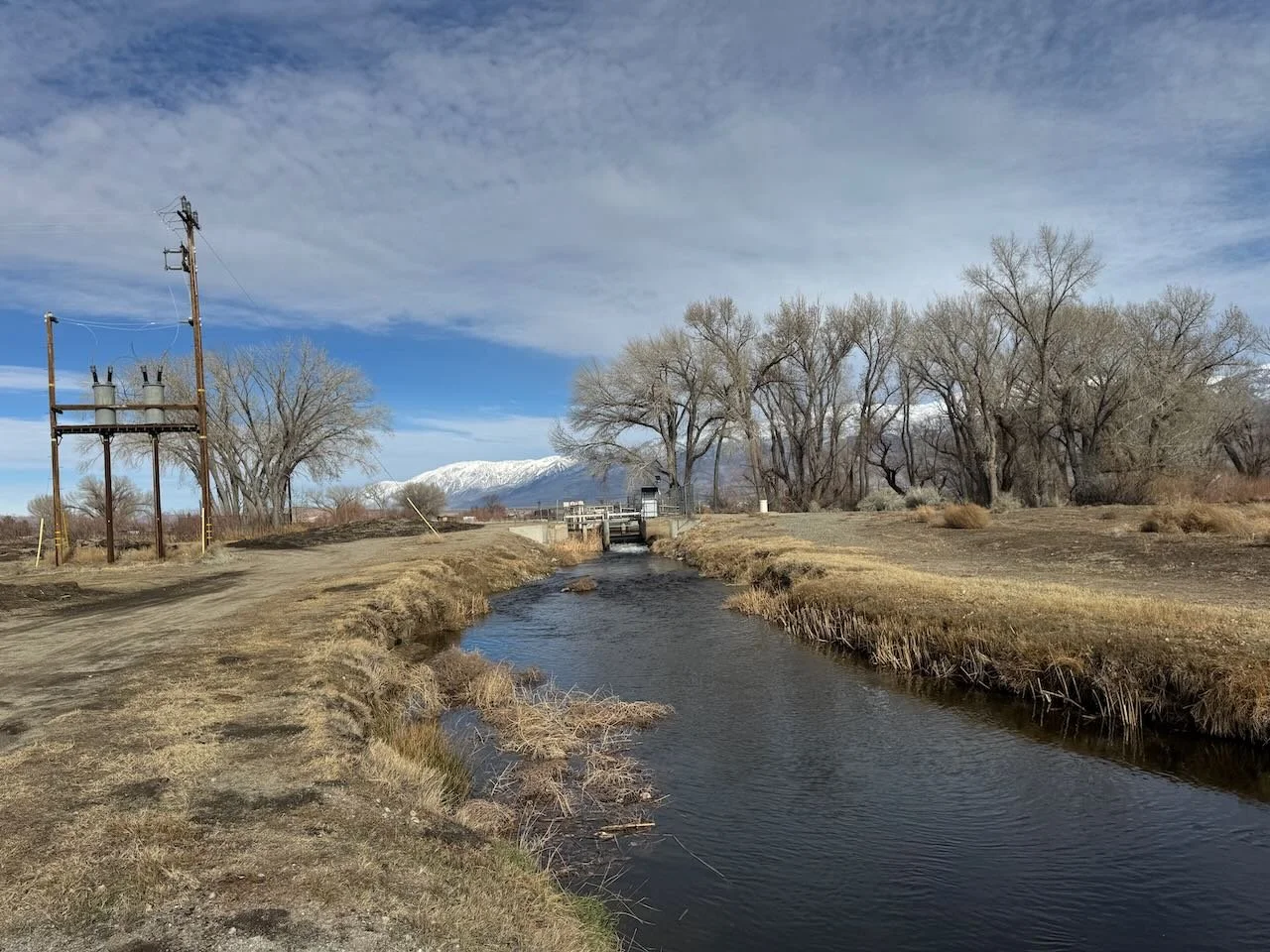
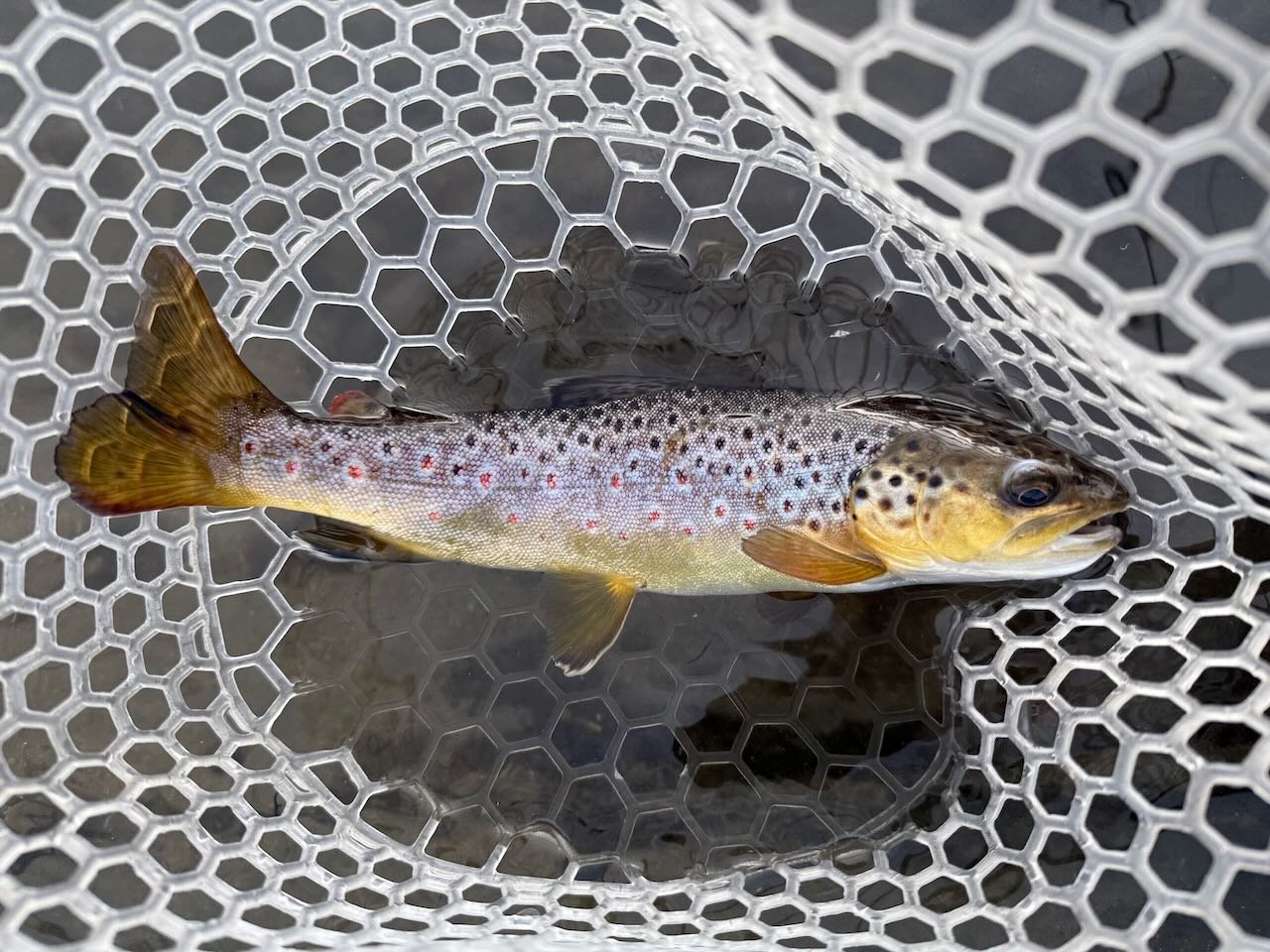
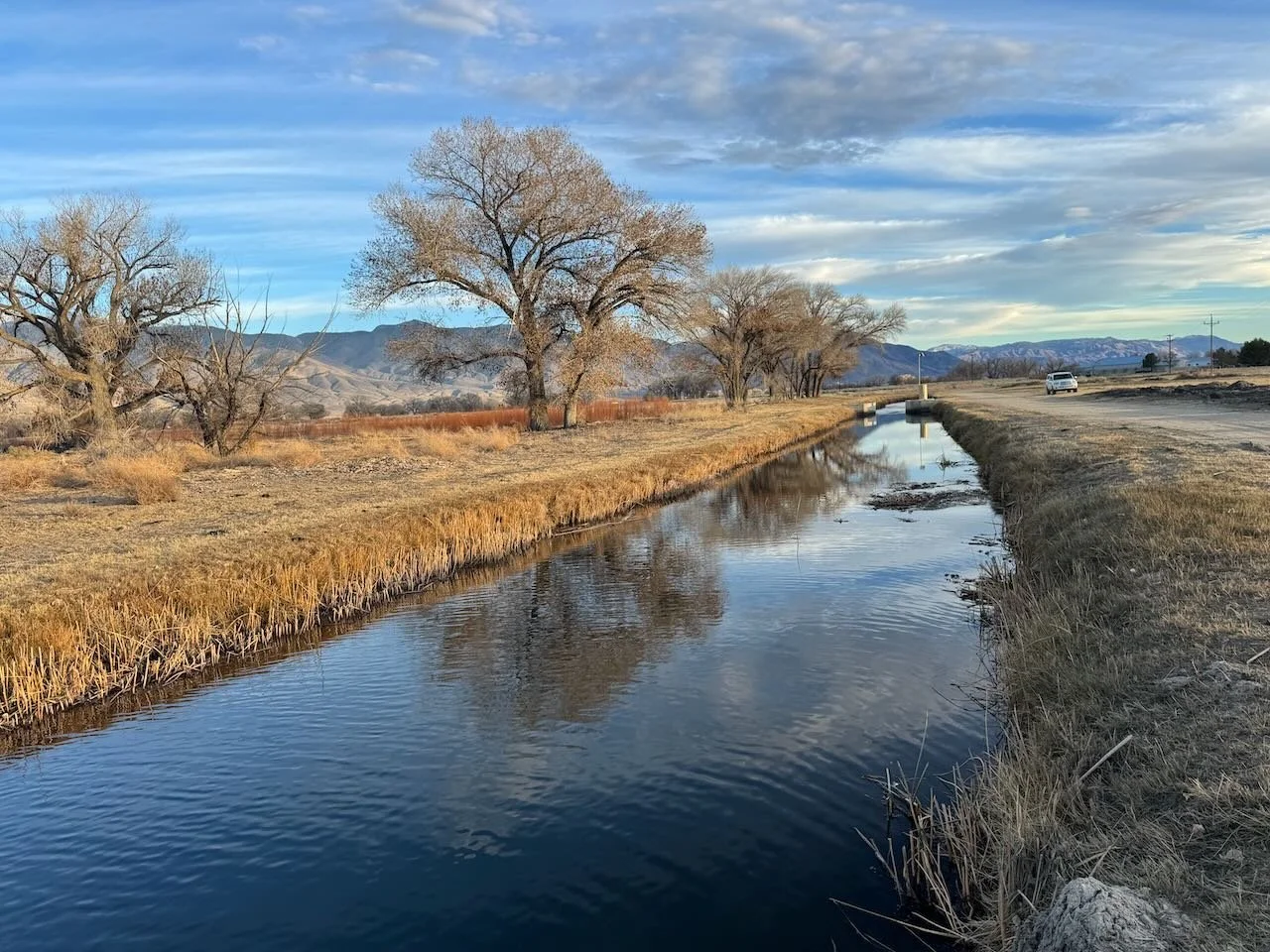
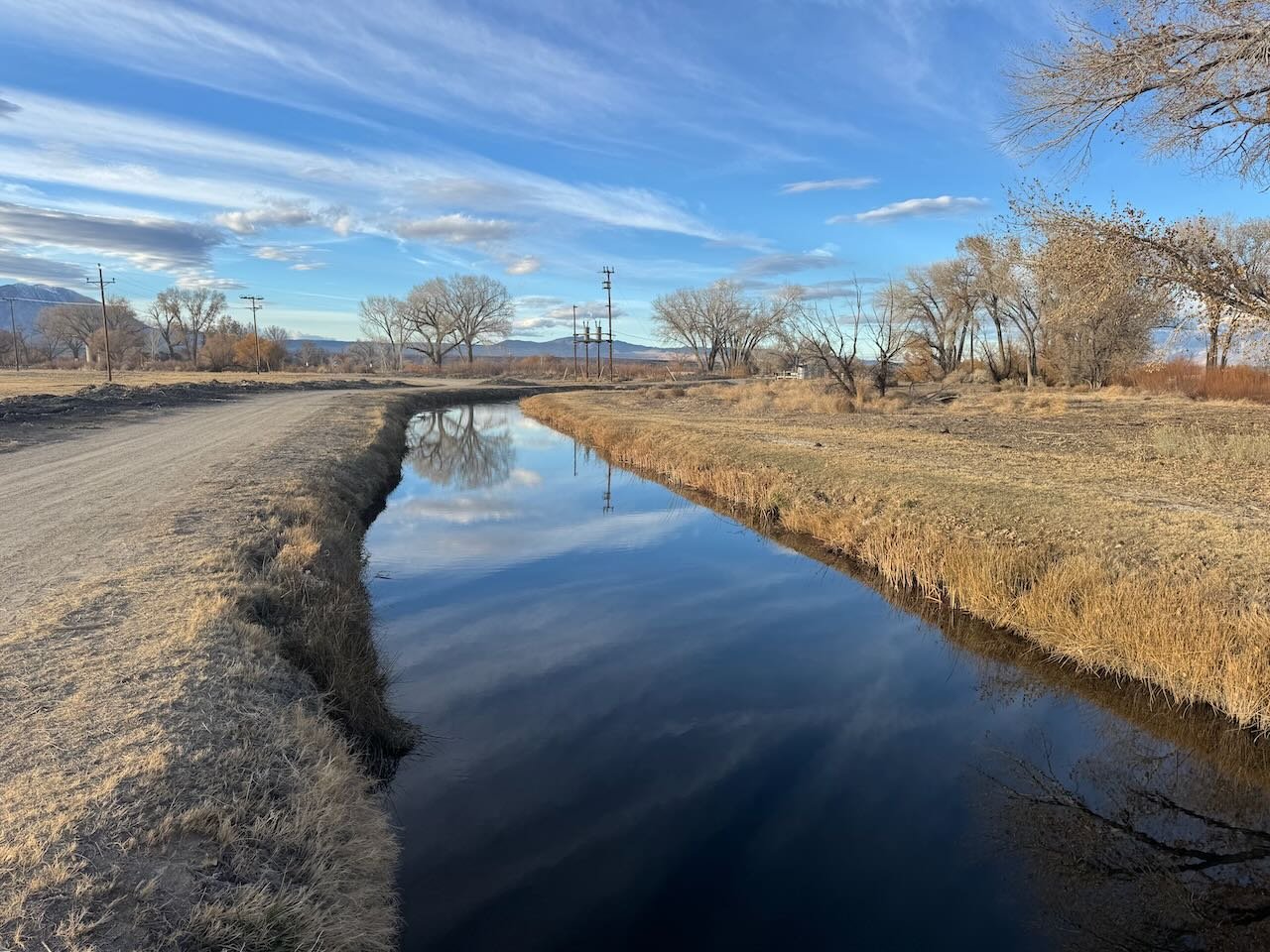
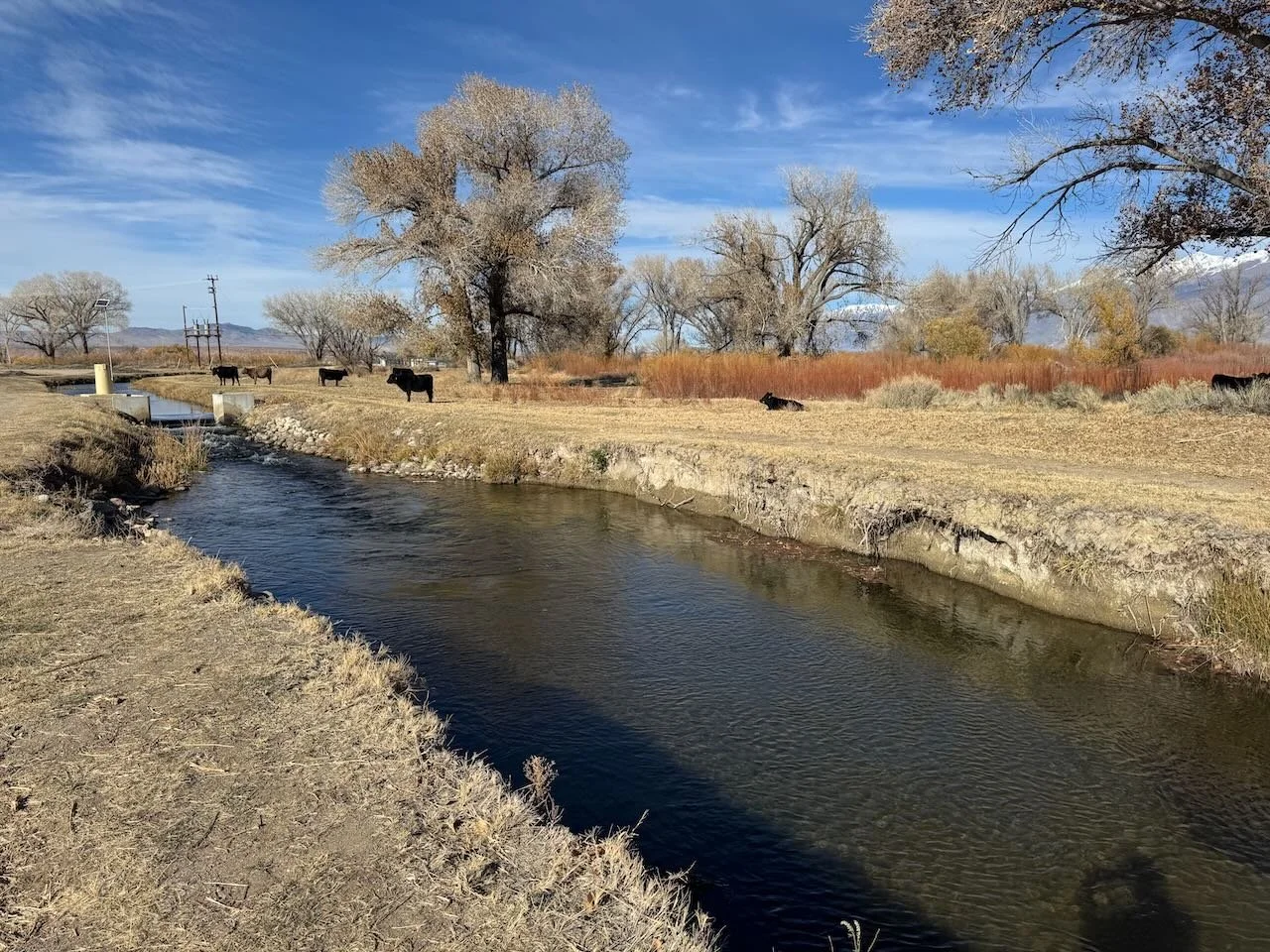
Working Bishop Creek Canal with dry flies and nymphs is producing wild rainbows and brown trout from six inches to 12 inches.

Bishop Creek Canal

Behind Bishop Veterinary Hospital:

Mid-day hatches of mayflies and midges are feeding the trout on the substrate and on the surface. Nymphing with an indicator or with a Euro rig bouncing nymphs on the substrate will produce wild rainbows and browns to 12 inches. Fish with size 18 bead head flash back pheasant tail nymphs, size 18 olive quilldigons, size 20 thread midges in olive, tiger and zebra coloration on the substrate with enough weight in the flies or on the tippet in the form of split shots. On the surface fish with size 18 Adams parachutes, size 18 blue wing olive parachutes, size 20 midge emergers and size 20 CDC midges.
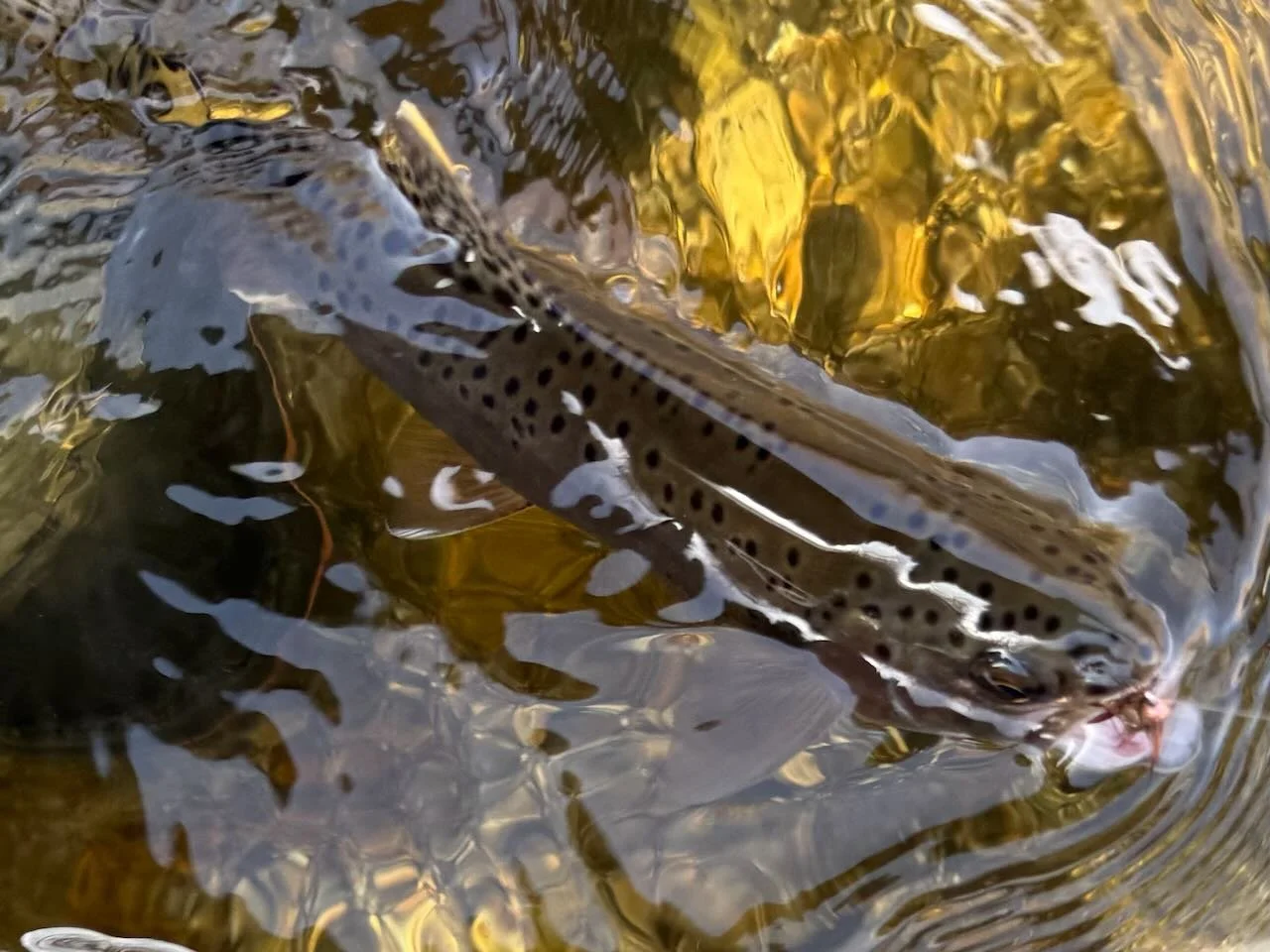
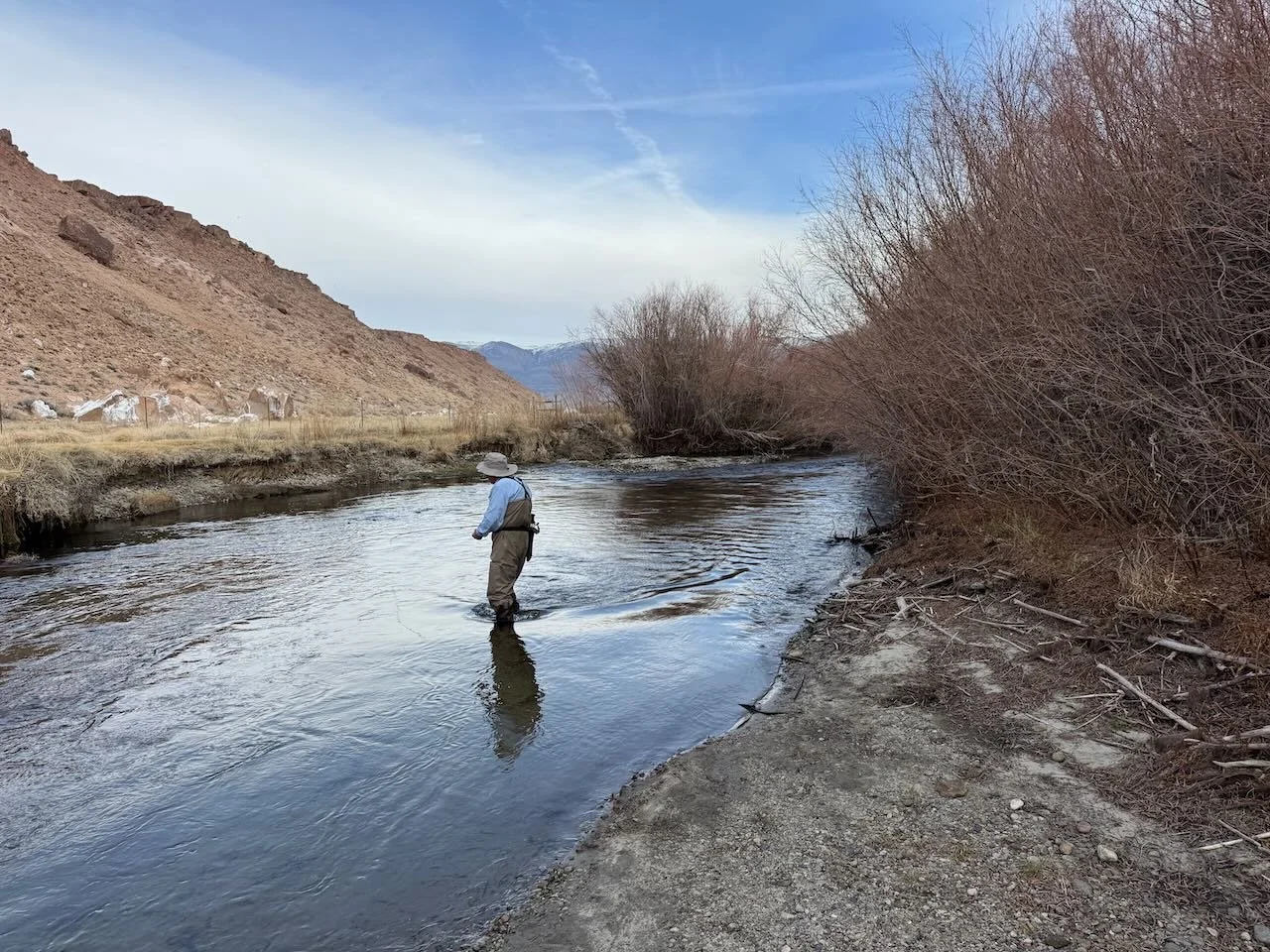
Sierra Bright Dot Fly Fishing Report 02-05-2026

The first half of February is caring on the above normal temperatures and no precipitation that January brought to the Eastern Sierra. Looks like things might change the second half of February. As more sunlight per day slowly heats up the Eastern Sierra hatches of mayflies, stoneflies and caddis will be feeding the trout of the Eastern Sierra. Nymphing will continue to produce lots of trout. Hatches will intensify and bring trout to the surface. Snow is melting with the heat and we definitely need moisture in the form of snow and rain to get through the summer.

Rainbows and brown trout are feeding on mayflies, stoneflies and caddis as we move through the month of February.

Lower Owens River

Wild Trout Section:

This Saturday February 7, 2025 is the Trout Rodeo. Most of the participants will be fly fishing and spin fishing on the Owens River. It’s time to get off the beaten path and find the secluded spots others pass up. Find spots at each parking area on the river that most fly fishers pass by. Cast to those spots that are hard to reach asking you to snag and loose your flies. There are fish in these sports that most fly fishers pass by. With the warmer weather and the sun being out longer the mayfly hatch mid-day is intensifying to the point that more fish are feeding on the surface. On the surface fish with size 18 Adams parachutes, size 18 blue wing olive parachutes, size 18 olive sparkle duns, size 20 parachute midge emergers, size 20 CDC midges and size 20 Griffiths gnats. Nymphing continues to be the most productive method of fly fishing the river. Wade upstream concentrating on pools below riffles and deep runs. In these areas fish with size 16 Duracell’s, size 16 Frenchie’s, size 14 copper John’s, size 12 stoner nymphs, size 18 bead head flash back pheasant tail nymphs, size 18 olive quilldigons, size 18 brassies, size 18 green/gold wire brassies, size 18 thread midges in olive, zebra and tiger coloration.

Nymphing with a Euro rig or an indicator rig is producing wild rainbow and brown trout from six to 12 inches.

Hot Creek

Interpretive Site:

Time and warmth has more fly fishers accessing the creek and forming a path to walk out to the interpretive site. With the warmer weather and lengthening sunshine each day look for blue wing olive mayflies to hatch late morning to early afternoon. Fish with size 20 Adams parachutes, size 20 blue wing olive parachutes and size 20 sparkle duns. For the midge hatch fish with size 20 CDC midges, size 20 midge emergers and size 20 Griffiths gnats.

Looks like time to get the skis ready to hit Hot Creek as the storm door maybe opening.

Hot Creek

Canyon Section:

Solitude and wild trout are waiting for fly fishers willing to put in the effort to walk into the canyon sections of Hot Creek. Fly fishers will be rewarded with nymphing and dry fly fishing. Nymphing with a dry and dropper or Euro nymphing rig will produce the wild trout that are feeding in the riffles, holes and in the small lanes between the weed beds. Use size 20 tiger midges, size 20 zebra midges, size 20 soft hackle brassies, size 20 green/gold brassies, size 18 bead head baetis, size 18 Frenchie’s, size 18 olive quilldigons and size 18 bead head flash back pheasant tail nymphs to fool wild rainbows and brown trout to 14 inches. On the surface when the trout are consistently rising use a size 20 Adams parachute and a size 20 blue wing olive parachute.

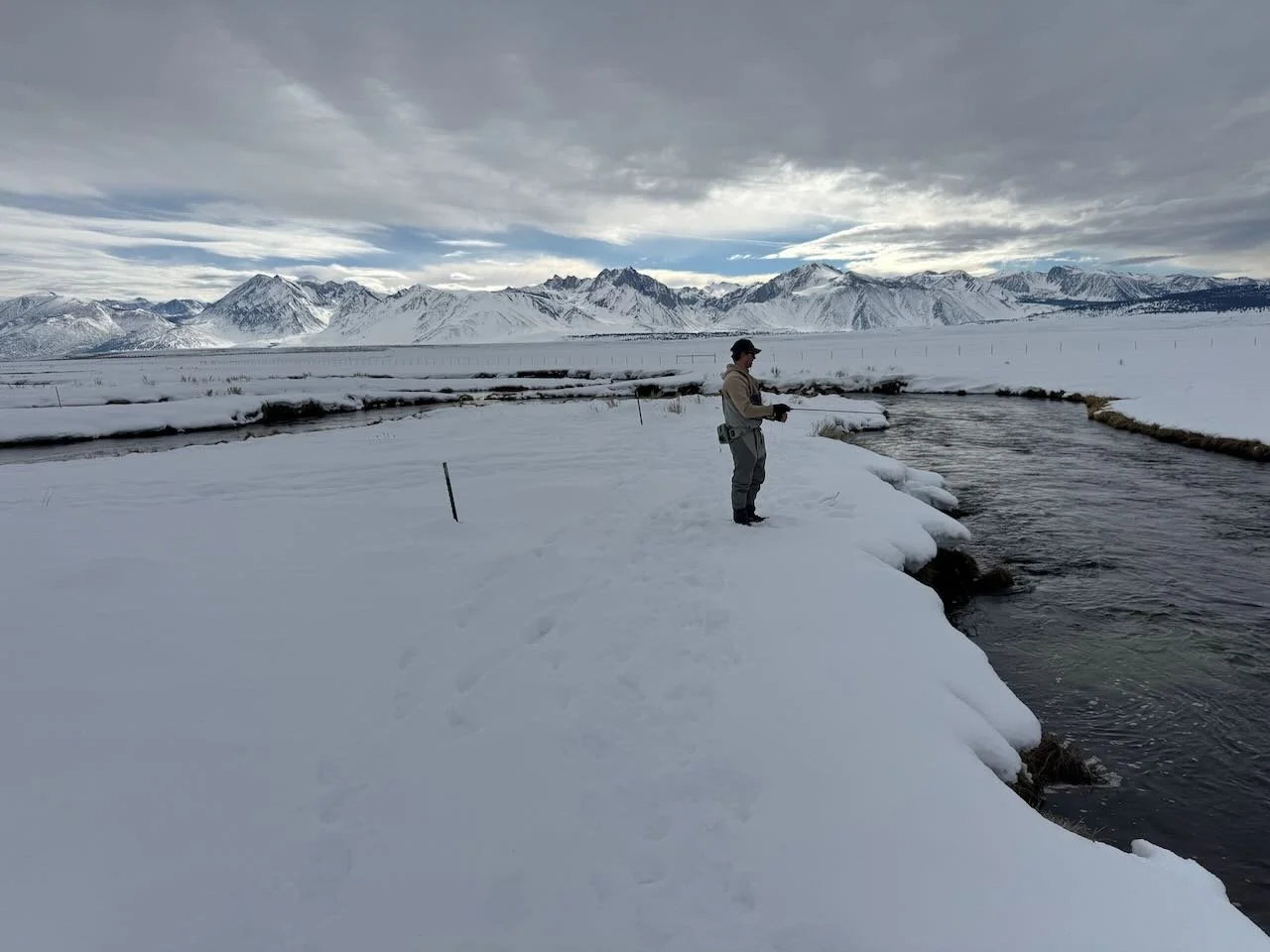
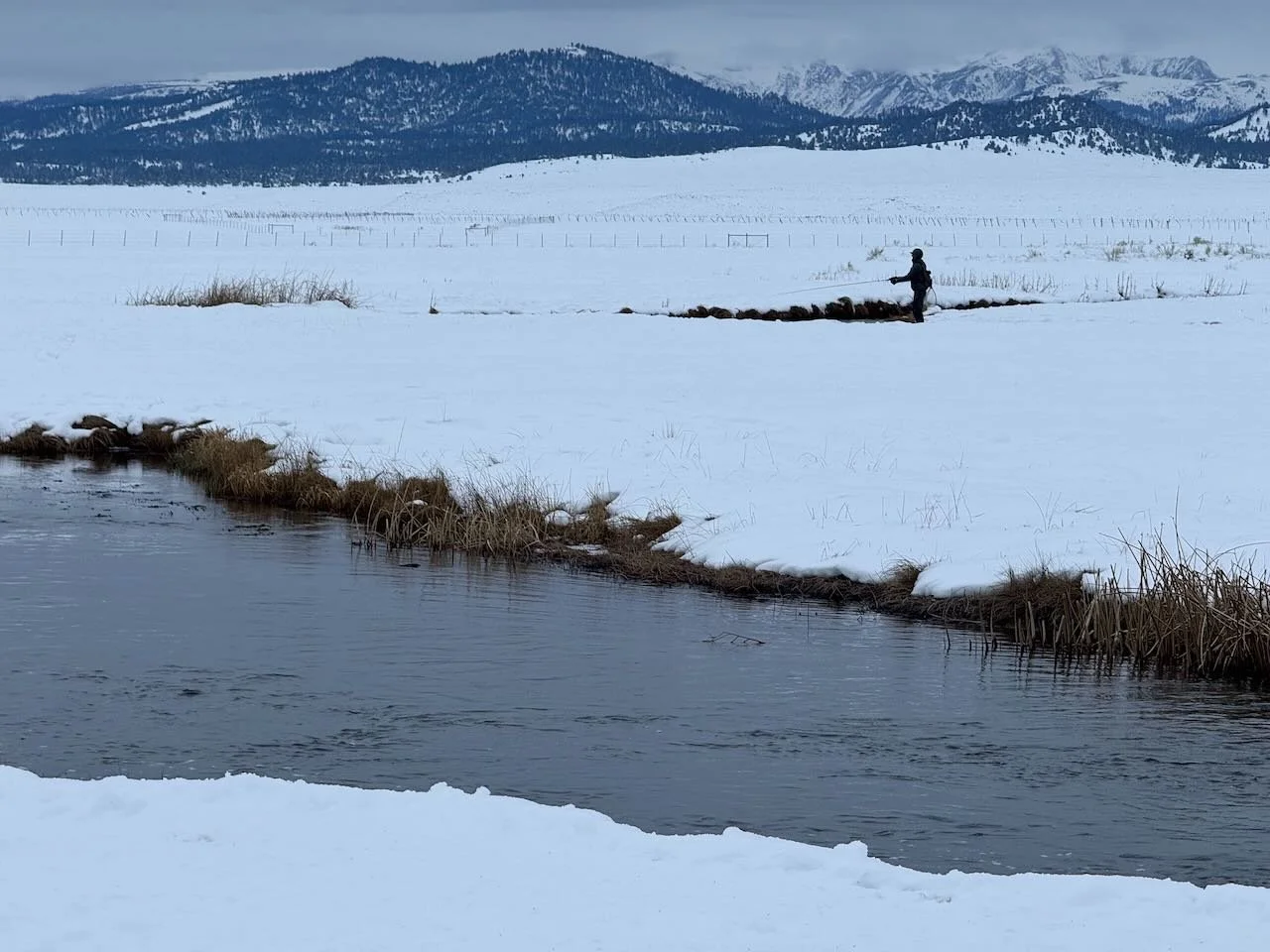
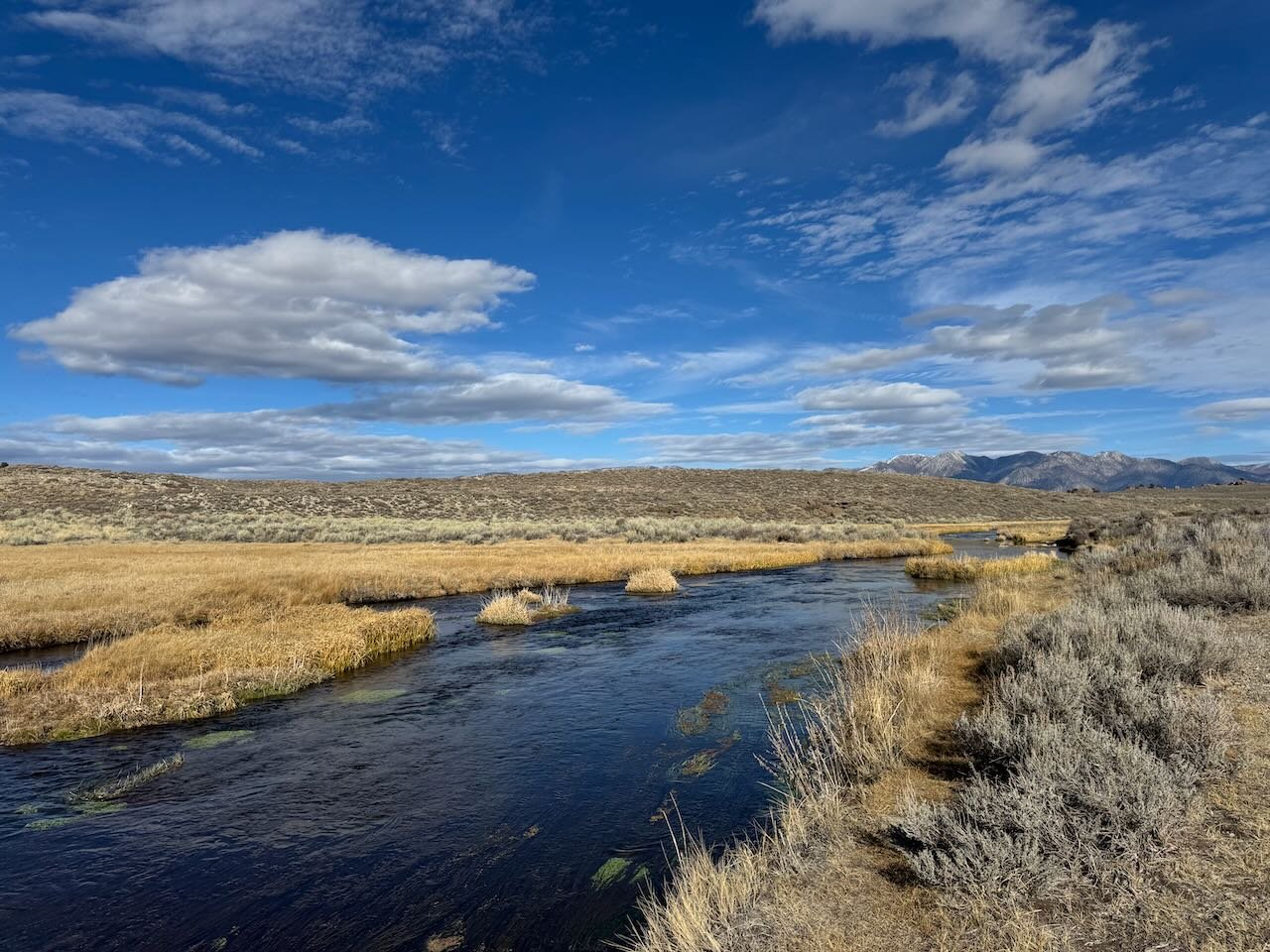
Upper Owens River offers good fly fishing for trophy rainbow trout for fly fishers willing to work the banks and walk through the snow on the banks of the upper Owens River.

Upper Owens River

Above Benton Crossing Bridge:

Snow is melting but fly fishers need four wheel drive vehicles with clearance to access the spur roads off the main dirt road. Parking at Benton Crossing Bridge and walking upstream is safer than getting stuck. Trophy rainbow trout can be found throughout the river in the deep holes, deep runs and cutbanks. Nymphing with enough weight in the flies or split shot on the tippet is necessary to get the flies bouncing on the substrate where the trout are feeding. Use size 12 stoner nymphs, size 12 green/gold wire Prince nymphs, size 12 Richard’s gold ribbed hare’s ear variation, size 14 tungsten tacos in pink and peach, size 14 glow bugs and size 10 mop flies in chartreuse, orange and cream to catch the trophy rainbow trout.

Nymphs and dries are producing six to 12 inch wild brown and rainbow trout in Bishop Creek Canal.

Bishop Creek Canal

Behind Bishop Veterinary Hospital:

Middle of the day there is a mayfly and midge hatch which the trout are coming to the surface to feed on the emerging insects. Use a size 20 CDC midge, size 20 midge emerger, size 20 Adams parachutes, size 20 blue wing olive parachutes and size 20 sparkle duns to fool the surface feeding trout. Nymphing continues to be the most productive fly fishing method in the canal. Use an indicator rig or a Euro nymph rig to present your flies to the trout feeding on the substrate and in the water column. Fish with size 18 olive quilldigons, size 18 Frenchie’s, size 16 rainbow warriors, size 12 stoner nymphs and thread midges in olive, zebra and tiger coloration.

Sierra Bright Dot Fly Fishing Report 01-29-2025

Another week of above normal temperatures to end January in the Eastern Sierra and no moisture on the horizon. If it’s not going to rain or snow at least it’s nice weather to be on the streams. Midges, stone flies and mayflies are the insects the trout are feeding on. Most of the fishing is with nymphs, but if you’re on the right water at the right time you will have some dry fly activity. Upper elevation snow is holding up as temperatures are hanging around 32 degrees. When heading out to fish be sure you are prepared for the conditions you are fly fishing in.

High elevation waters have snow and are offering good fly fishing and pretty winter scenery.

Lower Owens River

Wild Trout Section:

Finally seeing the effects of fly fishing pressure as fishing last week slowed down a little bit. Still catching fish, but not the wide open bite that it was last week. Nymphing with an indicator or a Euro rod has been the most effective method of fly fishing the river. Key to success is having the right amount of weight in your flies or as split shot on your tippet. With flows hovering around 100 CFS it is easy to wade the river right now except for those holes that are deeper than you are tall. Use size 12 stoner nymphs, size 14 copper John’s, size 18 thread midges in olive, zebra and tiger coloration, size 18 brassies, size 18 green/gold brassies, size 16 Frenchie’s, size 16 Duracell’s, size 18 olive quilldigons and size 18 bead head flash back pheasant tail nymphs to fool the wild rainbows and browns. Surface activity is not consistent and you need to be on the right hole to find consistently feeding trout mid-day. If you’re in the right hole when the fish come to the surface fish with a size 18 Adams parachute, size 18 blue wing olive parachute, size 18 olive sparkle dun, size 20 CDC caddis and size 20 Griffith’s gnat. With the short window of opportunity it’s hard to rerig the rod from nymphs to dries. If you have a second rod bring it with you rigged to take advantage of the mid-day blue wing olive hatch.

The lower Owens River has a few fish bigger than the eight to 12 inch trout that most anglers are catching.

Hot Creek

Interpretive Site:

Fly fishers accessing the Interpretive Site have to park on Hot Creek Hatchery Road and walk in over the snow which is two to three feet deep. Skis or snowshoes make it easier to access Hot Creek. You will have the water to yourself or share it with one or two fly fishers. The trout are taking nymphs and dries. Midges and mayflies are the insects the trout are keying in on. Use size 20 Adams parachutes, size 20 blue wing olive parachutes, size 20 olive sparkle duns, size 20 CDC midges and size 20 Griffiths gnats when the trout are feeding on the emerging insects. Nymphing with size 18 olive quilldigons, size 18 bead head flash back pheasant tail nymphs, size 20 green/gold brassies, size 20 soft hackle brassies, size 20 thread midges in zebra and tiger coloration is fooling the trout when there is no hatch.

Fly fishers wanting to access Hot Creek Interpretive site need to park on Hot Creek Hatchery Road and walk in over the snow to Hot Creek.

Hot Creek

Canyon Section:

Fly fishers wanting to access Hot Creek Canyon need to park on Hot Creek Hatchery Road at the winter closure area and walk in over the snow. Enough people have walked in to form a descent packed trail through the snow. It’s a good walk in from the parking area to the three parking lot access points into the Canyon Section of Hot Creek. For fly fishers willing to put in the effort to access Hot Creek Canyon you will be rewarded with solitude and wild trout that have not been pressured. Fish nymphs in the sections with the least amount of weeds. The weed beds are at their lowest, but they still snag nymphs that are fished in and around the weed beds. Fish with size 18 olive quilldigons, size 18 bead head flash back pheasant tail nymphs, size 18 Frenchie’s, size 18 bead head baetis, size 20 tiger midges, size 20 zebra midges, size 20 soft hackle brassies and size 20 green/gold brassies to fool wild brown and rainbow trout from eight to 14 inches. Carry a few size 20 blue wing olive imitations if there is a hatch.

Success on the upper Owens River in winter requires fly fishers to cover lots of snow covered river banks in search of the trophy rainbow trout that will take nymphs in the deep holes, deep runs and cut banks.

Upper Owens River

Above Benton Crossing Bridge:

There is vehicle access from Benton Bridge upstream on the dirt roads. If you wander above Benton Crossing Bridge area in your vehicle you better have a high clearance four wheel drive vehicle. A lot of fly fishers are parking at the first pull out above Benton Crossing Bridge and are walking up stream to fly fish. There are trophy rainbow trout throughout the upper Owens River system. Look for the fish in the deep holes, deep runs and cut banks. Nymphing with size 12  stoner nymphs, size 12 green/gold Prince nymphs, size 12 Richards gold ribbed hare’s ear variation, size 14 copper John’s, size 18 olive quilldigons and size 18 bead head flash back pheasant tail nymphs will fool the trophy rainbow trout in the river right now. A lot of fly fishers like to fish with attractor type flies like mop flies, squirmy wormies and egg patterns. On certain days these flies produce the trophy trout.

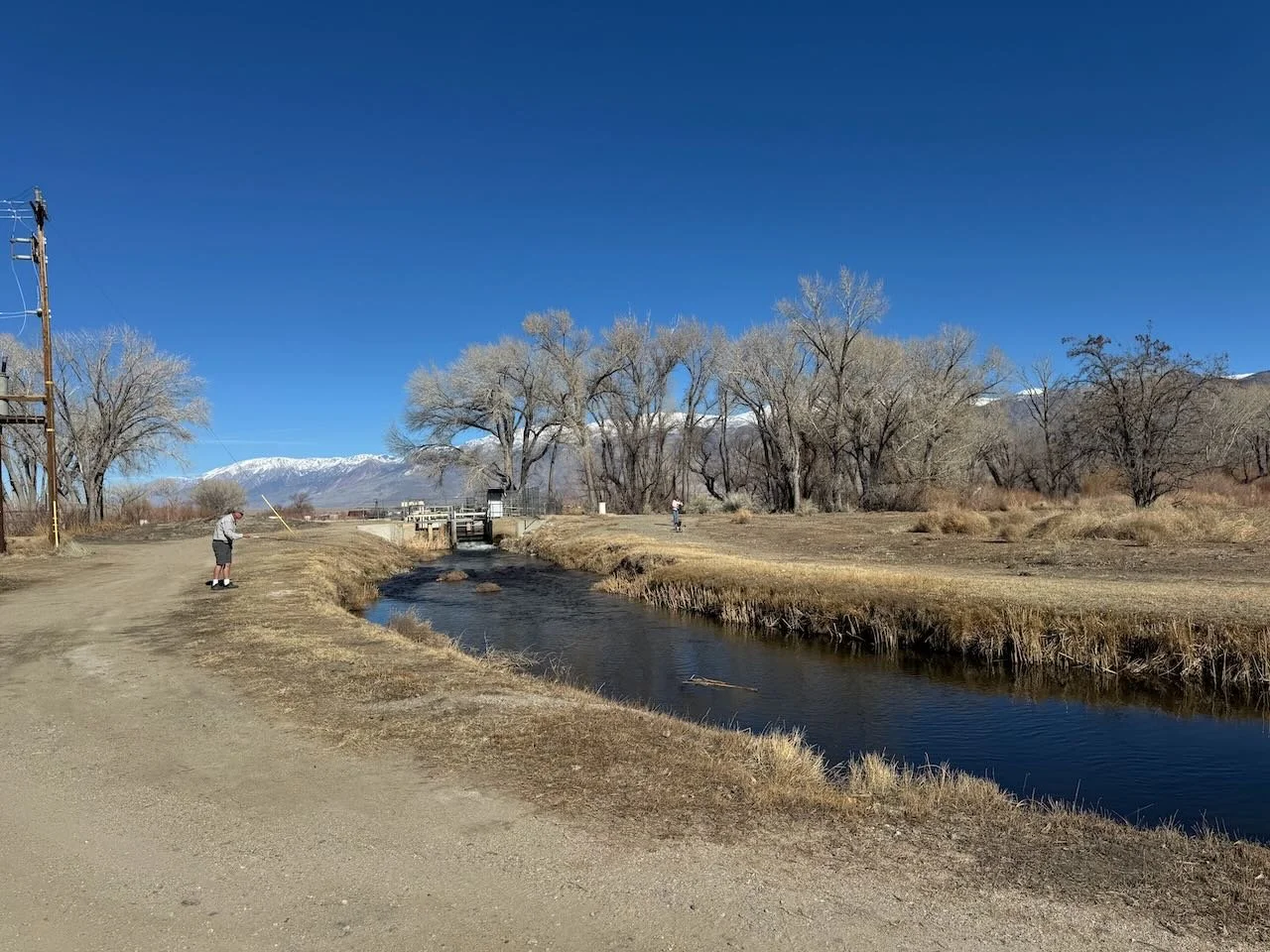
It has been warm enough middle of the day to fish dry flies and wear shorts when fly fishing Bishop Creek Canal.

Bishop Creek Canal

Behind Bishop Veterinary Hospital:

Owens Valley temperatures middle of the day have been very pleasant with a few anglers wearing shorts when fly fishing the canal. Mid-day fly fish the surface with size 20 Adams parachutes, size 20 blue wing olive parachutes, size 20 midge emergers and size 20 Griffiths gnats to fool the surface feeding trout. Before and after the hatch fish with size 18 bead head flash back pheasant tail nymphs, size 18 olive quilldigons, size 18 Frenchie’s, size 20 thread midges in olive, zebra and tiger coloration. Fly fishers are catching wild and hold over stocked rainbows from six to 12 inches.

Sierra bright Dot Fly fishing Report 01-22-2026

Warm weather has made it nice to be on the water in the Eastern Sierra. Mornings and evenings are cool to cold, but middle of the day has been very pleasant. Insects have been most active middle of the day and trout have been feeding on mayflies, stoneflies and midges on the substrate and on the surface. Day time temperatures have not been warm enough for a significant snow melt at upper elevation waters. When visiting upper elevation waters be prepared with the right equipment to get you out of the snow if you get stuck and supplies to allow you to spend the night if you’re stuck.

Warm days and snow in the mountains makes the Eastern Sierra the perfect place for a winter fly fishing outing.

Lower Owens River

Wild Trout Section:

Active insects, middle of the day warmth and trout taking nymphs and dries make fly fishing the lower Owens River perfect right now. You have to be on the right hole middle of the day to find enough rising trout to the blue wing olive mayfly hatch to fish with dry flies. Rerigging from a nymph to a dry fly quite often takes up more time than the blue wing olive hatch is on the water. Carrying two rods is a problem, but makes it easy to switch from nymphs to dries and back to nymph fishing. Size 18 sparkle duns, size 18 blue wing olive parachutes and size 18 Adams parachutes are fooling the mid-day rises of rainbows and browns to the hatching blue wing olive mayflies. Nymph fishing has been the most productive way of fly fishing the river right now. Under an indicator use size 18 bead head flash back pheasant tail nymphs, size 18 olive quilldigons, size 16 Duracell’s, size 16 Frenchie’s, size 12 and 14 stoner nymphs, size 18 green/gold brassies, size 18 brassies and size 18 midges in olive, zebra and tiger colorations. With a Euro rig use a three fly rig of a size 18 olive quilldigon, size 12 stoner nymphs and a size 18 Frenchie.

Nymphing with a size 18 bead head flash back pheasant tail nymph six feet under an indicator produced several wild rainbow and brown trout for Dylan Simchowite of Laguna Beach for his first nymphing outing on the lower Owens River.

Hot Creek

Interpretive Site:

Snow is still limiting access to Hot Creek Interpretive site. Snow shoes will make the hike in over the snow easier. For those willing to put in the effort to access the Interpretive Site will be rewarded with hatches of blue wing olive mayflies and midges. Fishing mid-day will find the insects most active. Fish with size 20 sparkle duns, size 20 Adams parachutes, size 20 blue wing olive parachutes, size 20 CDC midges and size 20 Griffith’s gnats. A drag free drift and a good hook set is needed to hook the surface feeding wild trout of Hot Creek. Fishing a dry and dry rig makes it easier for most fly fisher to detect a hit from the trout taking size 20 and smaller dry flies. For the large fly in a dry and dry rig use a size 16 Adams parachute, size 14 stimulator and  size 12 Chernobyl ants

Walking in over the snow can be done, but using snow shoes will make it an easier hike in to access the Interpretive site of Hot Creek.

Hot Creek

Canyon Section:

It takes a lot of effort right not for fly fishers to access the Canyon Section of Hot Creek. To access the canyon park at the winter closure. Be sure not to park in front of Hot Creek Ranch. The trail into the canyon has 12 to 36 inches of snow. For the few fly fishers willing to walk into the canyon they will find few if any fly fishers fishing. The wild rainbows and browns are feeding and will take nymphs and dries. Fish the surface in the canyon if there are lots of trout rising otherwise nymphing is the most productive method. Fish in the open areas as much as you can which are the riffles and deep holes. The weed beds are at their smallest, but still make it hard to nymph in them. Use size 18 green/gold brassies, size 18 brassies, size 18 zebra midges, size 18 tiger midges, size 18 Croston’s bead head baetis, size 18 Frenchie’s, size 18 bead head flash back pheasant tail nymphs and size 18 olive quilldigons.

Early mornings and late afternoons are cold on the upper Owens River which is producing trophy rainbow trout for fly fishers fishing nymphs in the deep holes, deep runs and cutbanks. Photo by Kim Espinosa @visistmammoth

 Upper Owens River

Above Benton Crossing Bridge:

Caution is needed to drive the dirt roads accessing the upper Owens River above Benton Crossing Bridge. The roads are drivable, but it is easy to get stuck. There are trophy rainbow trout in the system in the deep holes, deep runs and cutbanks. Fish with size 12 stoner nymphs, size 12 green/gold Prince nymphs, size 12 Richard’s gold ribbed hare’s ear variation, size 18 olive quilldigons and size 16 hot spot pheasant tail nymphs. In order to land trophy trout the fly fisher needs to know how to fight trophy trout. On the initial hook up just keep the rod tip up and line taught. If the fish comes to you bring in line. If the fish swims away from you let fly line out through your fingers until the line is on reel. Try to keep the fish in front of you with no more than 20 feet of fly line, leader and tippet from the rod to the fish. When the fish moves up or down the stream follow it keeping tension in the line. Turn the rod sideway if you need to keep the fish from running under the bank. When the fish has tired slide it towards you to land it. Trophy trout take a lot of skill and luck to land.

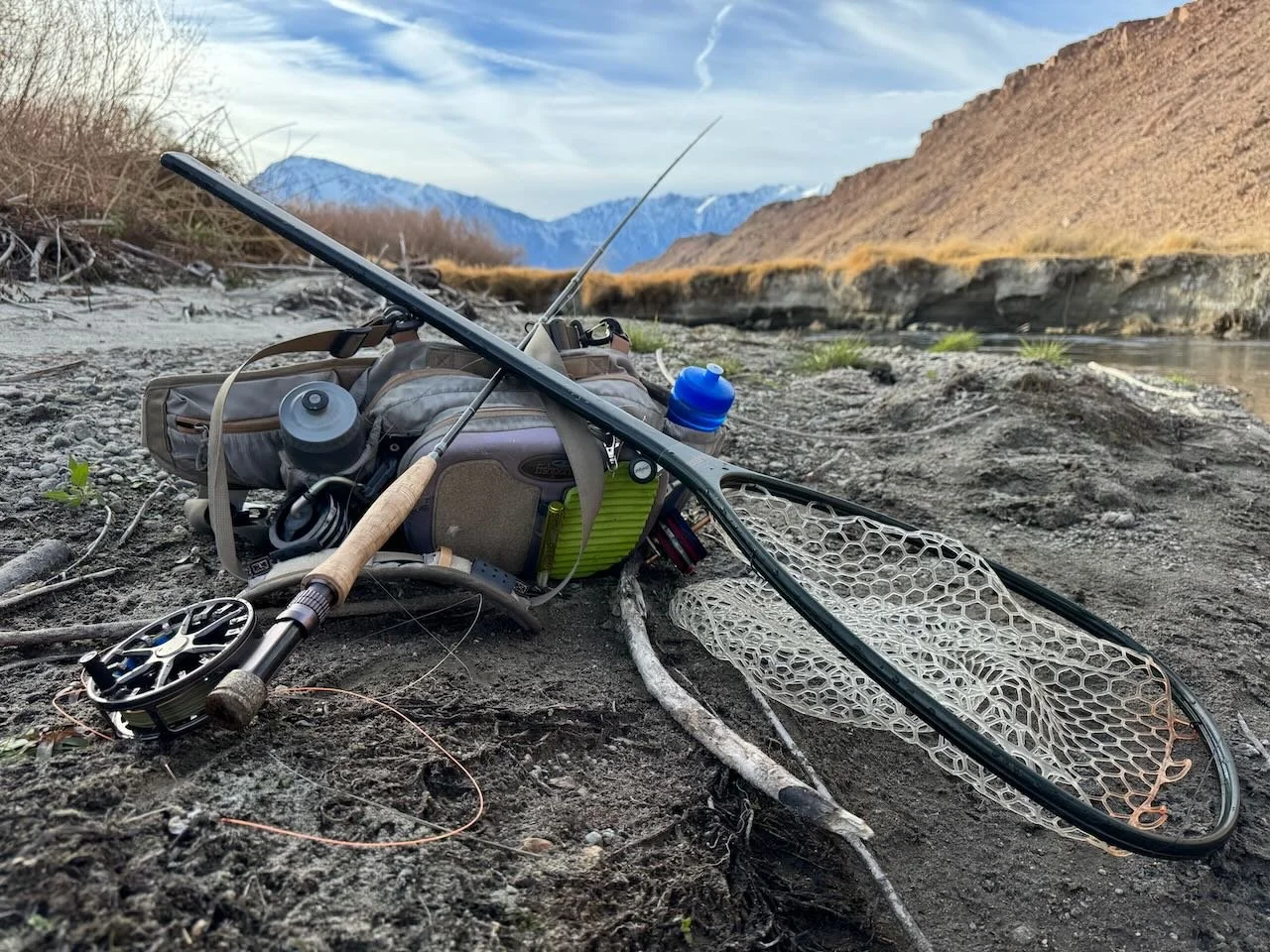
Fishing with a Tenkara rod on Bishop Creek Canal require the fly fisher to sneak up on the spooky trout that are feeding on emerging mayflies and midges.

 Bishop Creek Canal

Behind Bishop Veterinary Hospital:

Mid-days have been warm on the canal. Trout have been coming to the surface to feed on emerging mayflies and midges. On the surface fish with size 20 Adams parachutes, size 20 blue wing olive parachutes, size 20 sparkle duns, size 20 Kling Hammers, size 20 foam midge emerger and size 20 CDC midges. Nymphing continues to produce wild rainbows and browns to 12 inches. Use size 18 bead head flash back pheasant tail nymph, size 18 olive quilldigons, size 20 olive midge emergers, size 20 tiger midges and size 20 zebra midges. The trout are spooky and fly fishers need to use stealth when approach the trout of Bishop Creek Canal.

Sierra Bright Dot Fly Fishing Report 01-15-2026

Warm weather is going to be here for a while. Middle of the day will offer good fly fishing opportunities in Eastern Sierra waters. Midges and mayflies are hatching and trout are feeding on them on the substrate and on the surface. There is still lots of snow to deal with in the Long Valley area. Layers are the norm for fly fishing the waters of the Eastern Sierra as one moment you need a jacket and an hour later you’re in a T-shirt.


High elevation waters are covered in snow with temperatures 10 to 30 degrees cooler than the waters of the Owens Valley. Photo by Kim Espinosa @visistmammoth

Lower Owens River

Wild Trout Section:

Roads are drying out. Insects are hatching. Weather is perfect with mid-day temperature 10 degrees above normal. If you are in the right hole mid-day there will be blue wing olive mayflies hatching and trout feeding on size 18 blue wing olive parachutes, size 18 Adams parachutes and size 18 olive sparkle duns. Nymphing is the most productive way of fly fishing the lower Owens River. Wading upstream casting with a Euro rig or under an indicator rig with size 18 olive quilldigons, size 18 bead head Flash back pheasant tail nymphs, size 16 Duracell’s, size 16 Frenchie’s, size 12 stoner nymphs, size 18 green/gold brassies and size 18 midges in zebra and tiger colorations is producing wild rainbows and browns from six inches to 16 inches.

Switching to a dry fly middle of the day will produce trout on the surface if you’re in the right hole during the mid-day hatch of blue wing olive mayflies.

Hot Creek

Interpretive Site:

Twenty to 36 inches of snow on the road out to the Interpretive Site makes access tough without cross country skies or snow shoes. For fly fishers willing to put in the effort to access the Interpretive Site of Hot Creek they will find trout feeding on the surface when the blue wing olive mayflies and midges are hatching. Fish with size 20 Adams parachutes, size 20 blue wing olive parachutes, size 20 olive sparkle duns, size 20 CDC midges and size 20 Griffiths gnats. Nymphing the deeper holes with size 18 olive quilldigons, size 18 bead head flash back pheasant tail nymphs, size 20 green/gold brassies, size 20 tiger midges and size 20 zebra midges is producing wild trout.

While there are tire tracks on the road out to the geothermal site of Hot Creek walking out to the canyon with snow shoes is better than walking through the knee deep snow or getting your vehicle stuck.

Hot Creek

Canyon Section:

The snow is 18 to 36 inches deep on the road out to the geothermal site and not enough vehicles have driven out to pack down the snow. Cross country skis or snowshoes offer the best access to the canyon. The big advantage to winter fly fishing on Hot Creek is the solidarity that is offered to fly fishers willing to make the trek into the canyon. As the weed beds continue to break down fly fishers will find more water accessible to fly fish. Nymphing with size 18 olive quilldigons, size 18 bead head flash back pheasant tail nymphs, size 18 Frenchie’s, size 18 Croston’s bead baetis, size 18 green/gold brassies, size 18 soft hackle brassies, size 18 tiger midge and size 18 zebra midges is fooling trout feeding on the substrate. Nymphing is the most productive method, but when the fish feed on the surface be sure to have some size 20 blue wing olive parachutes and size 20 Adams parachutes to fool the surface feeding trout.

Cold temperatures on the upper Owens River requires fly fishers to bundle up when nymphing the deep holes, deep runs and cut banks for trophy trout. Photo by Kim Espinosa @visistmammoth

Upper Owens River

Above Benton Crossing Bridge:

The dirt roads above Benton Crossing Bridge are accessible for four wheel drive vehicles that have lots of clearance. A lot of fly fishers are parking at the first parking lot above the bridge and walking up stream looking for the trophy rainbow trout that are in the river. Work nymphs in the deep holes, deep runs and cut banks with size 12 stoner nymphs, size 12 green/gold Prince nymphs, size 12 Richard’s variation of a gold ribbed hare’s ear, size 14 copper John’s, size 18 olive quilldigons and size 18 bead head flash back pheasant tail nymphs will produce trophy rainbows and resident trout. Squirmy wormies in size 14, peach tungsten tacos in size 14 and size 10 mop flies are flies that produce trophy trout for a lot of fly fishers working the upper Owens River for trophy trout.

Euro nymphing, indicator nymphing and dry fly fishing is producing rainbow and browns to 12 inches on Bishop Creek Canal.

Bishop Creek Canal

Behind Bishop Veterinary Hospital:

Trout rising mid-day are feeding on hatching midges and mayflies. Fish with size 18 Adams parachutes, size 18 blue wing olive parachutes, size 20 Griffith’s gnats and size 20 CDC midges for the rising trout. Nymphing with size 12 stoner nymphs, size 16 Frenchie’s, size 18 olive quilldigons, size 18 bead head flash back pheasant tail nymphs, size 20 tiger midge pupae and size 20 zebra midge pupae is fooling the substrate feeding trout. Shadows cast by fly fishers can spook the trout so watch where your shadow lands on the water.

Sierra Bright Dot Fly Fishing Report 01-08-2026

The storms came through last weekend and left most of the snow in the mountain tops. Long Valley waters got some new snow, but not a lot of it. Eastern Sierra roads are anywhere from undrivable due to snow to drivable with mud and puddles. The suns out and the Sierra is expected to warm up to slightly above average temperatures. Do we have another heat wave coming? Time will tell. Still carry layers so you can handle cold to warm temperatures. Not expecting shorts weather yet, but you can carry them just in case. Mayflies and midges are feeding trout on the substrate and in a few spots on the surface.

Winter is a time to be warm in the Owens Valley and bundled up in higher elevations waters covered in snow.

Lower Owens River

Wild Trout Section:

Roads are drivable, but there are puddles and a few muddy spots to contend with. Nymphing continues to be the most productive method of fly fishing the lower Owens River. Fish with size 18 olive quilldigons, size 18 bead head flash back pheasant tail nymphs, size 16 Frenchie’s, size 16 Duracell’s, size 16 bead head flash back gold ribbed hare’s ears, size 12 stoner nymphs, size 18 green/gold brassies, size 18 tiger midges and size 18 zebra midges on the substrate with enough weight in the flies or with additional weight as split shot to bounce off the substrate. Mid-day in the right hole you may find a few consistent rising browns and rainbows willing to take a drag free drifted size 18 Adams Parachute, size 18 blue wing olive parachute and size 20 CDC midge.

Wading upstream casting your nymphs or dries up or up and across will produce five to 12 inch wild rainbows and brown trout.

Hot Creek

Interpretive Site:

There is still enough snow on the ground to keep vehicles from accessing the Interpretive site of Hot Creek. Fly fishers will have to park on Hot Creek Hatchery Road and walk in. A mid-morning midge hatch with a few blue wing olive mayflies hatching is bringing trout to the surface. Fish with a size 20 CDC midge, size 20 Griffiths gnat, size 20 blue wing olive parachute and a size 20 Adams parachute. Nymphing the deeper holes with size 20 bead head flash back pheasant tail nymphs, size 20 olive quilldigons, size 18 Frenchie’s, size 18 green/gold brassies, size 18 brassies, size 18 tiger midges, and size 18 zebra midges will fool the fish feeding on the substrate.

Fly fishers wanting to access Hot Creek Interpretive Site will need to park on Hot Creek Hatchery Road and walk in over the snow covered road.

Hot Creek

Canyon Section:

There are tire tracks out to the geothermal area. I would drive out there with caution and only in a four wheel drive with good clearance. You can park at the winter closure area, but do not park in front of Hot Creek Ranch. For those willing to access the canyon will find solitude fly fishing as few fly fishers are willing to put in the effort to access the canyon sections of Hot Creek. For those willing to make it into the canyon fish with nymphs in the deeper holes and gravel sections without weeds. The trout are taking size 18 zebra midges, size 18 tiger midges, size 18 brassies, size 18 green/gold brassies, size 18 olive quilldigons and size 18 bead head flash back pheasant tail nymphs. Carry a few size 20 Adams parachutes, size 20 blue wing olive parachutes, size 20 CDC midges and size 20 Griffiths gnats for that mid-day dry fly hatch if it materializes.

Fly fishers can drive out to the upper Owens River and the sun is expected to be out starting this weekend.

Upper Owens River

Above Benton Crossing Bridge:

Enough vehicles have driven the dirt road above Benton Crossing Bridge to allow vehicle access. The farther up the main dirt road and on the spur roads there has not been as much vehicle traffic to pack down the snow. Four wheel drive with good clearance is needed to access the snow covered dirt roads. For those fly fishers walking in or driving in the trophy rainbows trout are taking nymphs and streamers in the deep holes, deep runs and cutbanks. For nymphs use size 12 stoner nymphs, size 12 green/gold Prince nymphs, size 12 Richards gold ribbed hare’s ear variation, size 14 copper John’s, size 18 olive quilldigons, size 16 hot spot pheasant tail nymphs and size 16 tiger midges. Some days throwing worms, eggs and mop flies is what’s need to entice a hit from a trophy trout. Use size 14 peach tungsten tacos, size 14 peach glow bugs, red San Jaun worms in size 12, size 12 squirmy wormies and size 10 mop flies. Nymphs need to be fished right on the substrate by using enough weight on the line as split shot or with the right size tungsten bead.

Nymphing mid-day to late afternoon under an indicator or with a Euro rod is producing wild rainbows and brown trout.

Bishop Creek Canal

Behind Bishop Veterinary Hospital:

With the low water the trout have moved into the deeper holes or faster sections of deeper riffles. Nymphing under an indicator or with a Euro rig with size 18 olive quilldigons, size 12 stoner nymphs, size 16 Frenchie’s, size 18 bead head flash back pheasant tail nymphs, size 18 tiger midges, size 18 olive midges and size 18 zebra midges is producing wild rainbows and browns. Watch your shadow as it’s cast onto the water starting in early afternoon and will spook fish.

Sierra Bright Dot Fly Fishing Report 01-01-2026

Winter roared in last week. Gave us a few sunny days to dry out and dig out. Round two is starting off the new year with a series of storms not expected to deliver a lot of snow or rain. Upper elevation waters will need to be reevaluated after the storms for accessibility. Owens Valley dirt roads have not thoroughly dried out and this rain will just add to the mud puddles. December’s heat wave is over and it’s acting like winter weather. Fly fishers will need to be wearing layers when on the waters in the Eastern Sierra. When the storms move out the fishing will return to normal fly fishing conditions. Hatches of midges and mayflies are feeding the trout on the substrate with a few fish feeding on the surface taking the hatching insects. Happy New Years from Sierra Bright Dot.

It's winter time in the Eastern Sierra with snow in the mountains and fly fishing opportunities throughout the Eastern Sierra.

Lower Owens River

Wild Trout Section:

A few trout are rising to hatching blue wing olives middle of the day. These trout will take a size 20 blue wing olive parachute, a size 20 Adams parachute and a size 20 Griffith’s Gnat. Most of the success is coming from nymphing on the substrate under an indicator or with a Euro nymphing rig. Fish with size 18 olive quilldigons, size 18 bead head flash back pheasant tail nymphs, size 18 Frenchie’s, size 16 bead head flash back gold ribbed hare’s ears, size 18 Duracell’s, size 12 stoner nymphs, size 18 green/gold brassies and size 18 thread tiger and zebra midges. River levels are perfect for wading up stream casting nymphs and dries to trout holding spots. Fly fishers wading upstream are only limited to pools that are deeper than the fly fisher is tall.

Snow on the Mountains, rainbow and brown trout willing to take nymphs and dries on the wild trout section of the lower Owens River makes it a great winter fishery.

Hot Creek

Interpretive Site:

Access to Hot Creek Interpretive site is limited to parking on Hot Creek Hatchery Road and walking in through the snow. Trout in the creek are feeding on nymphs and the occasional dry fly. Fish with size 20 blue wing olive parachutes, size 20 Adams parachutes, size 20 Griffith’s gnats and size 20 CDC midges. Nymph with size 18 olive quilldigons, size 18 bead head flash back pheasant tail nymphs, size 18 Frenchie’s and size 20 thread midges in zebra and tiger coloration. Access should be the same after this week’s storms as they are not expected to bring much in the way of snow accumulation in the Hot Creek area. Once one vehicle drives into the Hot Creek Interpretive parking area other vehicles will follow.
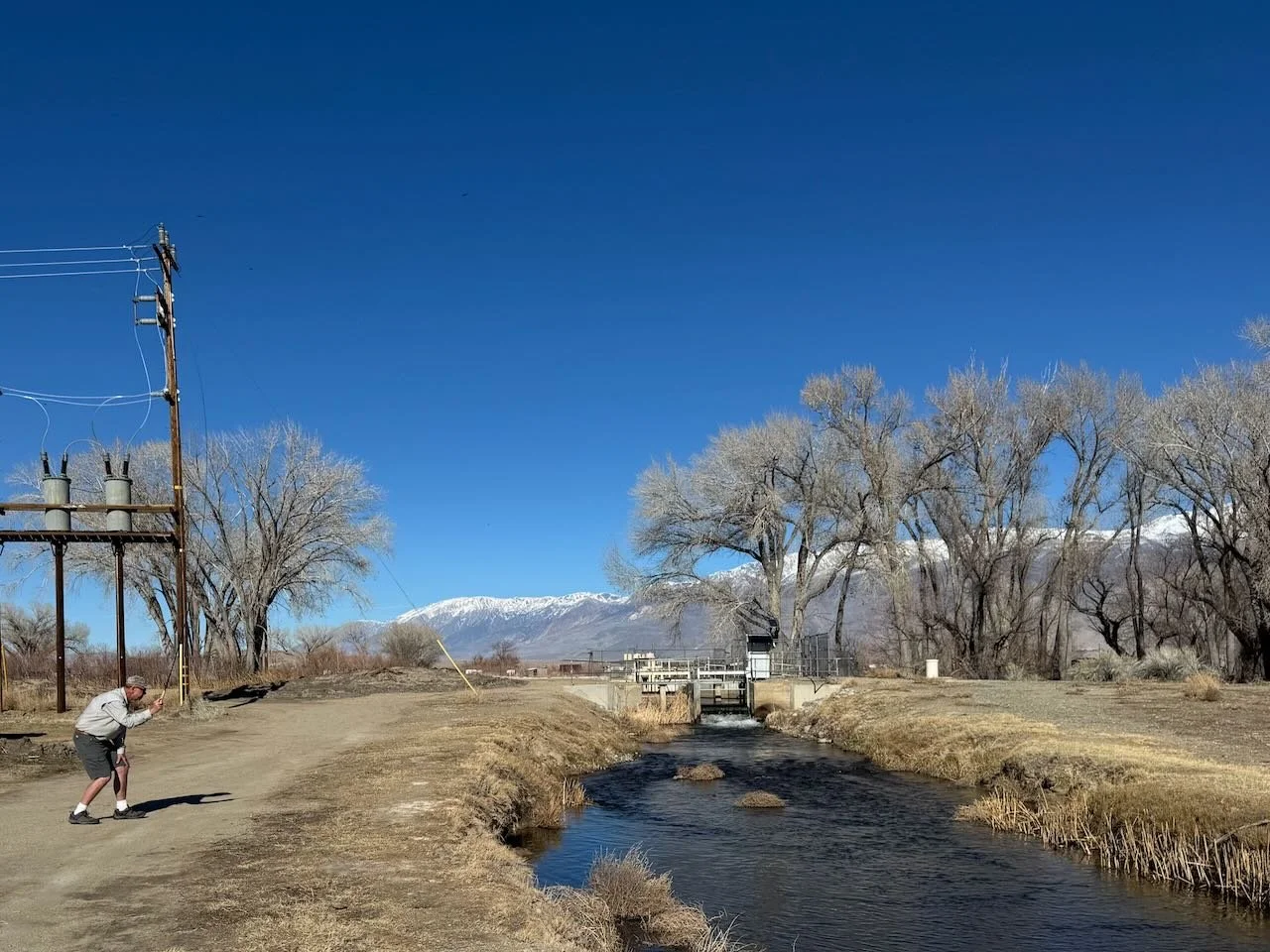
Time to park at the winter closure sign and walk into Hot Creek Canyon and remember not to park in front of Hot Creek Ranch.

Hot Creek

Canyon Section:

Fly fishers looking to access the canyon section of the creek will be  walking in over the snow starting at the winter closure sign. Be sure not to park in front of the Hot Creek Ranch drive way. You will be towed away if you park there. The cold weather is helping break up the weed beds in the canyon. Nymphing in the open water sections will produce eight to 14 inch wild rainbows and brown trout. Nymph with size 18 Frenchie’s, size 18 bead head flash back pheasant tail nymphs, size 18 olive quilldigons, size 20 green/gold brassies and size 20 thread midges in tiger and zebra coloration on the substrate. Access should be the same after this week’s storms as they are not expected to bring much in the way of snow accumulation in the Hot Creek area.

The upper Owens River with its winter coat of snow is not keeping fly fishers off the water looking for trophy trout.

Upper Owens River

Above Benton Crossing Bridge:

Snow on the dirt roads out to the upper Owens River is limiting access to four wheel drive vehicles with high clearance. The main dirt road is offering good access. The spur roads above the first gate have not been driven as much as the main road meaning there is more snow to drive through. Access to the upper Owens will need to be reevaluated after the next set of storms.  The trophy rainbows are in the system and feeding on nymphs, eggs, worms and mop flies. Use size 12 stoner nymphs, size 12 green/gold wire Prince nymphs, size 12 gold ribbed hare’s ears, size 16 hot spot pheasant tail nymphs, size 14 tungsten tacos, size 14 peach glow bugs and size 12 squirmy wormy in the deep holes, deep runs and cut banks under an indicator or with a Euro rig. Key to success is having the right amount of weight in the flies or on the line with additional weight in the form of split shot.

Bishop Creek Canal has cleared up and the trout are feeding on nymphs bounced of the substrate under an indicator or a Euro rig.

 Bishop Creek Canal

Behind Bishop Veterinary Hospital:

The water cleared up after the storms and nymphs are producing rainbows and browns. Euro nymphing is getting the nymphs down on the substrate where the trout are feeding on midges and mayfly nymphs. Fish with size 12 stoner nymphs, size 16 Frenchie’s, size 18 olive quilldigons, size 18 bead head flash back pheasant tail nymphs and size 18 thread midges in tiger and zebra coloration. It will take a day or two for the water to clear up after the next set of storms moves through the Owens Valley.

Sierra Bright Dot Fly Fishing Report 12-25-2025

The warm fall has come to an end. Christmas in the Sierra this year is a white one. Getting snow and lots more on the way. Looks like it will be cross country skis, snowshoes and snowmobiles to access the waters of Long Valley. Owens Valley is getting lots of rain. Dirt roads in the Owens Valley will be muddy for a week or two until they dry out. Midges and mayflies are the insects the trout are feeding on particularly the larval form of these insects. For those wishing for a white Christmas your gift has been delivered. Merry Christmas from Sierra Bright Dot.

For those that wished for a white Christmas you got your wish. Merry Christmas and Happy New Years from Sierra Bright Dot Fly Fishing Guide Service.

Lower Owens River

Wild Trout Section:

Trout continue to feed on mayfly, stonefly and midge nymphs. Working the tell end of the riffle as it dumps into the run is where you will find the trout feeding on nymph patterns. Fish with size 18 olive quilldigons, size 18 bead head flash back pheasant tail nymph, size 18 Frenchie’s, size 16 bead head flash back gold ribbed hare’s ears, size 16 Duracell’s, size 12 stoner nymphs, size 18 green/gold wire brassies and size 18 tiger and zebra midges. If you’re in the right spot middle of the day you will see trout rising. Switch to a size 18 blue wing olive parachute, size 18 Adams parachute, size 18 olive sparkle dun, size 20 Griffth’s gnats and size 20 CDC midges. Key to success is getting into the river and wading upstream working your nymphs and dries up and across and thoroughly covering the water before moving up stream about 10 feet to thoroughly cover the water as you fish upstream.
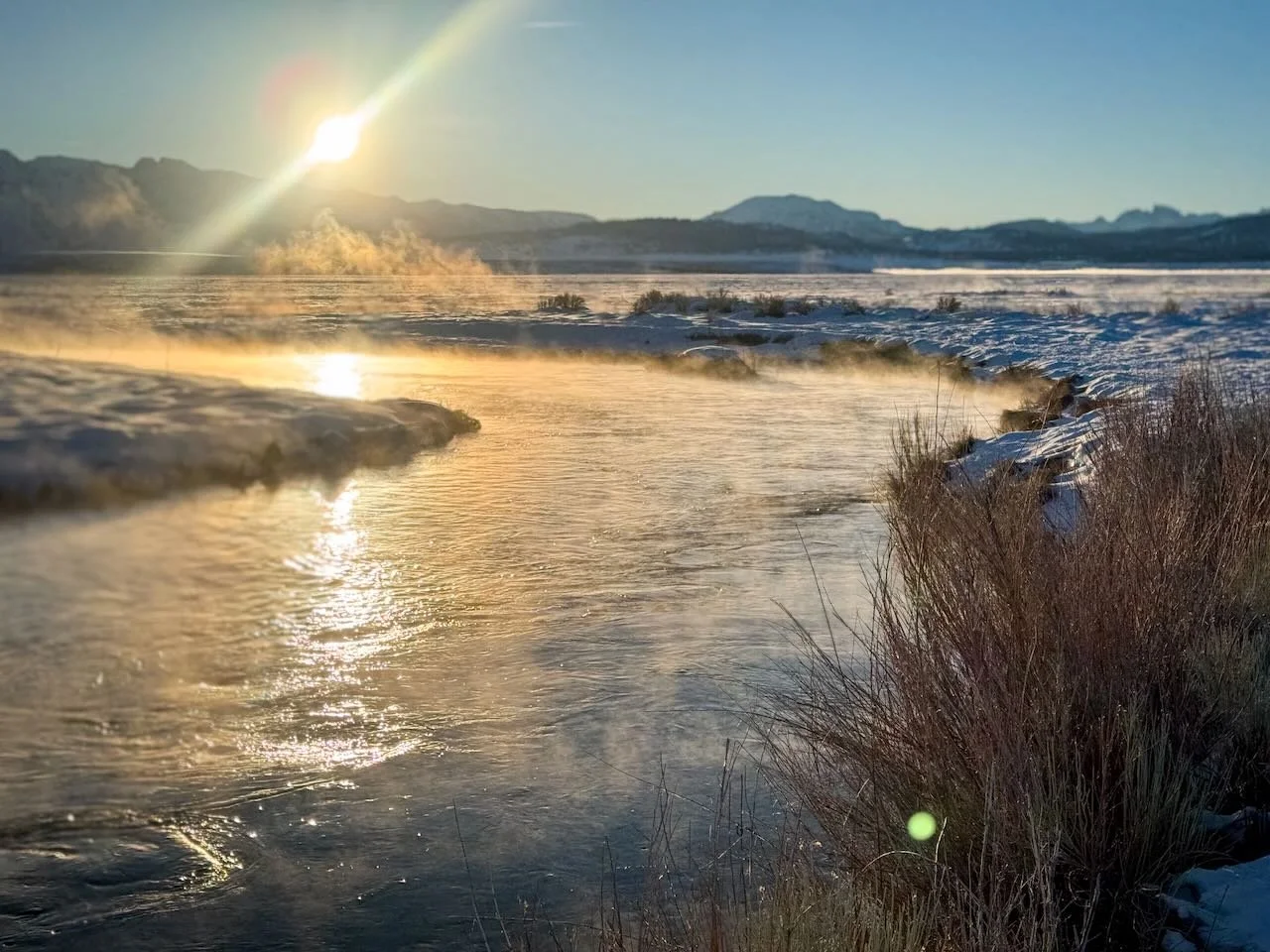
Wild brown trout to 14 inches is what fly fishers are catching in the lower Owens River in December when nymphing.

Hot Creek

Interpretive Site:

Snow in feet is filling the banks of Hot Creek. Come Saturday it will be time to count the total snow fall in feet from the Christmas storm. Access to Hot Creek will be limited to fly fishers willing to snow shoe or cross country ski into the Interpretive site from the paved Hot Creek Hatchery Road. For those willing to access the Interpretive Site nymphing and dry flies are producing wild rainbow and brown trout from six to 14 inches. For dry flies use size 20 Adams parachutes, size 20 blue wing olive parachutes, size 20 olive sparkle duns, size 20 CDC midges and size 20 Griffth’s gnats. For nymphs use size 18 olive quilldigons, size 18 bead head flash back pheasant tail nymphs, size 18 Frenchie’s, size 20 green/gold brassies and size 20 tiger and zebra thread midges

Before the Christmas storm Hot Creek Interpretive Site was accessible by vehicle and foot.

Hot Creek

Canyon Section:

The Canyon Section of Hot Creek will need some warmer weather to open up access to the creek. For those willing to make the trek to get into Hot Creek Canyon you will be rewarded with few to no fly fishers. The weeds are slowly dying off making it easier to fish nymphs in the canyon section. If you see consistent rising fish throw a size 20 blue wing olive parachute, size 20 Adams parachute, size 20 olive sparkle dun, size 20 CDC midge, size 20 Adams bastard midge and size 20 Griffiths gnat. For the nymphs use size 20 pheasant tail emerger,  size 18 olive quilldigon, size 20 green/gold brassies and size 20 thread midges in zebra and tiger coloration.

Its been a great fall on the upper Owens River, but now winter is here and the access is limited due to the accumulation of snow.

Upper Owens River

Above Benton Crossing Bridge:

Right up to the day before the storm hit the Eastern Sierra trophy rainbow trout were taking flies presented on a Euro rig or under an indicator. The trout were taking size 12 stoner nymphs, size 12 green/gold Prince nymphs, size 12 gold ribbed hare’s ears and size 16 hot spot pheasant tail nymphs. Egg patterns, worms and mop flies have been the patterns the trophy trout have been keying in on. A peach size 14 tungsten taco was the egg pattern that was producing all of the trophy trout. With the amounts of snow left on the ground by the Christmas snow storm fly fishers will need cross country skis, snow shoes or snowmobiles to access the upper Owens River deep holes, deep runs and cut banks upstream of Benton Crossing Bridge.

Bishop Creek Canal will be off color for a few days due to the amount of rain runoff that is flowing through the canal.

 Bishop Creek Canal

Behind Bishop Veterinary Hospital:

Nymphing before the storm with size 18 olive quilldigons, size 18 bead head flash back pheasant tail nymphs, size 16 green/gold brassies, size 12 stoner nymphs and size 18 thread midges in zebra and tiger colorations. It will take a few days for the runoff from the storm to move through the canal. This run off has the canal slightly higher than its been and off color. Once the canal clears up the fishing will pick back up for fly fishers nymphing with a Euro rig or under an indicator.

Sierra Bright Dot Fly Fishing Report 12-18-2025

Winter might show up in the Eastern Sierra just in time for Christmas. Maybe snow next week just before Christmas. For now the weather has been warm and the fish are rising and feeding on nymphs. It’s been T-shirt weather middle of the day on Owens Valley waters. Midges and mayflies are what the trout are feeding on, on the substrate and on the surface. Rain or snow might make access to Long Valley waters tough depending on how much snow or rain the area gets. Muddy or snow covered roads will inhibit access.

As we head into Christmas the warm weather fly fishing and trout feeding on the surface may be coming to an end.

Lower Owens River

Wild Trout Section:

T-shirt weather and trout feeding on midges and blue wing olive mayflies has made fly fishing the lower Owens River in December memorable. It’s rare to have such warm weather and hatches bringing the trout to the surface. Size 18 blue wing olive mayflies, size 18 Adams parachutes, size 18 olive sparkle duns, size 20 CDC midges and Griffiths gnats are fooling wild brown and rainbow trout on the surface. Nymphing has been very productive for trout from five inches to 16 inches. Size 18 bead head flash back pheasant tail nymphs, size 18 olive quilldigons, size 18 Frenchie’s, size 16 Duracell’s, size 16 gold ribbed hare’s ears, size 12 stoner nymphs, size 18 tiger and zebra midges are fooling the trout feeding on the substrate.

Kevin Botsford from Pasadena showing off a brown trout that took a size 18 bead head flash back pheasant tail nymph fished under an indicator.

Hot Creek

Interpretive Site:

Looks like the nice warm weather is about to come to an end. Next week could see some snow on Hot Creek. Too soon to say for sure what weather to expect. Mid-morning midge and mayfly hatches have the trout feeding on the surface. Fish with a size 20 CDC midge, size 20 Griffith’s gnats, size 20 Adams parachute and size 20 blue wing olive parachute to fool the surface feeding trout. Nymphing with size 12 stoner nymphs,  size 18 olive quilldigons, size 18 Frenchie’s, size 18 bead head flash back pheasant tail nymphs, size 20 tiger midges, size 20 zebra midges and size 18 green/gold brassies is fooling the wild rainbow trout, brown trout and Owens River suckers.

The first of a couple of storms expected to bring snow and rain to the Hot Creek area are blowing in to the Eastern Sierra.

Hot Creek

Canyon Section:

Hot Creek Canyon can be fished with nymphs, but the weed beds are still thick enough to make nymphing in and around the weed beds tough. For fly fishers willing to work their flies in and around the weed beds be ready for your flies to get stuck. There are good numbers of trout hanging out in and around the weed beds willing to take size 18 olive quilldigons, size 18 bead head flash back pheasant tail nymphs, size 18 pink Frenchie’s, size 12 stoner nymphs, size 18 brassies, size 18 green/gold brassies, size 18 tiger and zebra midges, size 16 olive quill RS2 and size 18 pheasant tail paranymphs. Dry flies are producing on the surface from 10:00 A.M. to noon daily. Fish with size 20 Adams parachutes, size 20 blue wing olive parachutes, size 20 sparkle duns, size 20 CDC midges and size 20 Griffiths gnats on the surface.

For now fly fishers can drive out to the upper Owens River, but the expected storms might make it impossible to continue driving out to the upper Owens River.

Upper Owens River

Above Benton Crossing Bridge:

Time will tell if the upcoming storms will leave a blanket of snow on the upper Owens River making it impossible to drive out to the river. For now the roads out to the upper Owens River are drivable with just a few mud puddles to avoid. Trophy rainbow trout continue to take nymphs and streamers in deep holes, deep runs and cut banks where they are feeding and resting. Nymphing with a Euro rig or indicator rig and enough weight to get your flies on the substrate where the trout are feeding is what is needed to catch the trophy trout. For nymphs fish with size 14 copper John’s, size 12 Richard’s gold ribbed hare’s ear variation, size 12 green/gold wire Prince nymphs and size 12 stoner nymphs. For streamers use size 6 and 10 wooly buggers, slumpbusters, matuka’s and balanced leeches.

Nymphing middle of the day with stoner nymphs and olive quilldigons is producing wild brown trout and hold over hatchery rainbow trout.

Bishop Creek Canal

Behind Bishop Veterinary Hospital:

Thoroughly fishing the flats and riffles with nymphs is producing wild brown trout and hold over hatchery rainbow trout. Nymphing with size 12 stoner nymphs, size 18 olive quilldigons, size 18 bead head flash back pheasant tail nymphs, size 18 brassies, size 18 green/gold brassies and size 18 tiger and zebra thread midges is fooling the trout feeding on the substrate. Best fishing has been middle of the day from 10:00 A.M. to 2:00 P.M.

Sierra Bright Dot Fly Fishing Report 12-11-2025

Unprecedented warm weather has descended on the Eastern Sierra in mid-December. Mid-day temperatures are perfect for insects to hatch. Hatches of mayflies and midges have the trout feeding on the surface and on the substrate. Dirt roads are drying out, but there are still a few mud puddles on the dirt roads that fly fishers should be avoiding. Dry fly fishing in December is a treat and is happening on Eastern Sierra waters middle of the day.

Fall like weather is making fly fishing in the Eastern Sierra fun with midges and mayflies fished on the surface and on the substrate.

Lower Owens River

Wild Trout Section:

Mid-day temperatures in the upper 60’s has fly fishers wearing T-shirts and sun shirts. Cold weather creeps back in as the sun goes down. Then it’s time to put the jacket back on. Mid-morning to mid-afternoon the trout are feeding on blue wing olive mayflies and midges. For nymphs fish with size 18 bead head flash back pheasant tail nymphs, size 18 olive quilldigons, size 18 Frenchies, size 18 midges in tiger, zebra and blood coloration and size 18 green/gold brassies. If you’re in the right spot when the mayfly hatch goes off and the trout are consistently feeding on the surface it’s time to fish with size 18 blue wing olive parachutes, size 18 Adam parachutes and size 18 olive sparkle duns. Dry flies are consistently producing five to eight inch wild browns and rainbows. Nymphs are producing five inch to 16 inch trout

Indicator nymphing with a size 18 bead head flash back pheasant tail nymph fooled a wild brown trout for Matt Roosen on the lower Owens River .

Hot Creek

Interpretive Site:

The mid-day warm weather is bringing trout to the surface for blue wing olive mayflies. Making an accurate cast and getting a drag free drift is how to fool the picky trout of Hot Creek. If the trout are refusing your dry fly try going down a size on your tippet. Start with 5X tippet and drop down to 6X tippet if the fish are not taking your flies. Fish with size 20 olive sparkle duns, size 20 Adams parachutes, size 20 blue wing olive parachutes, size 20 Griffith’s gnats, and size 20 CDC midges.
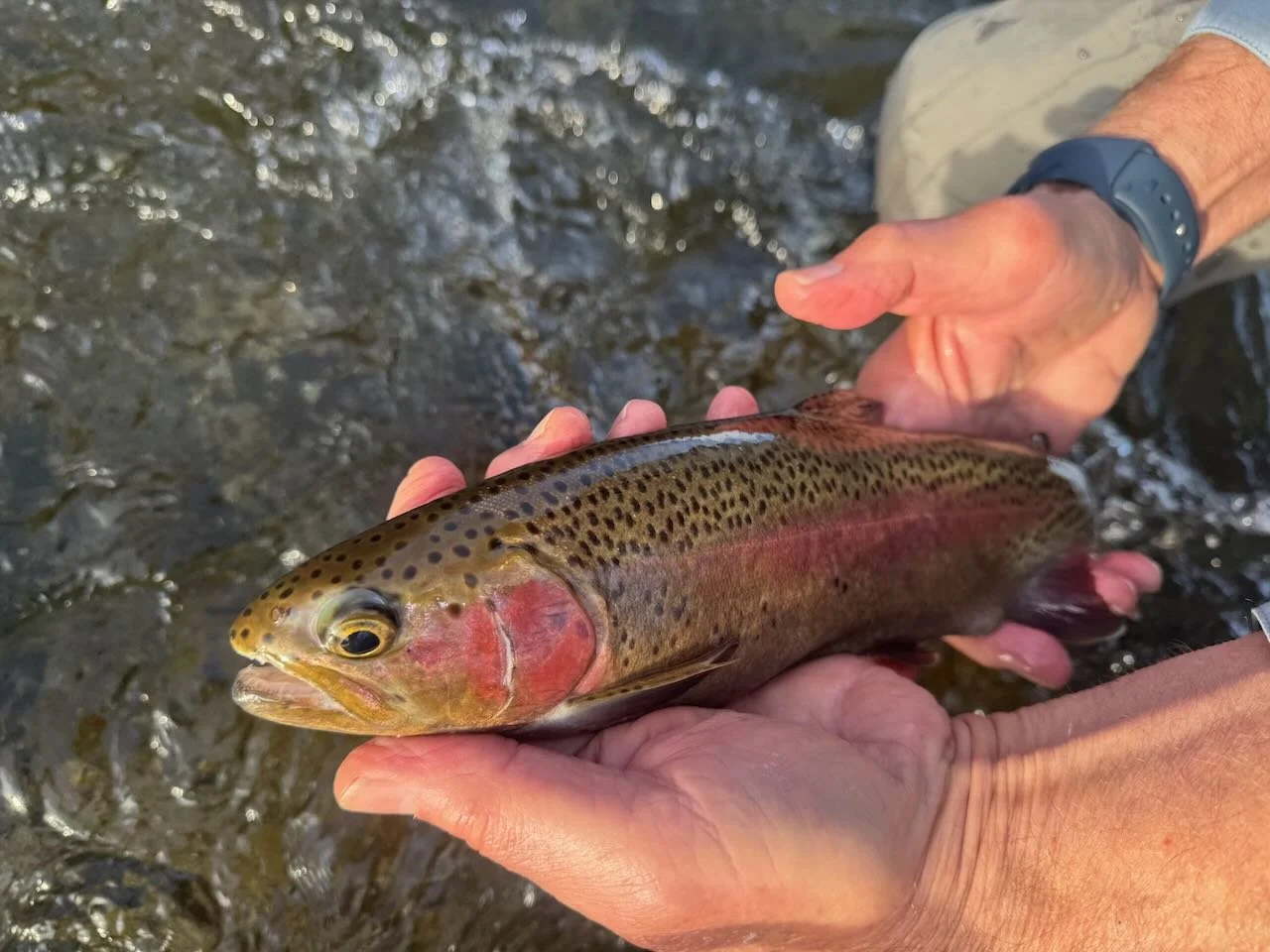
This Hot Creek rainbow took a size 16 pink Frenchie fished as part of a three fly Euro Rig fished at Hot Creek Interpretive site.

Hot Creek

Canyon Section:

Weed beds are still present in Hot Creek Canyon making it hard to drift flies to the trout. Dry flies are easier to cast into the narrow lanes between the weed beds. Nymphs are easier to fish in the riffles and pools devoid of weed beds. When nymphing use size 18 olive quilldigons, size 12 stoner nymphs, size 16 pink Frenchie’s, size 18 brassies, size 18 green/gold brassies, size 18 tiger and zebra midges, size 18 pheasant tail paranymphs and size 18 olive quill RS2’s. Fish with size 20 CDC midge, size 20 Adams midge, size 20 Griffiths gnats size 20 Adams parachutes, size 20 blue wing olive parachutes and size 20 olive sparkle duns on the surface.

The upper Owens River is missing its coat of snow and looks more like October than December.

Upper Owens River

Above Benton Crossing Bridge:

With the warm weather the dirt roads accessing the upper Owens River above Benton Crossing Bridge are slowly drying out. Fly fishers still need to avoid the few remaining muddy patches on the spur roads leading out to the river. Trophy rainbows are resting and feeding in the deep holes, deep pools and cut banks. Success is covering the water with enough cast to get your flies and the trout in the same space in the water. The trophy trout move around in the holes so that your flies may not be drifting where the trout are. Hence lots of casts are required to get the flies where the trout are. Nymph under an indicator or with a Euro rig with size 12 green/gold prince nymphs, size 12 stoner nymphs, size 12 gold ribbed hare’s ears variations and size 14 copper John’s. There are resident six to 12 inch rainbows and browns that will take size 18 blue wing olive parachutes, size 18 Adams parachutes, size 18 olive quilldigons and size 18 bead head flash back pheasant tail nymphs.

Nymphing Bishop Creek Canal with a size 18 olive quilldigon and size 12 stoner nymph is producing wild brown trout and hold over stocked rainbow trout.

Bishop Creek Canal

Behind Bishop Veterinary Hospital:

Bishop Creek Canal is easier to fish after DWP dredge the canal. The trout are feeding mid-day on mayflies and midges. Smaller fish are feeding on size 20 blue wing olive parachutes, size 20 Adams parachutes, size 18 Griffith’s gnats and size 20 CDC midges. Nymphing with size 12 stoner nymphs and size 18 olive quilldigons is fooling wild and hold over stocked trout fished in the slow flat sections of the canal.