
The first half of February is caring on the above normal temperatures and no precipitation that January brought to the Eastern Sierra. Looks like things might change the second half of February. As more sunlight per day slowly heats up the Eastern Sierra hatches of mayflies, stoneflies and caddis will be feeding the trout of the Eastern Sierra. Nymphing will continue to produce lots of trout. Hatches will intensify and bring trout to the surface. Snow is melting with the heat and we definitely need moisture in the form of snow and rain to get through the summer.
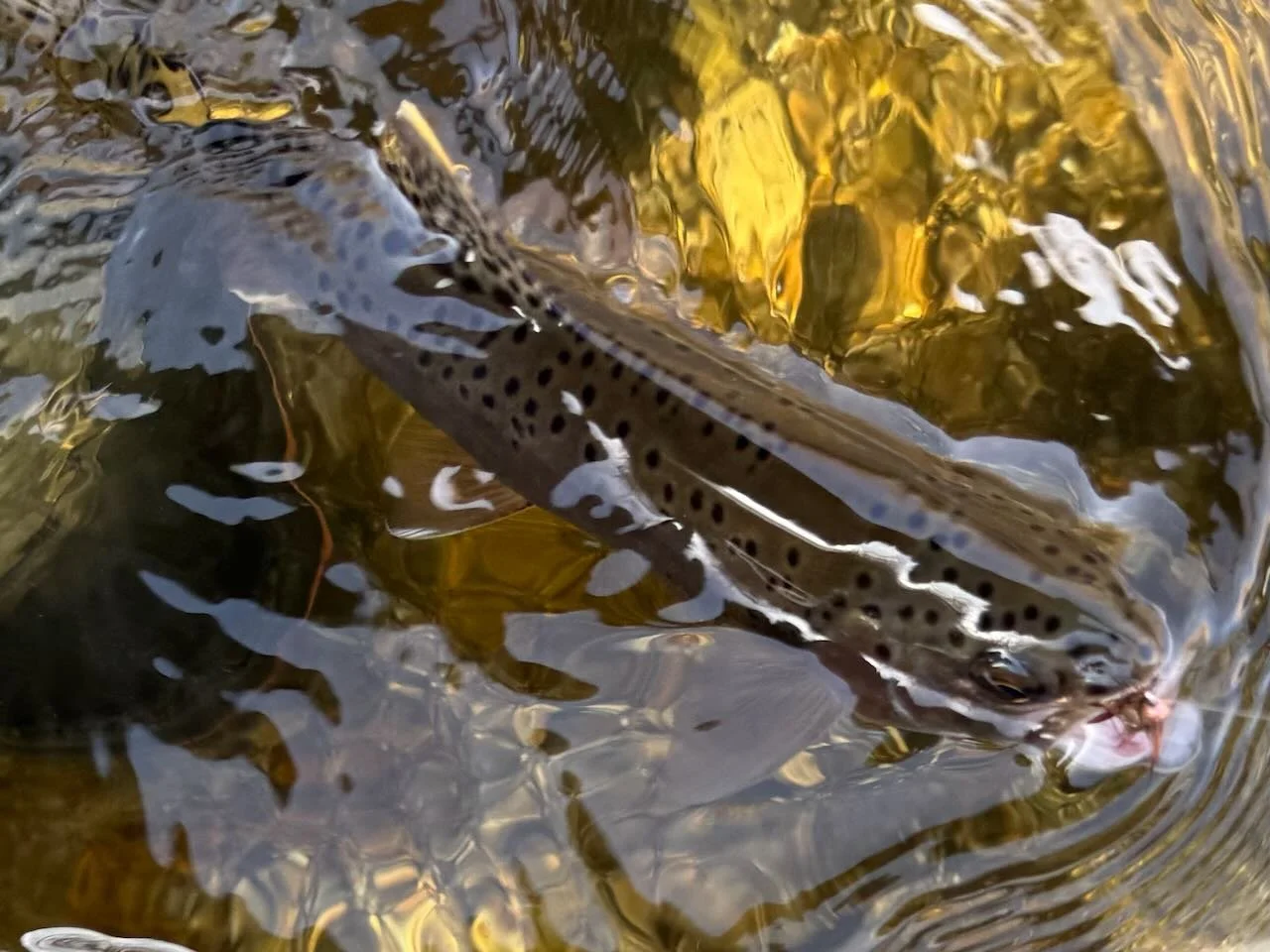
Rainbows and brown trout are feeding on mayflies, stoneflies and caddis as we move through the month of February.
Lower Owens River
Wild Trout Section:
This Saturday February 7, 2025 is the Trout Rodeo. Most of the participants will be fly fishing and spin fishing on the Owens River. It’s time to get off the beaten path and find the secluded spots others pass up. Find spots at each parking area on the river that most fly fishers pass by. Cast to those spots that are hard to reach asking you to snag and loose your flies. There are fish in these sports that most fly fishers pass by. With the warmer weather and the sun being out longer the mayfly hatch mid-day is intensifying to the point that more fish are feeding on the surface. On the surface fish with size 18 Adams parachutes, size 18 blue wing olive parachutes, size 18 olive sparkle duns, size 20 parachute midge emergers, size 20 CDC midges and size 20 Griffiths gnats. Nymphing continues to be the most productive method of fly fishing the river. Wade upstream concentrating on pools below riffles and deep runs. In these areas fish with size 16 Duracell’s, size 16 Frenchie’s, size 14 copper John’s, size 12 stoner nymphs, size 18 bead head flash back pheasant tail nymphs, size 18 olive quilldigons, size 18 brassies, size 18 green/gold wire brassies, size 18 thread midges in olive, zebra and tiger coloration.
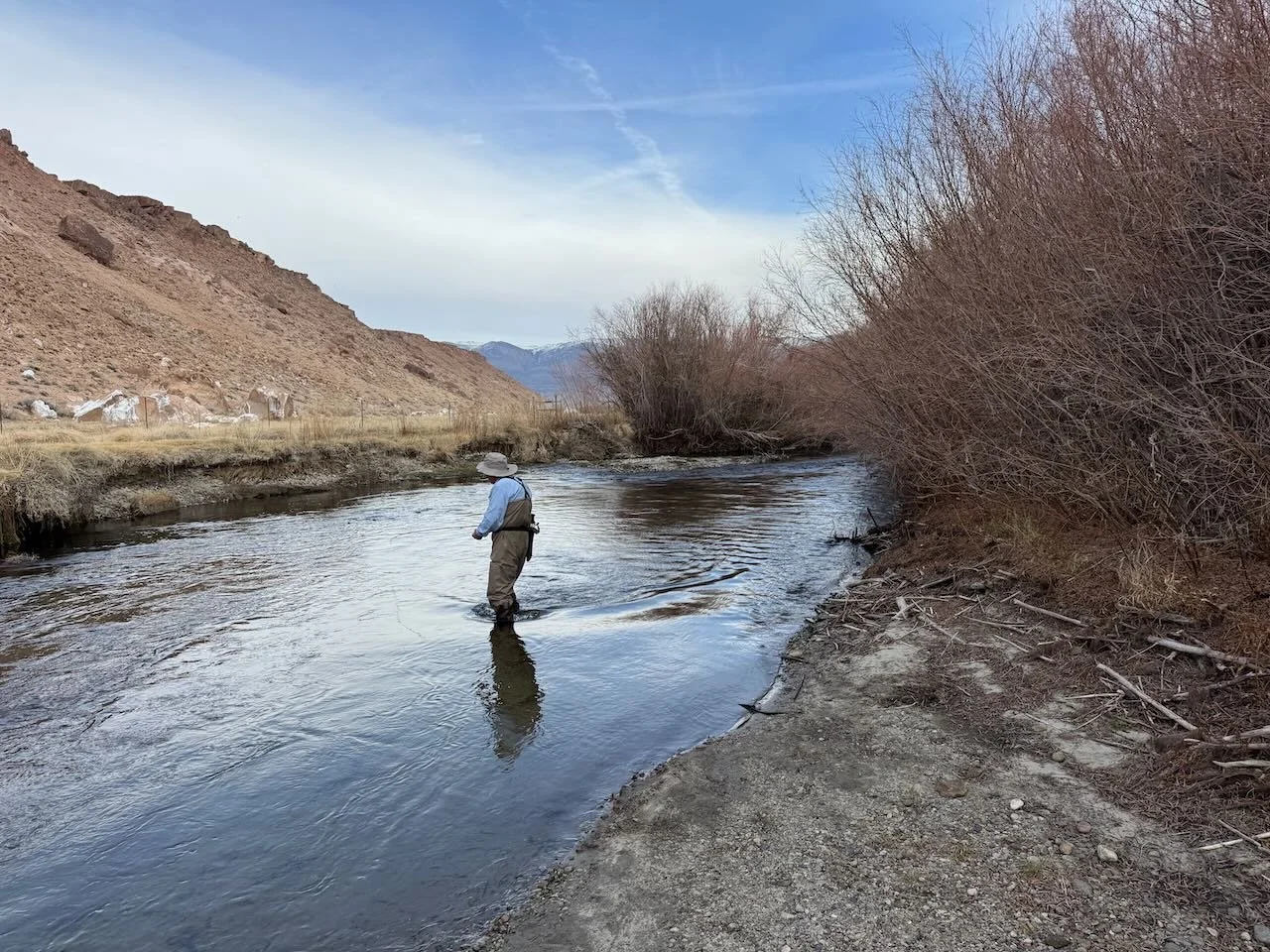
Nymphing with a Euro rig or an indicator rig is producing wild rainbow and brown trout from six to 12 inches.
Hot Creek
Interpretive Site:
Time and warmth has more fly fishers accessing the creek and forming a path to walk out to the interpretive site. With the warmer weather and lengthening sunshine each day look for blue wing olive mayflies to hatch late morning to early afternoon. Fish with size 20 Adams parachutes, size 20 blue wing olive parachutes and size 20 sparkle duns. For the midge hatch fish with size 20 CDC midges, size 20 midge emergers and size 20 Griffiths gnats.
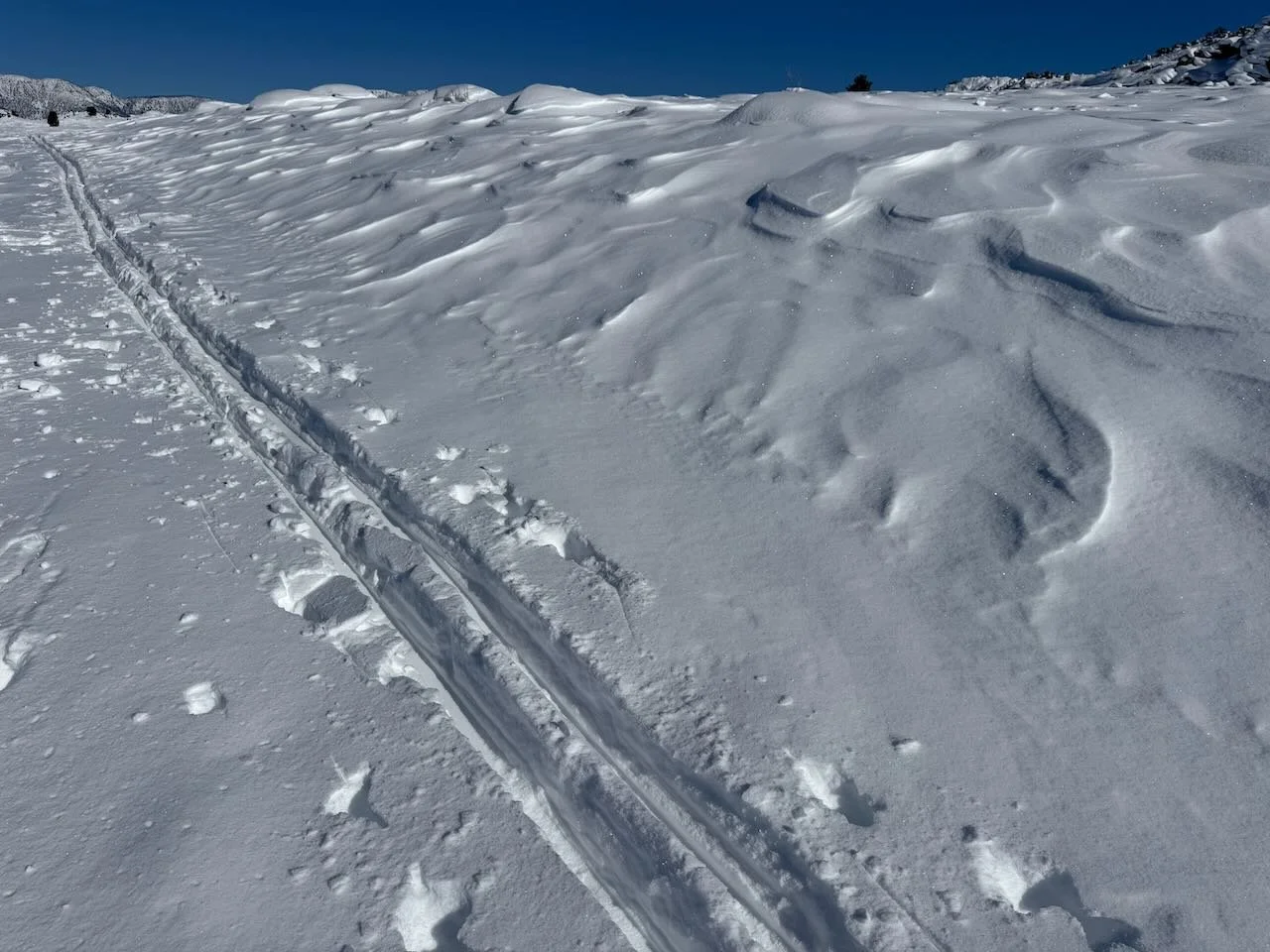
Looks like time to get the skis ready to hit Hot Creek as the storm door maybe opening.
Hot Creek
Canyon Section:
Solitude and wild trout are waiting for fly fishers willing to put in the effort to walk into the canyon sections of Hot Creek. Fly fishers will be rewarded with nymphing and dry fly fishing. Nymphing with a dry and dropper or Euro nymphing rig will produce the wild trout that are feeding in the riffles, holes and in the small lanes between the weed beds. Use size 20 tiger midges, size 20 zebra midges, size 20 soft hackle brassies, size 20 green/gold brassies, size 18 bead head baetis, size 18 Frenchie’s, size 18 olive quilldigons and size 18 bead head flash back pheasant tail nymphs to fool wild rainbows and brown trout to 14 inches. On the surface when the trout are consistently rising use a size 20 Adams parachute and a size 20 blue wing olive parachute.
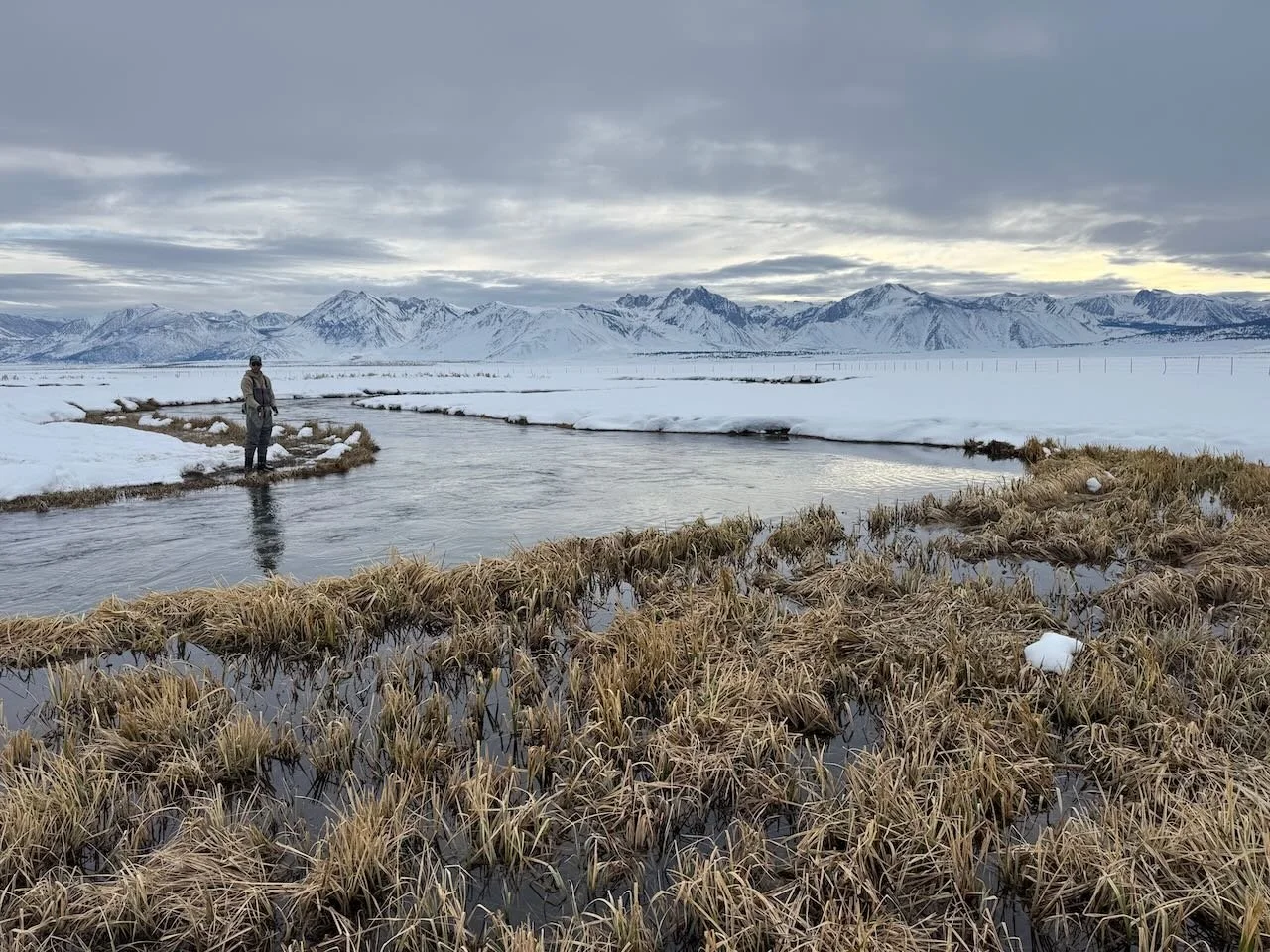
Upper Owens River offers good fly fishing for trophy rainbow trout for fly fishers willing to work the banks and walk through the snow on the banks of the upper Owens River.
Upper Owens River
Above Benton Crossing Bridge:
Snow is melting but fly fishers need four wheel drive vehicles with clearance to access the spur roads off the main dirt road. Parking at Benton Crossing Bridge and walking upstream is safer than getting stuck. Trophy rainbow trout can be found throughout the river in the deep holes, deep runs and cutbanks. Nymphing with enough weight in the flies or split shot on the tippet is necessary to get the flies bouncing on the substrate where the trout are feeding. Use size 12 stoner nymphs, size 12 green/gold wire Prince nymphs, size 12 Richard’s gold ribbed hare’s ear variation, size 14 tungsten tacos in pink and peach, size 14 glow bugs and size 10 mop flies in chartreuse, orange and cream to catch the trophy rainbow trout.
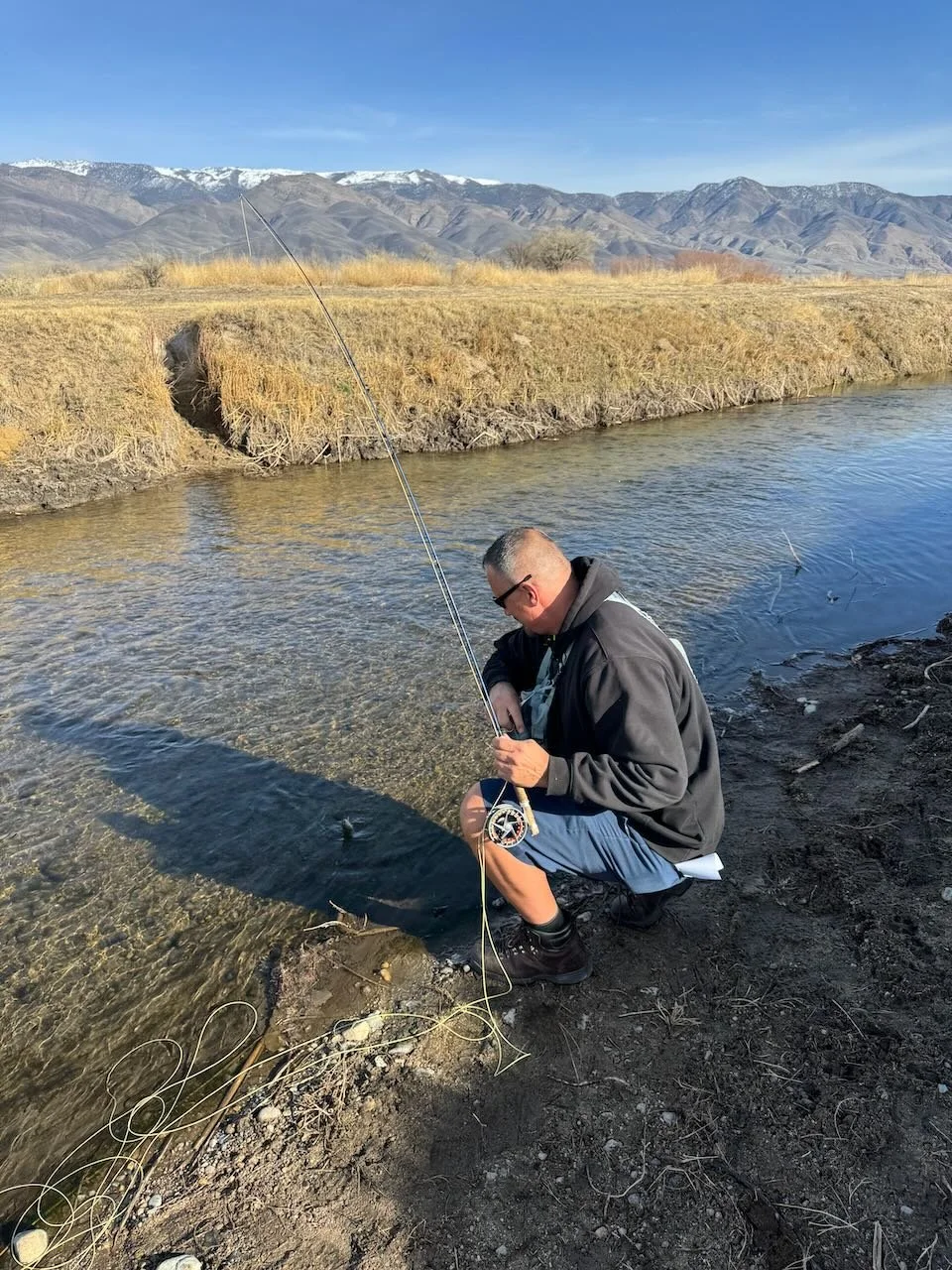
Nymphs and dries are producing six to 12 inch wild brown and rainbow trout in Bishop Creek Canal.
Bishop Creek Canal
Behind Bishop Veterinary Hospital:
Middle of the day there is a mayfly and midge hatch which the trout are coming to the surface to feed on the emerging insects. Use a size 20 CDC midge, size 20 midge emerger, size 20 Adams parachutes, size 20 blue wing olive parachutes and size 20 sparkle duns to fool the surface feeding trout. Nymphing continues to be the most productive fly fishing method in the canal. Use an indicator rig or a Euro nymph rig to present your flies to the trout feeding on the substrate and in the water column. Fish with size 18 olive quilldigons, size 18 Frenchie’s, size 16 rainbow warriors, size 12 stoner nymphs and thread midges in olive, zebra and tiger coloration.