
Weather has not quite settled into summer heat as there are still some storms moving through the Eastern Sierra. So plan on it being warm, but bring the jackets along just in case you need it. Dry fly fishing is just starting as hatching insects like caddis, mayflies and stoneflies are bringing the trout to the surface. Coming soon will be pale morning dun mayflies, little yellow stoneflies and evening caddis hatches.
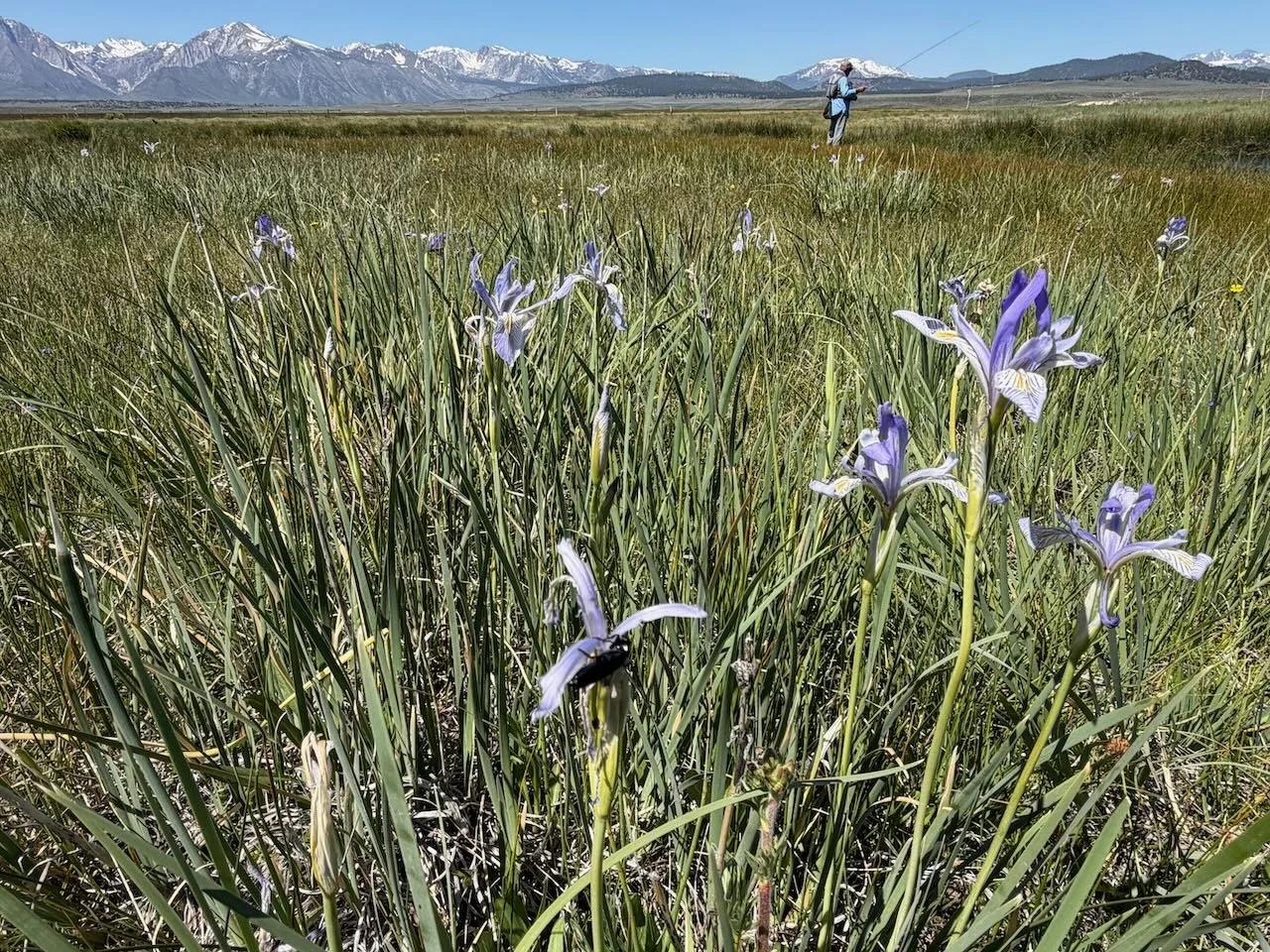
Flowers of spring are blooming and hatches of pale morning duns, little yellow stoneflies and evening caddis hatches will be feeding the trout on the surface of Eastern Sierra waters.
East Walker River
Miracle Mile Section:
Mayfly hatches are feeding the trout on the substrate and on the surface. On the surface fish with size 18 blue wing olive parachutes, size 18 olive sparkle duns and size 18 Adams parachutes. On the substrate fish with size 18 bead head flash back pheasant tail nymphs, size 18 olive quilldigons, size 18 Frenchie’s and size 12 stoner nymphs. Fly fishers looking for trophy trout in the East Walker River are pulling streamers. Use size 6 and 10 balanced leeches, mini jig leeches and an articulated goldie.
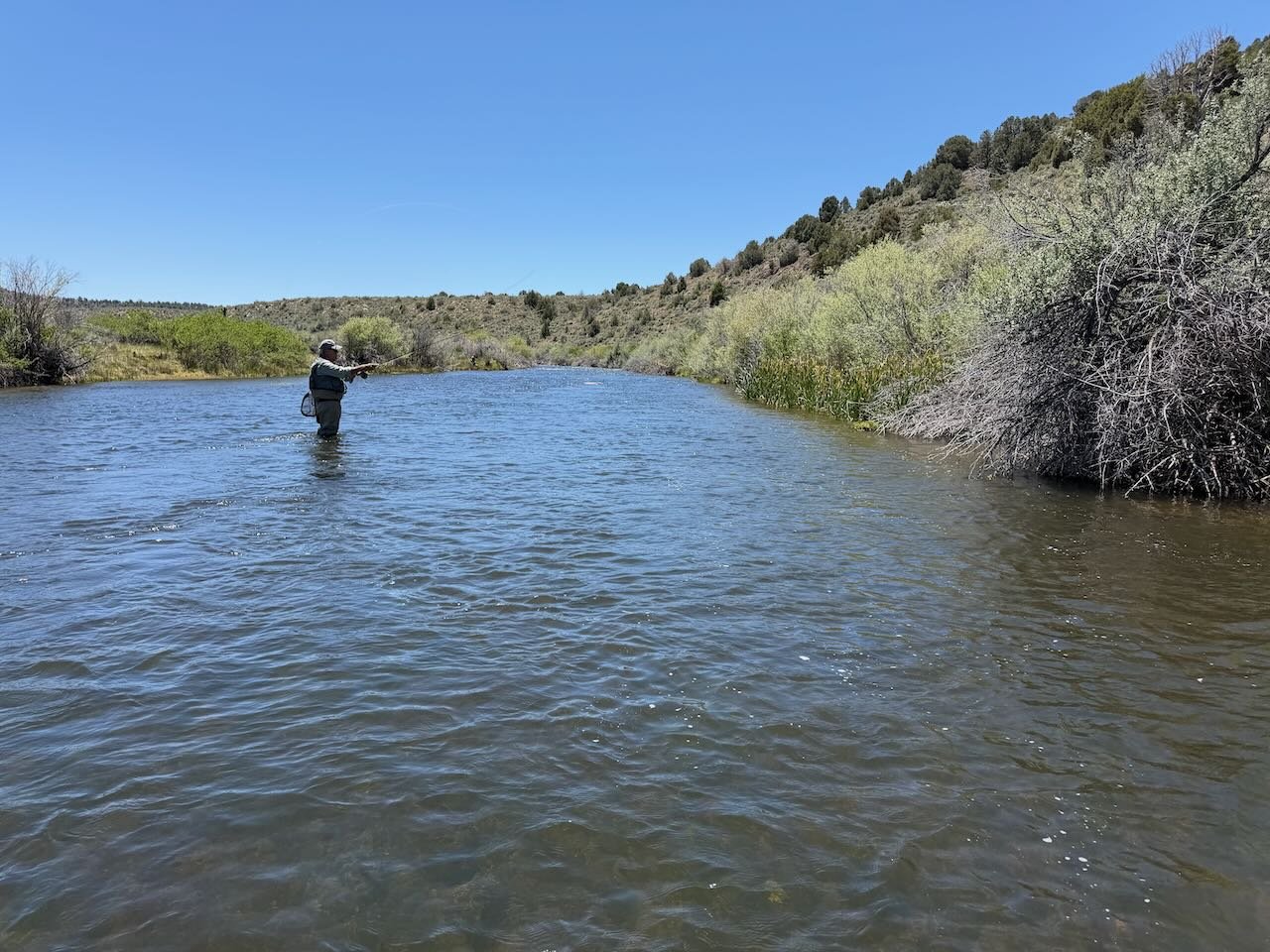
Nymphing the Miracle Mile section of the East Walker River is producing trout if you are in a section where the trout are feeding on the hatching mayflies.
Upper Owens River
Above Benton Crossing Bridge:
The hatchery run of cutthroat trout in the upper Owens River is done for the season. Fly fishers are nymphing for resident and juvenile rainbow and brown trout from six to 12 inches. There is a sporadic hatch of mayflies in the early afternoon. For fly fishers nymphing under an indicator or with a Euro rig the key to success is to thoroughly covering the water with drag free drifts. Using size 18 bead head flash back pheasant tail nymphs, size 18 olive quilldigons, size 18 Frenchie’s, size 16 hot spot pheasant tail nymphs, size 14 Duracell nymphs, size 16 bead head flash back gold ribbed hare’s ears and size 12 stoner nymphs are fooling the rainbows and browns. For those throwing size 6 and 10 wooly buggers, Hornberg’s, and slumpbusters are moving a few rainbows and browns to 18 inches. The mosquitoes are out so be sure to wear clothes that cover skin and wear insect repellant.
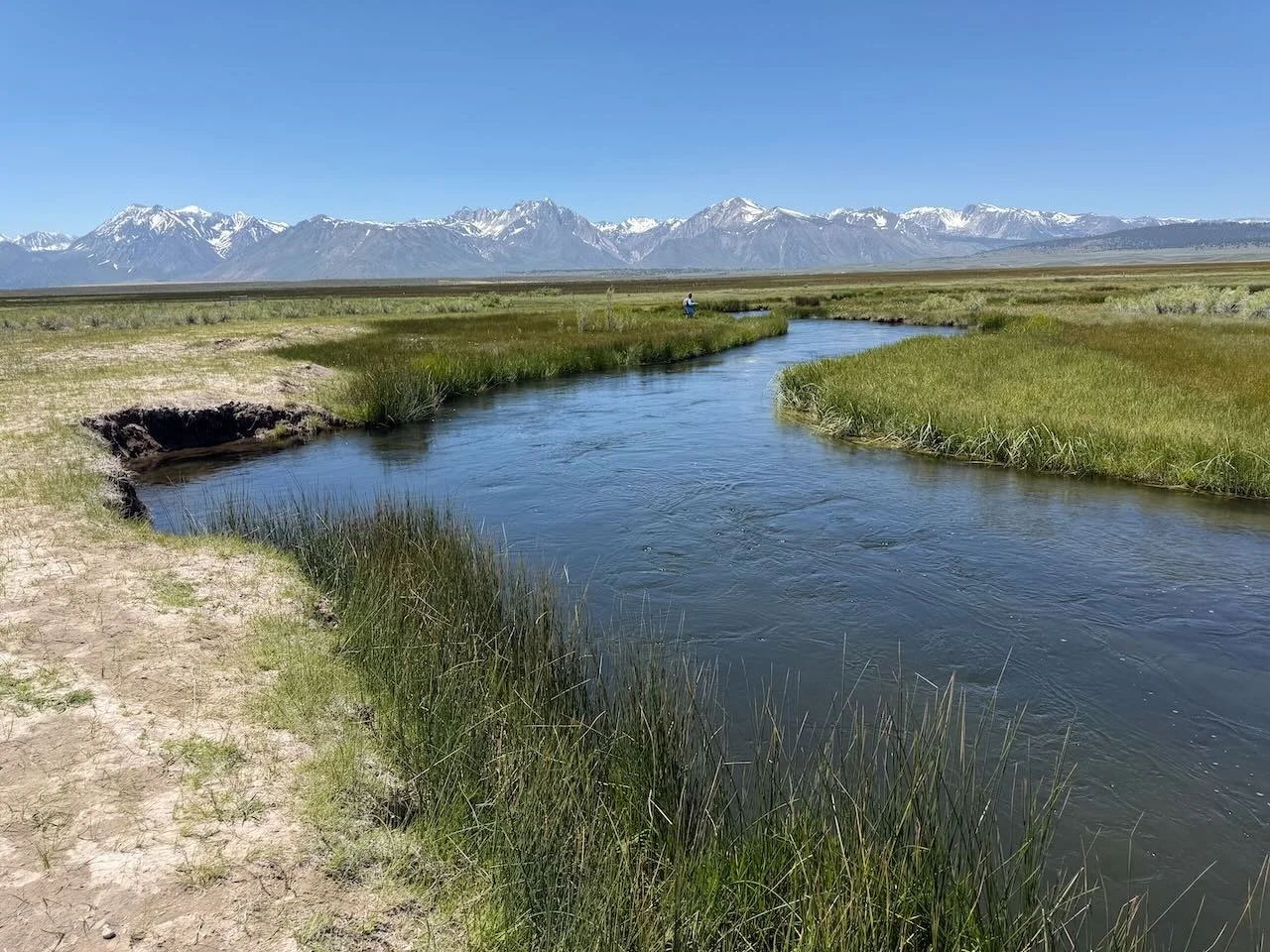
Working the pockets and riffles with mayfly nymphs is producing six to 12 inch resident rainbows and browns.
Hot Creek
Interpretive Site:
Hot Creek and surrounding waters are in danger once again from KORE Mining resubmitting a drilling permit. Your voice is needed to stop KORE Mining from moving forward with exploratory drilling. For more information contact nohotcreekmine.com.
The trico hatch and the blue wing olive hatch has fly fishers fishing dry flies for the rising rainbows and browns. Mornings are starting with the caddis migration upstream. The trico hatch starts right around the same time as the caddis emergence. You will see a few blue wing olive mayflies in the mix. This is classic Hot Creek Interpretive Site dry fly fishing. Start your morning around 8:00 A.M. fishing with a size 20 parachute caddis, size 20 elk hair caddis, size 20 X-caddis. As the caddis migrate upstream to find a spot to lay their eggs some of the caddis crash on to the water as the caddis are poor flyers and the trout take advantage of an easy meal. The female trico hatch starts at about the same time that the caddis are starting their migration. The female duns have an olive body with a black thorax. Use a size 20 female dun trico parachute, size 20 trico sparkle dun, and size 20 blue wing olive parachutes. The caddis hatch starts in the late afternoon to dusk for those fly fishers fishing the evening bite.
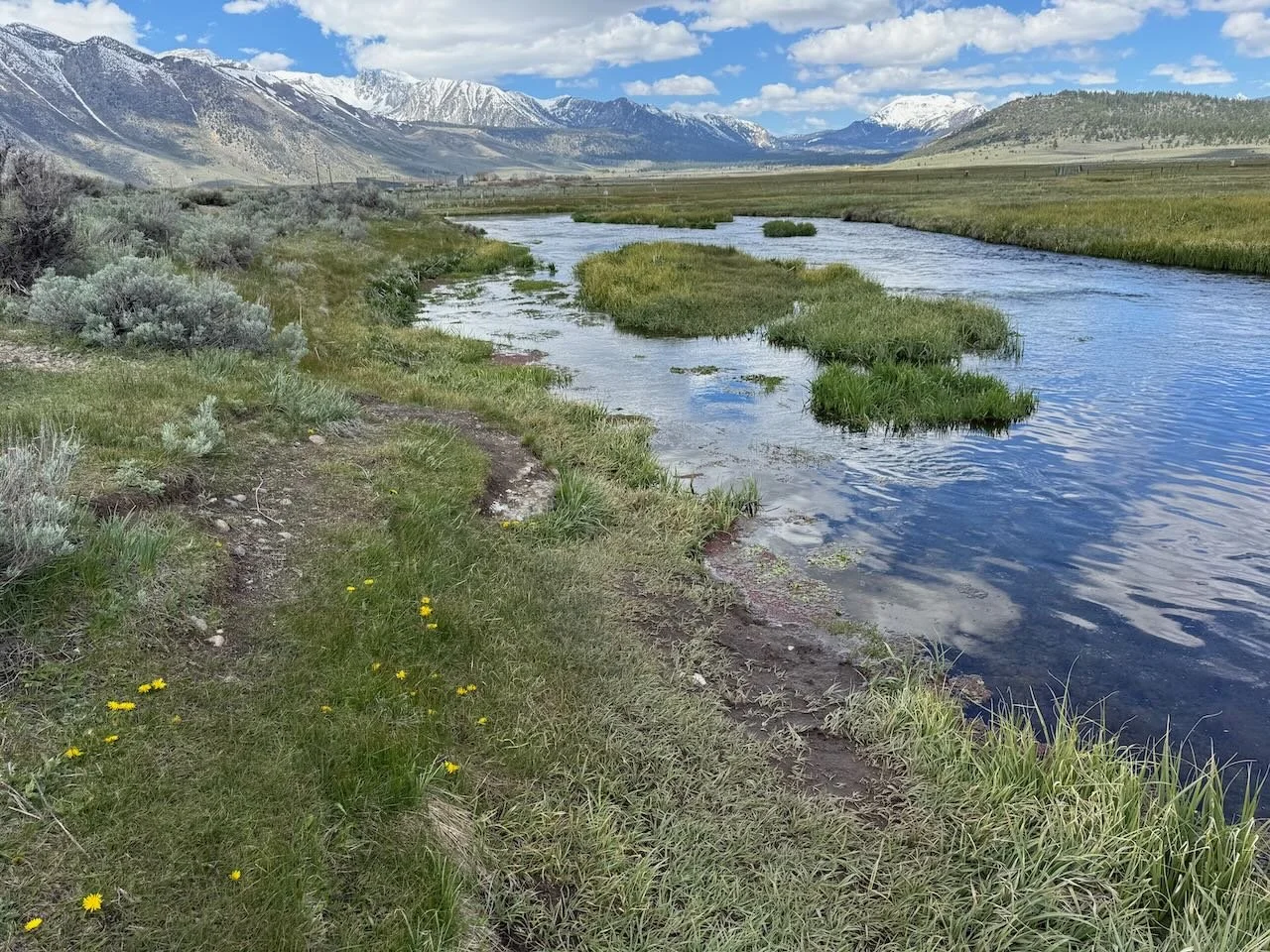
The flat water sections of Hot Creek Interpretive Site are perfect for floating tiny dry flies like tricos and caddis
Hot Creek
Canyon Section:
The weed beds are growing with the increase of day light. It’s hard to drift nymphs in and around the weed beds. Dry flies can be cast into the narrow lanes between the weed beds. There are spots in the canyon section that can be nymphed. Fish with size 18 olive quilldigons, size 18 bead head flash back pheasant tail nymphs, size 18 Frenchie’s, size 16 bead head flash back gold ribbed hare’s ears and size 12 stoner nymphs. For the dry flies fish with size 20 parachute caddis, size 20 elk hair caddis, size 20 X-caddis, size 20 female dun trico parachute and size 20 trico sparkle duns. The evening caddis hatch can be a lot of fun to fish as long as you can see your flies in the glare of the sun on the Creek.
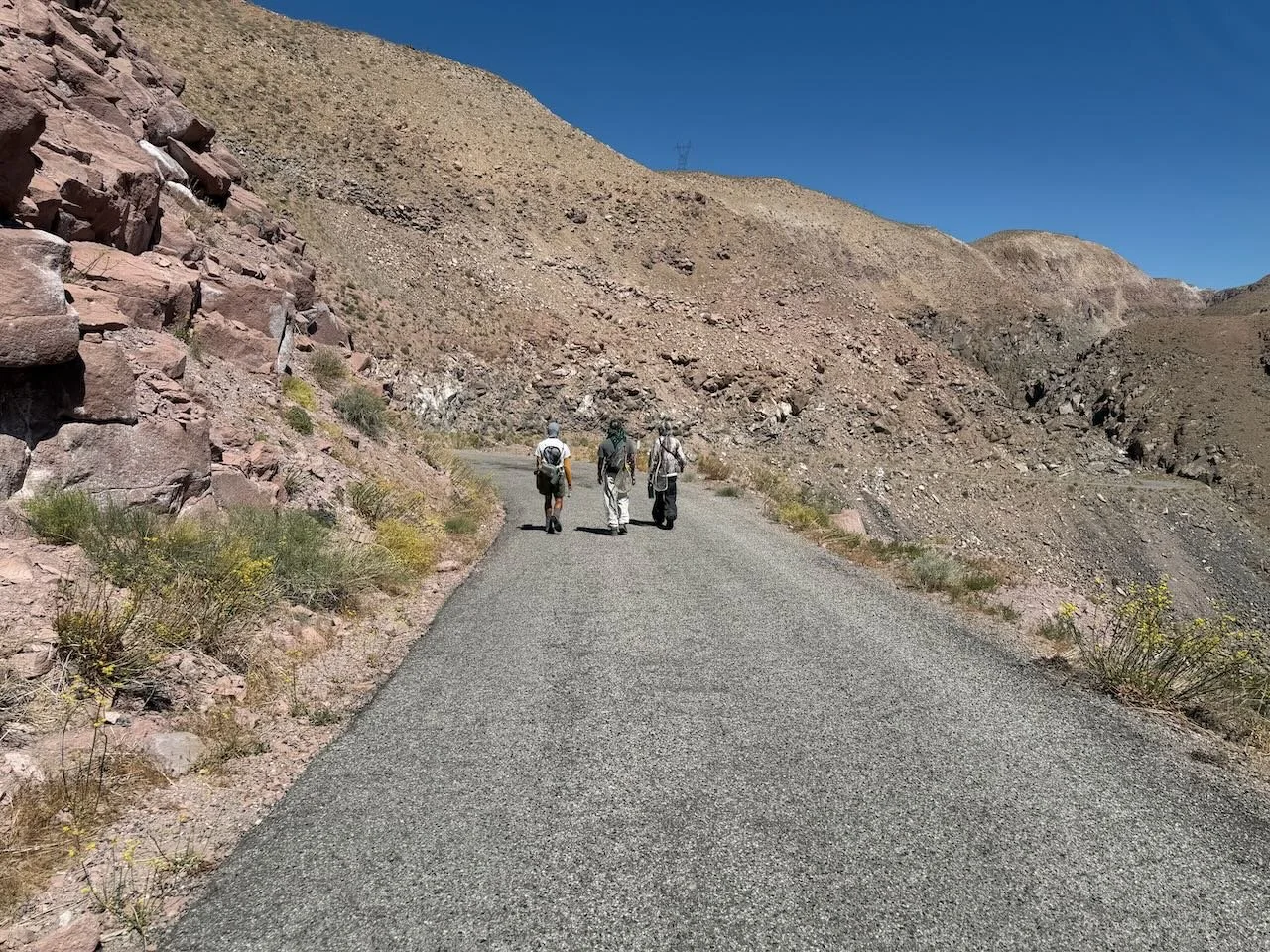
The walk in and out of the gorge is the summer time can be brutal as the heat from the sun radiates off the rocks and asphalt.
Owens River Gorge
Middle Power Plant:
As the heat of summer warms up the Owens River Gorge the hike in and out of the gorge can be hot. There are lots of rose bushes and stinging nettles to deal with on the banks of the Owens River Gorge and fly fishers should be aware where they step as there are rattle snakes to contend with. The trout are feeding on mayflies and stoneflies. Fishing a dry and dropper is a great way to fly fish the river in the gorge. Use size 16 Adams parachutes, size 16 stimulators, size 12 Chernobyl ants and size 16 elk hair caddis for the dry flies. For the nymphs fish with size 16 zebra midges, size 16 tiger midges, size 16 green/gold brassies, size 14 Duracell nymphs, size 16 rainbow warriors and size 12 stoner nymphs. Now is the perfect time to be wet wading in the Owens River Gorge.
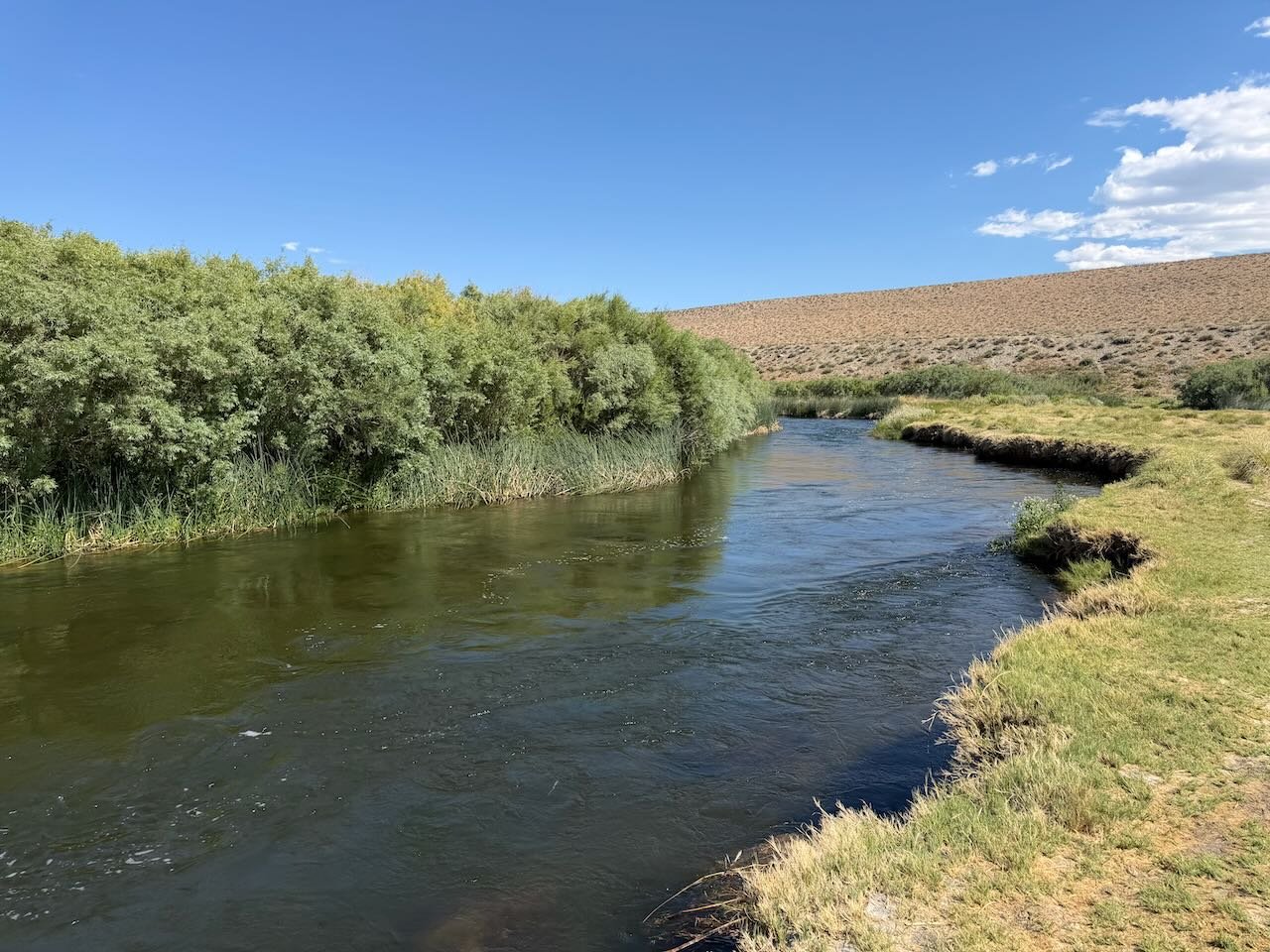
Fly fishers need to find areas where they can fly fish from the banks of the lower Owens River as flows are too high to be wading the river.
Lower Owens River
Wild Trout Section:
It’s unsafe to wade the river at flows over 300 CFS. The river has been flowing at over 400 CFS. I recommend checking the DWP lower Owens River flows before going out to the river
at: http://wsoweb.ladwp.com/Aqueduct/realtime/norealtime.htm. The flows are fluctuating. Nymphing the river at these flows fly fishers will lose to many rigs and flies. For those willing to nymph the river from the bank use size 16 bead head flash back gold ribbed hare’s ears, size 18 bead head flash back pheasant tail nymphs, size 16 Duracell nymphs and size 16 hot spot pheasant tail nymphs. Evening caddis hatches are the time to be on the river dry fly fishing with size 16 elk hair caddis.
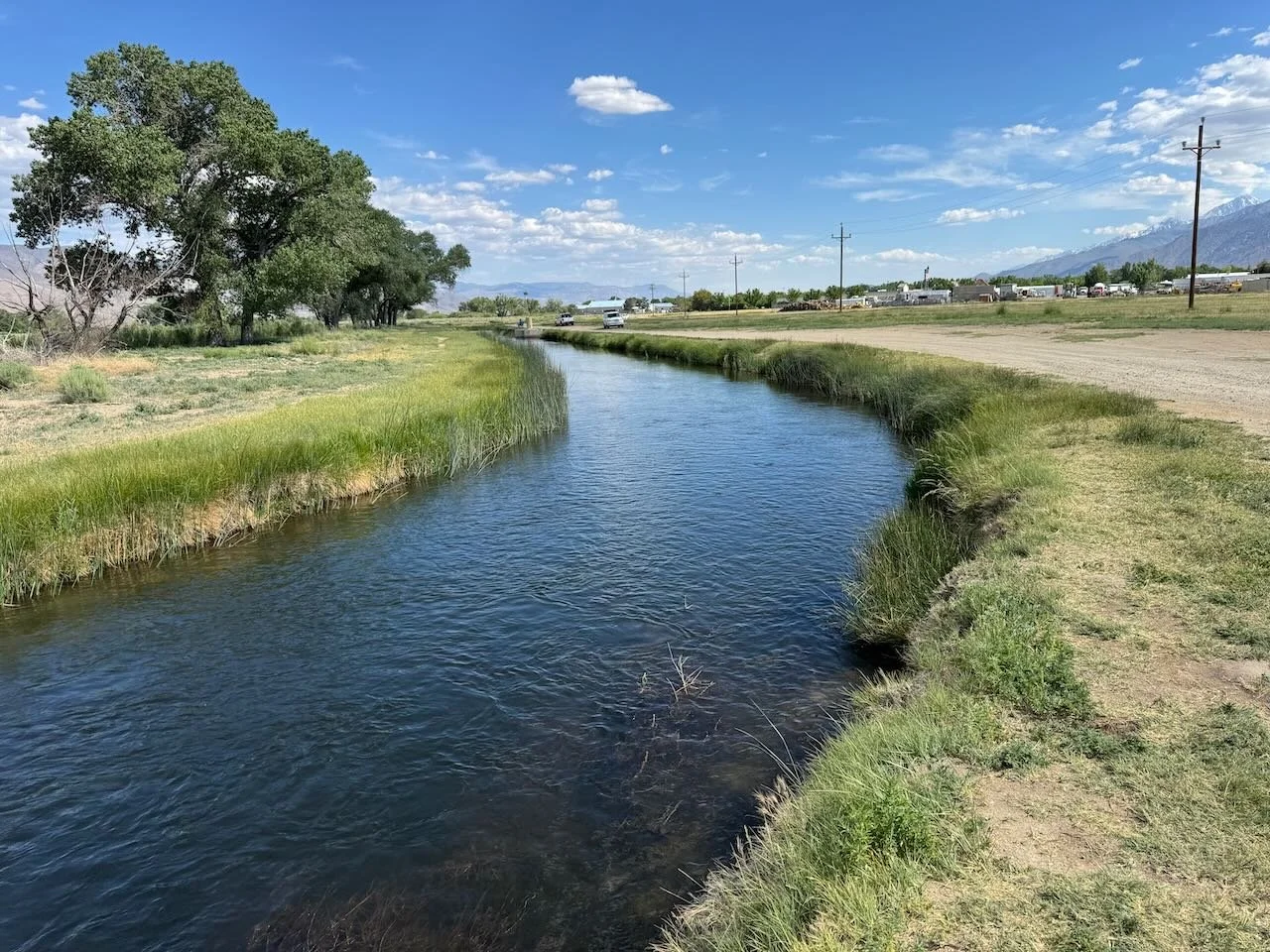
A mid-day mayfly hatch is bringing a few trout to the surface for fly fishers fishing with size 18 Adams parachutes.
Bishop Creek Canal
Behind Bishop Veterinary Hospital:
A mid-day mayfly hatch has a few trout rising to the surface to feed on the emerging mayflies. Fish with a size 18 blue wing olive parachute, size 18 olive sparkle dun and size 18 Adams parachute. Best fly fishing right now is when the sun goes down behind the Eastern Sierra Mountains with a size 16 elk hair caddis. Once the sun is off the canal the caddis come out to lay their eggs. Fish the caddis quartering upstream by casting to the opposite bank. Let the fly drag across the creek and then slowly strip it up stream. This is how you skitter a caddis. A very productive method of fishing an elk hair caddis during the evening caddis ova posting. The mosquitoes are out at night so be sure to wear clothes that cover skin and wear insect repellant.