
Summer showers are a great way to cool off a hot summers day. I’ve had a couple of days of having rain, snow, wind, sun and heat all in a matter of a few hours in a single day. So be prepared for everything, but expect it to be warm to hot depending on the altitude you are fly fishing at. We are approaching meat season and throwing a few streamers will turn some unexpected trophy trout. There are grasshoppers in the vegetation surrounding waters, but they are not being blown onto the water and the trout are not reacting to hoppers yet with any consistency. Hatching insects represent the dinner bell for most trout in the waters you are fly fishing. Look for hatches of mayflies, caddis flies and midges to be feeding the trout on the substrate and on the surface. It’s been a relatively dry summer, but there are still mosquitoes out there looking to feed on unexpecting fly fishers. A voluntary Hoot Owl restriction is in place for catch and release fishing on several Eastern Sierra waters including Crowley Lake, upper Owens River, lower Owens River, Bishop Creek Canal, Bridgeport Reservoir and East Walker River. Carry a thermometer and take the temperature for the water you are fishing.
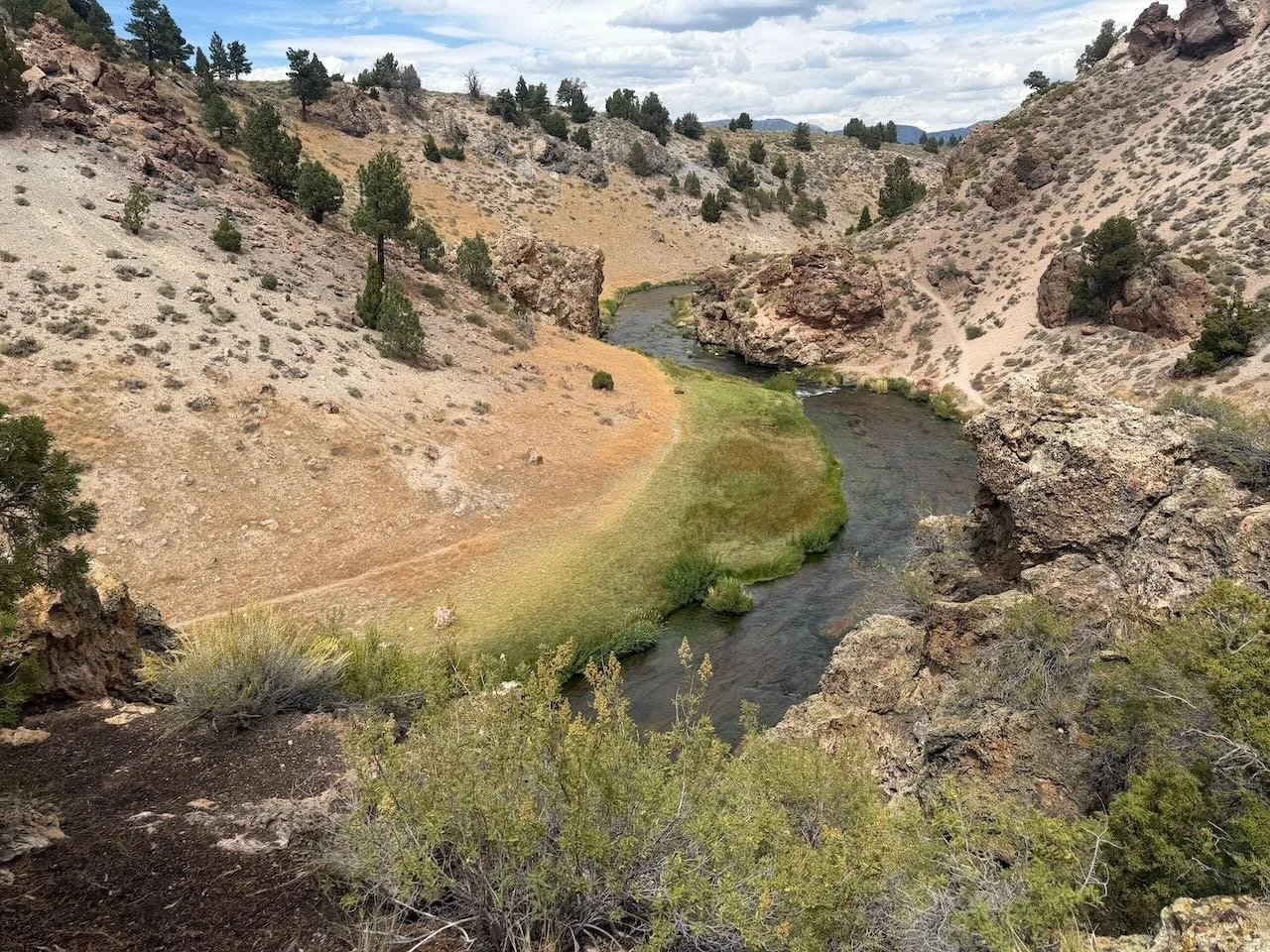
Summer days of dry fly fishing in the Eastern Sierra are quickly coming to an end as fall is approaching.
Upper Owens River
Above Benton Crossing Bridge:
Hoot owl voluntary regulations are still in effect. Watch the temperature on sunny days in the afternoons. Mornings have been fishing good for six to 10 inch wild rainbow and brown trout that are feeding on emerging mayflies and caddis that are being blown onto the water. Using size 14 and 16 Adams parachutes, size 18 blue wing olive parachutes, size 16 elk hair caddis and size 16 EC caddis are fooling the surface feeding trout. Euro nymphers dredging the deep holes and deep runs with size 12 stoner nymphs, size 12 green/gold Prince nymphs, size 14 copper John’s and size 14 bead head flash back gold ribbed hare’s ear thoroughly covering each spot are producing a few trophy rainbows and browns. Fly fishers using streamers early and late in the day and on overcast days are connecting with a few trophy trout. Use size 10 wooly buggers, size 10 slumpbusters, size 6 sclupzilla and size 10 muddler minnows to fool the trophy trout.
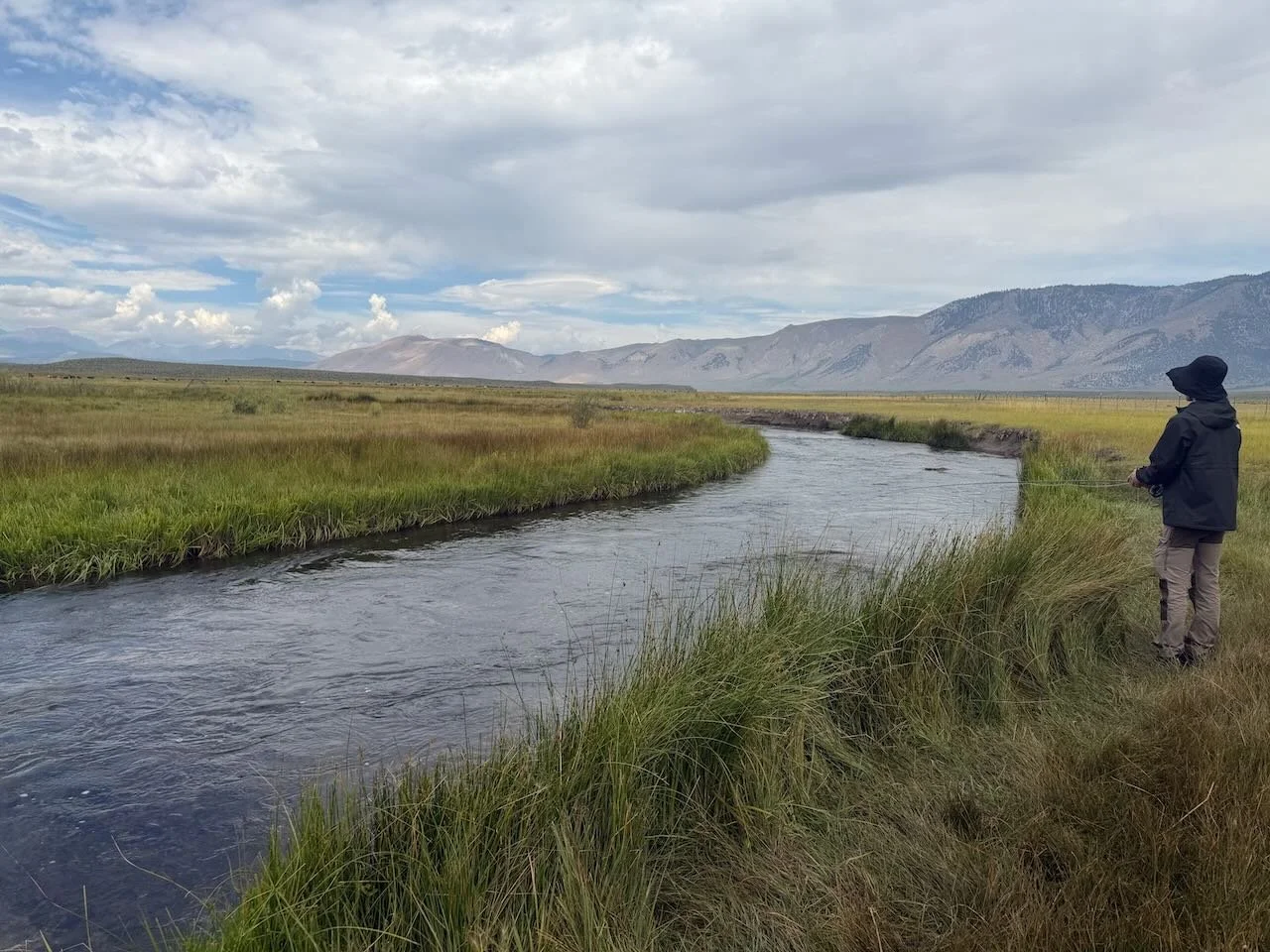
How quickly the heat of summer dissipates when summer rain shower are in the horizon.
Hot Creek
Interpretive Site:
Weed beds are thick, but fly fishing in the deep holes and in the tiny lanes between the weeds is producing wild brown and rainbow trout during the hatches. Hot Creek trout rarely feed when there is not a hatch. Start the mornings with a size 20 gray EC caddis, size 20 parachute caddis, size 20 gray X-caddis, size 22 female dun trico parachutes and size 22 trico spinners to imitate the migrating caddis and the hatching trico mayflies. Afternoons are windy and hatch less making the fly fishing tough. If you see late morning or early afternoon fish feeding definitely fish for them. Once the hatch is over it’s time to go fly fish one of the plentiful freestone creeks of the Eastern Sierra.
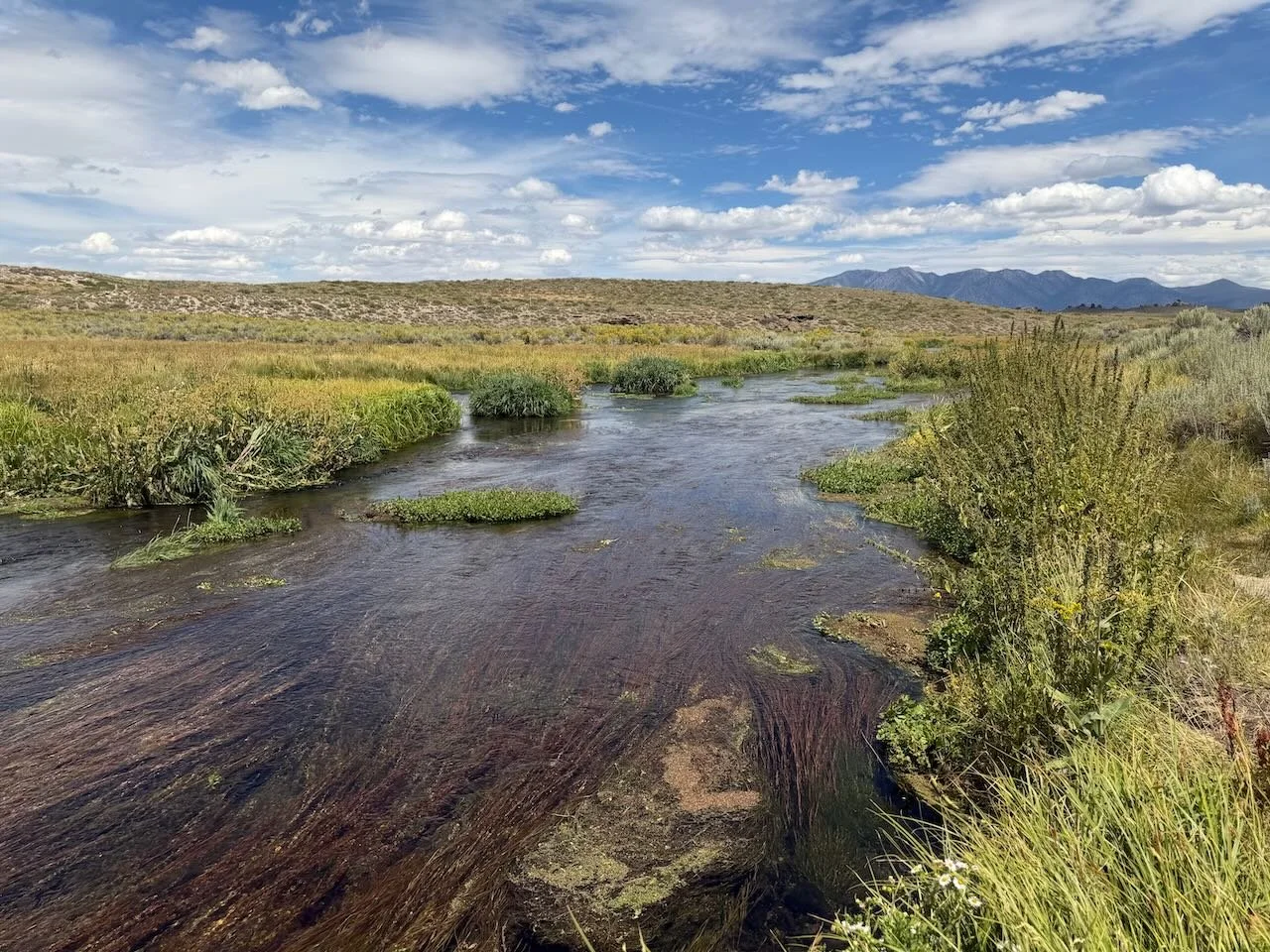
Hot Creek is inundated with weed beds and fly fishers need to find the tiny holes and lanes to float their dry flies to the fish hiding in the cover of the weed beds.
Hot Creek
Canyon Section:
Fly fishing in the canyon is tough with all the weeds in the river. Successful fly fishers learn how to drift their dry flies in the tiny lanes between the weeds when the trout are feeding on the emerging trico mayflies and migrating caddisflies. Fish areas with a steeper gradient as the trout are feeding with a reactionary bite. They do not have time to discern if your fly is a perfect match for hatching insects. Fish with size 22 trico spinners, size 22 female trico dun parachutes, size 20 gray EC caddis, size 20 gray parachute caddis and size 22 gray X-caddis.
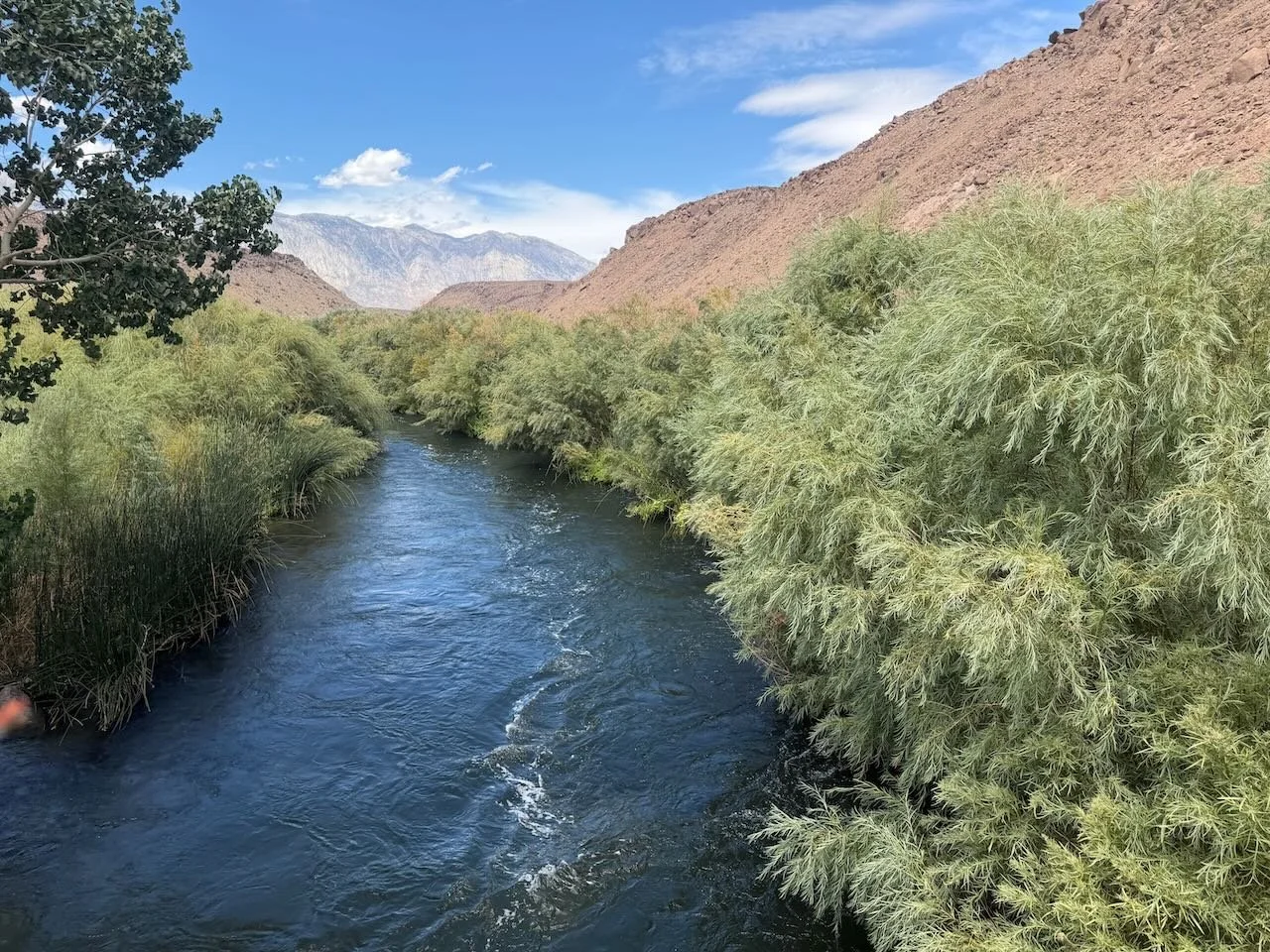
Willows and tulles on both banks of the lower Owens River makes it tough to fish from shore and with flows around 500 CFS it’s unsafe to wade.
Lower Owens River
Wild Trout Section:
Day time temperatures are climbing up into the upper 90’s and fly fishers should monitor the water temperatures starting around noon. Stop catch and release fly fishing when the temperatures approach the 70 degree mark. With flows in the area of 500 CFS it is not safe to be wading in most parts of the river. Fish early and late in the day with streamer and dry flies. For dry flies use size 18 Adams parachutes, size 18 blue wing olives, size 18 elk hair caddis and size 18 EC caddis. For streamers use size 6 and 10 wooly buggers, slump busters, matukas and muddler minnows. Nymph with size 12 stoner nymphs, size 18 olive quilldigons, size 18 bead head flash back pheasant tail nymphs, and size 16 bead head flash back gold ribbed hare’s ears.
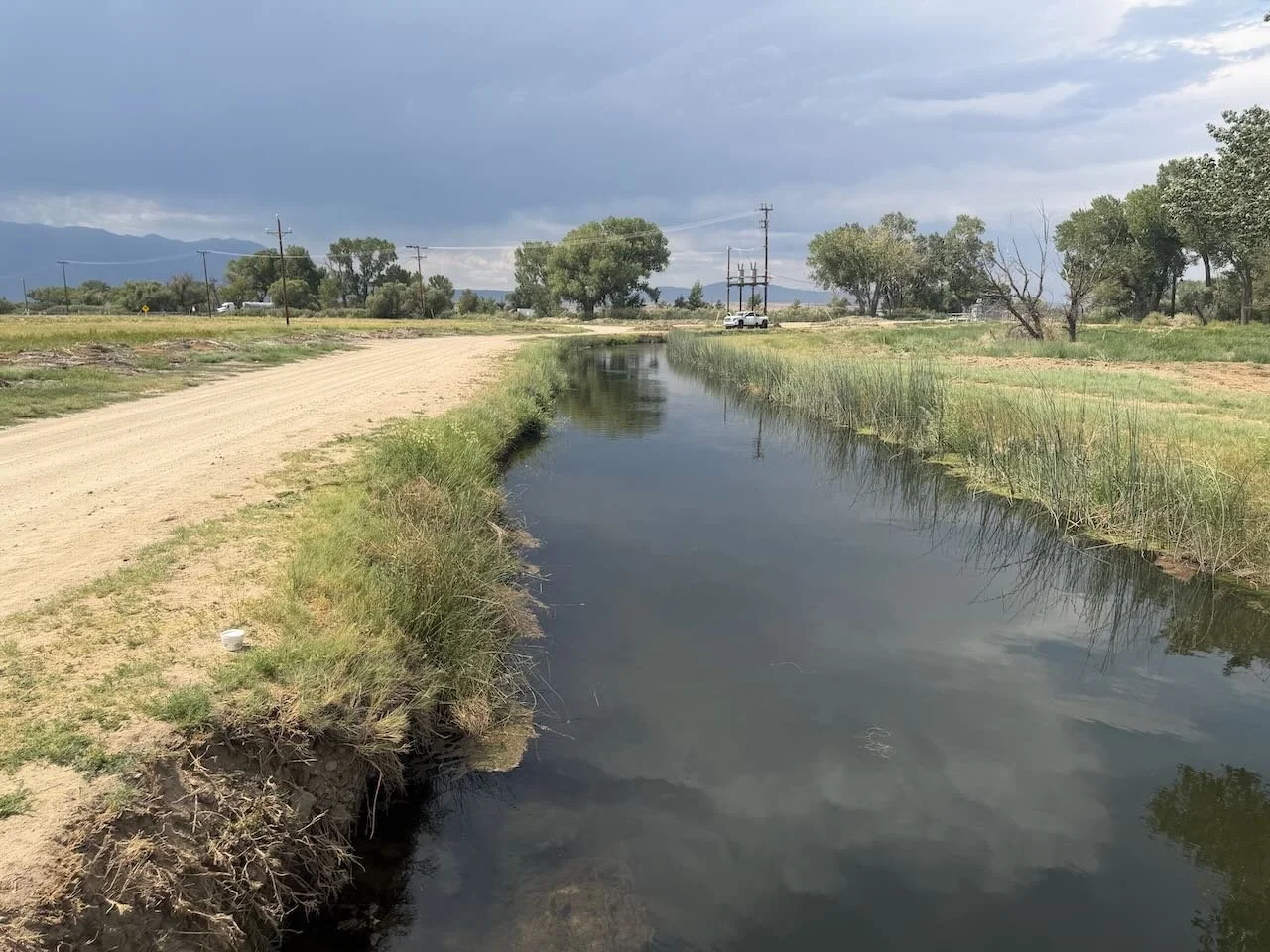
Afternoon water temperatures continue to be high and should be checked before catch and release fly fishing in Bishop Creek Canal.
Bishop Creek Canal
Behind Bishop Veterinary Hospital:
Best fly fishing has been in the mornings between 8:00 and 10:00 A.M. Fish on the surface with size 18 Adams parachutes, size 18 blue wing olive parachutes, size 18 elk hair caddis, size 18 EC caddis and size 18 parachute caddis. Throwing small streamers and working them in the deeper holes and along the banks are fooling a few trout. Fish with size 10 Mayer’s mini leech, balanced leeches and size 14 wooly buggers. A volunteer hoot owl regulation is in effect for the afternoons. Be sure to check the water temperatures after noon.
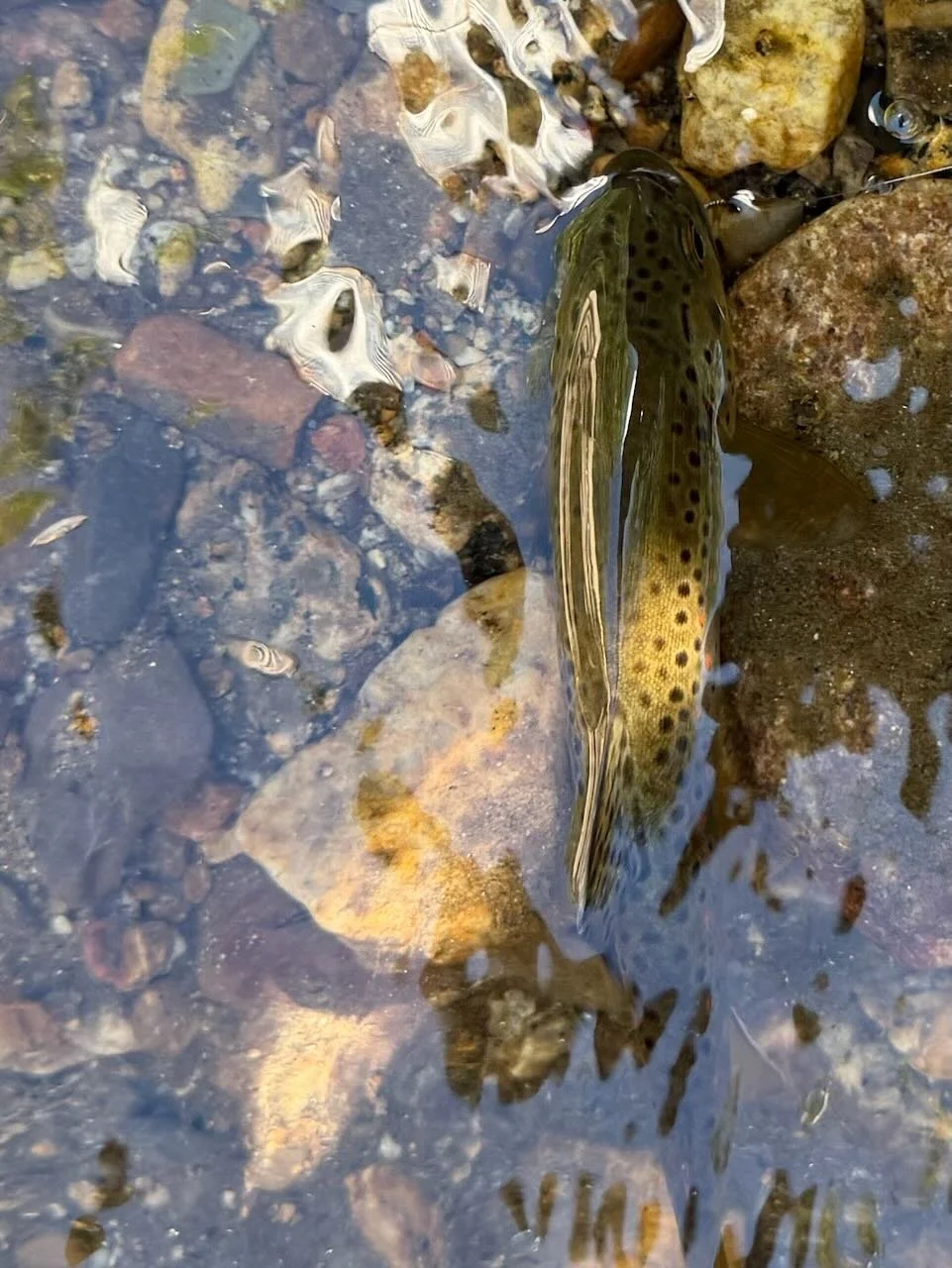
Midges under a dry fly is what is fooling the wild brown trout in Bishop Creek in Bishop Canyon.
Bishop Creek Canyon:
Now is the perfect time to escape the heat of summer and head up Bishop Creek Canyon looking to fish a dry and dropper rig for wild brown trout and rainbow trout in Bishop Creek. This is not open meadow fly casting 20 to 30 feet of fly line to rising trout. This is walking the banks of the creeks hunting for those spots you think are holding wild trout. You are looking for pools and pockets where the trout are living out of the fast current. Now comes how do I get the flies on the water. The answer quite often is dropping your fly from the end of your fly rod with just five to 10 feet of tippet out the end of your fly rod. Or you are roll casting your flies into the pools or pockets with fish. Use size 16 Adams parachutes, size 16 elk hair caddis, size 14 Royal Wulff’s and size 14 stimulators, size 16 bead head flash back gold ribbed hare’s ears, size 18 bead heads flash back pheasant tail nymphs, size 16 gold/green brassies, size 16 tiger midges and size 16 zebra midges.