Sierra Bright Dot Fly Fishing Report 11-13-2025

Is this the end of Indian summer in the Eastern Sierra as a storm is expected to hit the Eastern Sierra this weekend? This storm is expected to leave snow on the ground above 7,000 feet. The real question, is the weather going to warm up again after the storm? Great weather, good fly fishing and the last full weekend of the regular fishing season saw lots of fly fishers taking advantage of Eastern Sierra fly fishing opportunities last weekend. Some waters were crowded for this time of the year. Spawning fish moving up the tributaries from lakes are offering good fall fly fishing for brook trout and brown trout. Midges, mayflies and caddisflies continue to feed trout on the surface and the substrate. Be aware that Saturday November 15th, 2025 is the last day of the regular fishing season. Winter regulations go into effect on Sunday November 16th, 2025.

 If you want firsthand information on Eastern Sierra fly fishing join locals and visitors every Tuesday at Mahogany Smoked Meats for Tuesday Talks with Fred from 9:00 to 11:00 A.M.
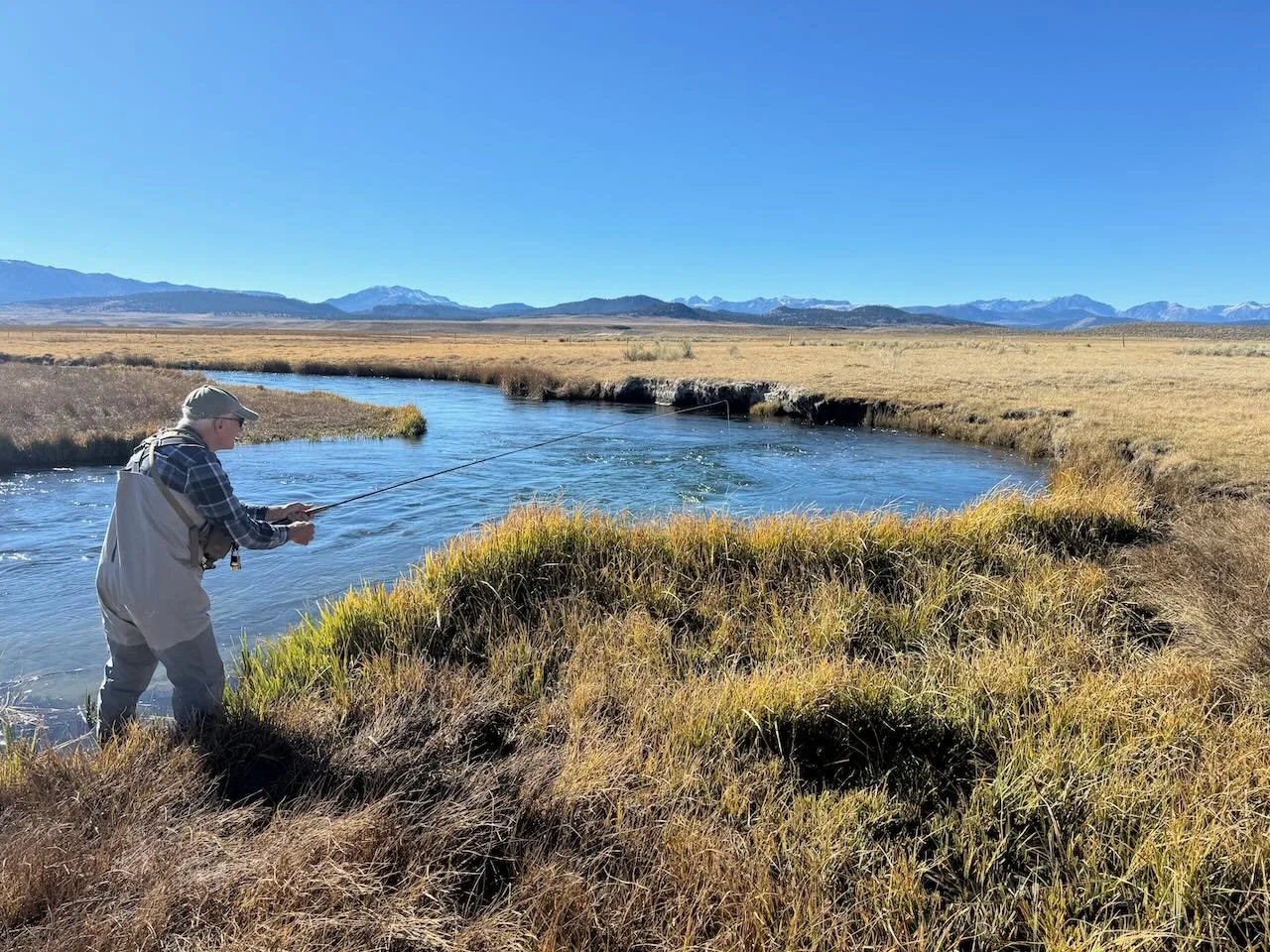
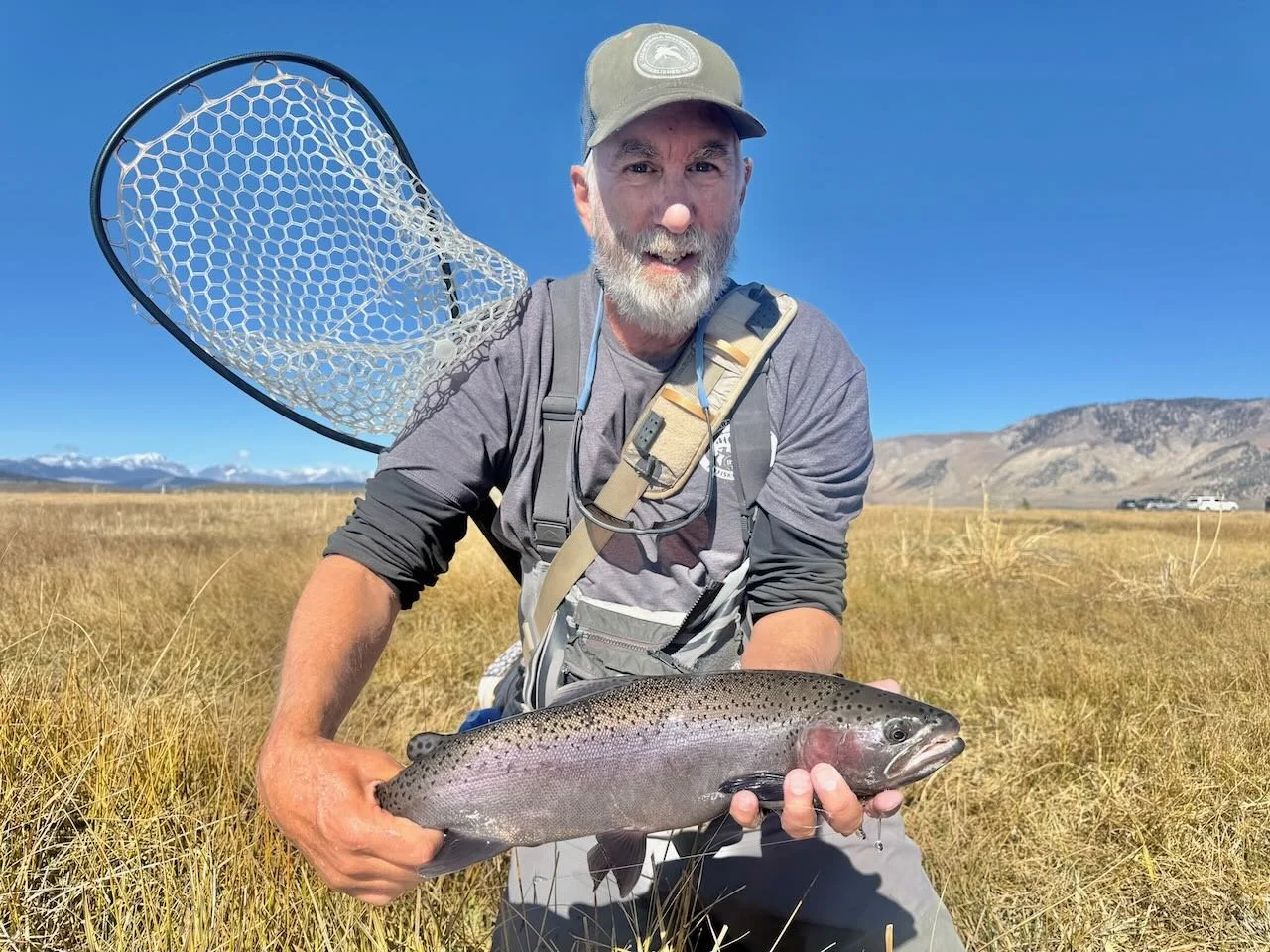
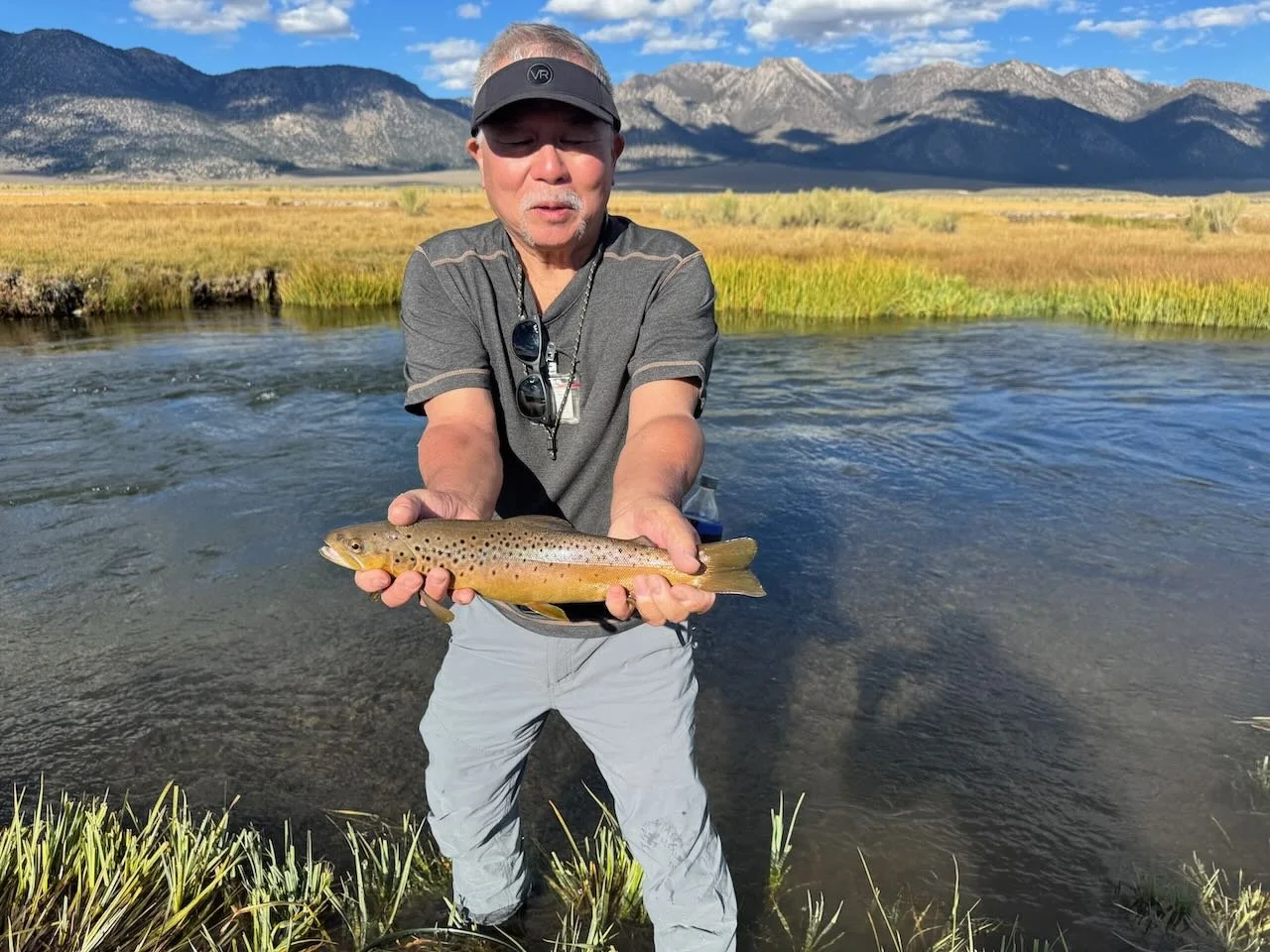
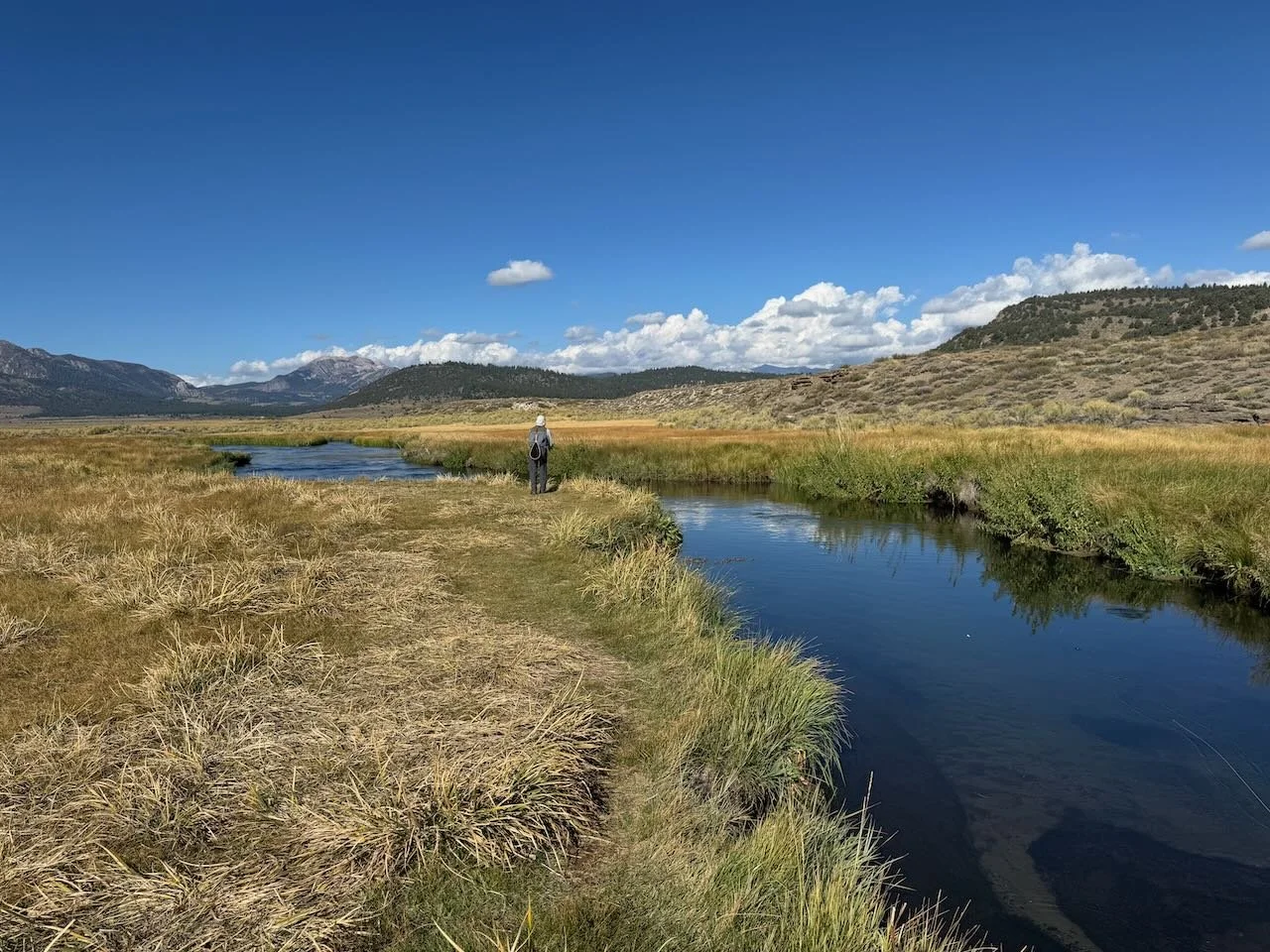
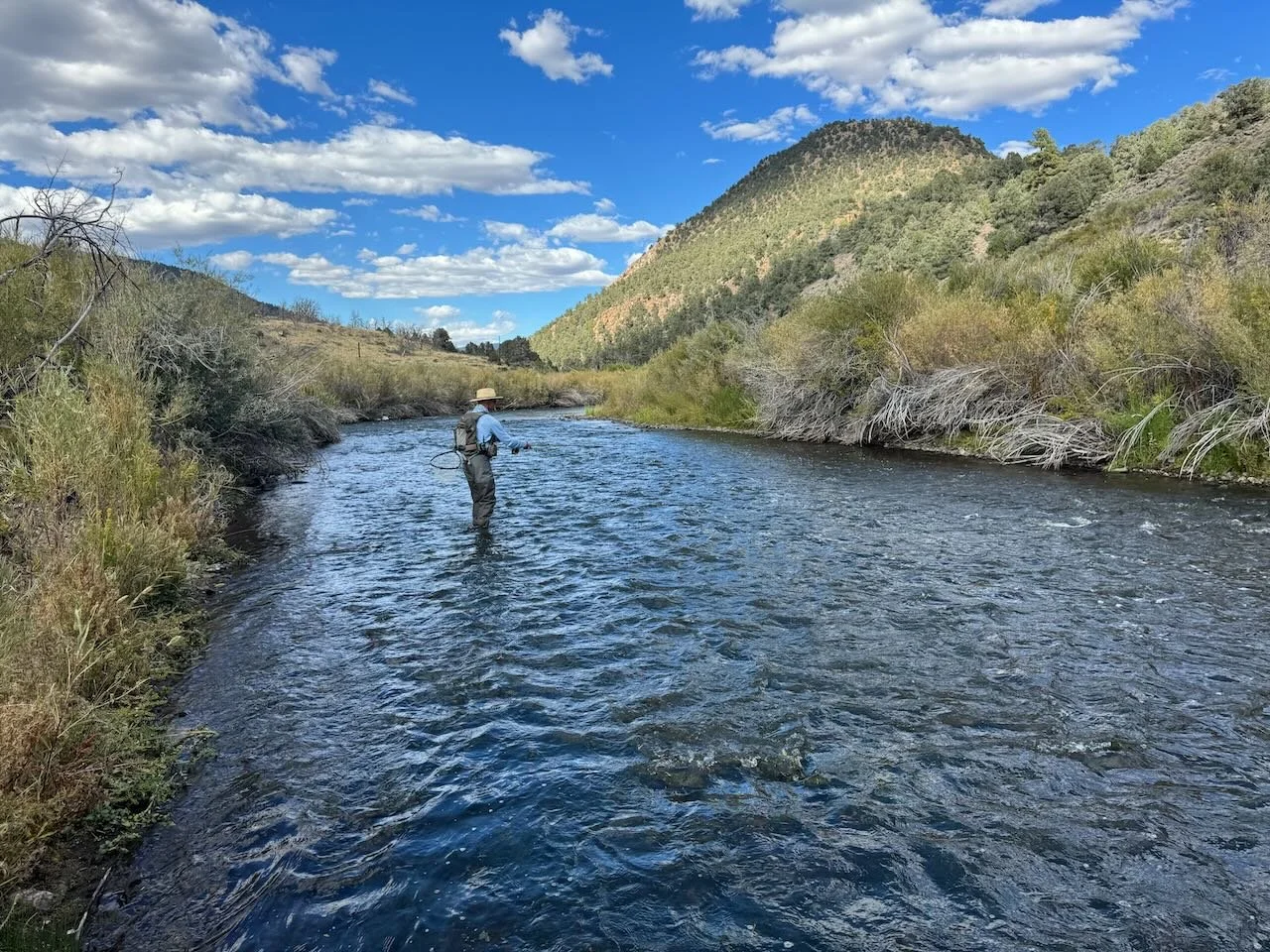
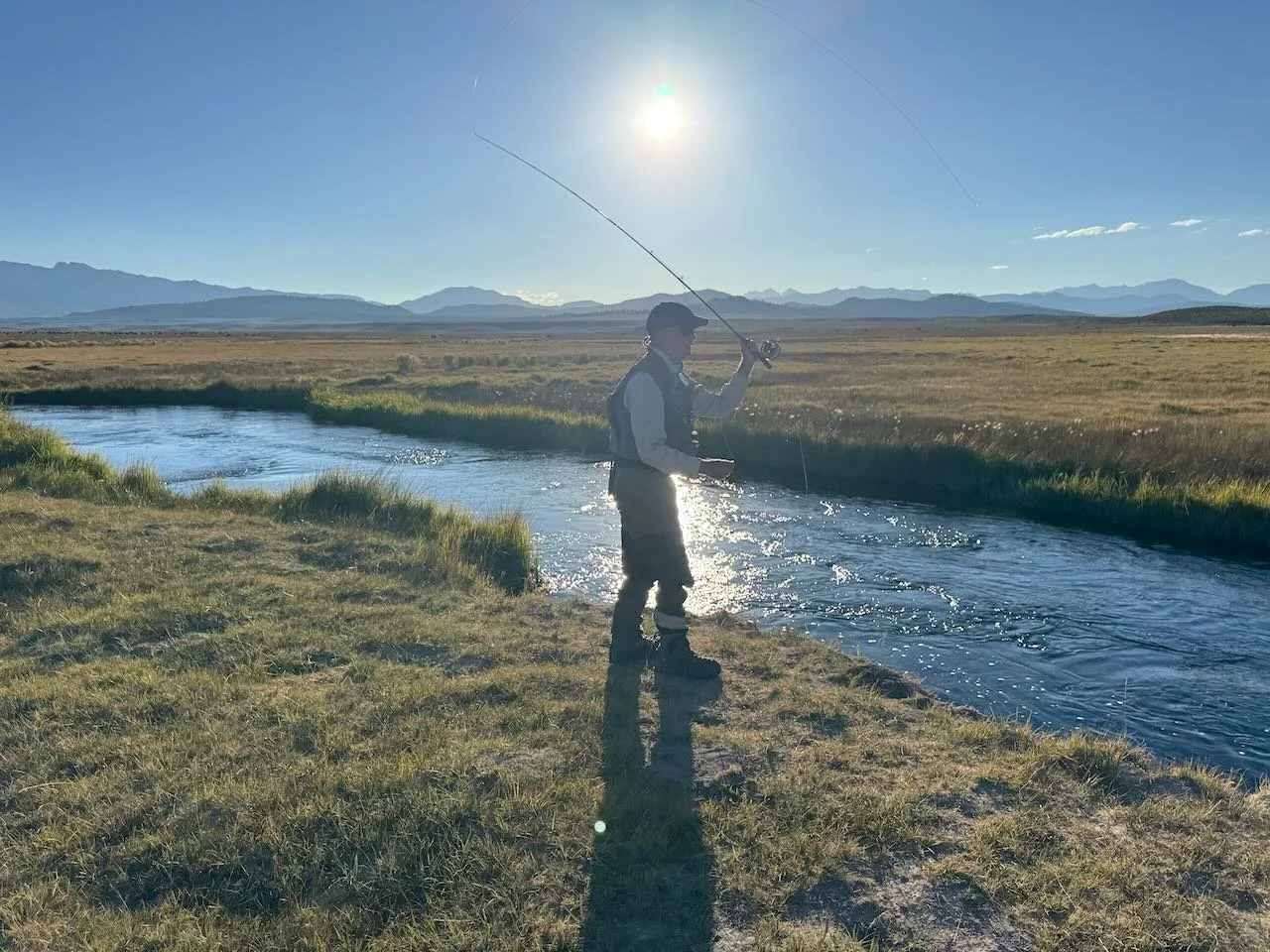
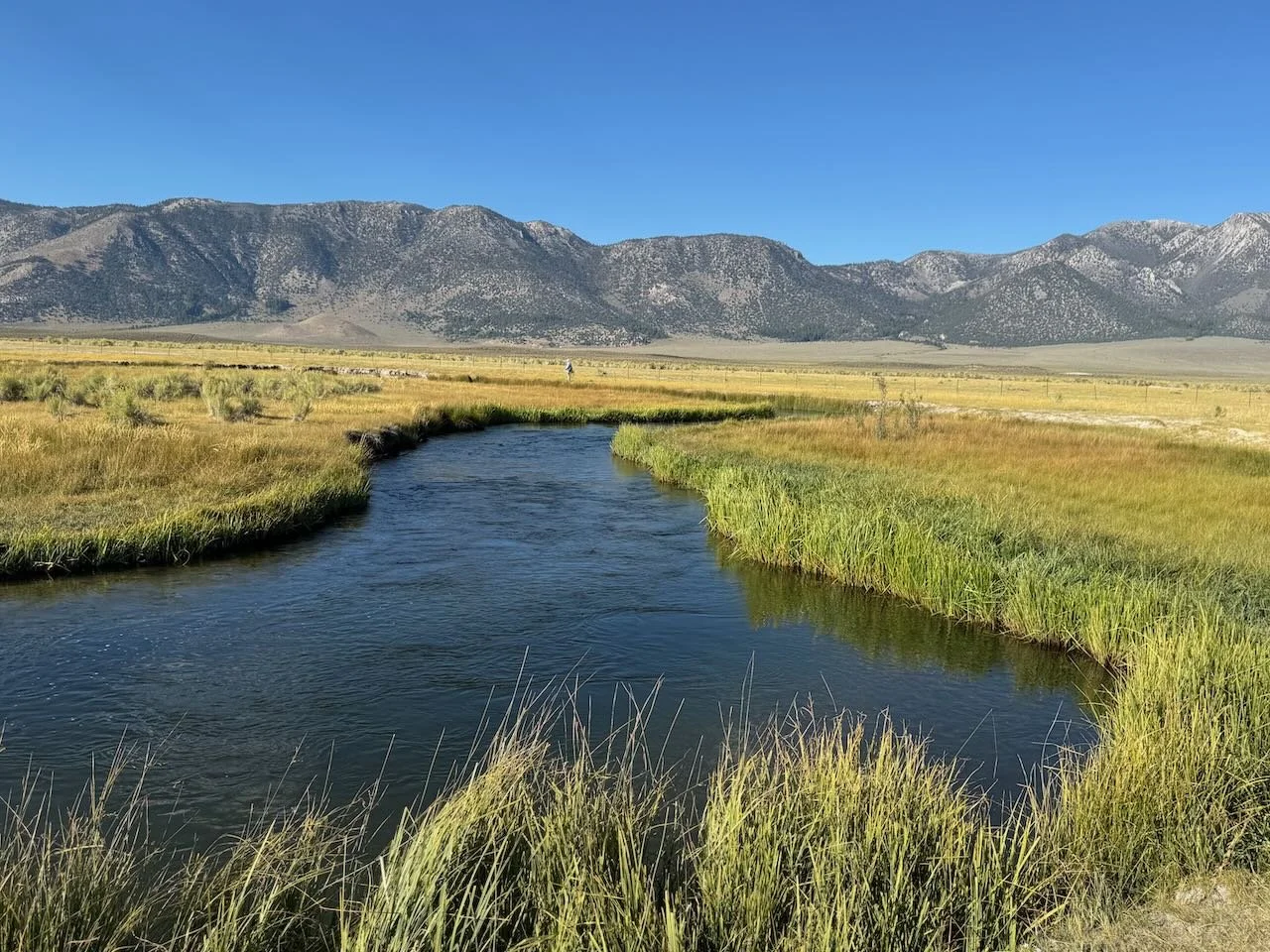
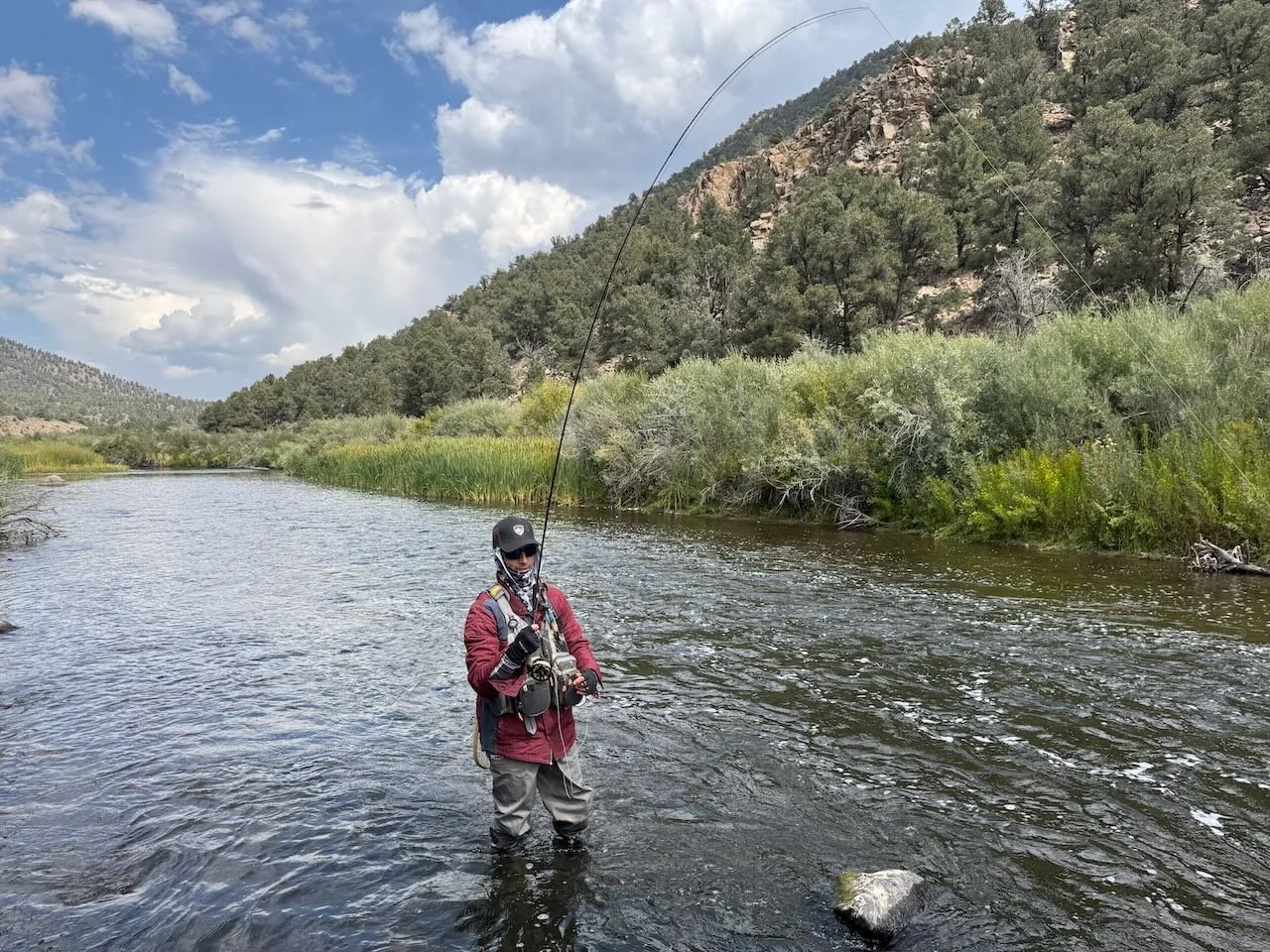
Fall in the Eastern Sierra is the perfect time to be fly fishing especially the upper Owens River looking for trophy trout.

Lower Owens River

Wild Trout Section:

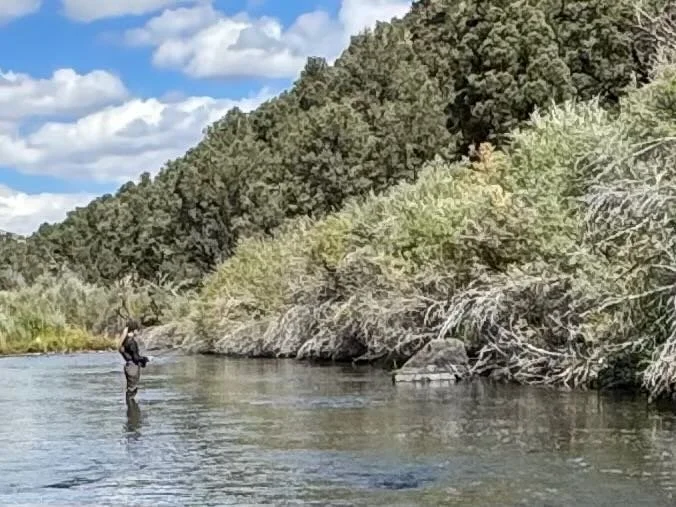
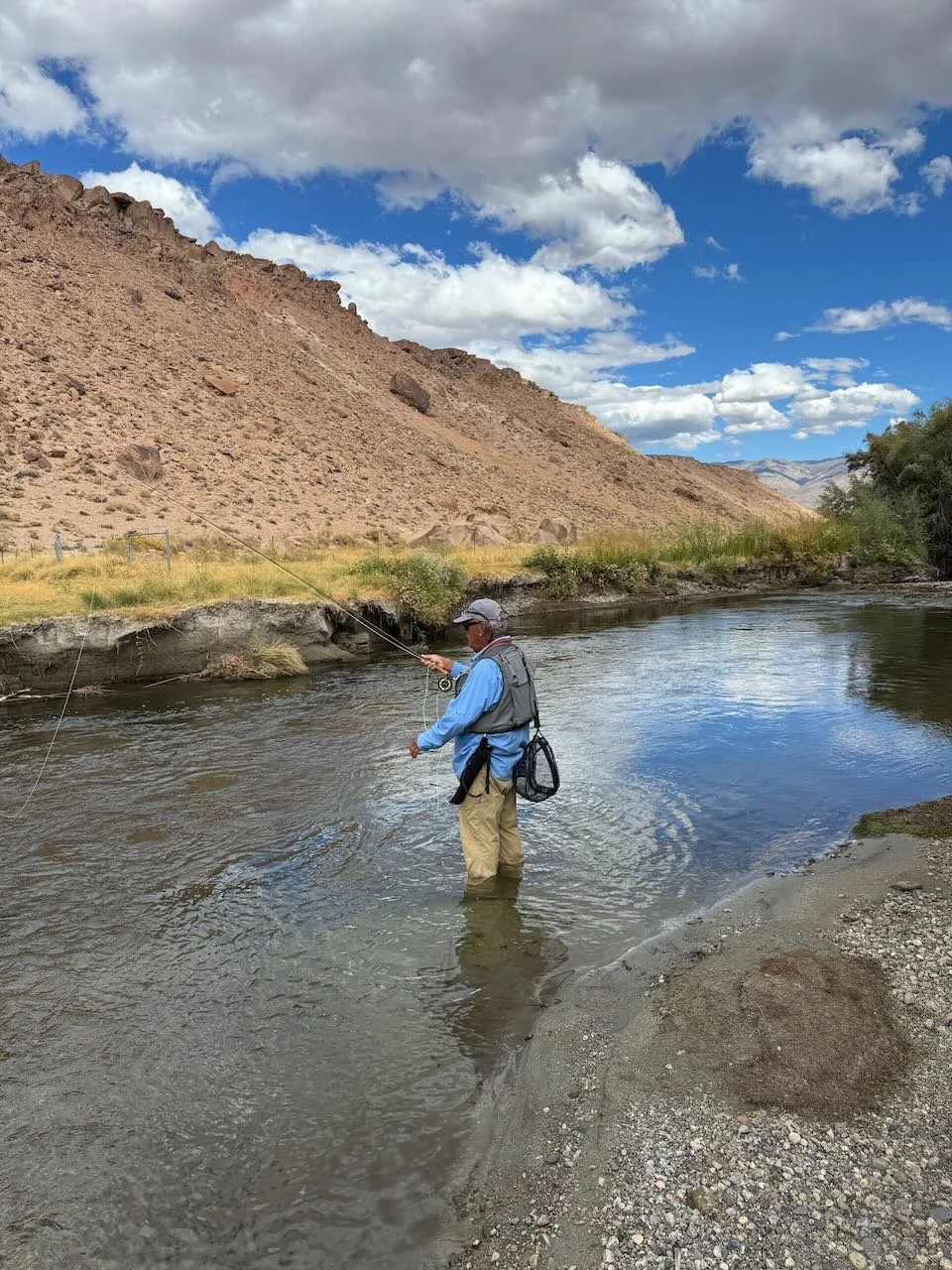
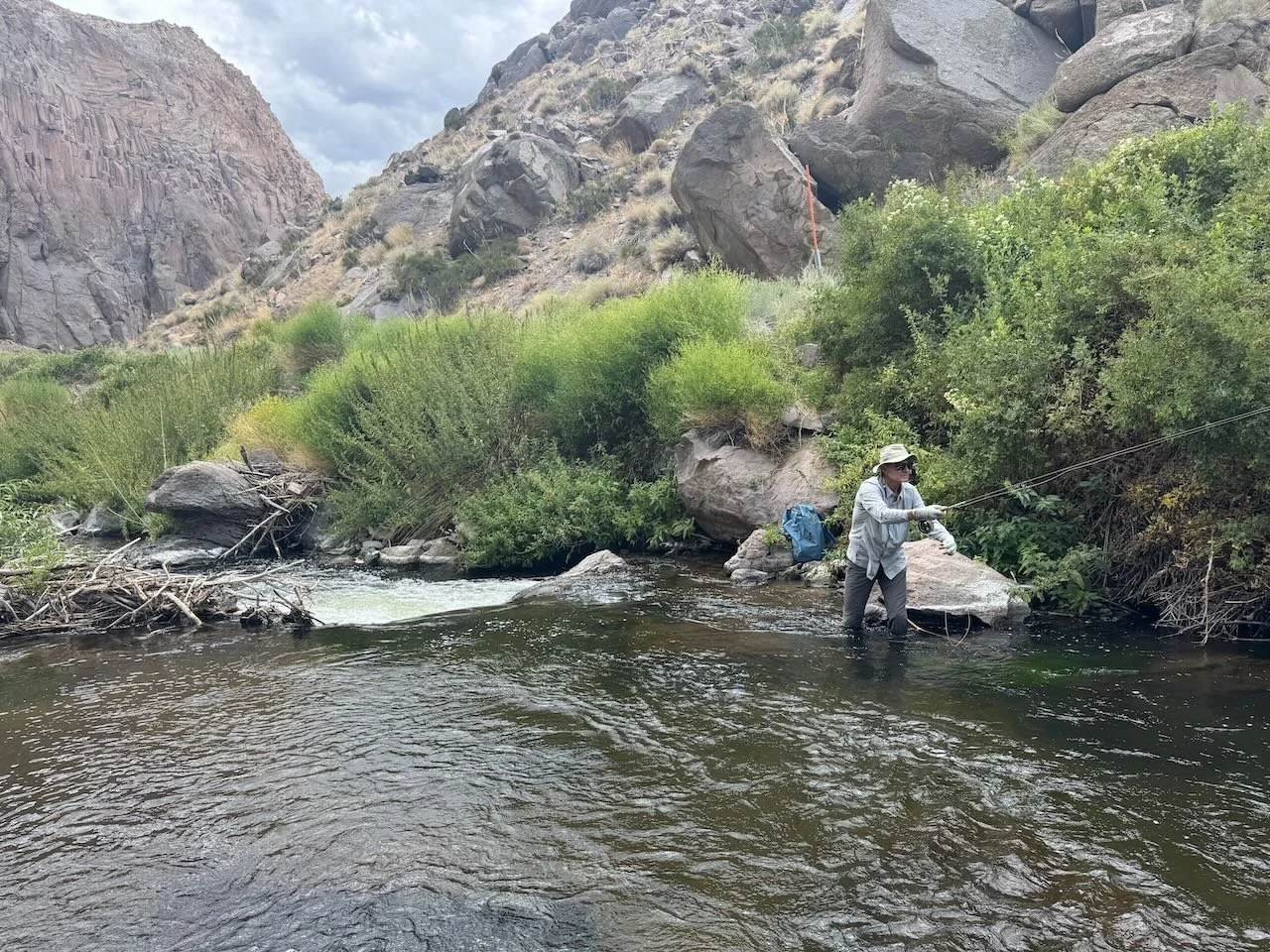
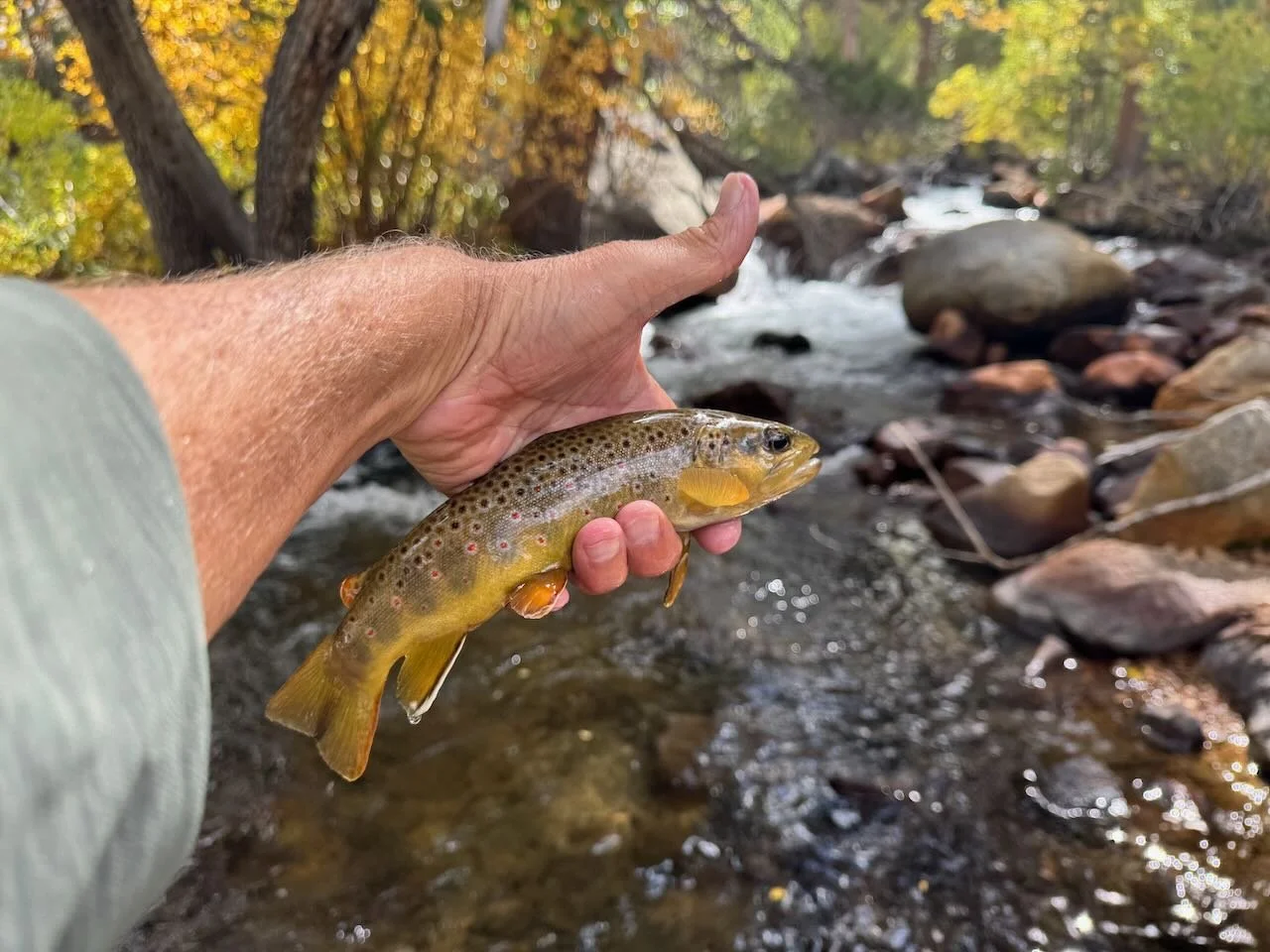
Mayflies are hatching mid-day and the trout are feeding on the nymphs and the adults. There are lots of five to 15 inch wild brown and rainbow trout feeding in the riffles and pools. The words out that the fly fishing on the lower Owens River is good and there are lots of fly fishers taking advantage of the current fly fishing conditions and warm weather on the weekend. Nymphing with size 18 olive quill nymph, size 16 hot spot pheasant tail nymphs, size 18 Frenchies, size 18 olive quilldigon and size 18 bead head flash back pheasant tail nymph are the nymphs that are fooling the trout. On the surface fish with size 18 olive sparkle duns, size 18 Adams parachutes and size 18 blue wing olive parachutes to fool six to 12 inch rainbows and browns. Whether fishing with dries or nymphs an upstream cast with a drag free drift is going to produce more fish.
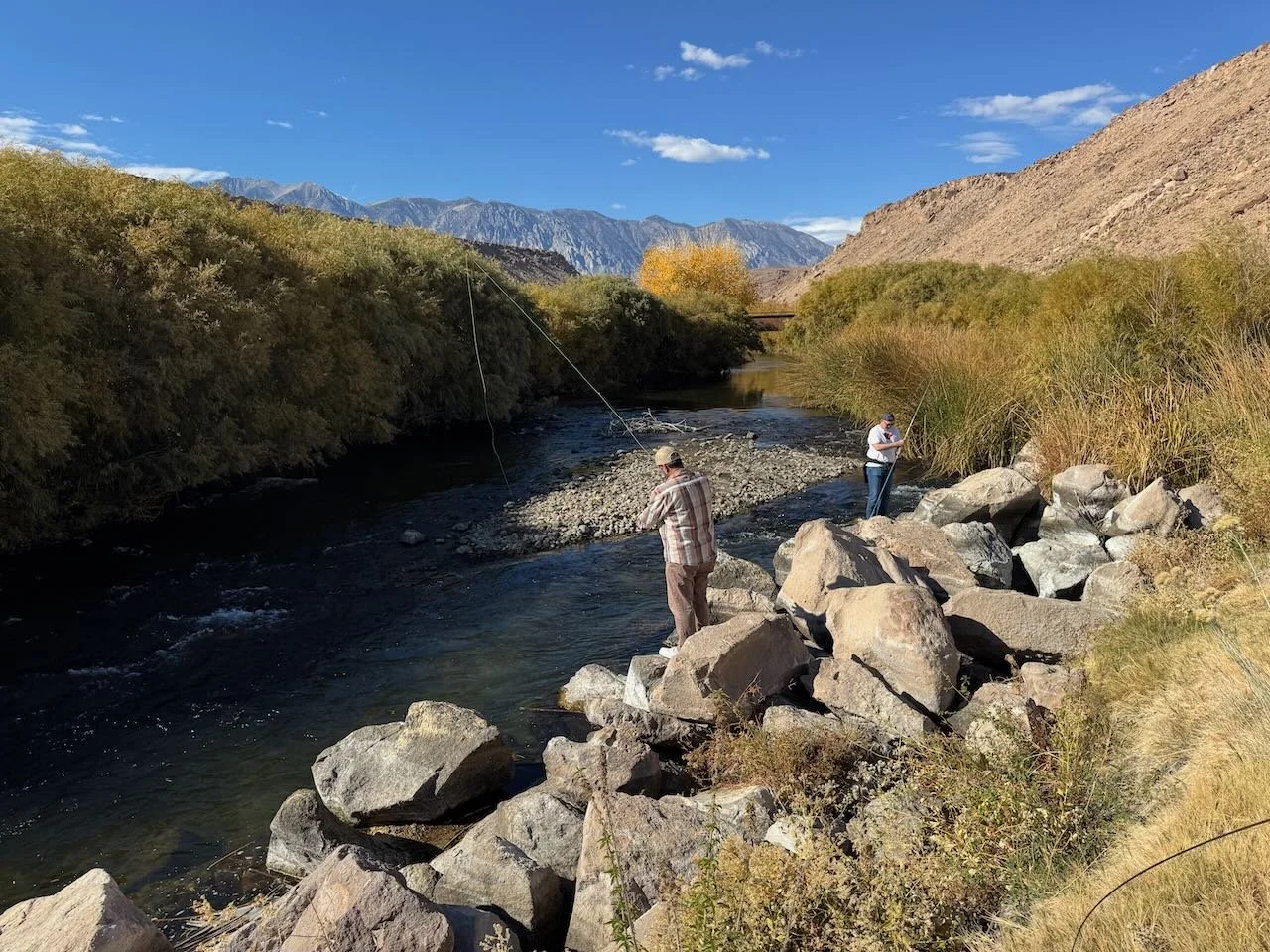
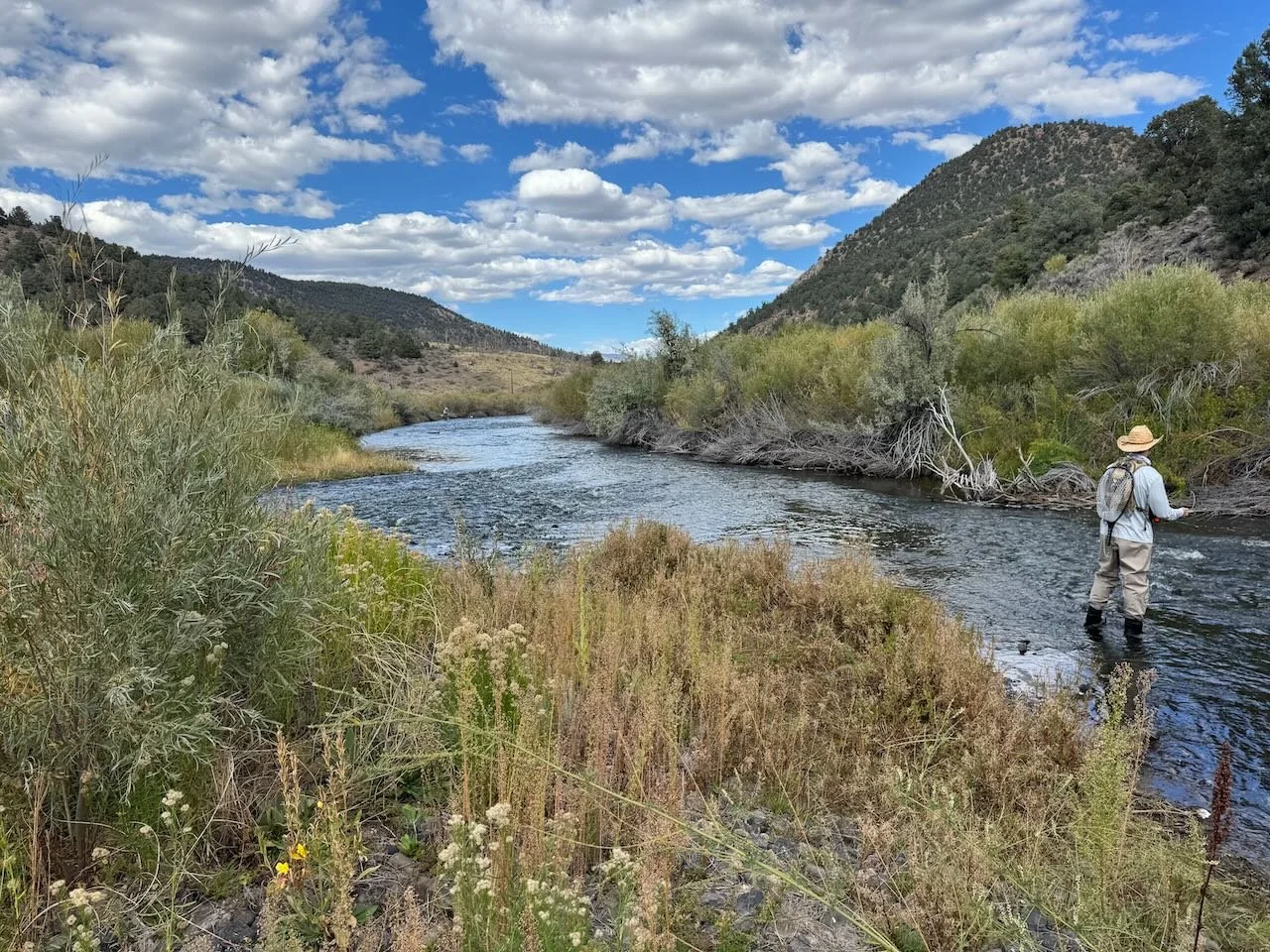
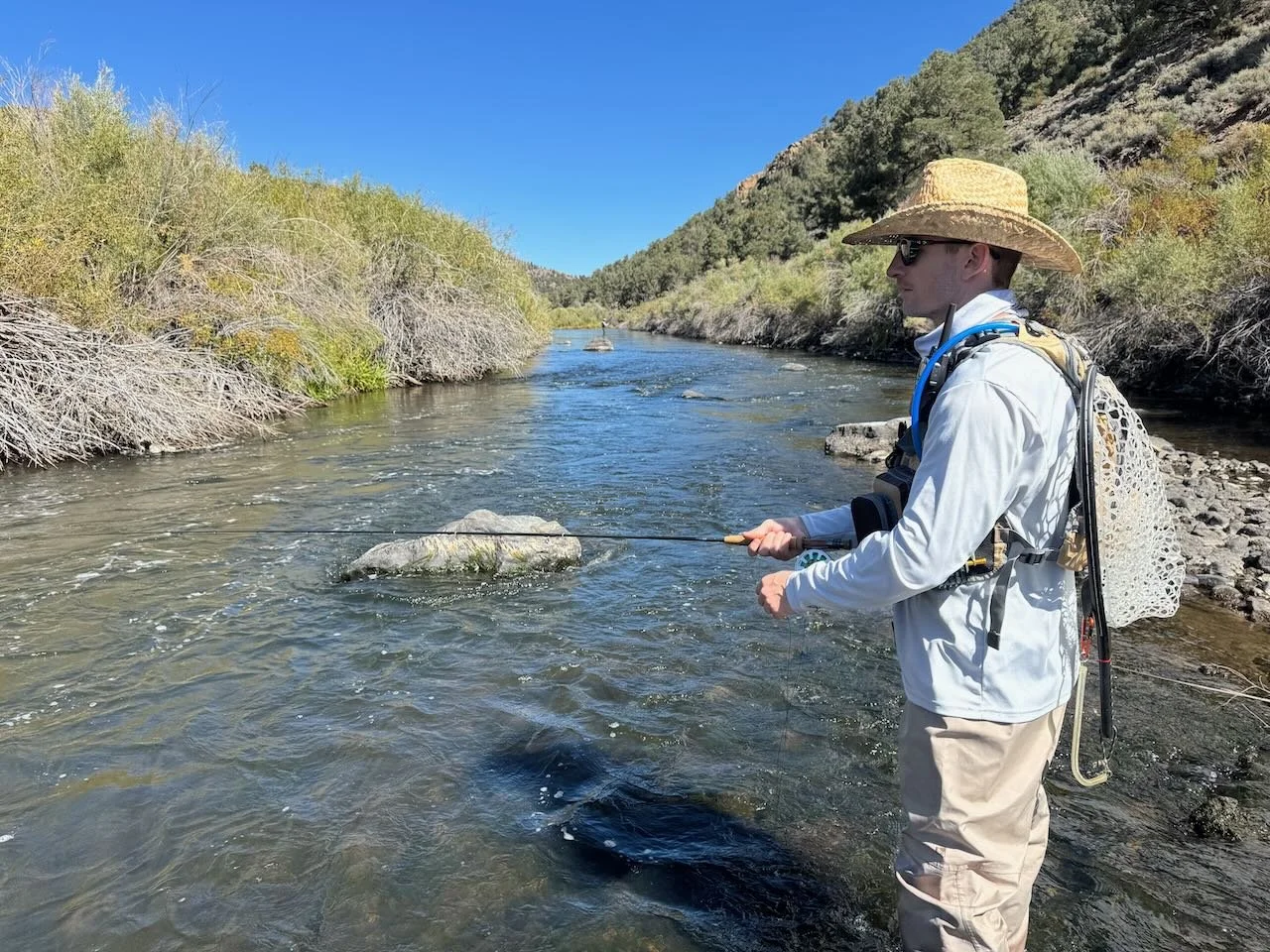
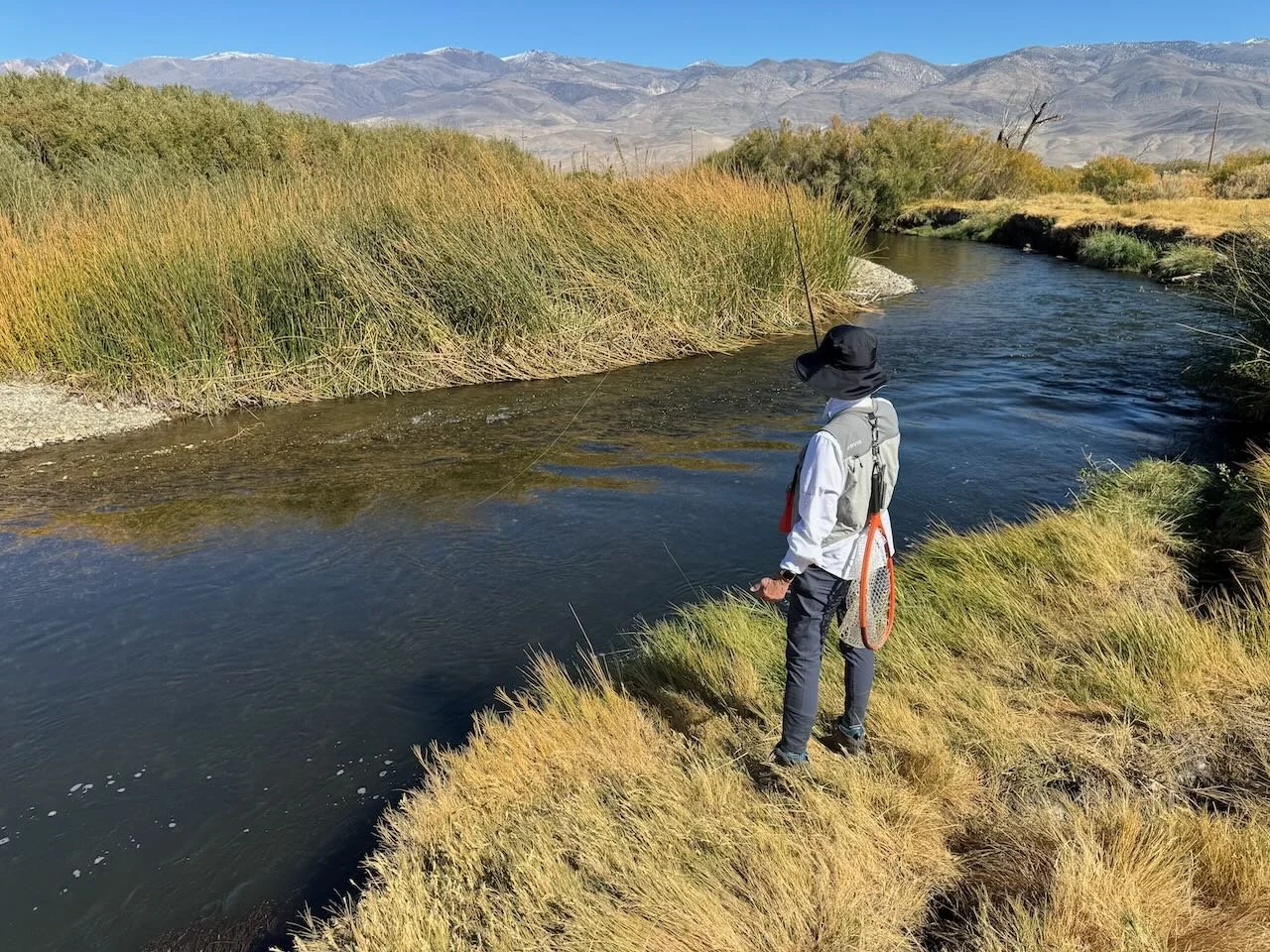
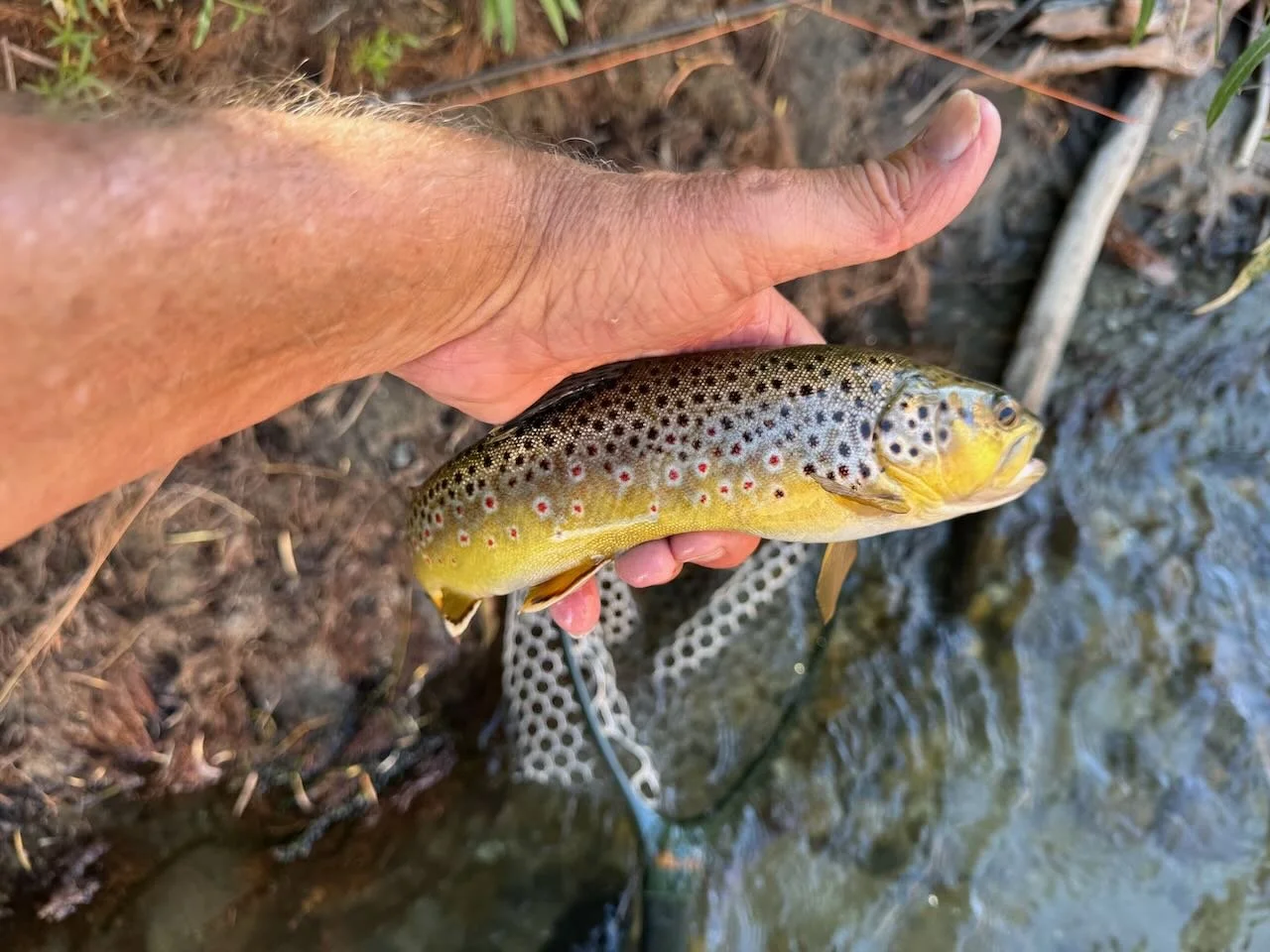
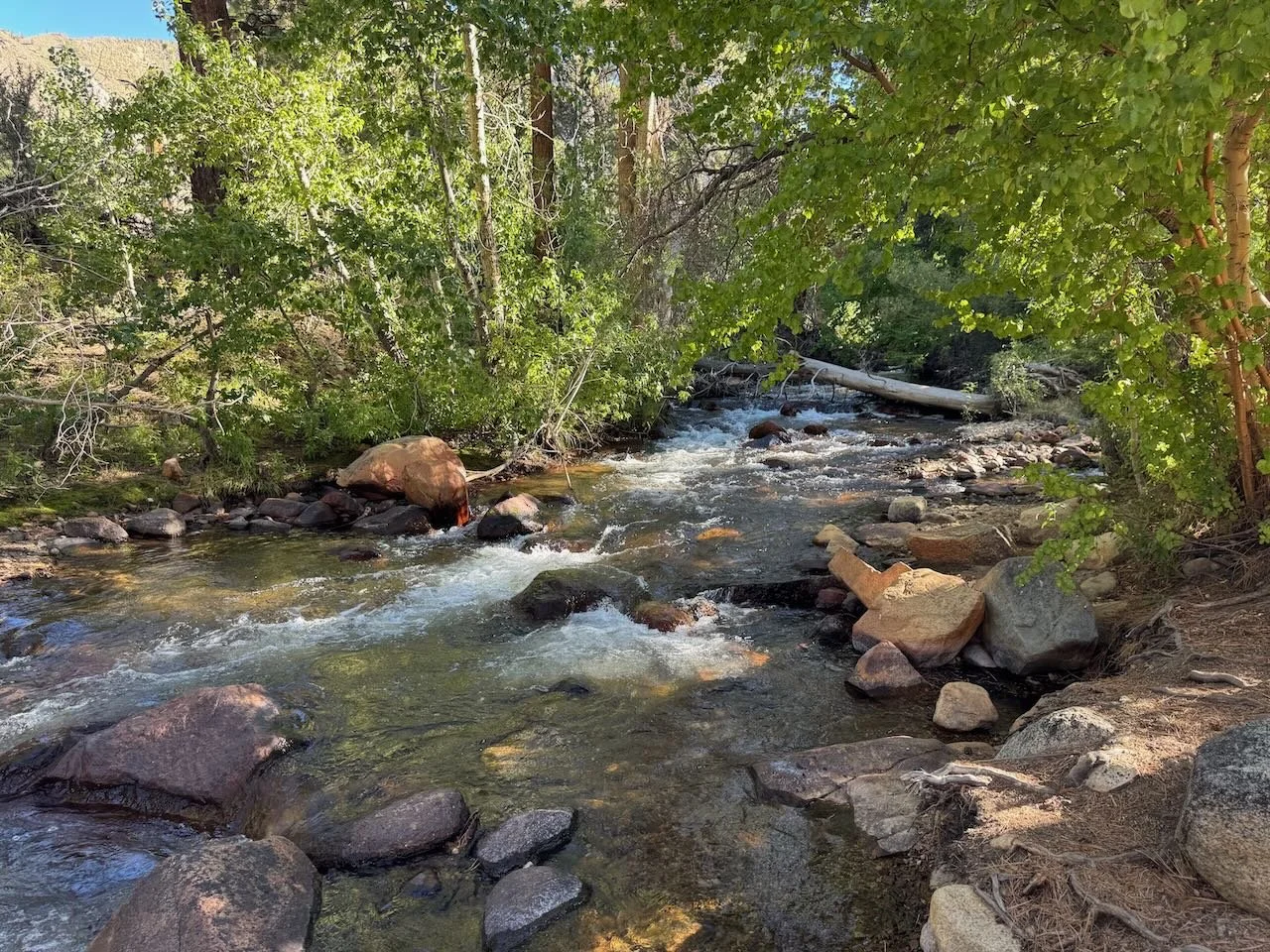
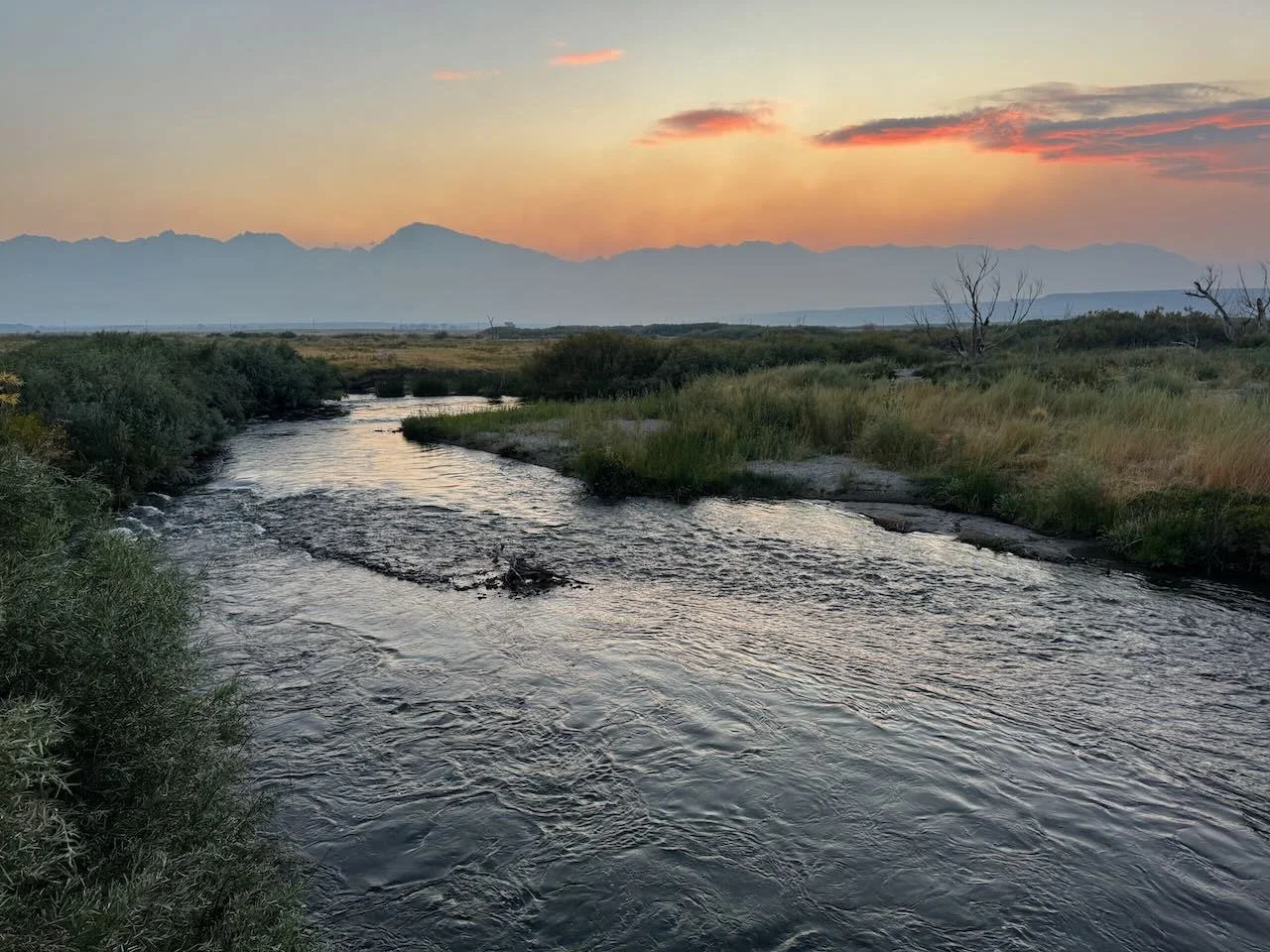
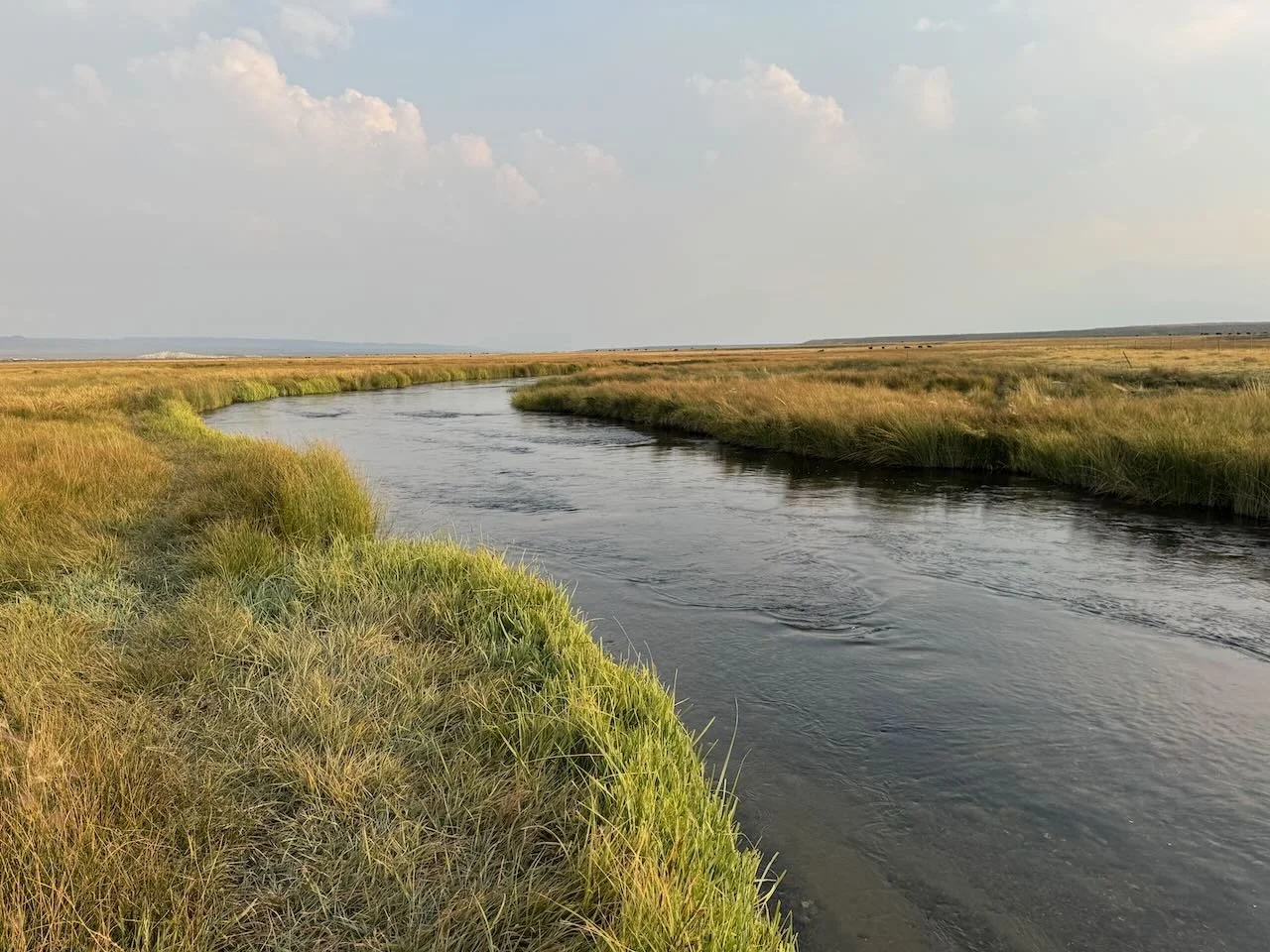
Fall is the perfect time to enjoy the lower Owens River with warm days and trout feeding on nymphs and dries.

Hot Creek

Interpretive Site:

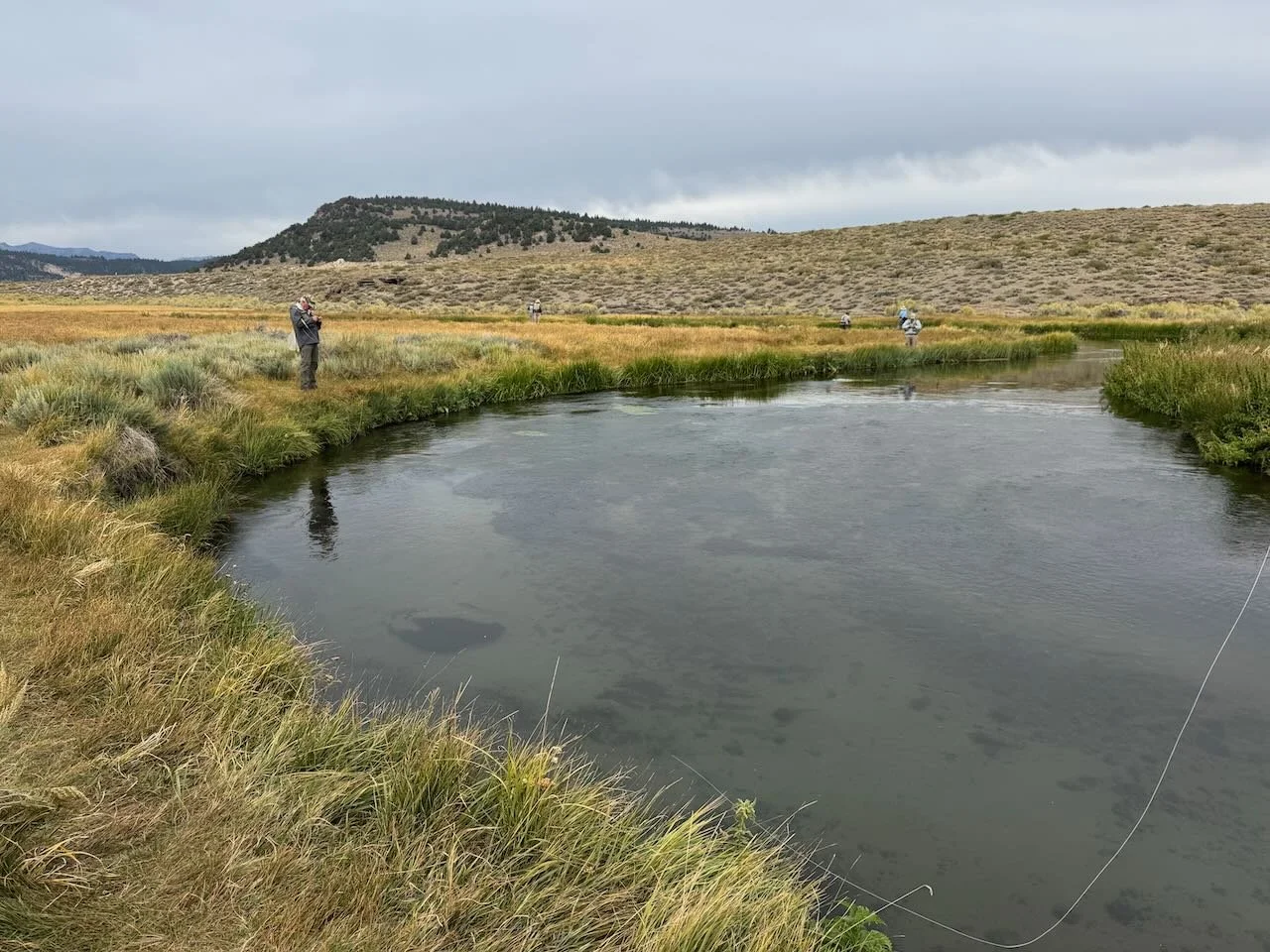
Snow this weekend could hamper access to the Interpretive Site. Snow and cloudy days make the blue wing olive hatch more intense. Be on the creek by nine with a size 20 olive sparkle dun, size 20 Adams parachute and size 20 blue wing olive parachute on the end of a size 6X tippet attached to nine foot 5X or 6X leader. Caddis hatches are starting to disappear, but size 20 elk hair caddis patterns should be in the fly boxes of fly fishers for those days that the caddis hatch.
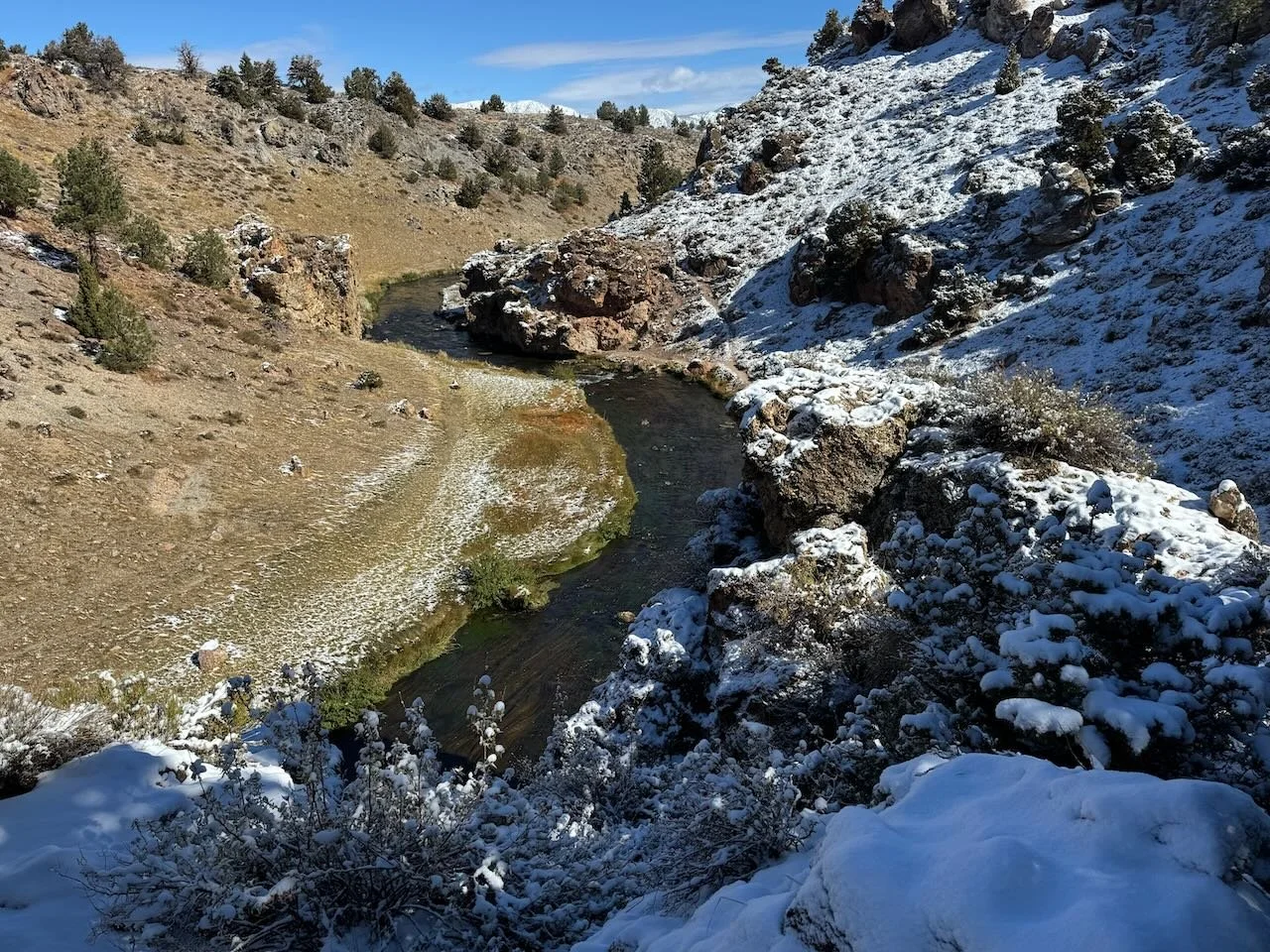
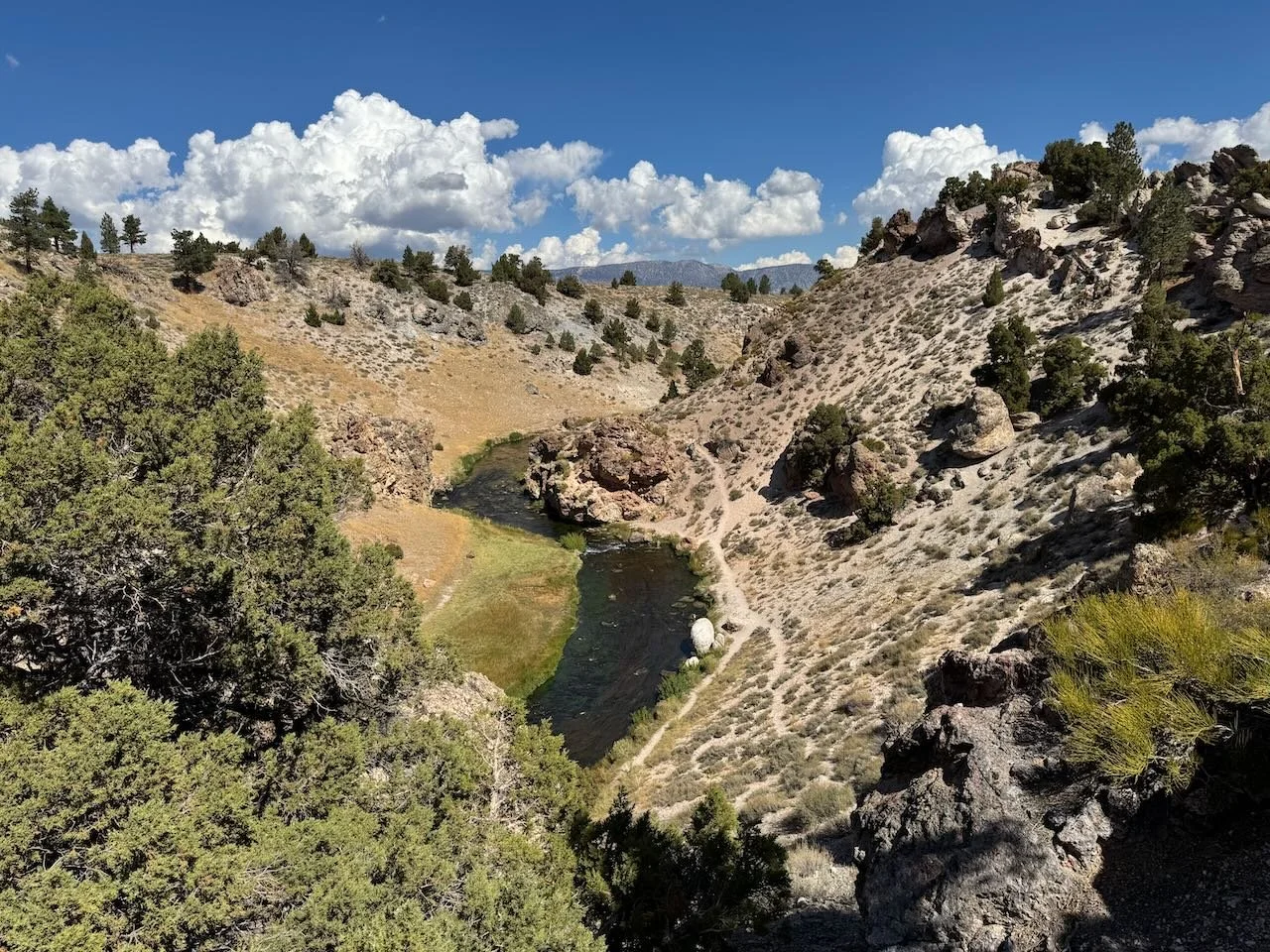
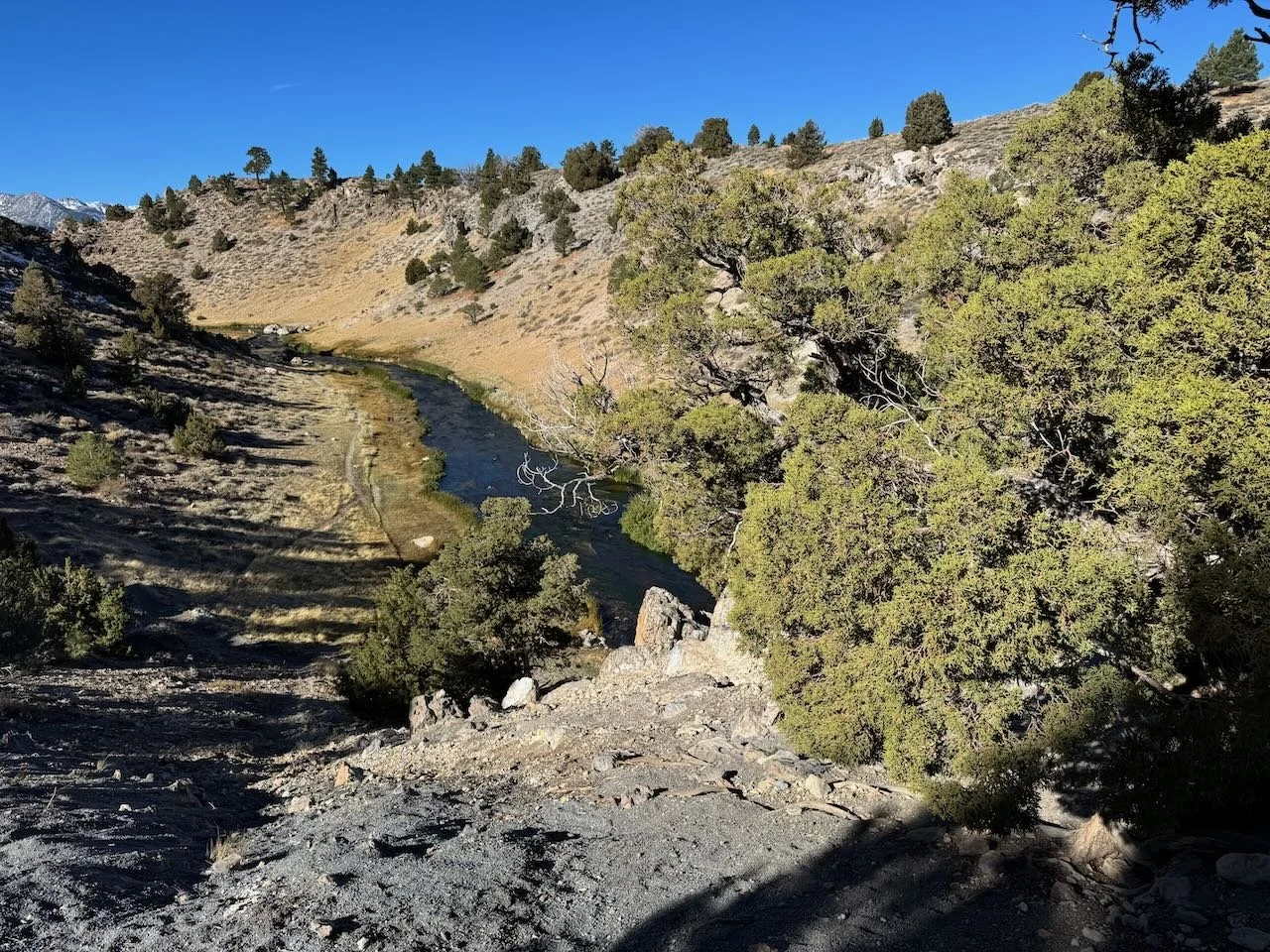
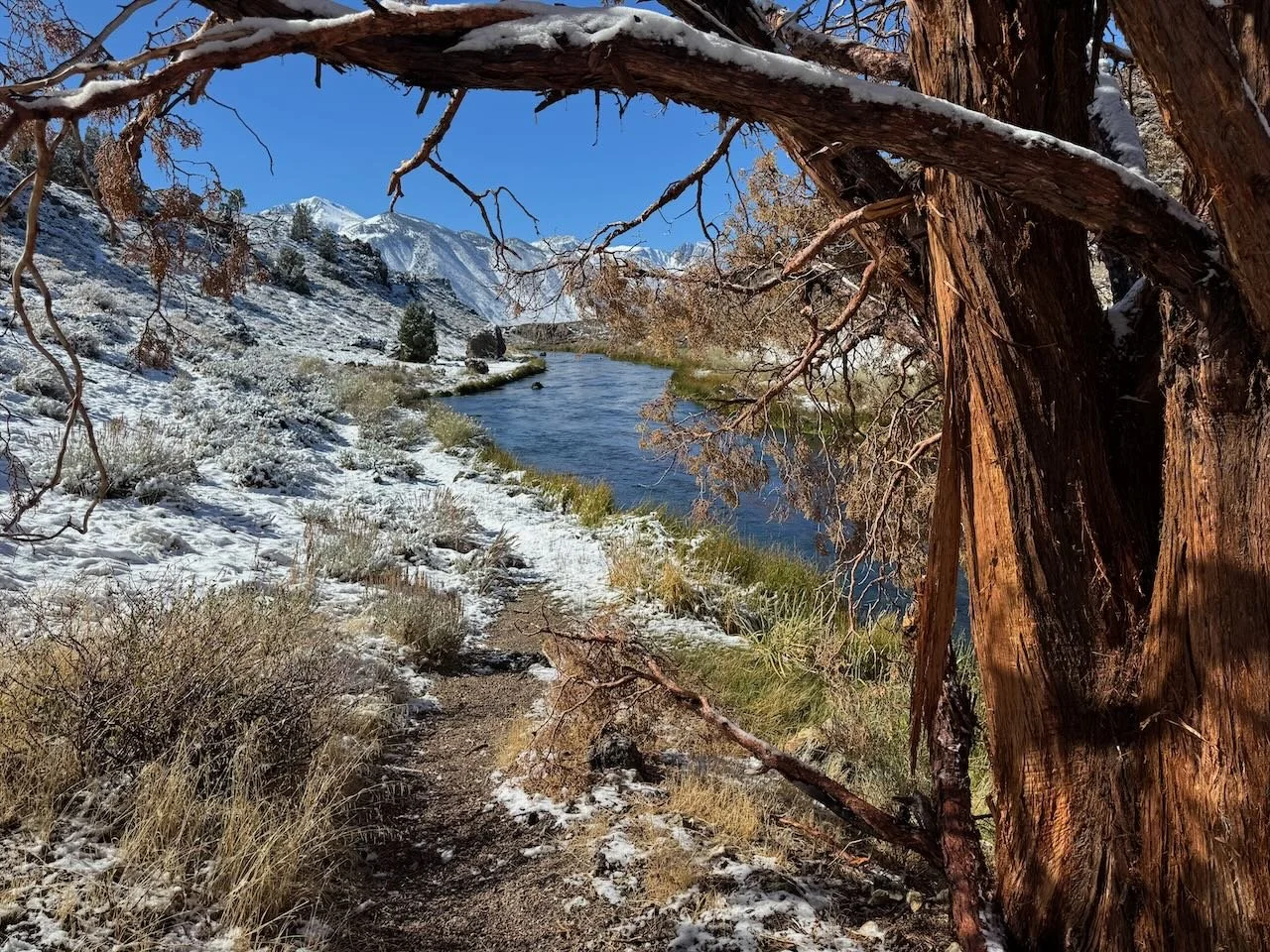
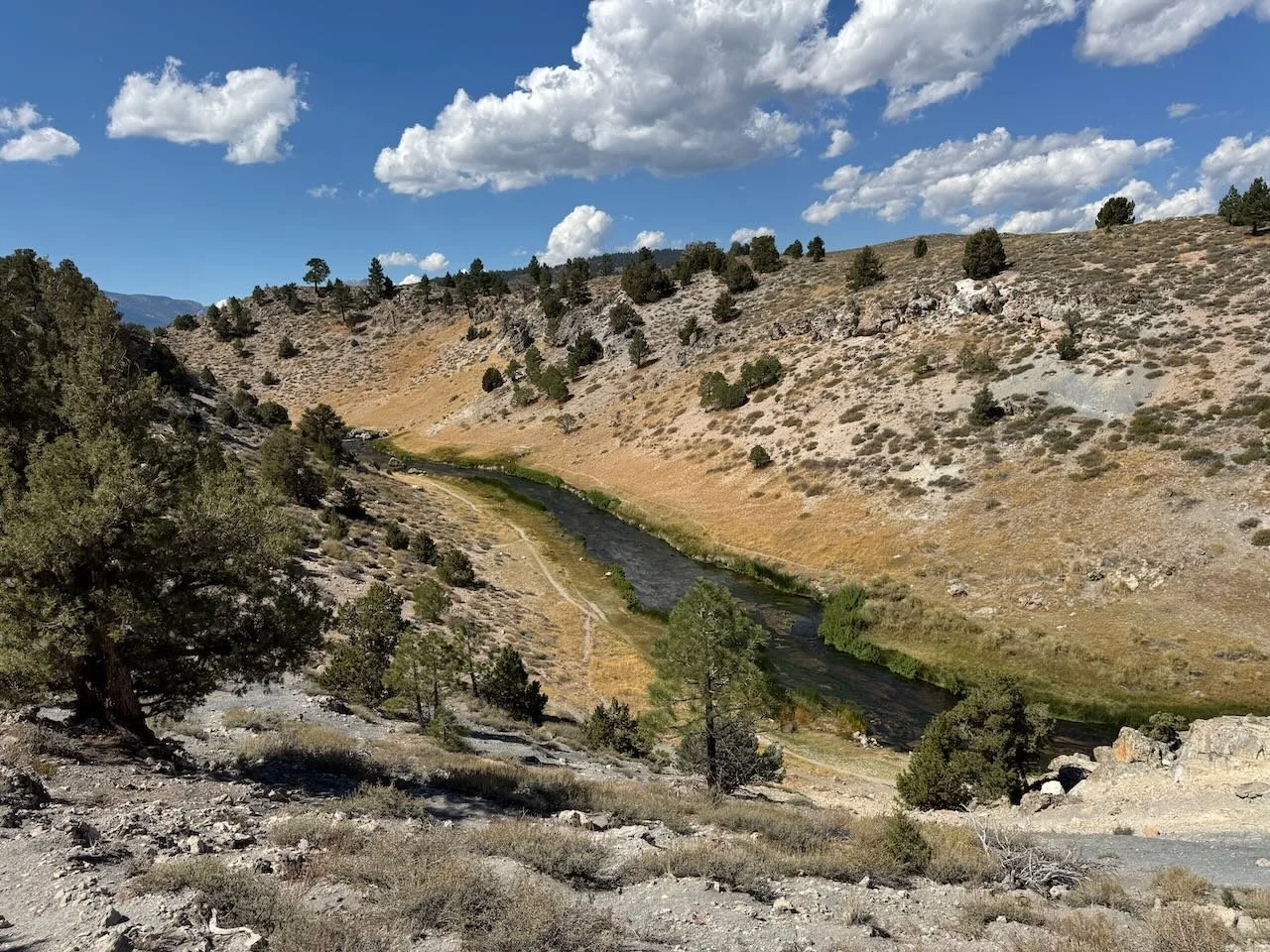
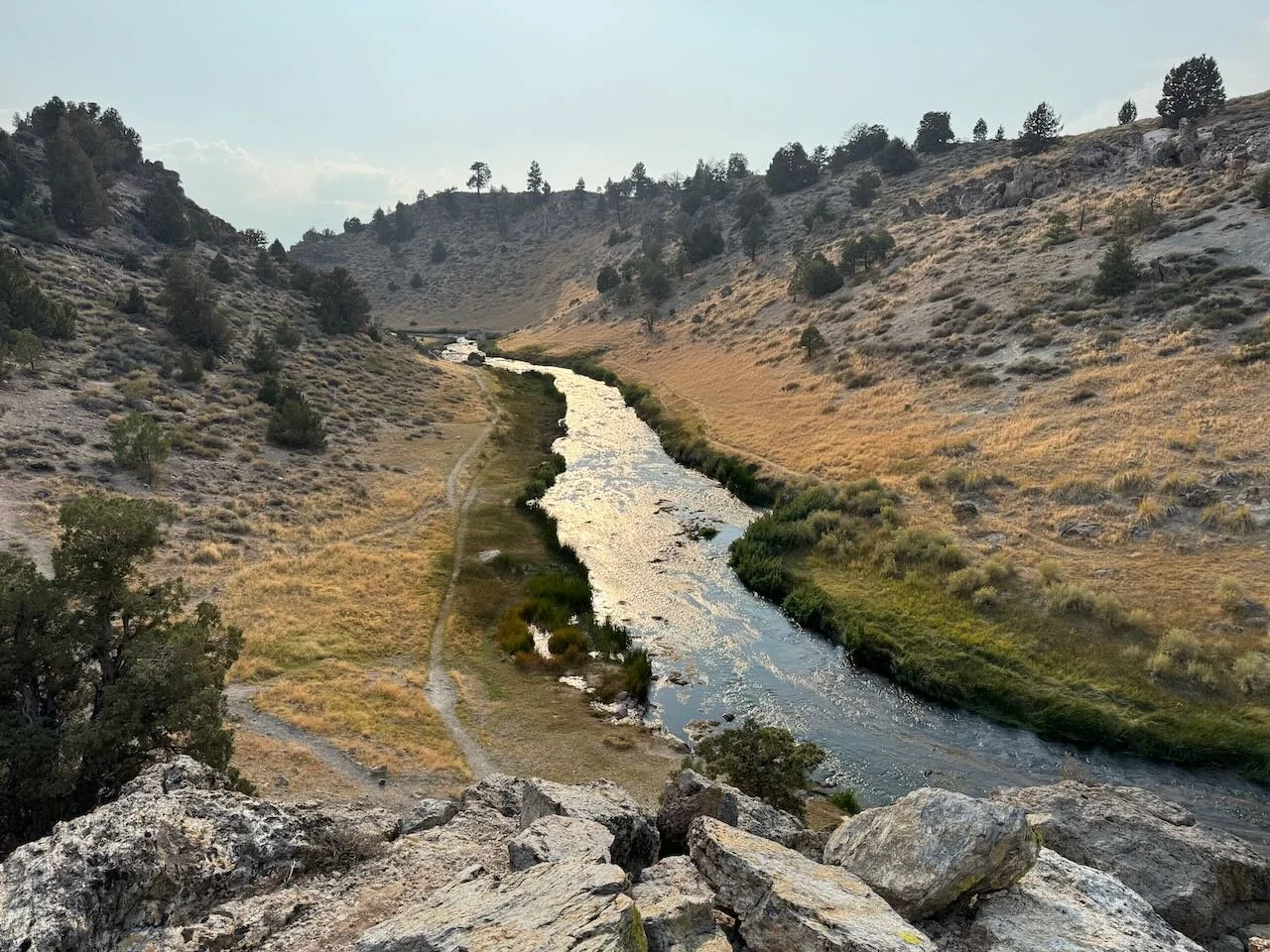
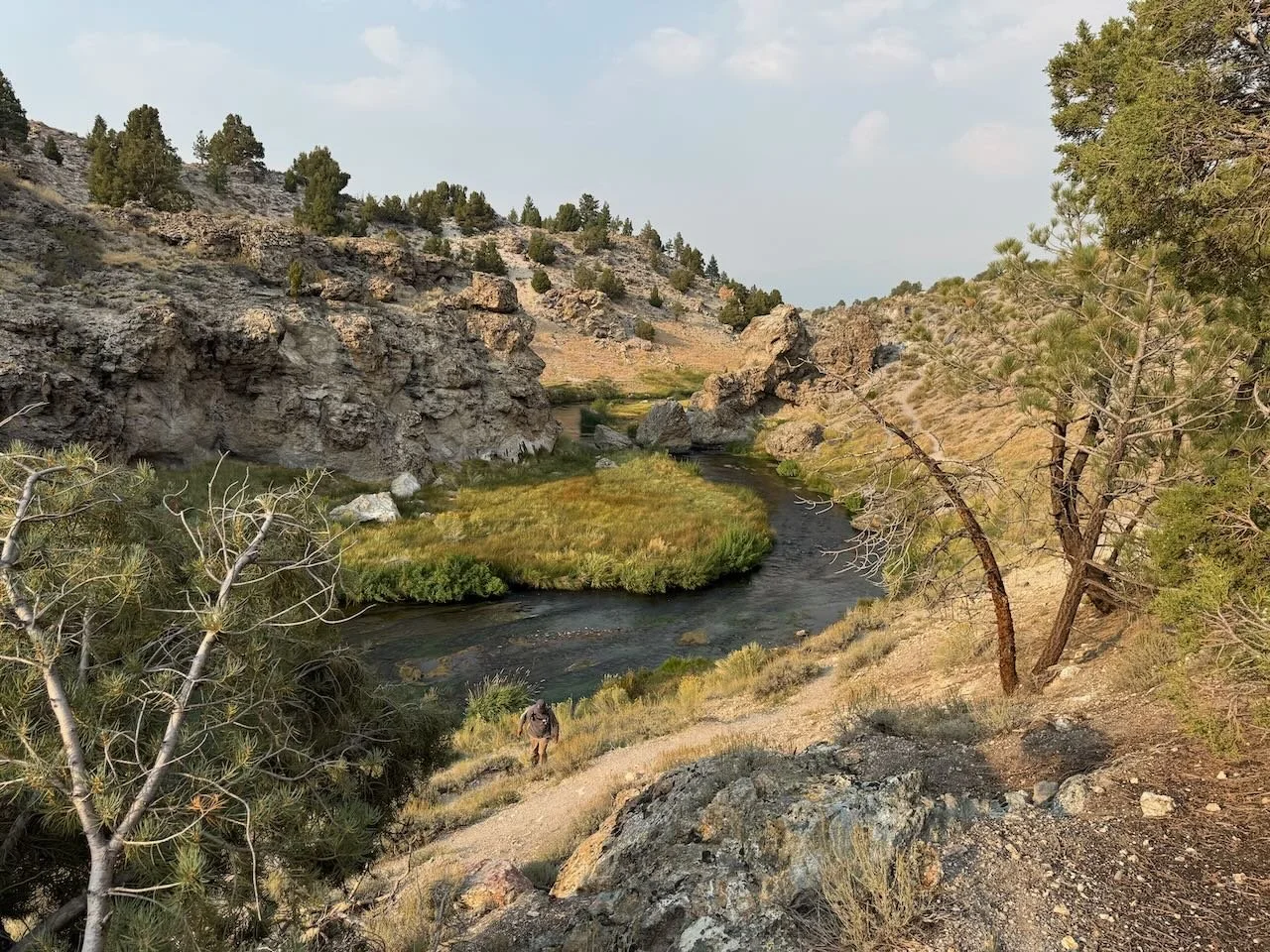
Snow is expected to lightly blanket Hot Creek this weekend as a storm moves through the Eastern Sierra.

Hot Creek

Canyon Section:

Snow on the ground, weed beds are breaking up and most fly fishers are off the creek. This is the perfect time to be fly fishing in the canyon. Working nymphs in between the weed beds, in the open riffles and deeper holes is producing wild rainbows and browns to 15 inches. Fish with size 18 olive quilldigons, size 18 bead head flash back pheasant tail nymphs and size 18 tiger and zebra midges. Fishing with dries is the best way to fly fish. When the trout come to the surface to feed on hatching insects it’s time to switch from nymphs to dries. When the blue wing olive mayfly hatch starts fish with size 20 Adams parachutes, size 20 olive sparkle duns and size 20 blue wing olive parachutes. When the hatch is over switch back to nymphs or head off the creek in search of other waters to fly fish. The upper Owens is only 20 minutes away.
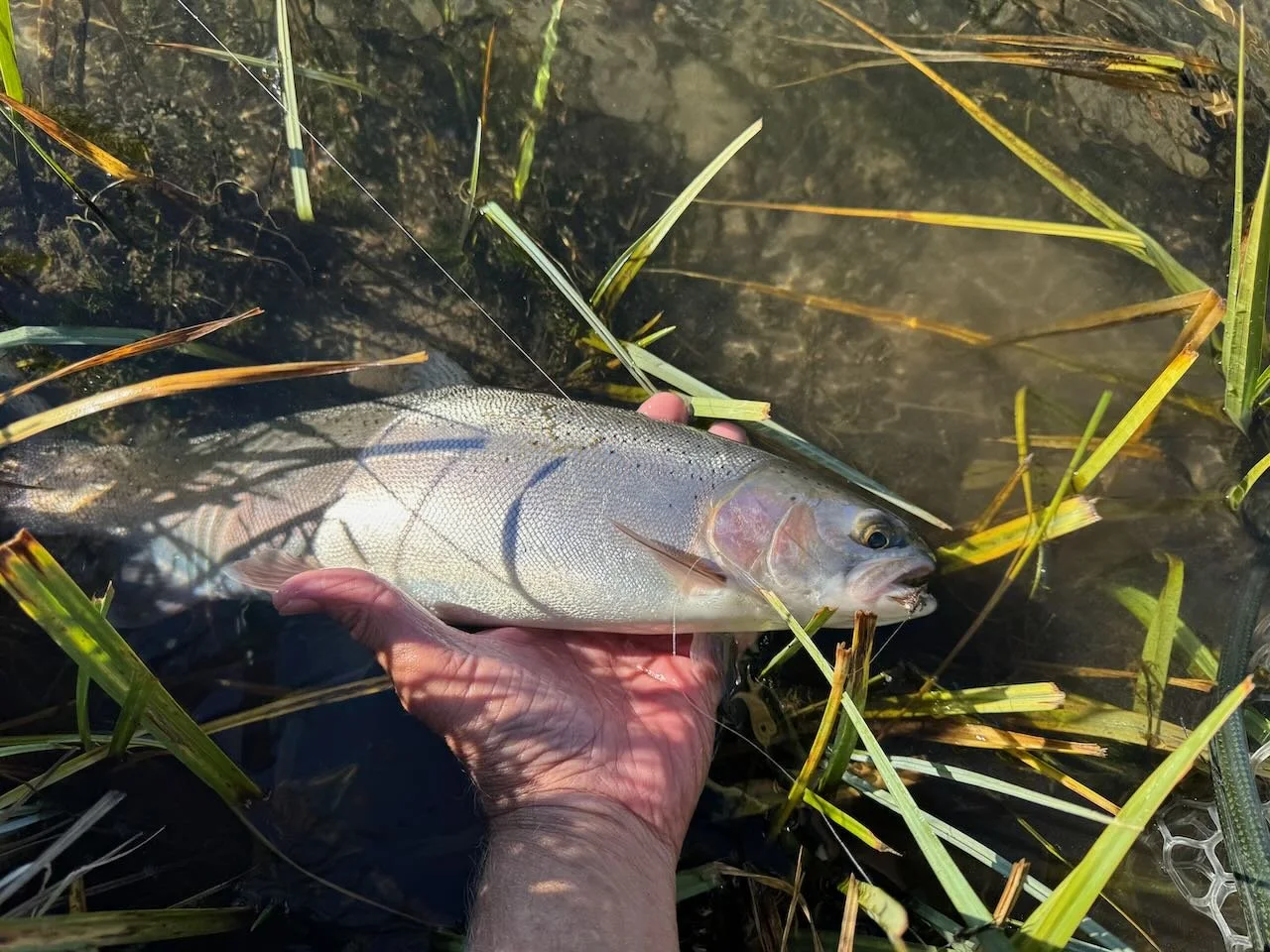
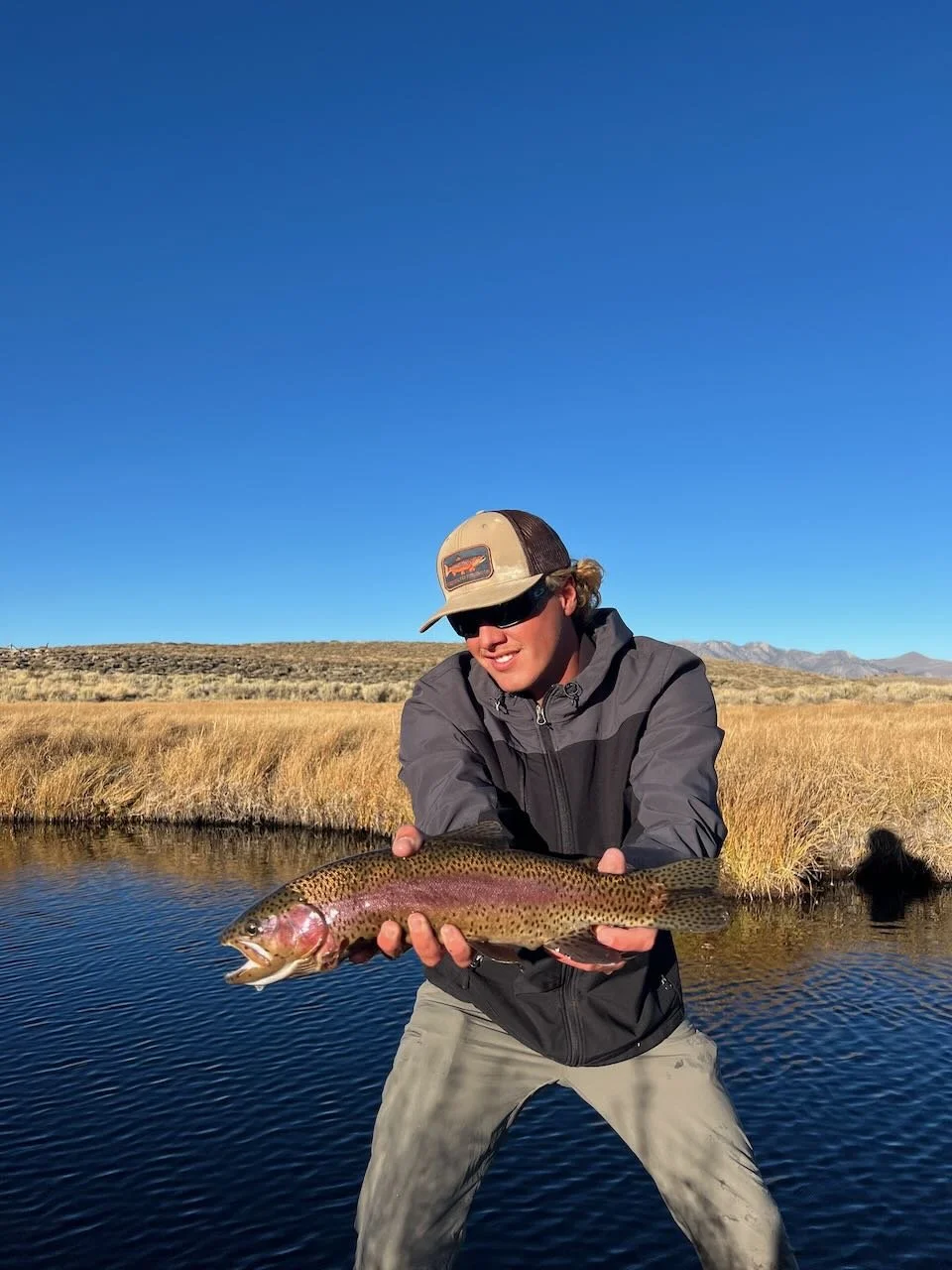
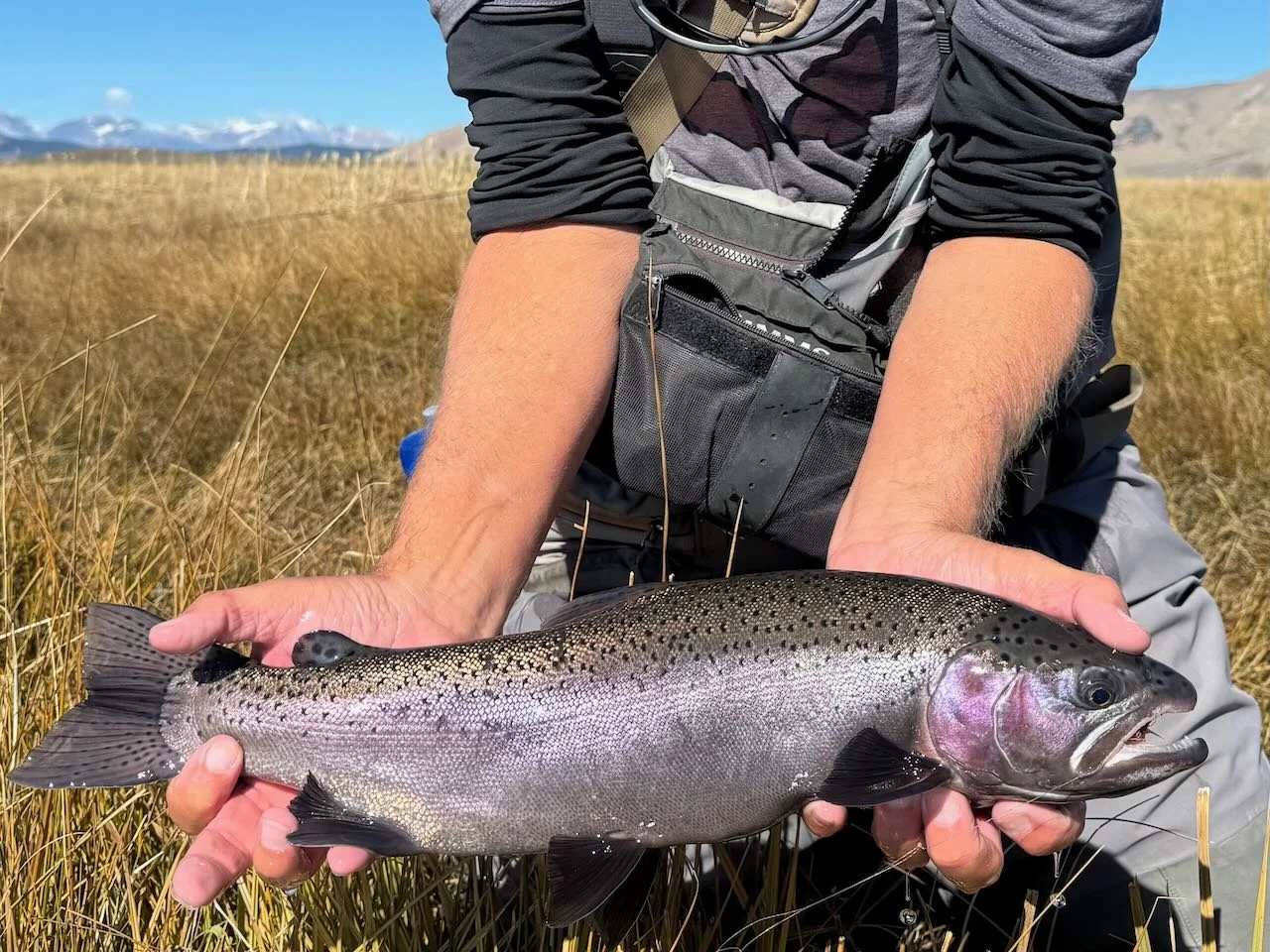
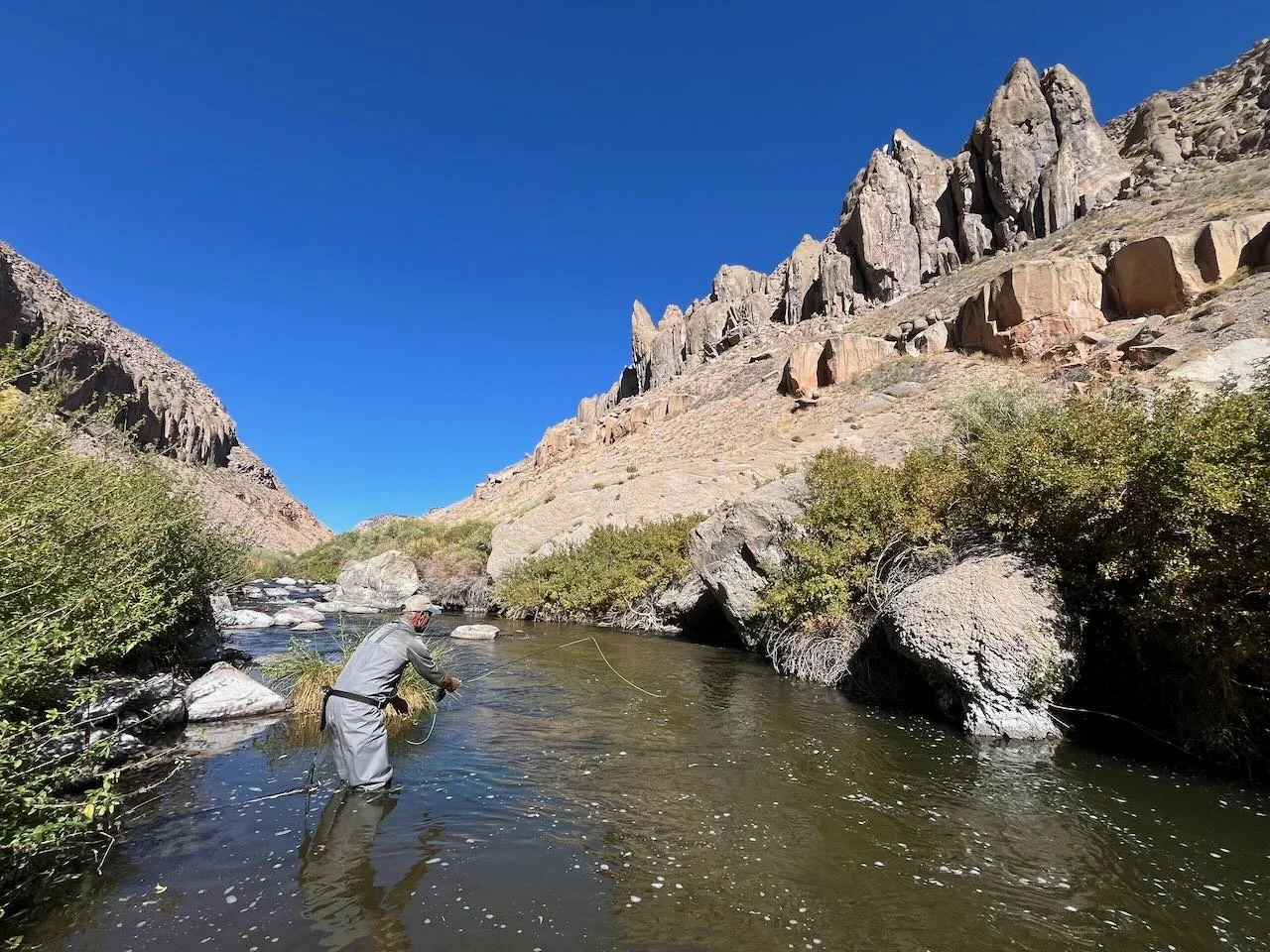
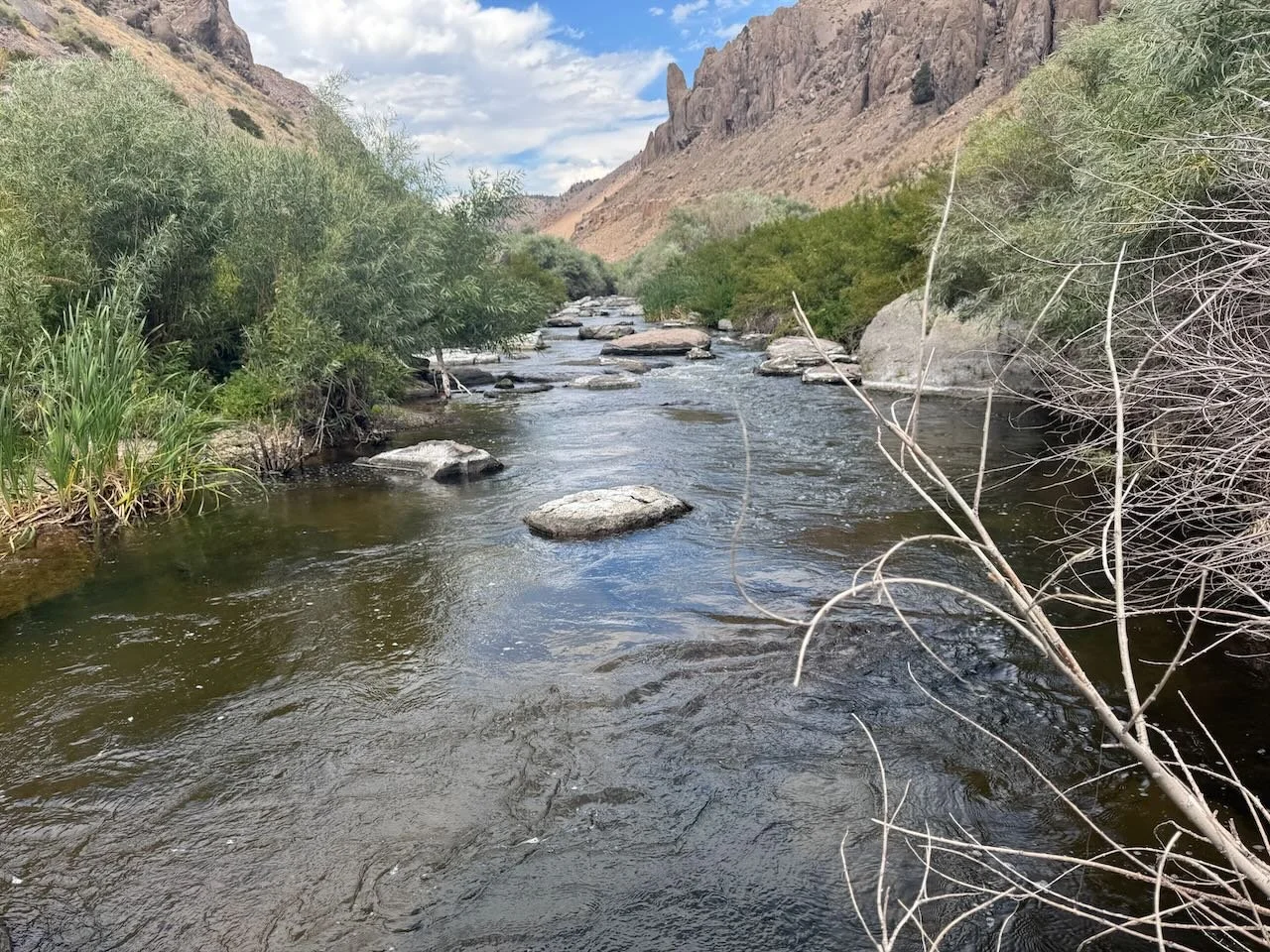
Upper Owens River trophy rainbow trout are feeding on size 12 stoner nymphs in the deep holes, deep runs and cutbanks.

Upper Owens River

Above Benton Crossing Bridge:

Below Benton Crossing Bridge the upper Owens River closes to fishing on Saturday November 15th an hour after sunset. Fishing last weekend on the upper Owens River was crowded with fly fishers enjoying great weather, the last weekend of the regular season and fly fishing for trophy trout. Rainbows are providing most of the action for trophy trout. Occasionally a trophy brown trout will take a nymph or streamer. With all the fly fishing pressure successful fly fishers are covering lots of water looking for pods of trophy trout. With the fly fishing pressure the trout are spookier than normal. In these conditions fly fishers who can present nymphs and streamers gently on the water are more likely to catch fish. Size 12 stoner nymphs, size 12 green/gold wire Prince nymphs, size 12 gold ribbed hare’s ear variations, size 14 copper John’s and size 16 hot spot pheasant tail nymphs are fooling the trophy trout and the occasional juvenile trout.
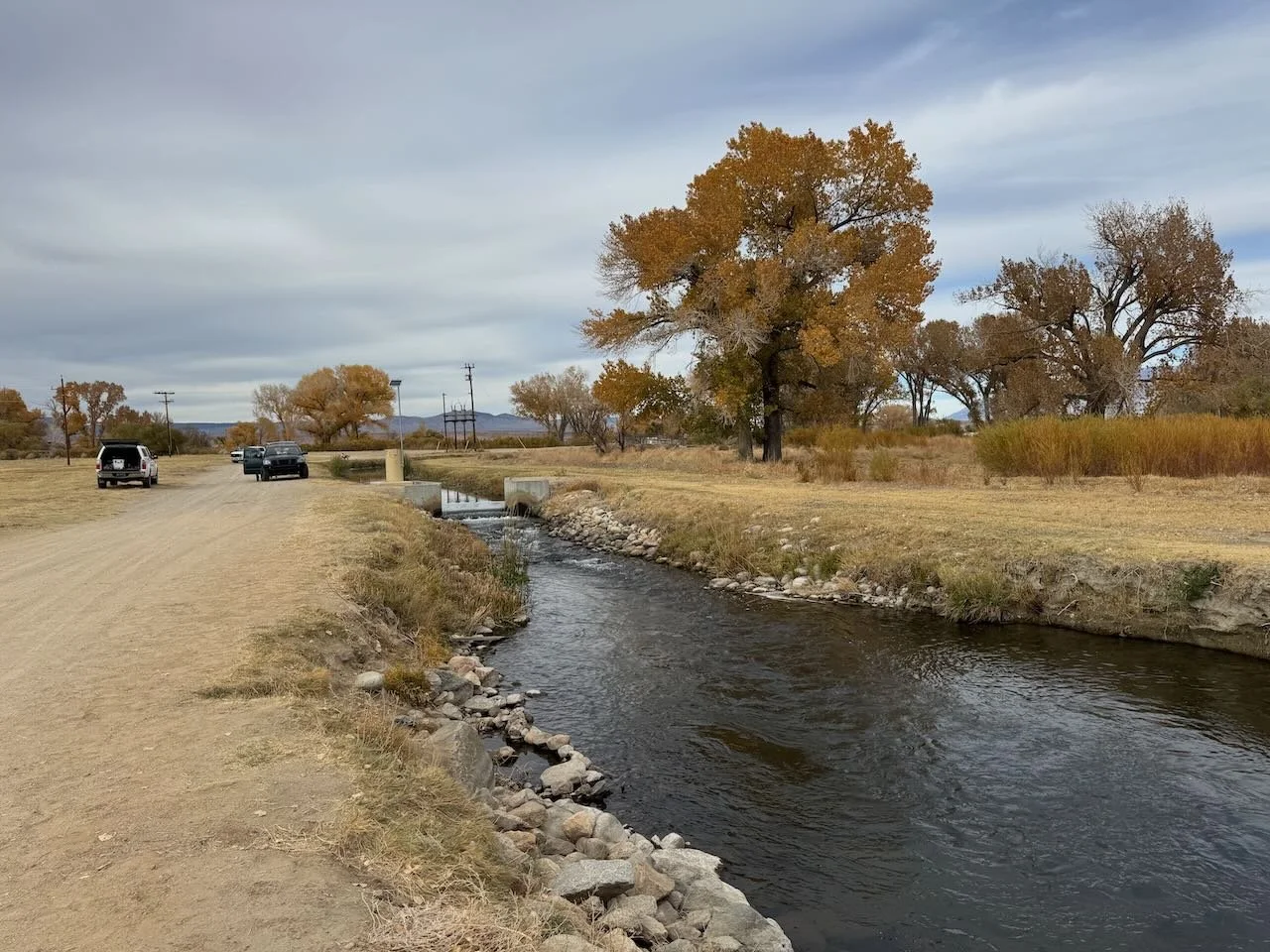
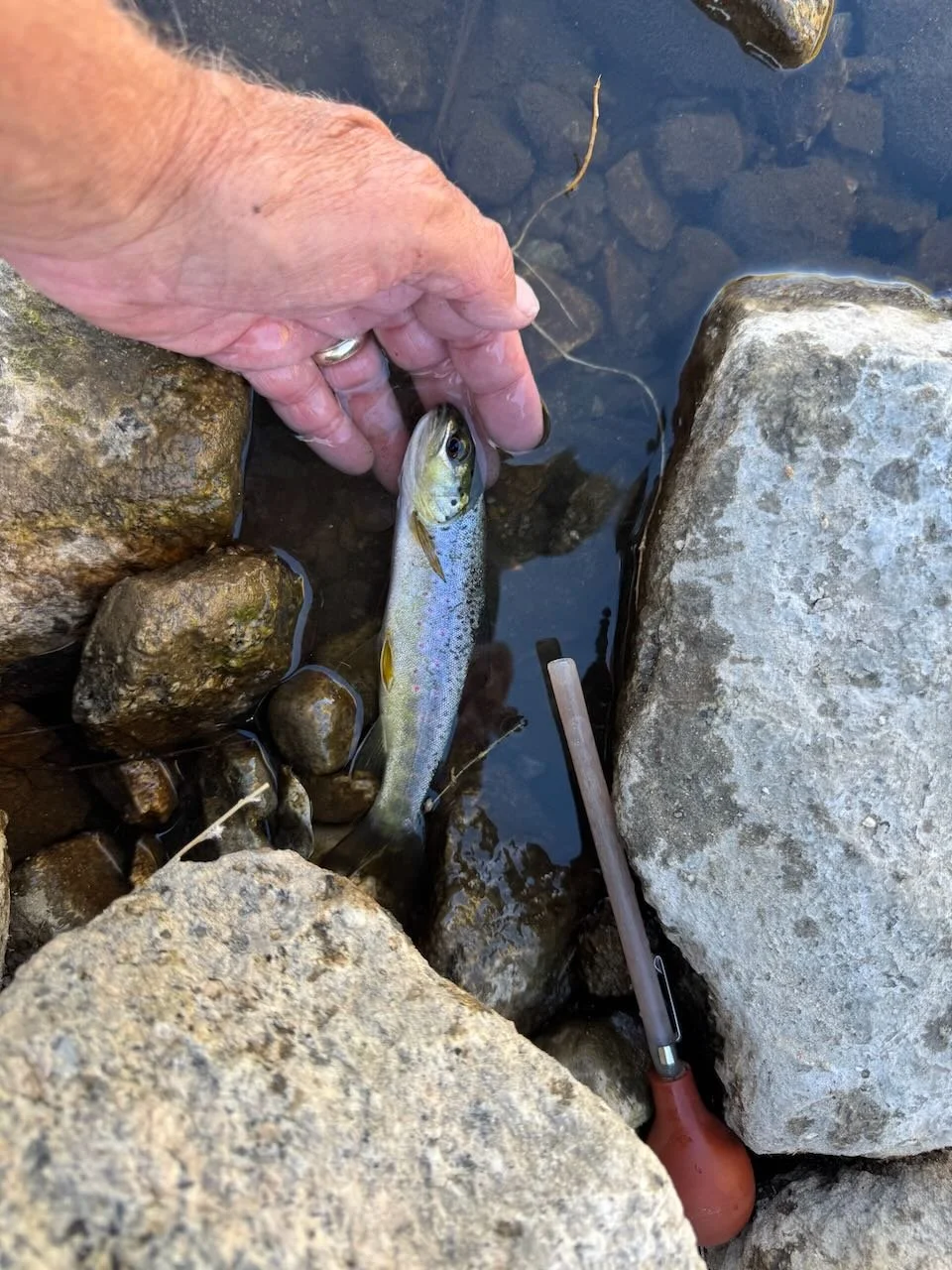
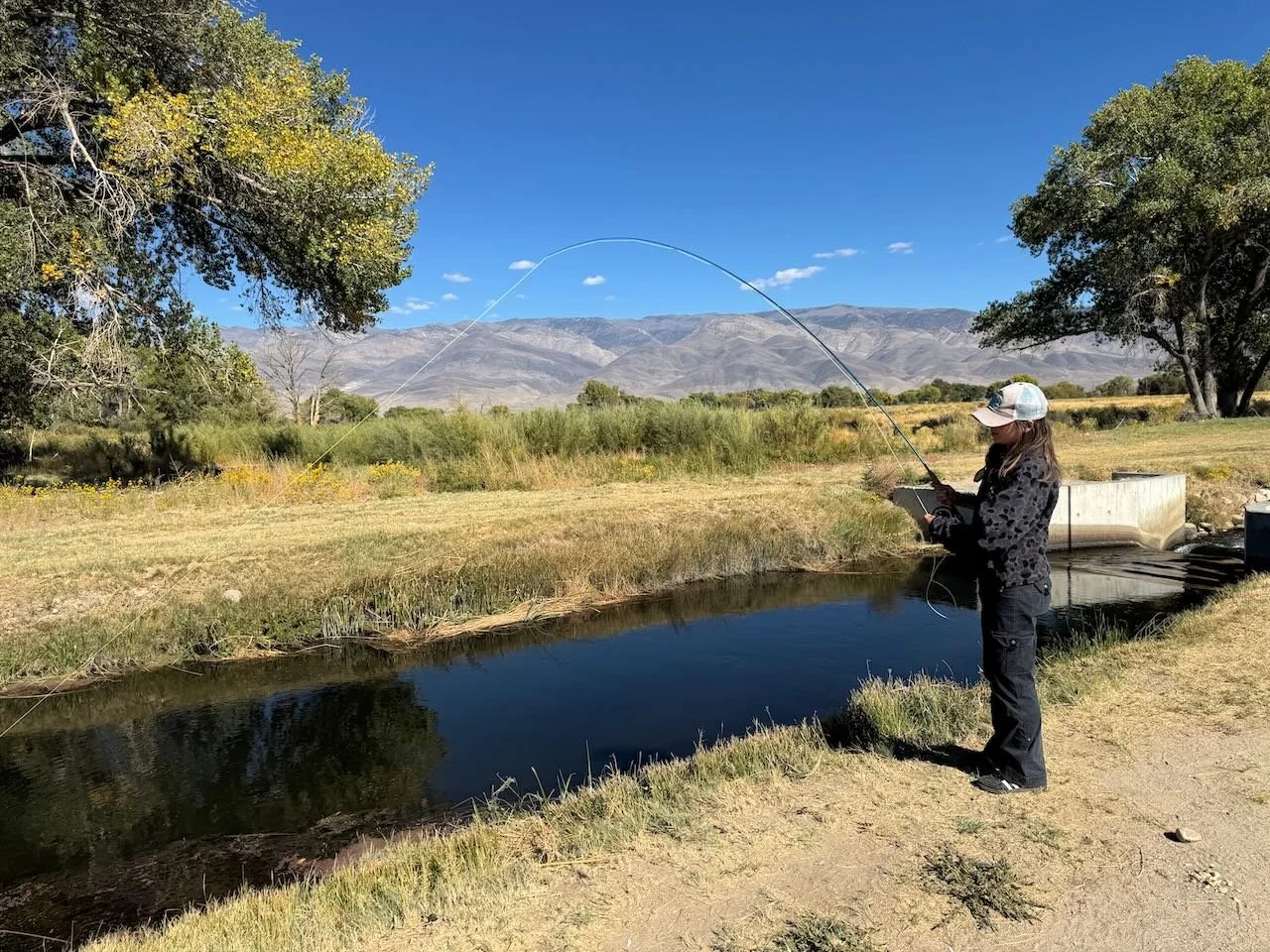
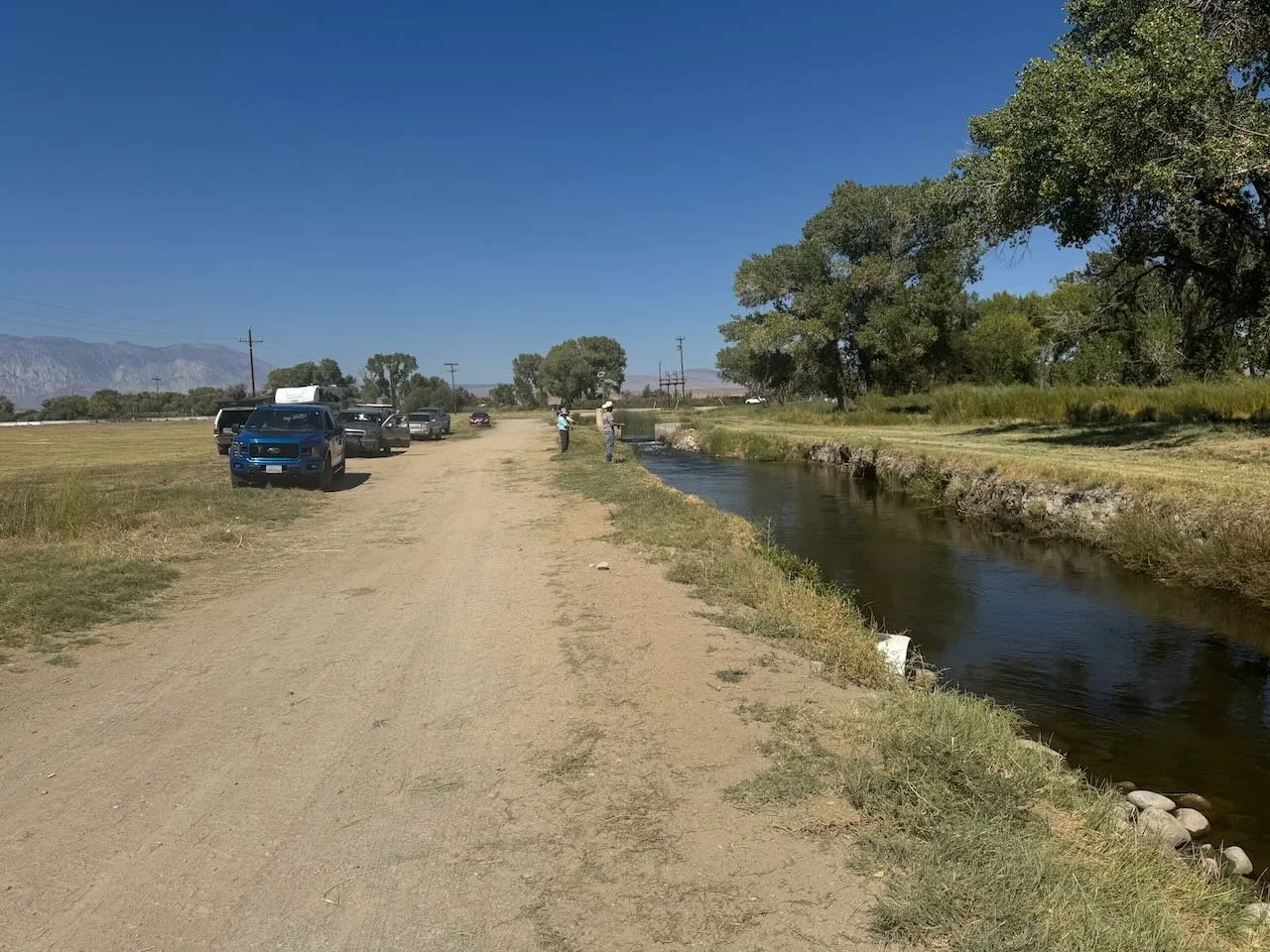
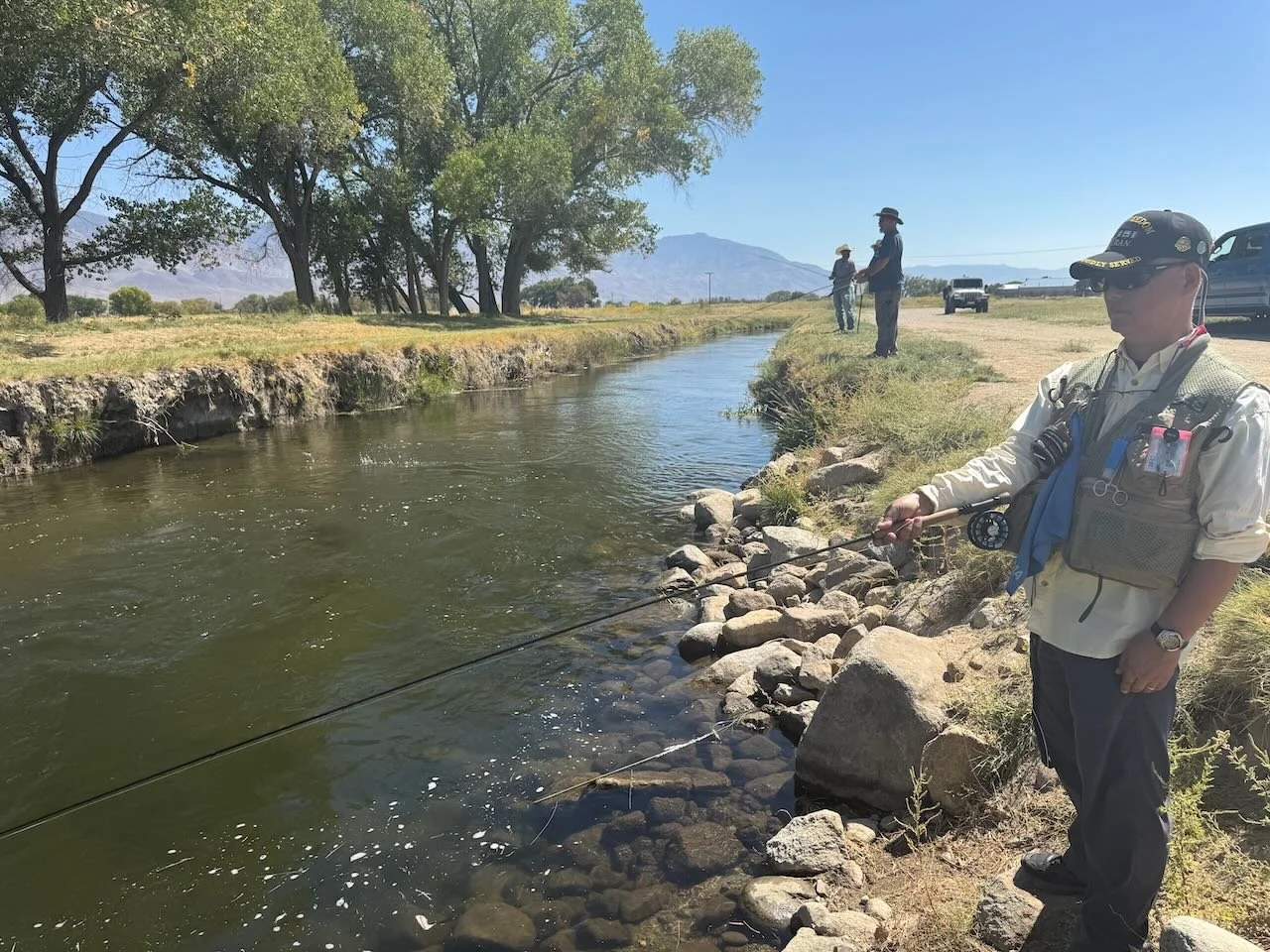
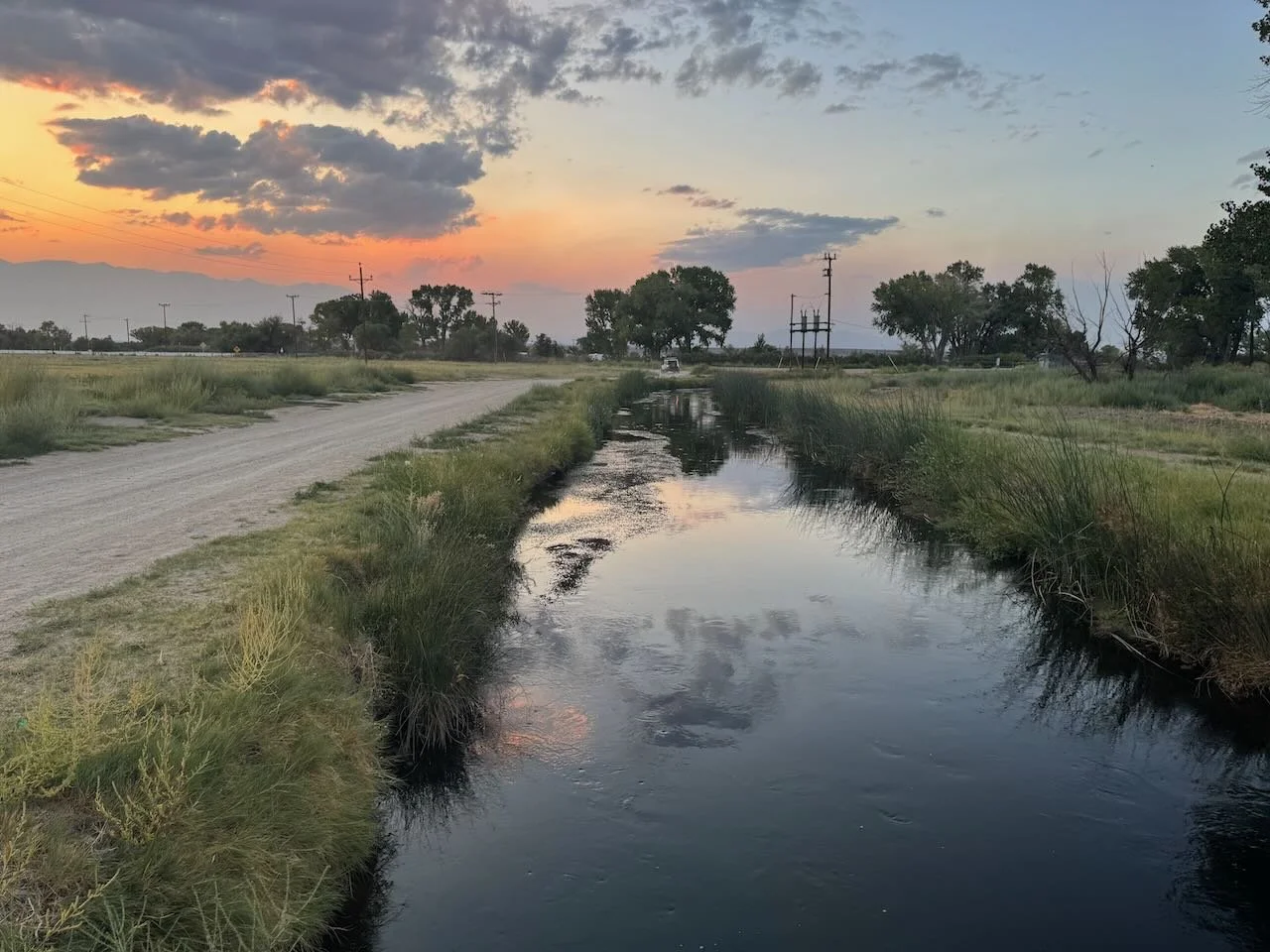
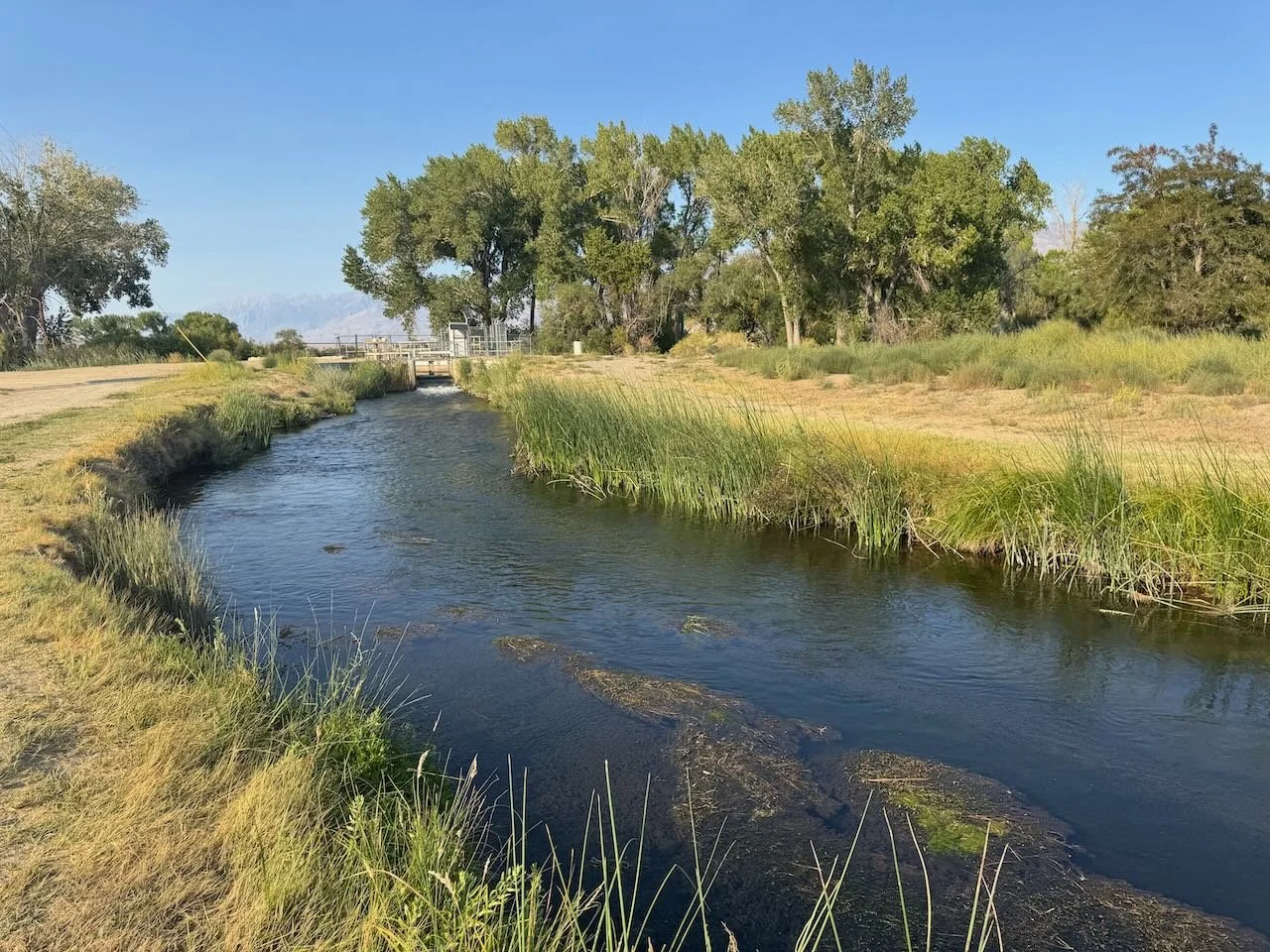
Working this deep hole behind the Bishop Veterinary Hospital is producing juvenile rainbows and brown on the surface with size 20 blue wing olive parachutes middle of the day.

Bishop Creek Canal

Behind Bishop Veterinary Hospital:

Fly fishers looking to catch wild juvenile trout on dry flies should fish the canal from 11:00 A.M. to 2:00 P.M. daily with size 20 Adams parachutes, size 20 blue wing olive parachutes, size 20 Griffith’s gnats and size 20 elk hair caddis. Fishing dries in the faster riffle sections and pools below are where the juvenile trout are feeding on the hatching mayflies, caddis and midges. Nymphing with size 12 stoner nymphs, size 18 olive quilldigons, size 12 green/gold prince nymphs, size 18 midges in tiger and zebra coloration and size 16 hot spot pheasant tail nymphs are producing stocked rainbows from 12 to 16 inches. The stockers are spread throughout the canal. Fishing the sandy areas between the weed beds is where the nymphs are producing the bigger stocked rainbows. Starting on Sunday November 16th, 2025 the canal goes to catch and release fishing with barbless lures and flies.
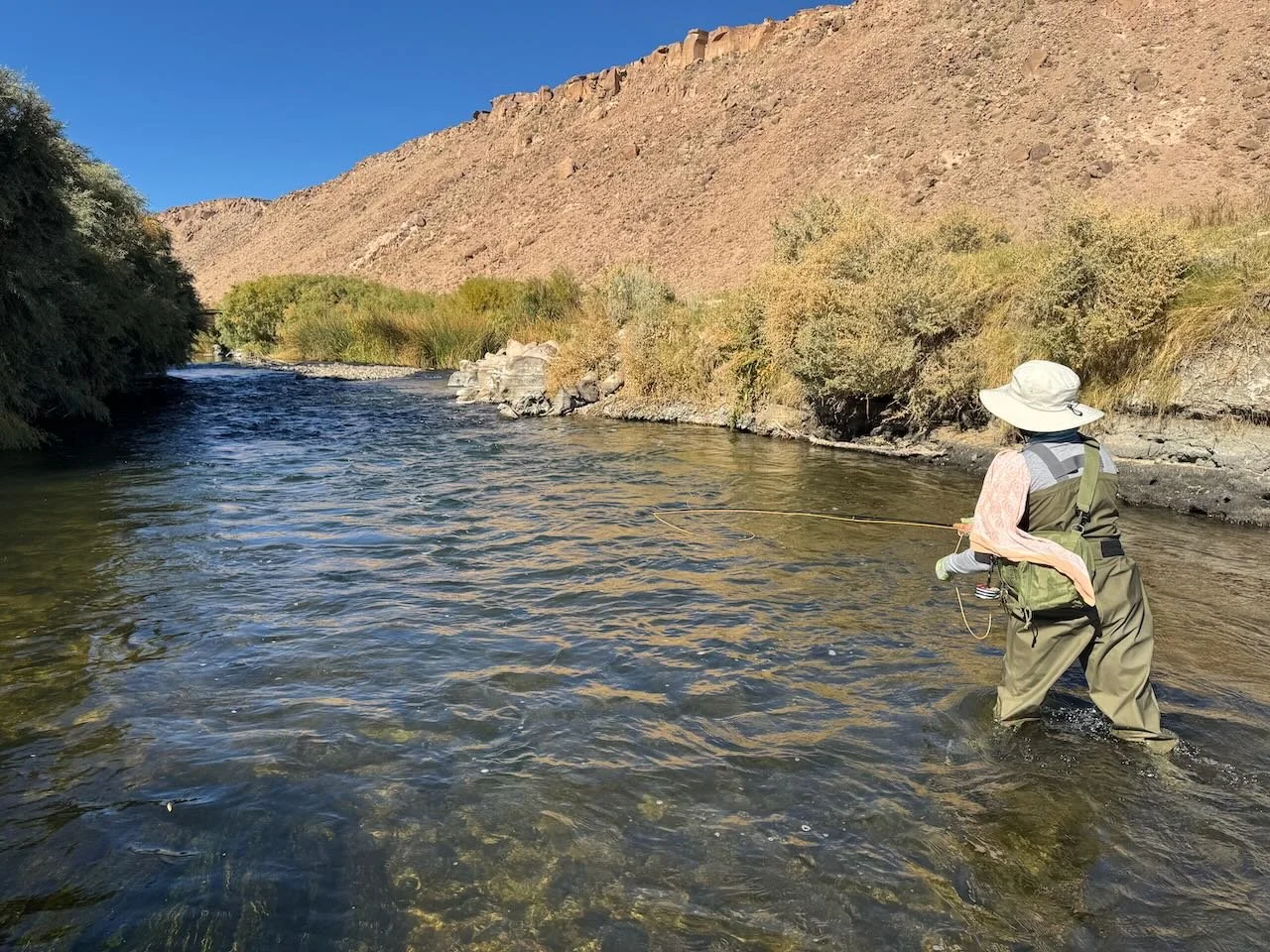
Sierra Bright Dot Fly Fishing Report 11-06-2025

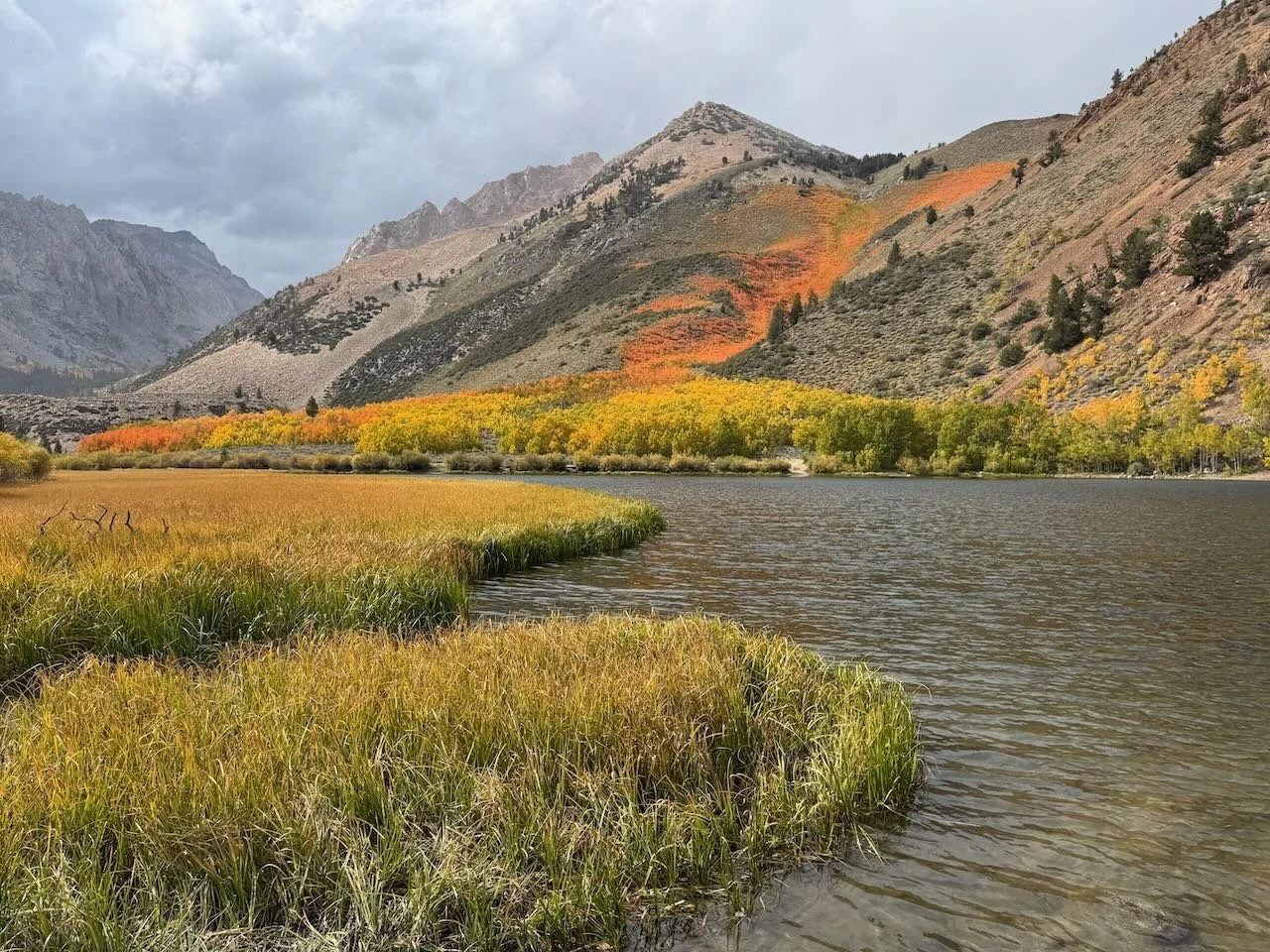
As fall fades into winter there are a few warm days left to spend on the waters of the Eastern Sierra. Fall colors are in full swing in the Owens Valley. Storms moving through the Eastern Sierra are leaving snow at the tops of the mountains. Winter is right around the corner and soon there will be snow on the ground from 8,000 feet and above. Brown and brook trout are spawning in the streams. Trophy trout can be found in the tributaries to the major Eastern Sierra Lakes. Hatches, nymphs and bait fish are feeding the trout before winter sets in. Midges, mayflies and caddisflies are the insects the trout are feeding on. If you want firsthand information on Eastern Sierra fly fishing join locals and visitors every Tuesday at Mahogany Smoked Meats for Tuesday Talks with Fred from 9:00 to 11:00 A.M.

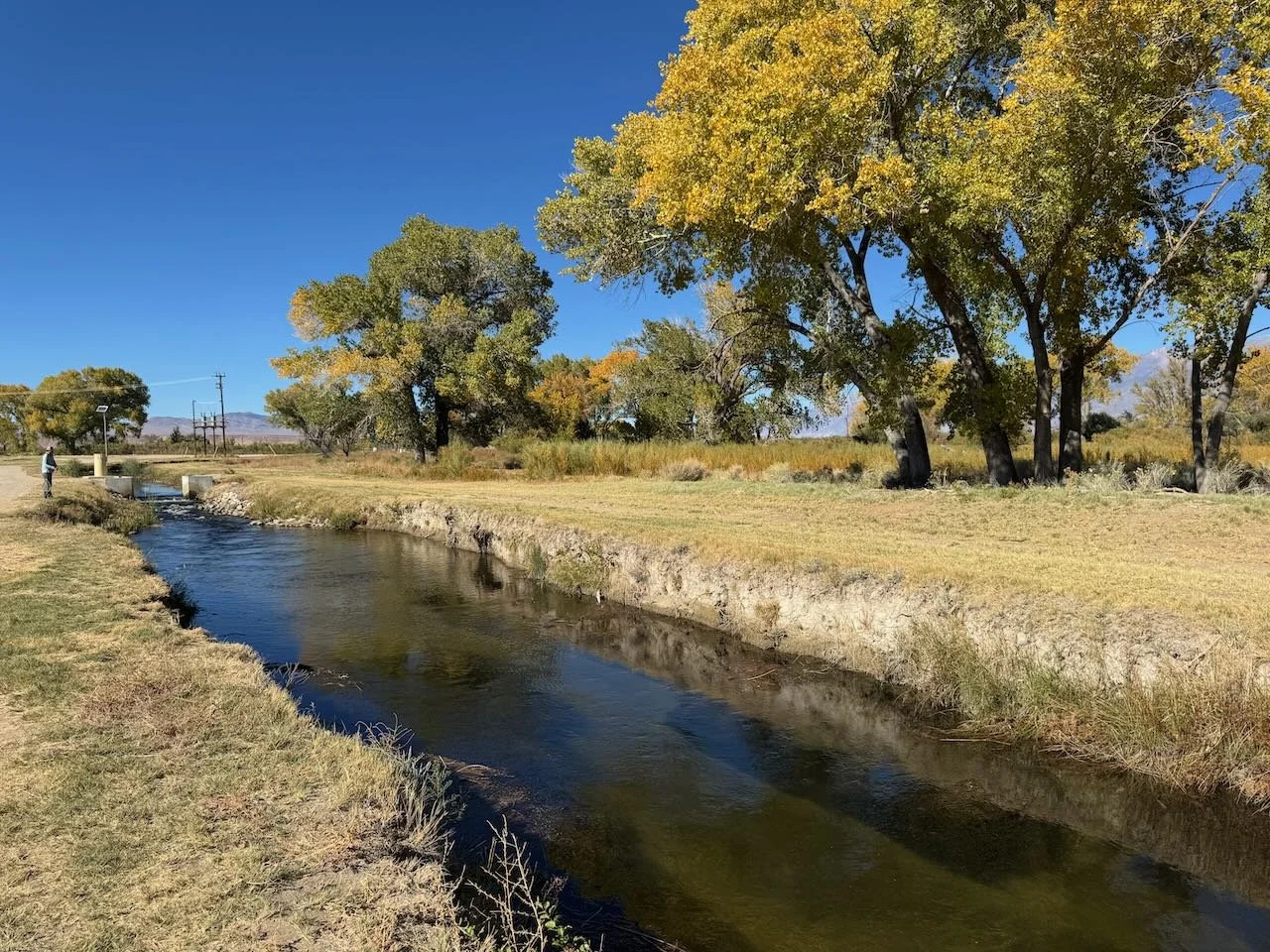
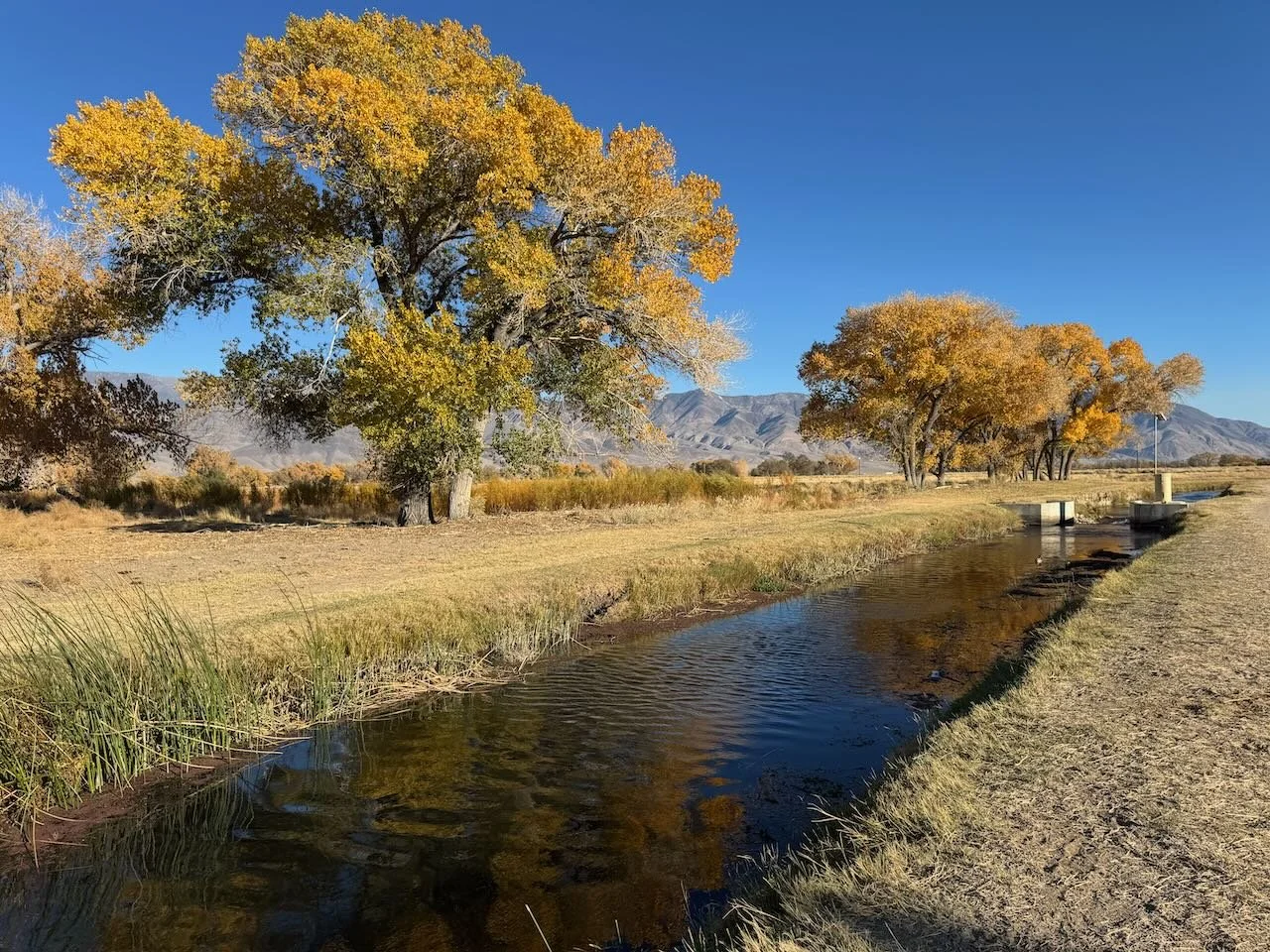
Fall is in full swing in the Owens Valley and trout in Bishop Creek Canal are taking nymphs and dries.

Lower Owens River

Wild Trout Section:

Mid-day hatches of mayflies are bringing a few trout to the surface, but the bulk of the trout are feeding on the emerging mayflies. A size 18 bead head flash back pheasant tail nymph, size 18 olive quilldigon, size 18 Frenchies, size 16 hot spot pheasant tail nymphs and size 18 olive quill nymph are fooling wild rainbow and brown trout from six inches to the occasional 16 incher. For the dry fly fisher fish with size 18 blue wing olive parachutes, size 18 Adams parachutes and size 18 olive sparkle duns. Key to success is to wade in the river fishing up stream thoroughly covering the water from one bank to the other. Where there is a riffle leading into a pool cast your flies a foot or so into the riffle and let the water present the flies to the fish in the pool.

Working nymphs off the riffle into a pool is how the fly fishers imitates the action of the larval insects .

Hot Creek

Interpretive Site:

Blue wing olive mayflies are now the predominate hatch in the Interpretive Site of Hot Creek. Start the morning casting size 20 blue wing olive parachutes, size 20 Adams parachutes and size 20 olive sparkle duns upstream with a drag free drift. Mid-morning switch to a size 20 gray elk hair caddis, size 20 parachute caddis and size 20 X-caddis. Key to success is seeing your flies and getting a drag free drift.

Hot Creek Canyon is easiest fished with a dry fly in and around the narrow lanes in between the weed beds.

Hot Creek

Canyon Section:

As the amount of day light shortens the weed beds in Hot Creek Canyon begin to break up. Fly fishers still have to contend with the narrow lanes between the weed beds and drift their flies in those narrow lanes. Nymphing is tough with all the weeds in the creek. Look for spots without weeds, next to the banks and the deep holes. For nymphs fish with size 18 tiger and zebra midges, size 18 bead head flash back pheasant tail nymphs and size 18 olive quilldigons. Dry flies drift over the weed beds better than the nymphs. Fish with size 20 blue wing olive parachutes, size 20 Adams parachutes and size 20 olive sparkle duns. For those anglers that can’t see the tiny size 20 dry flies fish with a dry and dry rig. I like to use a size 16 Adams parachute as my indicator fly.

Rusty Echeverria used a small white streamer to fool this upper Owens River rainbow.

Upper Owens River

Above Benton Crossing Bridge:

Fly fishers nymphing and stripping streamers continue to find trophy brown and rainbow trout willing to take their flies. The fish are spread out from Crowley Lake to Arcularius Ranch. The key to success is covering lots of water looking for pods of trophy trout in the deep holes, deep runs and cut banks. Fish nymphs under an indicator or with a Euro rig. Nymph with size 12 stoner nymphs, size 12 green/gold wire Prince nymphs, size 12 gold ribbed hare’s ear variations, size 14 copper John’s and size 16 hot spot pheasant tail nymphs. Cast streamers downstream and stirp them up stream. Work them at different levels in the water column and strip them in with different types of retrieves. Streamer with matukas, wooly buggers, slumpbusters, balanced leeches and marabou muddlers in sizes 6 and 10.
Hatchery rainbow trout put up a good fight on the Tenkara rod rigged with a two fly nymph rig on Bishop Creek Canal.

Bishop Creek Canal

Behind Bishop Veterinary Hospital:

This is the perfect time of year to be fishing on Bishop Creek Canal as the trees are in prime fall colors and the trout are feeding on nymphs and adults. Nymphing with size 12 stoner nymphs, size 18 olive quilldigons, size 12 green/gold wire Prince nymphs, size 18 midges in tiger and zebra coloration and size 16 hot spot pheasant tail nymphs are producing stocked rainbows and wild brown trout. The afternoon mayfly hatch is bringing only a few fish to the surface.

Sierra Bright Dot Fly Fishing Report 10-30-2025

Perfect fall weather will be welcoming fly fishers to the Eastern Sierra over the next week or so. Warm days, no wind, rising fish and trophy trout make it a perfect time to come fly fish the Eastern Sierra. It will not be long before upper elevation waters will be covered with snow. So now is the time to fly fish high country lakes and streams for spawning brown and brook trout. Trophy trout are migrating out of the lakes into the streams to spawn. Hatches of mayflies, midges and caddisflies are feeding trout on the substrate and on the surface.

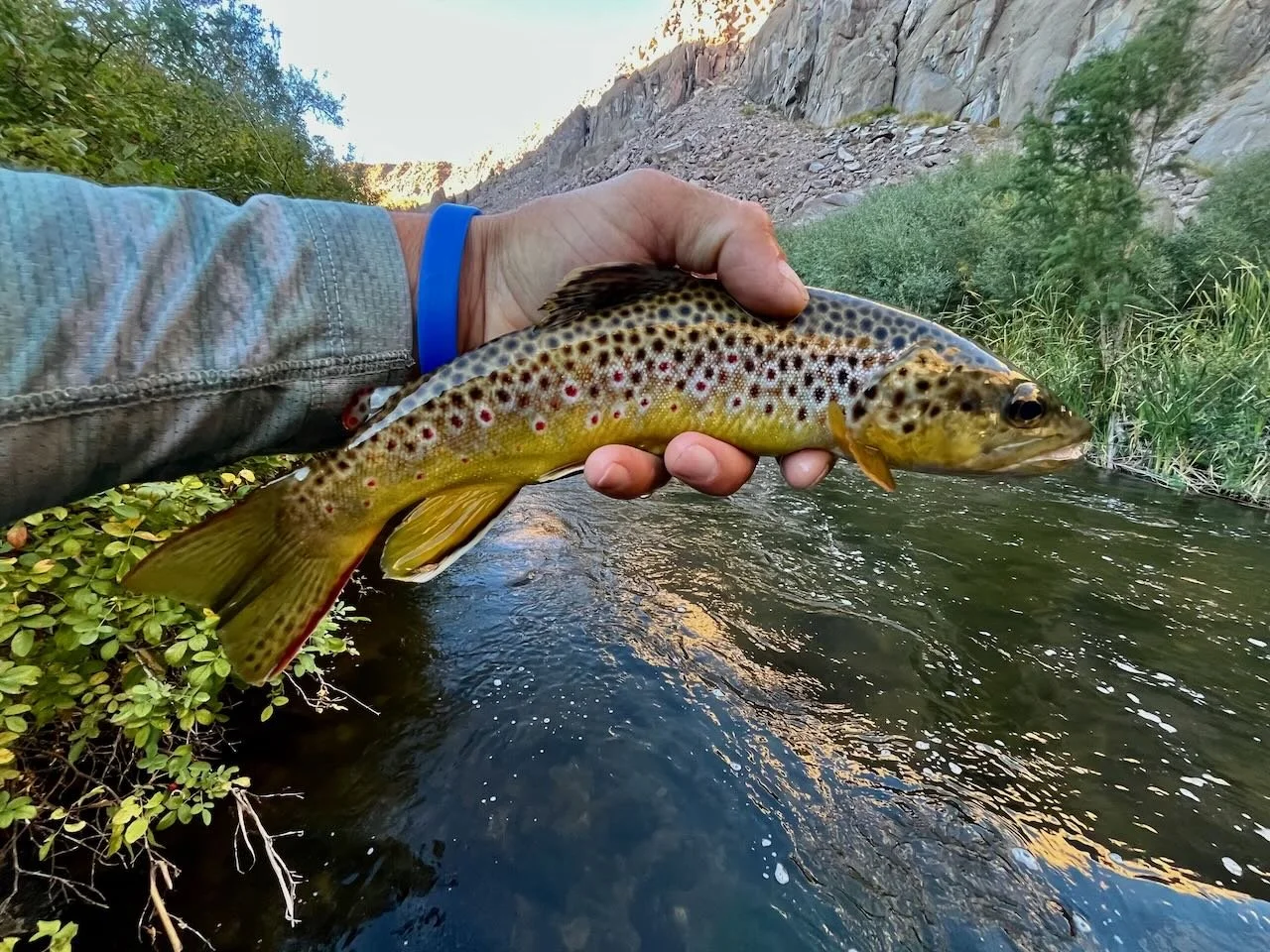
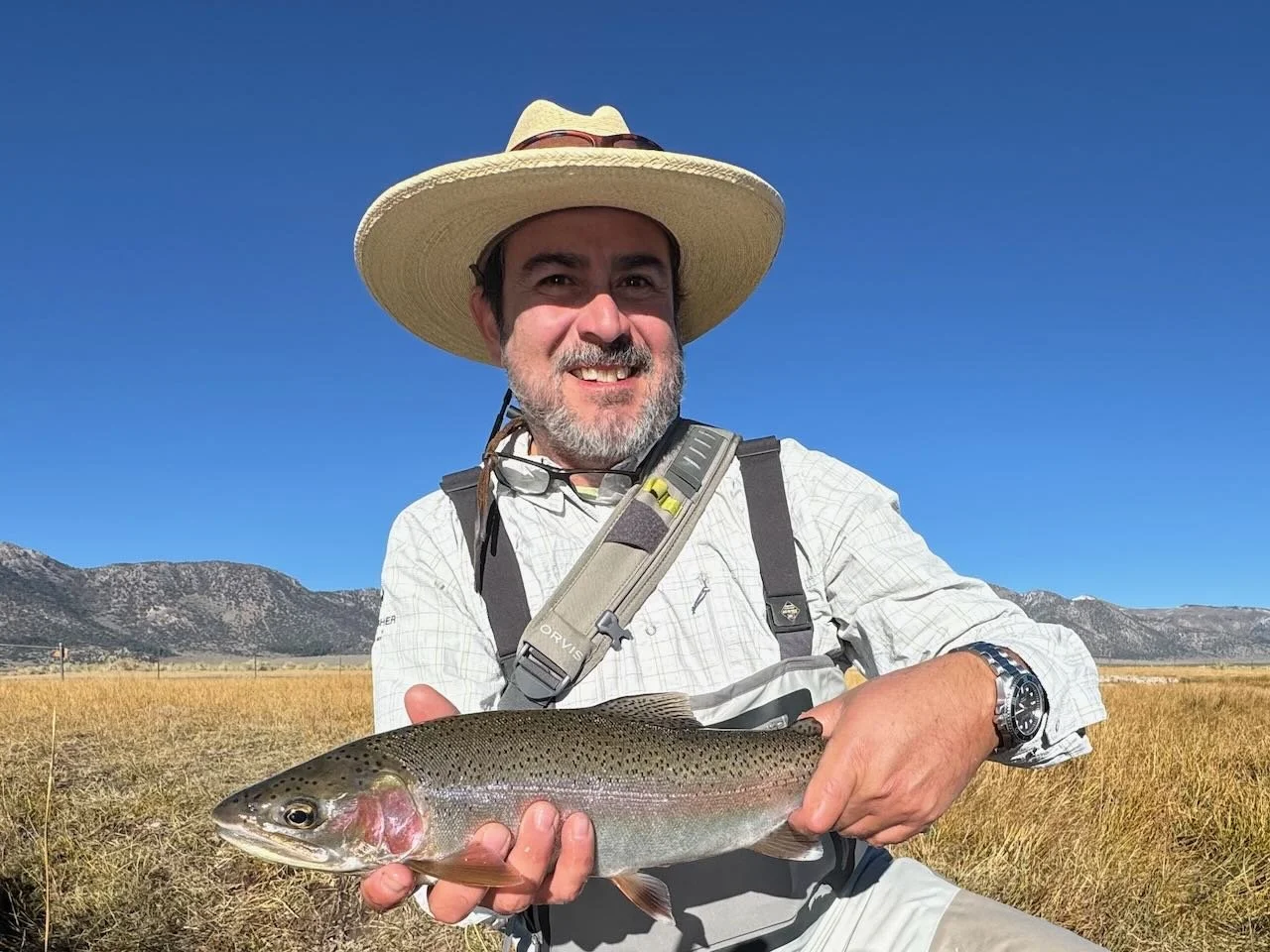
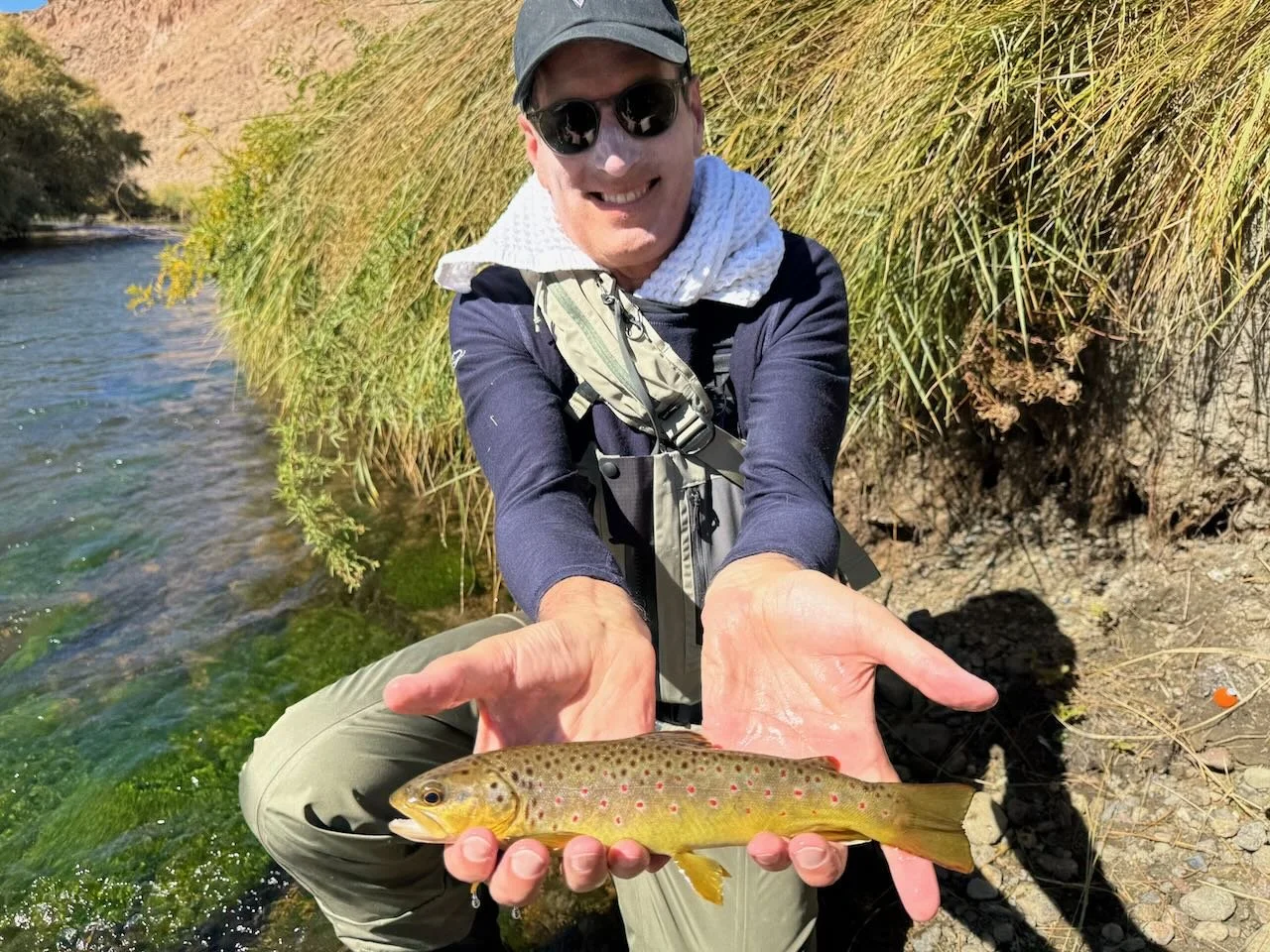
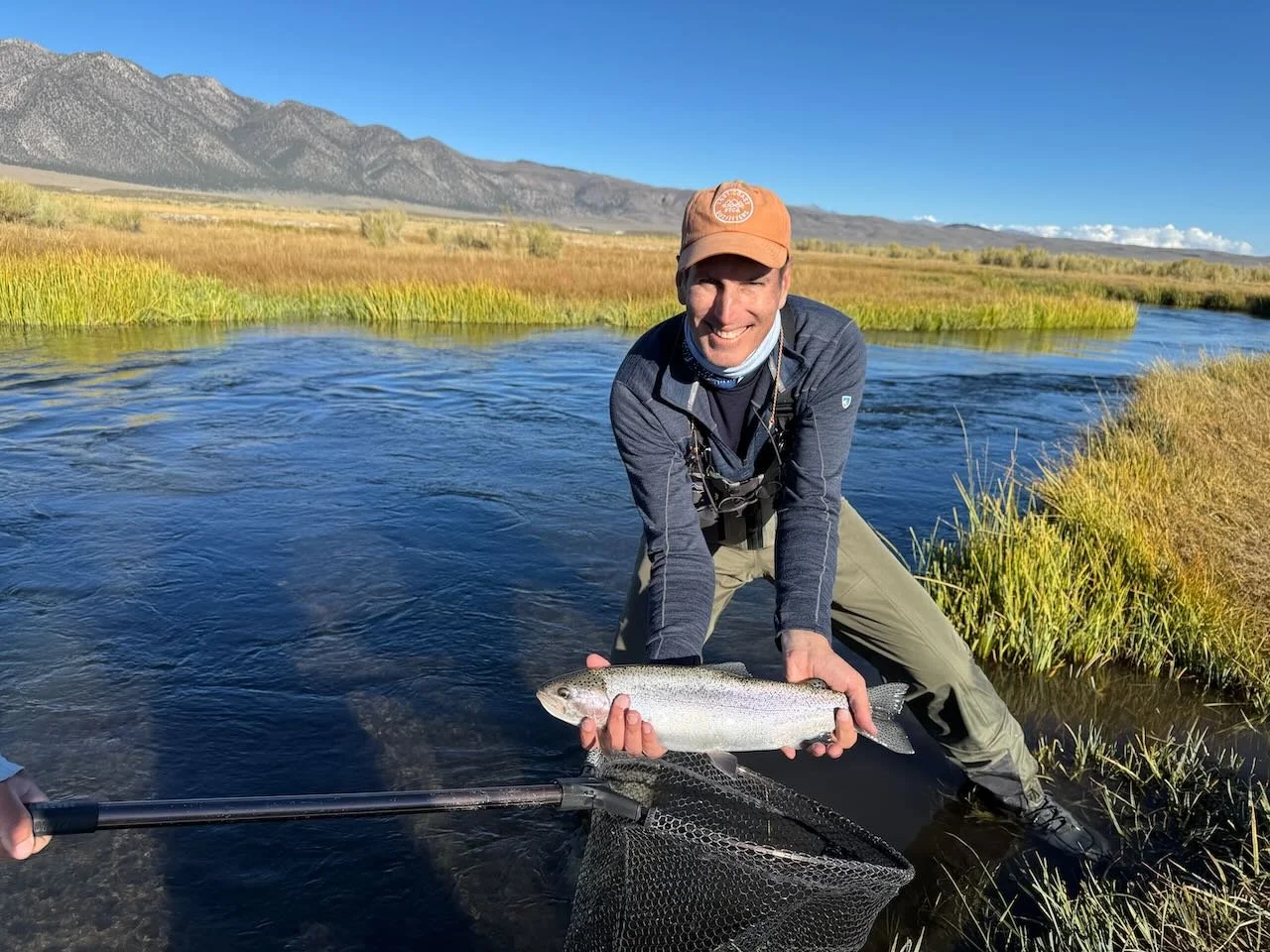
Fall in the Eastern Sierra is the time to be looking for trophy trout like this rainbow trout from the upper Owens River.

East Walker River:

Flows are back up to 60 CFS which is low, but fishable. Season ends in two weeks on November 15th.

Fly fishers have two weeks to explore the fly fishing opportunities of the East Walker River before it closes on November 15, 2025.

Lower Owens River

Wild Trout Section:

Fly fishers looking for a quantity fishery will find the lower Owens River will produce good numbers of wild brown and rainbow trout nymphing. Wading upstream and casting to the riffles so your nymphs drop into the holes is where you will find the trout taking your nymphs. The key to success is having the right amount of weight in the flies or on the tippet so the flies are slowly flowing over the substrate where the trout are feeding on nymphs. For an indicator rig use a size one split shot 12 to 18 inches above the fly and the indicator six feet above the fly. Indicators go 1.5 to 2 times the average depth of water above the fly. For nymphs fish with size 18 olive quilldigons, size 18 bead head flash back pheasant tail nymphs, size 18 SOS nymphs and size 18 midges in tiger and zebra coloration. A size 20 blue wing olive parachute, size 20 Adams parachute and size 20 sparkle dun will produce a few trout on the surface mid-day.

New fly fisher Luca Burns with a nice lower Owens River rainbow that took a size 18 bead head flash back pheasant tail nymph under an indicator.

Hot Creek

Interpretive Site:

The Interpretive Site is the place to fly fish with dry flies in the morning. Look for the trico hatch in the morning followed by a blue wing olive hatch and a caddis hatch. Start the morning with a size 22 trico female parachute. Then switch to a size 20 blue wing olive parachute. Finish the morning session with a size 20 gray elk hair caddis. Fish the dry flies on a nine foot 5X leader and three feet of 6X tippet. When the hatch is over it’s time to find a new water to fly fish like head over to the upper Owens River.

Hot Creek Canyon is offering nymphing and dry fly fishing opportunities in the mornings.

Hot Creek

Canyon Section:

The weed beds are slowly starting to break up. Before and after the hatch try nymphing in the lanes between the weed beds and in the holes. Use size 18 olive quilldigons, size 18 bead head flash back pheasant tail nymphs, size 18 olive quill RS2 and size 18 tiger and zebra midges to fool the wild rainbows and brown trout feeding on the substrate. In the morning there are hatches of mayflies and caddis. Fish with size 20 blue wing olive parachutes, size 20 gray elk hair caddis and size 22 female trico parachutes on the surface to fool the trout taking dries.

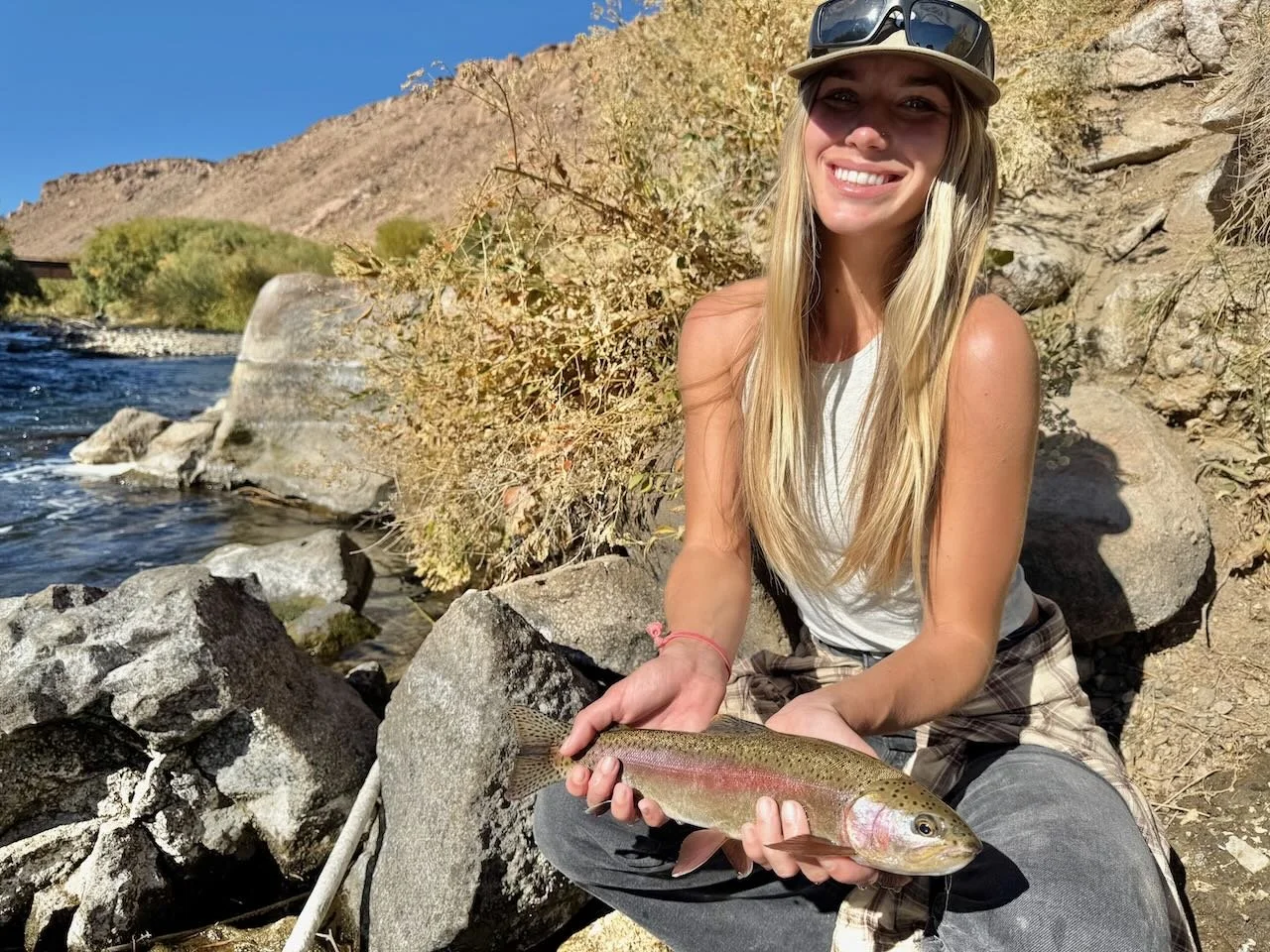
A rare photo of Fred Rowe catching trophy rainbow trout on the upper Owens River. Photo by Brian Chastain

 Upper Owens River

Above Benton Crossing Bridge:

This is the time of year when trophy brown and rainbow trout from Crowley Lake migrate up the Owens River. The fish are in the river and taking nymphs and streamers. Nymph with size 12 stoner nymphs, size 12 green/gold Prince nymphs, size 12 gold ribbed hare’s ear variations, size 14 copper John’s and size 16 hot spot pheasant tail nymphs in the deep holes, deep runs and cut banks. For streamers use size 6 or 10 matukas, wooly buggers, slumpbusters and marabou muddlers stripped upstream in the deep holes, deep runs and cut banks where the trophy trout are resting and feeding. When streamer fishing fish downstream and strip upstream and cover lots of water looking for those few trout wanting to feed on your streamer. There is a morning mayfly hatch and mid-day caddis hatch that resident six to 12 inch trout are feeding on. In the morning fish with size 20 trico female parachutes, size 20 Adams Parachutes, size 20 blue wing olive parachutes and size 20 blue wing olive sparkle duns. Mid-day fish with size 18 or 20 elk hair caddis. There is very little water left from the storm two weeks ago on the dirt roads.

Figuring out what the trout were feeding on and putting on a size 20 blue wing olive parachute produced several juvenile rainbows and browns on Bishop Creek Canal.

Bishop Creek Canal

Behind Bishop Veterinary Hospital:

This time of the year is perfect to be on the waters of the Owens Valley. Bishop Creek Canal is a perfect water to fish mid-day during the fall. Mornings fish with nymphs like size 18 olive quilldigons, size 18 bead head flash back pheasant tail nymphs, size 16 hot spot pheasant tail nymphs, size 18 Frenchies, size 18 green/gold brassies and size 16 midges in tiger and zebra coloration. Mid-day there is a midge and mayfly hatch bringing juvenile rainbows and brown trout to the surface. Fish with size 18 blue wing olive parachutes, size 18 Adams parachutes, size 20 Griffith’s gnat and size 20 olive midge adults.

Sierra Bright Dot Fly Fishing Report 10-23-2025

The first winter storm has come and gone leaving lots of snow on the Sierra peaks. Dirt roads with snow have dried out for the most part. Days have warmed up and the fish are feeding on nymphs, dries and carnivorous meals like trout, crayfish and Sacramento perch. SeptOct has come and gone. If you did not make it up to the Eastern Sierra yet there is still time to take advantage of warm days, feeding fish and trophy trout willing to take the flies of fly fishers.

Fall colors are showing up in the Owens Valley and trout are feeding on mayfly adults in the early afternoon on Bishop Creek Canal.

East Walker River:

Flows are down to 20 CFS which is too low to fly fish without harming the trout. Time to quit fly fishing the East Walker tell next spring.

Low water flows concentrate the trout in the pools and pockets making them vulnerable to fly fishers and predators.

Owens River Gorge

Upper Power Plant:

October to April is prime time to fly fish the Owens River Gorge as temperatures are not the heat of summer. The Owens River Gorge fishes like a freestone creek. A dry and dropper is a great way to fly fish the gorge. Right now the fish are ignoring the dry flies and feeding on nymphs. Fish with size 16 midges in zebra and tiger coloration, size 16 green/gold brassies, size 16 bead head flash back gold ribbed hare’s ears, size 18 bead head flash back peasant tail nymphs and size 18 olive quilldigons to catch wild brown trout to 14 inches.

Wild brown trout are taking nymphs drifted under a dry fly cast into the pockets and pools of the Owens River Gorge.

Lower Owens River

Wild Trout Section:

Winter time fly fishing is ongoing on the lower Owens River. Fly fishers can access areas of the river that are unwadeable at the high flows of summer time. Five inch to 18 inch trout are feeding on mayfly nymphs fished on the substrate. Use size 18 olive quilldigon, size 16 hot spot pheasant tail nymphs, size 18 bead head flash back pheasant tail nymphs, size 16 SOS nymphs, size 18 tiger midges, size 18 zebra midges and size 12 stoner nymphs. Fishing with size 18 elk hair caddis, size 20 blue wing olive parachutes and size 20 Adams parachutes are producing trout on the surface during the mid-day mayfly hatch.

Alyce Saito Euro Nymphing with a Tenkara rod on the lower Owens River in the wild trout section.

Hot Creek

Interpretive Site:

Caddis and blue wing olive mayflies are the hatching insects bringing the trout to the surface of Hot Creek at the Interpretive Site. The storms moving through the Eastern Sierra are helping the blue wing olive’s hatch so be on the water on the overcast days to fish the blue wing olive hatch. Mid-day there has been caddis on the surface that the trout are feeding on. Use size 20 blue wing olive parachutes, size 20 Adams parachutes, size 20 olive sparkle duns, size 20 gray elk hair caddis and size 20 gray parachute caddis.

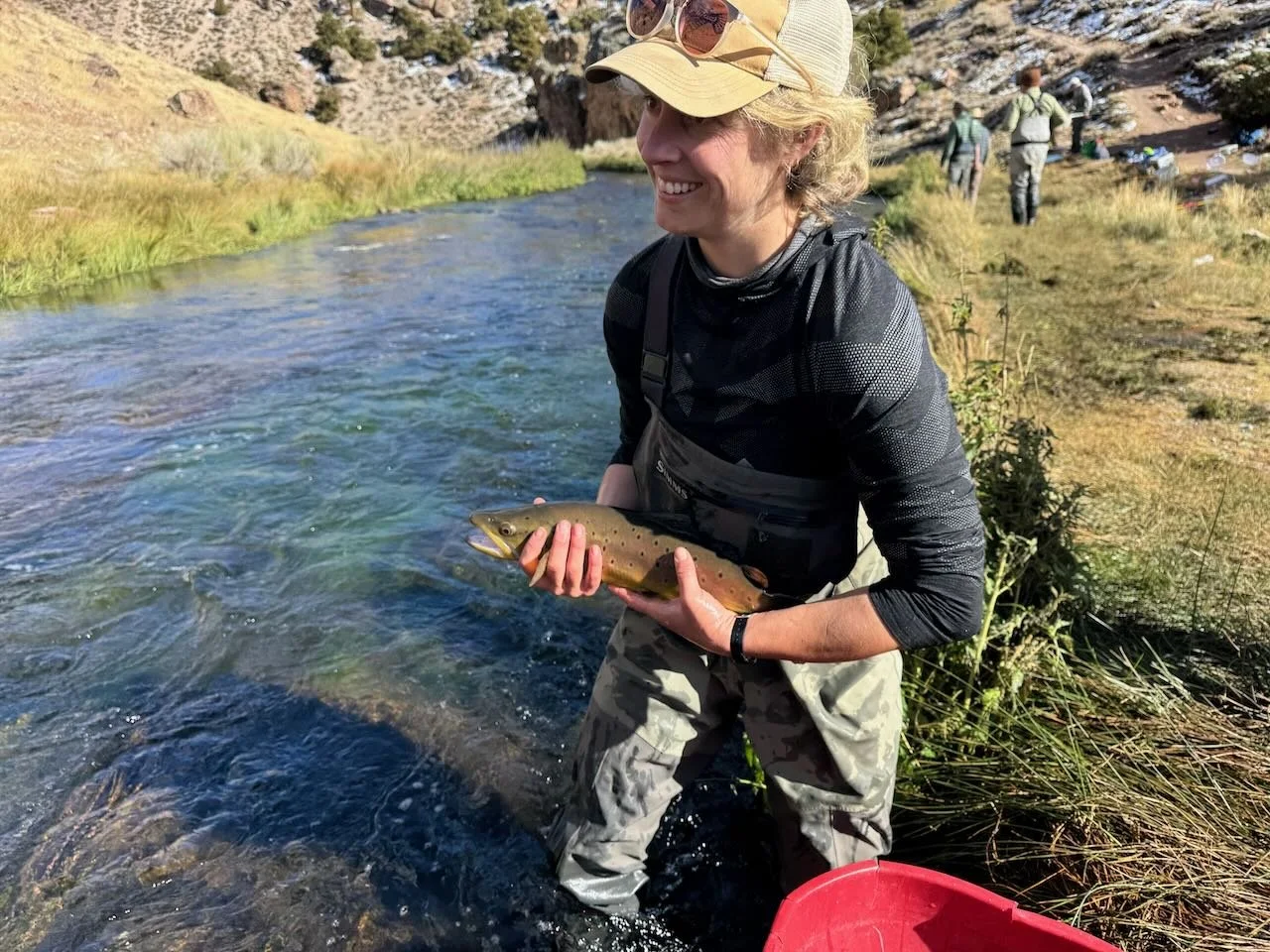
CDFW fisheries biologist Rosa Cox with one of the bigger brown trout caught in Hot Creek Canyon while electroshocking the river for population studies.

Hot Creek

Canyon Section:

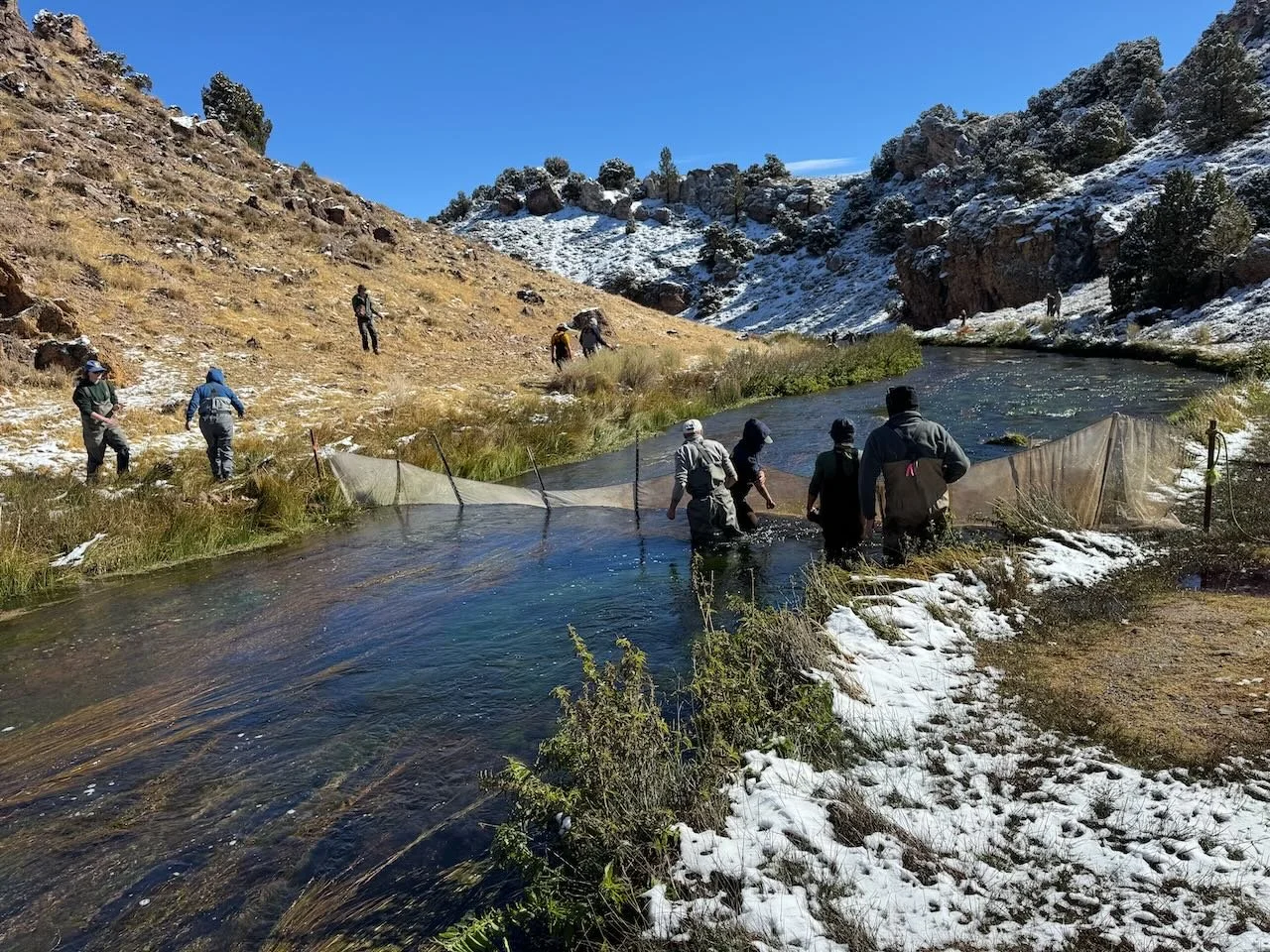
California Department of Fish and Wildlife conducted electro shocking surveys on Hot Creek from October 14th to the 17th. These surveys are part of an ongoing population study of the trout populations in Hot Creek. They are performed about every five years. The weed beds in Hot Creek Canyon are just starting to break up. Hardest part of the electro shocking survey was keeping the weeds off the block nets. Trout are feeding on blue wing olive mayflies and caddisflies. Working nymphs in the mornings through the tight lanes between the weed beds and the deeper pools is producing a few trout. Fish with size 18 green/gold brassies, size 18 tiger midges, size 18 olive quilldigons, size 18 bead head flash back pheasant tail nymphs and size 18 Frenchies. The trout have been feeding on caddis mid-day. Fish with size 20 gray elk hair caddis, size 20 parachute caddis, size 20 blue wing olive parachutes and size 20 Adams Parachutes.
Trophy trout are in the upper Owens River and are taking nymphs under an indicator and on a Euro nymphing rig.

Upper Owens River

Above Benton Crossing Bridge:

At the beginning of the week there was a migration of trophy rainbow trout working their way upstream to the spawning beds. These trophy trout are resting and feeding in the deep holes, deep pools and cut banks on their trip upstream to the spawning areas. These fish are taking nymphs and streamers. For the nymphs and streamers fish with size 12 stoner nymphs, size 12 green/gold Prince nymphs, size 12 gold ribbed hare’s ears variations, size 14 copper Johns, size 10 olive slupmpbusters, size 10 olive wooly buggers and size 10 yellow matuka’s. Fishing the nymphs and streamers through the outside bends of the river will produce the best drifts. Using waders allows the fly fisher to wade back and forth getting the best presentation of the fly. Not all fly fishers are looking for the trophy trout. Fishing with dry flies is producing wild brown and rainbow trout to 12 inches on size 18 elk hair caddis, size 20 parachute tricos, size 18 Adams parachutes and size 16 Royal Wulff’s. Fly fishers are not hooking every trout that takes their dry fly. Fishing dries is providing lots of surface activity and hooking and landing trout. Before the most recent storm the dirt roads of the upper Owens River were just about dried out.

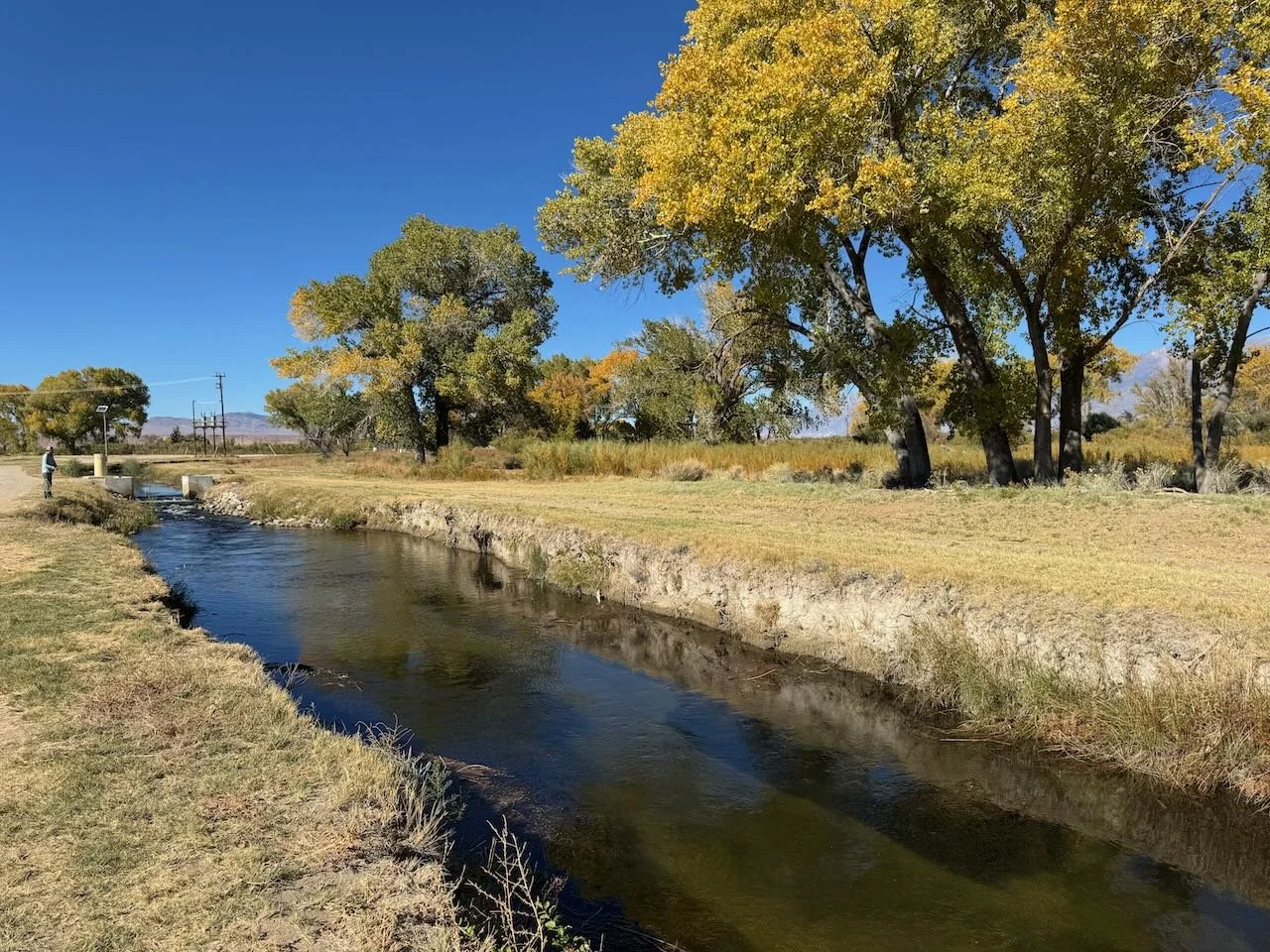
Fall colors and rising trout in the afternoons is the perfect way to spend an afternoon on Bishop Creek Canal.

Bishop Creek Canal

Behind Bishop Veterinary Hospital:

In between storms is the perfect time to be out on Bishop Creek Canal fishing with nymphs and dries. Fall is the perfect weather to be spending a day fly fishing in the Owens Valley. There has been lots of six to 10 inch browns taking mayflies off the surface in the early afternoons. Fish with a size 18 blue wing olive parachute, size 18 olive sparkle dun, size 18 Adams parachute and size 18 olive sparkle duns. Nymphing continues to produce trout when nymphing with size 18 olive quilldigons, size 18 bead head flash back pheasant tail nymphs, size 16 green/gold brassies, size 16 tiger midges and size 16 zebra midges.

Sierra Bright Dot Fly Fishing Report 10-16-2025

The first winter storm of the year passed through the Eastern Sierra this week leaving snow at upper elevations and rain in the Owens Valley. For now I put away the shorts, flip flops, wet wading boots and the wet wading pants. I’ve replace them with jeans, tennis shoes, waders and wading boots. It looks like we will be back to normal temperatures in the Eastern Sierra by the start of next week. These storms have a bigger effect on the fly fisher than the trout. It may take a day or two for the streams to clear all the extra water running into them. This should be a great opportunity for fall color photos of your favorite water with fresh snow on the mountain tops. The trout are feeding on mayflies, caddis flies and midges on the surface and on the substrate. If you’re into throwing those meat pattern streamers now is the time to use them looking for a big trophy trout.                                                                                                               

Hot Creek Canyon and mountain tops in the foreground with fresh snow from a storm that moved through the Eastern Sierra this week.

East Walker River:

Fly fishers continue to have good days fly fishing the East Walker River below the miracle mile section. Nymphing with size 18 olive quilldigons, size 18 bead head flash back pheasant tail nymphs, size 16 SOS nymphs, size 16 green/gold brassies and size 16 midges in tiger and zebra coloration are producing six to 12 inch wild brown and rainbow trout. For fly fishers looking for trophy brown trout try pulling streamers through the water. Cover lots of water and be ready for the fight from a big trout. The takes on the streamer are few, but the size makes up for it.

For fly fishers looking for a quantity day on six to 12 inch trout fish with nymphs or dries below the bridge on the East Walker River .

Owens River Gorge

Upper Power Plant:

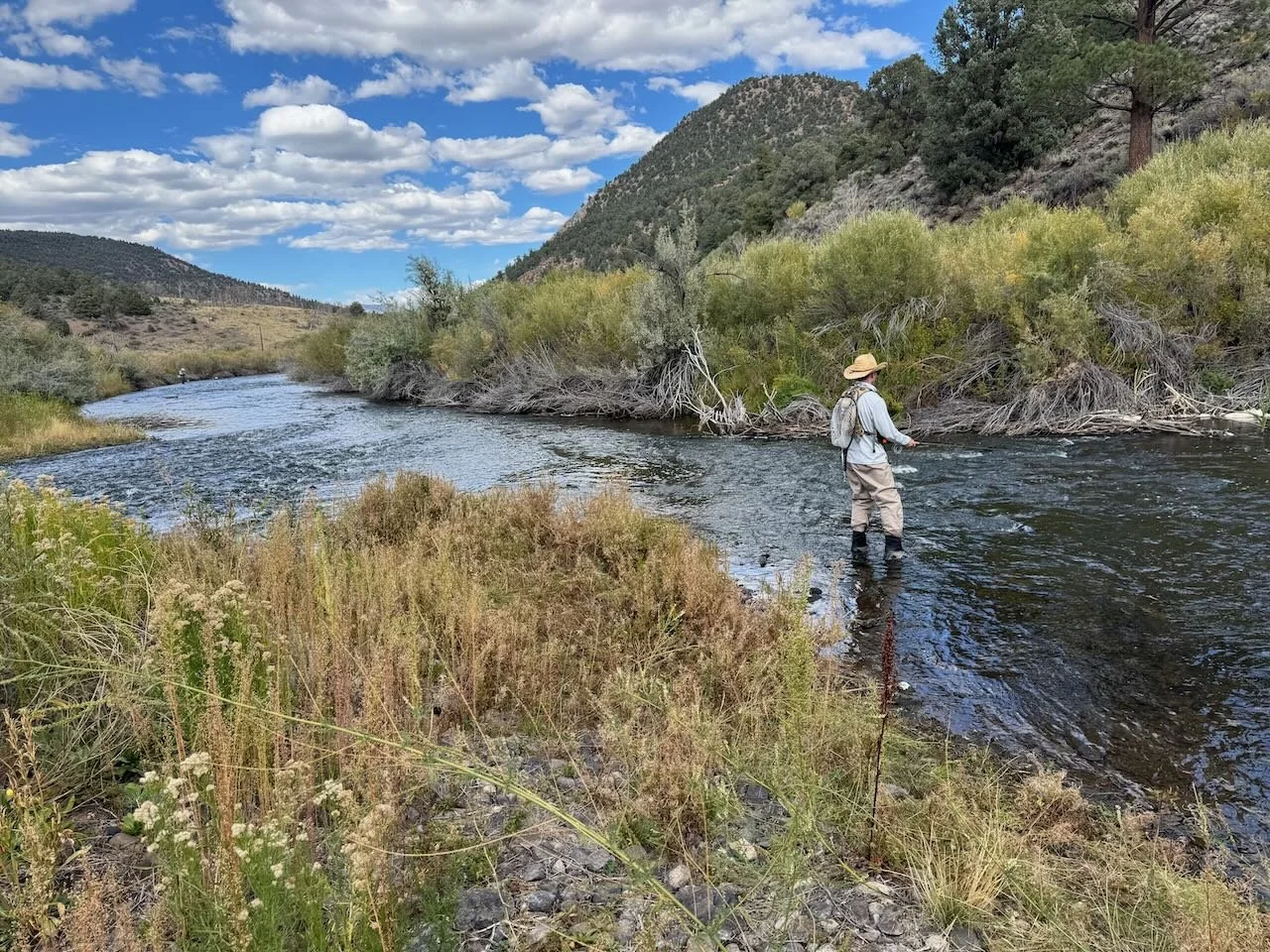
This is a great place to fly fish if you’re willing to deal with stinging nettles, wild rose bushes, rattle snakes, wading in the river with big rocks and hiking in and out of the gorge. For those willing to put up with the Owens River Gorge will find lots of wild brown trout willing to take flies. Best way to fly fish the gorge is with a dry and dropper rig. For the dry fly use a size 16 stimulator, size 16 Adams Parachute, size 16 elk hair caddis and size 16 Royal Wulff. For the nymphs fish with size 18 olive quilldigons, size 18 bead head flash back peasant tail nymphs, size 16 bead head flash back gold ribbed hare’s ears, size 16 green/gold brassies and size 16 midges in zebra and tiger coloration. Now is the time to fish in the gorge as summer’s heat is turning to falls mild days and cold nights.
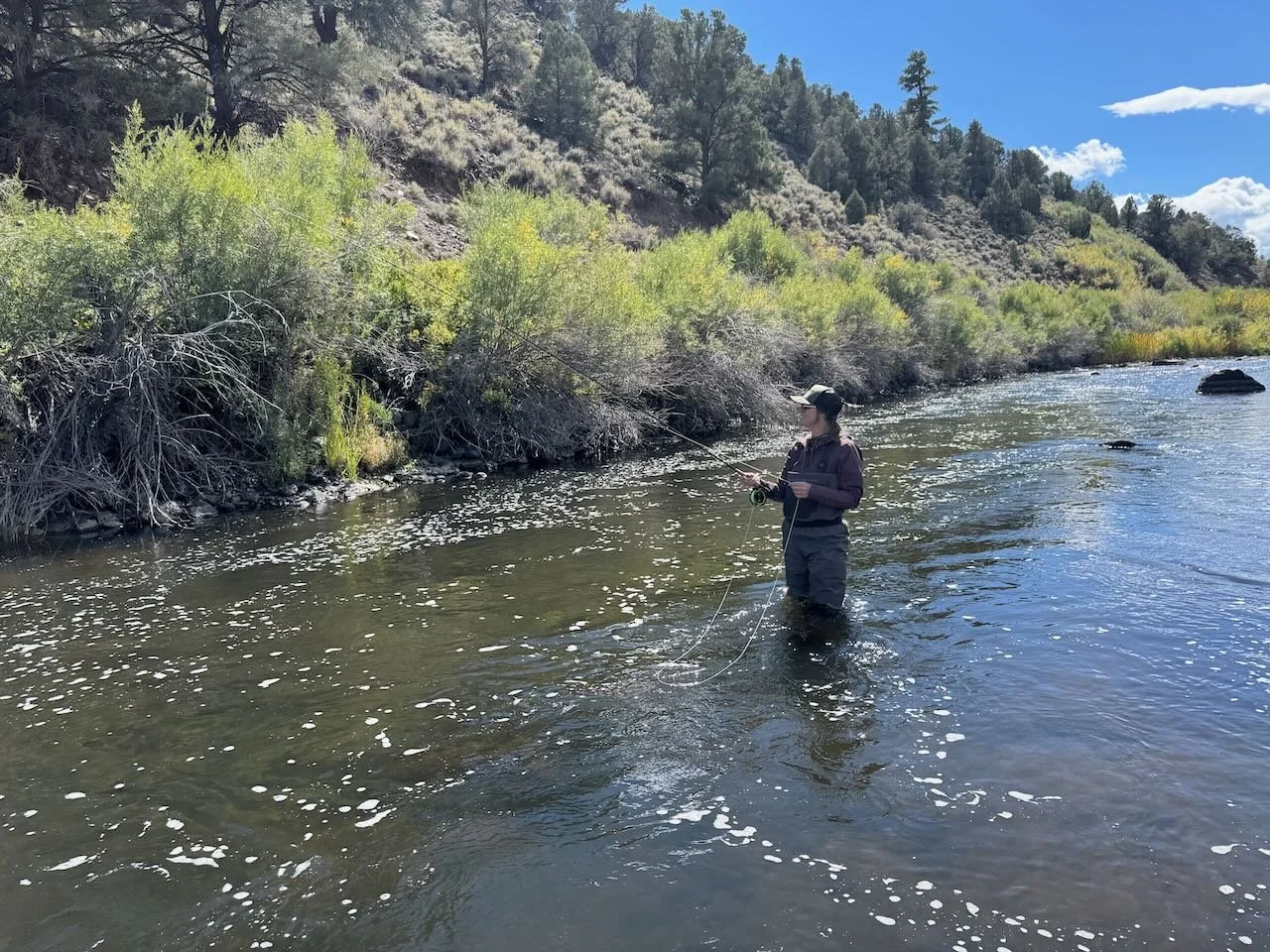
Wading and fishing with a dry and dropper rig is the way to fly fish in the Owens River Gorge.

Lower Owens River

Wild Trout Section:

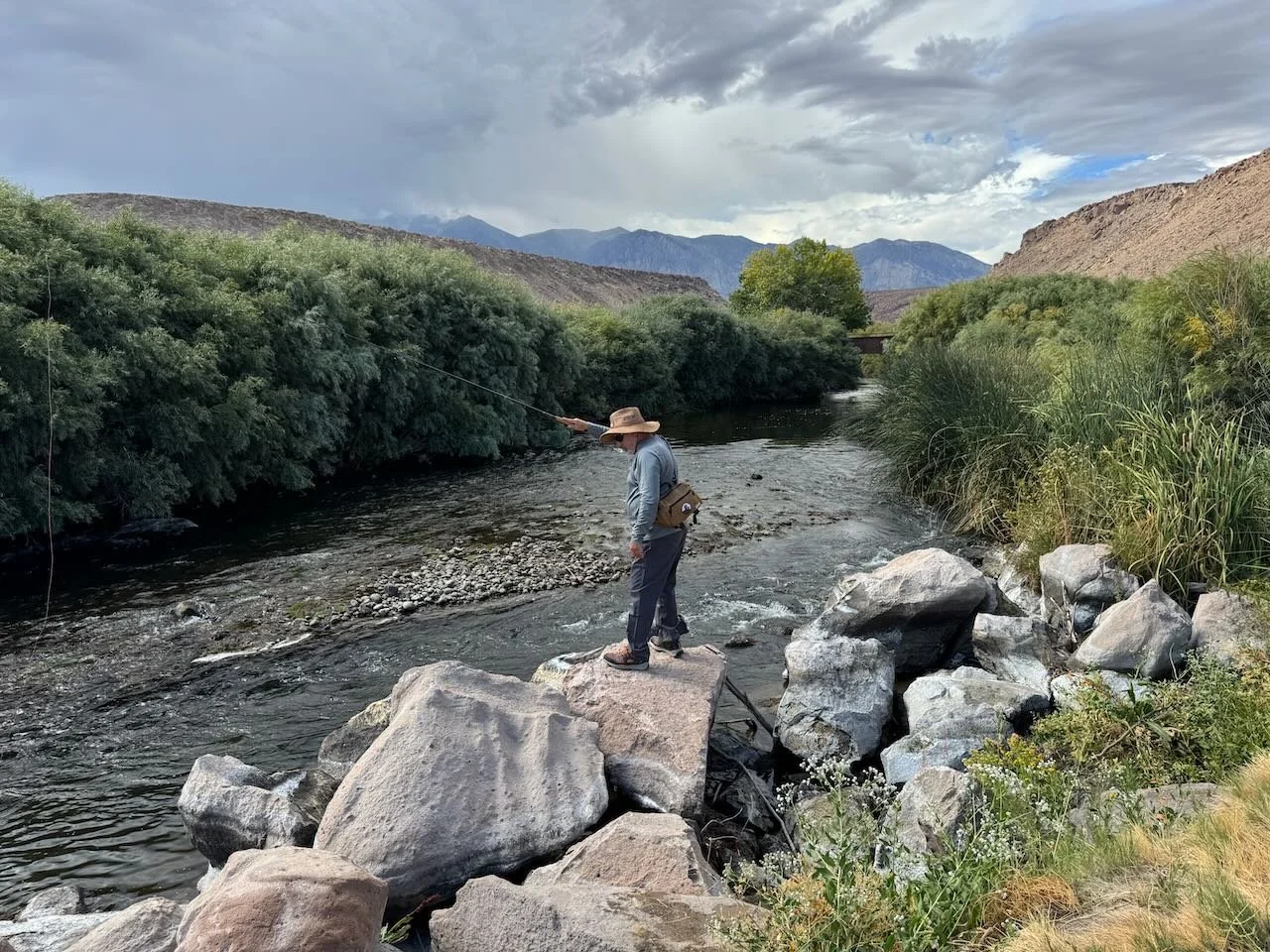
The ability to wade the river safely is what makes fly fishing the river at 100 CFS good. There are lots of fish willing to take flies. Nymphing has been producing six to 12 inch wild rainbows and browns on size 18 olive quilldigons, size 18 bead head flash back pheasant tail nymphs, size 16 SOS nymphs, size 12 stoner nymphs and size 18 midges in tiger and zebra coloration. There are a few trophy rainbow and brown trout being landed by fly fishers fishing the right places in the river. The mid-day mayfly hatch is bringing a few fish to the surface for fly fishers looking to fish with dry flies. Use size 20 blue wing olive parachutes, size 20 Adams parachutes, size 20 olive sparkle duns and size 18 elk hair caddis.
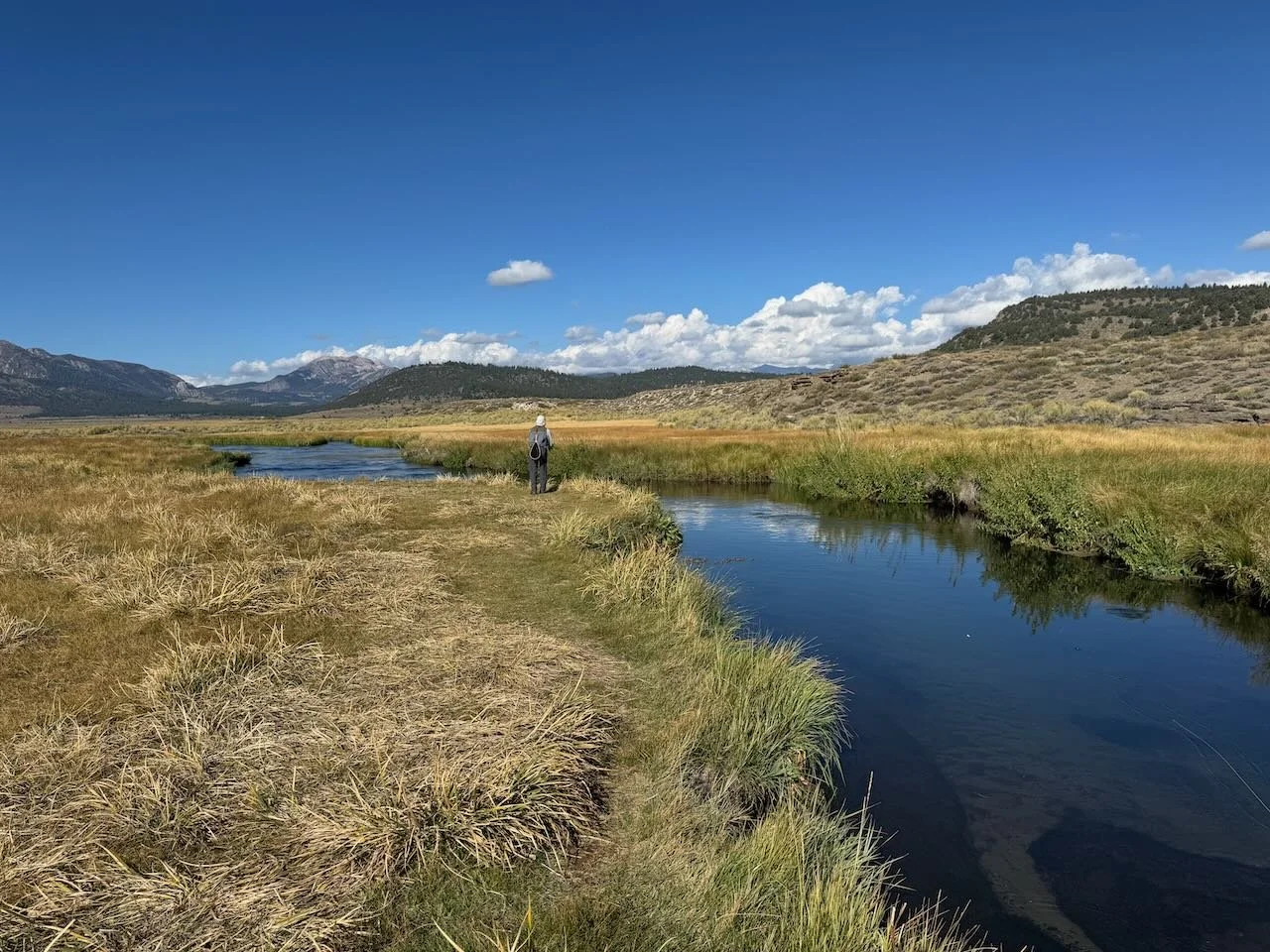
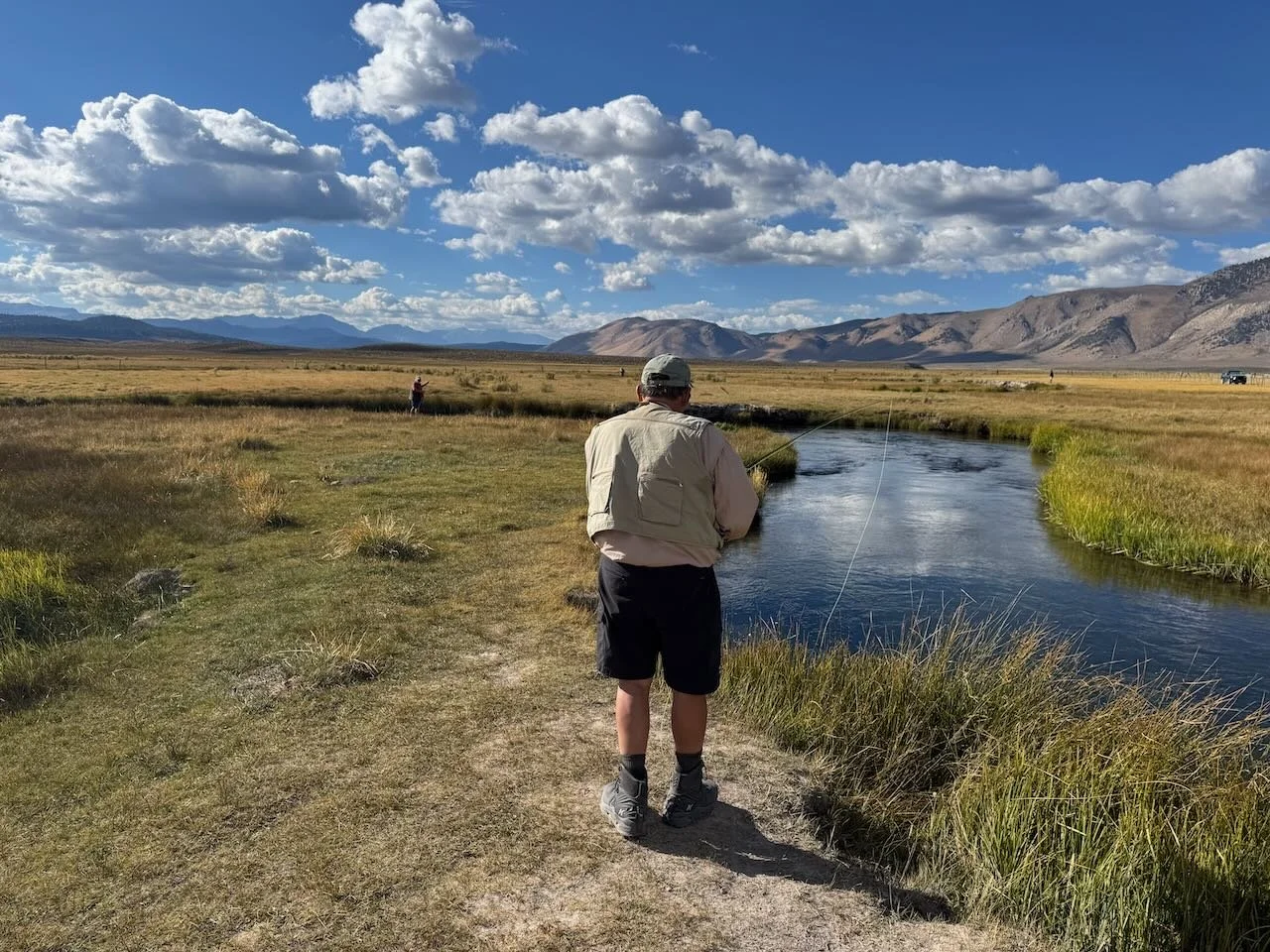
Wild brown trout are taking drag free drifted size 18 bead head flash back pheasant tail nymphs under an indicator.
Hot Creek

Interpretive Site:

California Fish and Wildlife conducted electro shocking surveys on Hot Creek from October 14th to the 17th. So be aware that certain sections might not fish as good as expected. The storm brough out the blue wing olive mayflies. Start the morning with size 22 trico female parachutes and switch to a size 20 blue wing olive parachute mid-morning when the blue wings show up. Have some size 20 gray caddis in your box if the trout start feeding on the caddis as they migrate up river in the mornings. Look for the hatches latter in the morning as the sun needs time to warm up the insects.

Setting up the block net before electroshocking the upper section of Hot Creek Canyon on Wednesday October 15, 2025.

Hot Creek

Canyon Section:

California Fish and Wildlife conducted electro shocking surveys on Hot Creek from October 14th to the 17th. So be aware that certain sections might not fish as good as expected. The weed beds are just starting to dissipate a little bit. Start the morning with a size 22 trico female parachutes. Be ready to switch to a size 20 blue wing olive parachute when the blue wing olive mayflies show up. Working a size 20 gray elk hair caddis, size 20 X-caddis and size 20 parachute caddis before and after the mayfly hatches to bring a few trout to the surface. Working the open riffles and deeper pools with nymphs will produce trout with size 18 olive quilldigons, size 18 bead head flash back pheasant tail nymphs, size 18 green/gold brassie and size 18 tiger and zebra midges. With the cold weather the insects have not been active tell late morning to mid-day.

This trophy trout took a size 14 Adams parachute dry fly which is rare for a big fish to feed on the surface.

Upper Owens River

Above Benton Crossing Bridge:

For fly fishers looking for lots of action fish with a size 20 trico parachute in the morning and switch to a size 18 elk hair caddis in the afternoon. Catching a trophy trout on the surface with a dry fly is hard to do. John Hislop of San Ramon was learning to get a drag free drift with his size 14 Adams parachute. He saw a good size trout rise and was able to make a perfect cast with a soft presentation of the parachute onto the water. The trout almost instantly took the dry fly. John did everything right when fighting this trout with help from fellow fly fishing guide Dylan Eastridge who was enjoying an afternoon of fly fishing on the upper Owens River. For those looking for trophy trout fish with size 12 stoner nymphs, size 12 green/gold Prince nymphs, size 14 cooper John’s, size 12 gold ribbed hare’s ears variations, size 10 olive wooly buggers and size 10 olive slumpbusters in the deep holes, deep runs and cut banks. Wearing waders and fishing both side of the river so you’re fishing the outside corners of the deep holes on both sides of the river is producing the trophy trout. The snow has melted and look for insects to be active mid-morning.

Bishop Creek Canal is a great place to learn new fly fishing techniques with little to no stream side vegetation to inhibit fly casting.

Bishop Creek Canal

Behind Bishop Veterinary Hospital:

For the dry fly aficionadothere is a mid-morning trico hatch that is bringing trout to the surface. Fish with a size 20 trico spinner with an upstream cast and a perfect drag free drift. After the short live spinner fall switch to a size 18 olive quilldigon, size 18 bead head flash back pheasant tail nymph, size 16 SOS nymph and size 16 tiger and zebra midge drifted in the clear lanes between the weed beds. Temperatures should be back to normal for this time of the year by the weekend. In the meantime fishing a little latter in the day will give the insects a chance to become more active.

Sierra Bright Dot Fly Fishing Report 10-09-2025

Fall weather is the best time of the year to be in the Eastern Sierra enjoying fly fishing on the lakes and streams. Now is the time of year to be throwing those big streamers that trophy trout like to munch. Trophy brown and brook trout are migrating from lakes in to the streams to spawn. Hatches of midges, caddisflies and mayflies are feeding the trout on the surface and on the substrate. Fall colors are in full swing and are starting to migrate down canyon towards the Owens Valley. Now is your final chance to get a fly fishing trip in during my favorite month Sept/Oct.

Fall is the time of year fly fisher are looking for trophy trout in the streams and rivers of the Eastern Sierra.

 East Walker River:

Flows are decreasing with the trout starting to hold in the pool and deeper pockets of the river. Pulling streamers and nymphing with indicators or Euro nymphing is producing lots of wild rainbow and brown trout from eight to 20 inches. For nymphs fish with size 16 perdigons, size 18 olive quilldigons, size 18 bead head flash back pheasant tail nymphs and size 16 midges in tiger and zebra colorations. Olive slumpbusters, black wooly buggers, marabou muddlers and brown bunny leeches in sizes 6 and 10 stripped through the deeper holes are being attacked by the bigger trout. Size 6 or 10 Clouser swimming nymph in crayfish brown are a good imitation of the crayfish that are scurrying along the substrate of the river as you wade.

Indicator nymphing and Euro nymphing are producing lots of six to 12 inch wild brown and rainbow trout below the miracle mile section.

Lower Owens Rive

Wild Trout Section:

Flows are down to 100 CFS which means you can wade anywhere you want in the lower Owens River as long as the pools are not deeper than you are tall. The summer growth of riparian vegetation is at its fullest making it hard to access some spots. Making first trail through the tulles can be hard and requires energy and time. A mid-day mayfly hatch has trout rising to the surface. Nymphing with size 18 olive quilldigons, size 18 bead head flash back pheasant tail nymphs, size 12 stoner nymphs and size 18 midges in tiger and zebra coloration is fooling wild rainbows and brown trout for five inches to 15 inches. Fishing with Adams parachutes in size 20, blue wing olive parachutes in size 20 and elk hair caddis in size 18 are catching the surface feeding trout. Wet wadding is the cooler way to fish on the hot afternoons.

With flows at 100 CFS the lower Owens River is perfect for wading and fishing nymphs under an indicator.

Hot Creek

Interpretive Site:

California Fish and Wildlife will be conducting electro shocking on Hot Creek in October from the 14th to the 17th. To volunteer contact Nick Buckmaster at 760-920-8391 or nick.buckmaster@wildlife.ca.gov. Getting on the creek in the morning rigged up with a size 22 trico female parachute is how you want to start your morning of fly fishing. When the trout quit taking the parachute it’s time to switch to a size 22 trico spinner. A few blue wing olive have been hatching at the tail end of the trico hatch. Fish with size 20 blue wing olive parachutes. The hatch is over by noon and time to leave the creek in search of other waters to fly fish.

Hot Creek Canyon has more weed beds and less fly fishers throwing tricos in the morning.

Hot Creek

Canyon Section:

California Fish and Wildlife will be conducting electro shocking on Hot Creek in October from the 14th to the 17th. To volunteer contact Nick Buckmaster at 760-920-8391 or nick.buckmaster@wildlife.ca.gov. The weed beds are just starting to dissipate as we head towards winter. Fishing in the lanes between the weeds is where you want to fishing with a size 22 female trico parachute. When the trico lay their eggs and die is when you want to be switching to a size 22 trico spinner patterns. You will know that the spinners are on the water when the trout quit feeding on your parachute pattern. After the trico hatch fly fishers have two options to fly fish for trout. First is to fish with a size 20 blue wing olive parachute if the blue wing olive hatch shows up. Second is to fish with nymphs in the tiny slots between the weeds and in the open areas in the riffles and deep pools. Fish with size 18 olive quilldigons, size 18 bead head flash back pheasant tail nymphs, size 20 SOS nymphs and size 20 midges in tiger and zebra coloration.                                                                                

Bruce Kuroyama worked hard learning how to work a Euro rig in the upper Owens River and it paid off with this wild brown trout.

Upper Owens River

Above Benton Crossing Bridge:

Trophy rainbow and brown trout are migrating into the river in decent concentrations. Fishing the deep holes, deep runs and cut banks is where you will find the trophy trout resting and feeding. Fishing with size 12 stoner nymphs, size 12 green/gold Prince nymphs, size 12 gold ribbed hare’s ears variations and size 14 copper John’s is producing the trophy trout. Fishing with meat style streamers like mongrel meat, baby conga and drunk and disorderly will move some big fish if fly fishers cover lots of water looking for those big trophy trout looking for a big calorie meal. There is a mid-morning trico hatch with six to 10 inch trout coming to the surface to feed on size 20 trico spinners and female trico parachutes. Size 18 elk hair caddis are working in the afternoons.

Learning to fly fish on Bishop Creek Canal is about learning how to present the fly to the trout.

Bishop Creek Canal

Behind Bishop Veterinary Hospital:

A late morning trico hatch has six to 10 inch wild browns coming to the surface to feed on the trico spinners. Fish with a size 20 trico spinner on 5X monofilament tippet. Key to success is timing the drift of the fly to coincide with the rhythm of the trout. Nymphing under an indicator or with a Euro rig is producing trout when fishing with size 18 olive quilldigons, size 18 bead head flash back pheasant tail nymphs, size 16 bead head flash back gold ribbed hare’s ears, size 16 green/gold brassies and size 16 midges in zebra and tiger coloration.

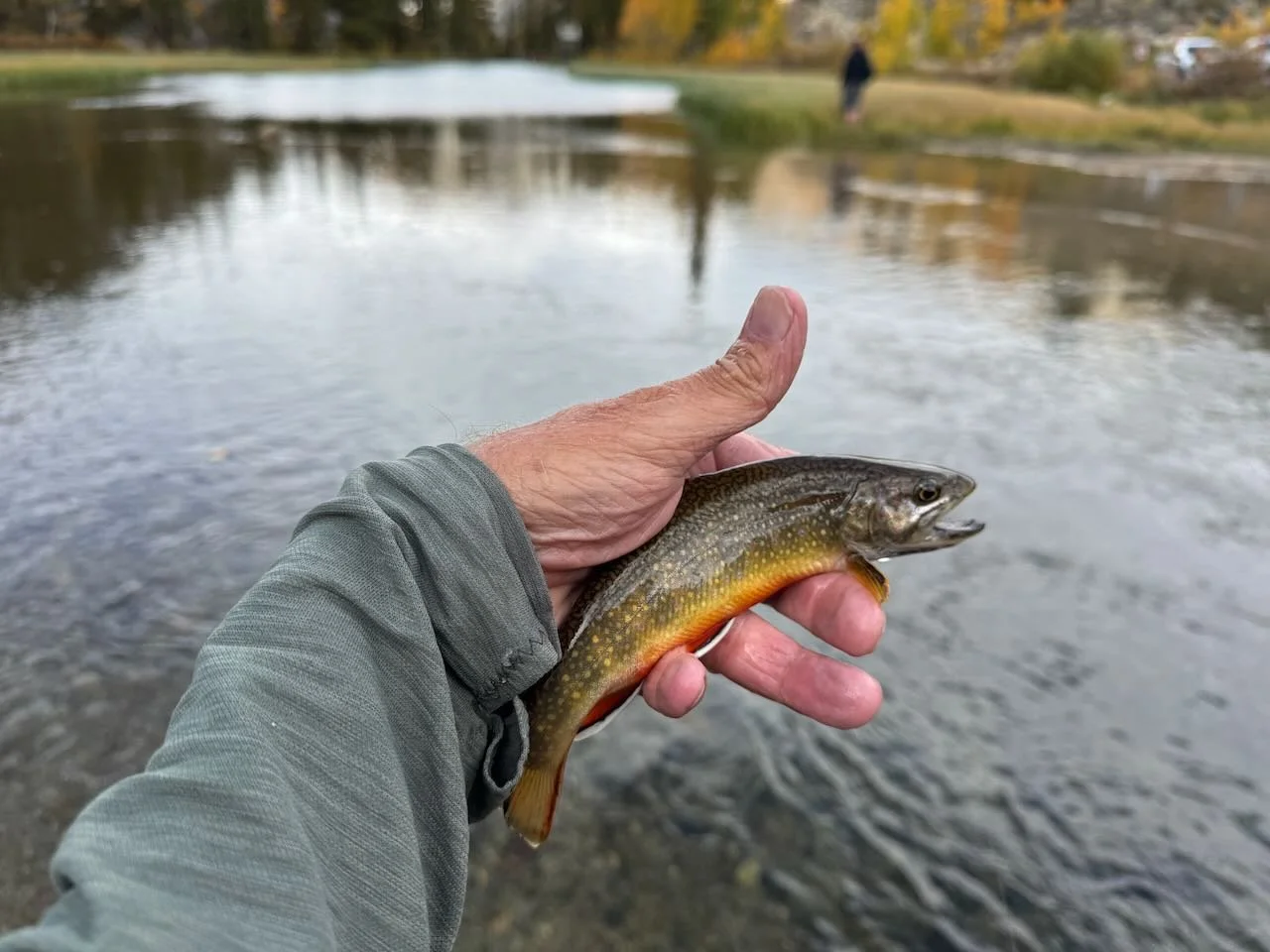
Fall fly fishing on Bishop Creek is all about catching the spawning brown and brook trout.

Bishop Creek Canyon

Middle Fork:

Bishop Creek is offering good fall fly fishing with a dry and dropper in Bishop Canyon. Brown trout and brook trout spawn in the fall and are spawning right now in Bishop Creek. A fall spawning brook trout is the fish you want to catch. Use a size 16 stimulator, elk hair caddis, Adams parachute and Royal Wulff for the dry fly. For the nymph use a size 16 green/gold brassie, size 16 midge in tiger or zebra coloration, size 16 bead head flash back gold ribbed hare’s ear, size 16 Prince nymph and size 18 bead head flash back pheasant tail nymph. Now is the time to be fly fishing on Bishop Creek with the back drop of quacking aspen.

Sierra Bright Dot Fly Fishing Report 10-02-2025

We are in the middle of my favorite month, SeptOct. There are two weeks left to get up to the Eastern Sierra and enjoy the best month of the year in the Eastern Sierra. Nights are getting cold; quacking aspens are turning yellow and flows in the lower Owens River are at wadable levels. Trophy trout are running upstream from Eastern Sierra lakes. Reminder that several Eastern Sierra streams close to fishing on October 1st to protect spawners. Fall colors will peak this weekend at the 9,000 foot level. Trout are feeding on the nymphs and adults of mayflies, caddisflies and midges. Now is the time to strip streamers for trophy trout in the Eastern Sierra rivers.

Fall colors are peaking at the 9,000 foot level this weekend and fishing in the freestone streams and upper elevation lakes are producing wild rainbow, brown and brook trout.

East Walker River:

Wading on the East Walker River is perfect right now as the flows are low enough to wade and high enough to offer lots of pockets and holes to fly fish. Euro nymphing with size 12 stoner nymphs, size 18 olive quilldigons, and size 16 Frenchie’s are producing rainbows and browns from six to 14 inches. Nymphing under an indicator with size 18 olive quilldigons, size 18 bead head flash back pheasant tail nymphs, size 16 bead head flash back gold ribbed hare’s ears and size 16 SOS nymphs are producing six to 14 inch trout for the fly fisher that sets every movement in the indicator. Covering lots of water with streamers for that one or two trophy trout grab is working right now. Fish with olive slumpbusters, black wooly buggers, marabou muddlers and brown bunny leeches in sizes 6 and 10. There are lots of crayfish in the water right now. Try nymphing or stripping a size 6 or 10 Clouser swimming nymph in crayfish brown.

Stripping streamers under the cover of stream side vegetation, in the deep pools and holes is where the trophy trout live and will take your streamer as it swims by them.

Lower Owens Rive

Wild Trout Section:

Lower Owens River flows are holding at 125 CFS for now. This is the perfect level to wade and fly fish. There is a mid-day mayfly hatch bringing a few trout to the surface. Indicator nymphing and Euro nymphing is the methods that are producing wild brown and rainbow trout from four inches to 12 inches. Nymph with size 18 olive quilldigons, size 18 bead head flash back pheasant tail nymphs, size 16 hot spot pheasant tail nymph, size 16 SOS nymphs, size 16 green/gold brassies and size 16 midges in tiger and zebra coloration. Afternoons have been hot and wet wading is more comfortable than wearing waders.

Don Sabatino from Riverside Euro nymphing on a Tenkara rod on the lower Owens River below Pleasant Valley Campground.

Hot Creek

Interpretive Site:

The tropical storms have been bringing precipitation to the Eastern Sierra and it has slowed down the trico hatch on some days. Most days start by fishing with a size 22 female trico parachute on a three foot 6X monofilament tippet. When the trout quit taking the parachute it’s time to switch to a size 22 trico spinner. On overcast days look for a blue wing olive hatch to start mid-morning and fish with a size 20 blue wing olive parachute. Most days fly fishing for the hatches on Hot Creek are over by noon.

The morning trico hatch has the wild brown and rainbow trout feeding on the surface for female tricos.

Hot Creek

Canyon Section:

The canyon is my favorite spot to fish on Hot Creek. It requires good casting to make the drifts necessary to get the fish to take your nymphs and dries. Mornings start with the female trico hatch and fly fishers should be on the water fishing with a female trico parachute by 8:30 A.M. When the trout quit taking the parachute and are still feeding heavily on the surface switch to a size 22 trico spinner. When the hatch is over try fly fishing with nymphs between the weed beds and in the openings in the riffles and holes. Fish with size 18 olive quilldigons, size 18 bead head flash back pheasant tail nymphs, size 20 SOS nymphs and size 20 midges in tiger and zebra coloration.

Darth Veynar indicator nymphing the upper Owens River with a stoner nymph and green/gold brassie working on hooking up with a trophy rainbow trout.

Upper Owens River

Above Benton Crossing Bridge:

They’re here! Trophy rainbow and brown trout have moved into the Owens River above Benton Crossing Bridge. These trophy trout are taking size 12 stoner nymphs, size 12 green/gold Prince nymphs, size 12 gold ribbed hare’s ears variations and size 14 copper Johns fished in the deep holes, deep runs and cut banks. Stripping olive and white rabbit strip matukas, olive slumpbusters, olive wooly buggers and marabou muddlers in sizes six and 10 are being savagely hit by trophy trout. Key to success is to cover lots of water looking for that one or two trophy trout that wants to take your streamer. There is a good number of six to 10 inch wild browns and rainbows feeding on tricos in the morning and caddis in the afternoon. Use size 20 trico female parachutes in the mornings and switch over to a size 18 elk hair caddis for mid-day dry fly fishing. Nymphing with size 16 midges in zebra and tiger coloration, size 18 olive quilldigons and size 18 bead head flash back pheasant tail nymphs are fooling the resident young of the year trout.

Tenkara Tunki rods held their annual Bishop Tenkara Boot Camp and the participants were able to catch trout out of the canal on nymphs.

Bishop Creek Canal

Behind Bishop Veterinary Hospital:

For the fly fisher thoroughly covering the sandy lanes between the weed beds there are wild browns and stocked rainbows to be caught. Nymphing with size 18 olive quilldigons, size 18 bead head flash back pheasant tail nymphs, size 16 bead head flash back gold ribbed hare’s ears, size 16 green/gold brassies and size 16 midges in zebra and tiger coloration. A big group of Tenkara Boot Camp participants fished Bishop Creek Canal Sunday morning and several tenkara anglers caught trout on nymphs.

Fall colors, wild brown trout, bush whacking Bishop Creek and getting rained on is a perfect fall day on Bishop Creek.

Bishop Creek Canyon

Middle Fork:

North Lake, middle fork of Bishop Creek and Weir pond all have great fall colors and should peak by the weekend or early next week. Fly fishing in Bishop Creek has been a blast for stocked rainbows, wild brown and wild brook trout. Fishing a size 16 stimulator and a size 16 tiger midge in the pockets and pools of the creek has been the effective method of fooling the trout. Best dry fly to fish with is your favorite dry fly as you will fish it with the most confidence. High visible and high floating flies like stimulators, Adams parachutes, elk hair caddis and Royal Wulff’s are great dry flies for Bishop Creek. For the nymphs fish with size 16 bead head flash back gold ribbed Hare’s ears, size 18 bead head flash back pheasant tail nymphs, size 16 Prince nymphs, size 16 green/gold brassies and size 16 midges in zebra and tiger coloration. The fun part of fishing the creek is walking along the brush lined banks looking for that pool or pocket to drift your flies through. Then watching the dry fly move and setting the hook on a nymph eating trout or watching a trout rise to the surface to take your dry fly. Bush whacking the creeks that drain the Eastern side of the Sierra is one of my favorite ways to fly fish.

Sierra Bright Dot Fly Fishing Report 09-25-2025

It’s that time of the year when I drive out in the morning to the fly fishing water for a day of guiding and I turn the heater on in the truck. Then when I drive home middle of the day I turn on the air conditioner. When I drive home after a full day on the water I have the air conditioner on if I’m hot and I have the heater on if I’m cold and wet. Fall is here! Quaking aspens are turning yellow, brown and brook trout are spawning and the trophy trout are beginning their migrations out of the lakes and into the streams. Streamers are producing trophy trout. Mayflies, midges and caddisflies are being fed on by trout on the surface and on the substrate. The Garnet Fire is nearly contained and the Eastern Sierra has been smoke free all week.

East Walker River:

Flows on the East Walker River are perfect for wading and presenting dry flies, nymphs and streamers to the trout. Nymphing with an indicator requires diligence in observing movement in the indicator notifying the fly fisher a fish has taken the nymph. Setting the hook on any movement will produce trout. Euro nymphing is the productive way of working nymphs on the substrate of the river and is producing good numbers of six to 12 inch trout. Fish with size 18 olive quilldigons, size 16 bead head flash back gold ribbed hare’s ears, size 18 bead head flash  back pheasant tail nymphs, size 18 Frenchies, size 16 SOS nymphs, size 12 stoner nymphs and size 16 midges in blood, tiger and zebra colorations. Wooly buggers and zonkers in black and olive in sizes six and 10 are producing brown trout to 20 inches.

A typical lower Owens River brown trout that took a size 16 green/gold brassie fished on a three fly Euro rig.

Lower Owens Rive

Wild Trout Section:

Flows on the lower Owens River are down to 125 CFS and expected to bottom out at 80 CFS. Fly fishers can safely wade the river at these flows. The trout have seen very little fly fishing pressure and will readily take a nymph fished on a Euro rig or under and indicator. Fish with size 18 olive quilldigons, size 16 SOS nymphs, size 16 green/gold brassies, size 12 olive burlap caddis and size 12 stoner nymphs. Afternoons have been hot.

A typical lower Owens River brown trout that took a size 16 green/gold brassie fished on a three fly Euro rig.

Owens River Gorge

Upper Gorge Powerplant:

Afternoon showers from tropical storms have been making the hike out of the gorge quite pleasant. The trick is to get back to the vehicles before the rains become intense. Fishing a dry and dropper rig is producing lots of wild brown trout. Size 16 Adams parachutes, size 16 elk hair caddis, size 16 Royal Wulff’s and size 16 stimulators are good highly visible high floating dry flies. For the nymphs fish with size 16 bead head flash back gold ribbed hare’s ears, size 18 bead head flash back pheasant tail nymphs, size 16 Prince nymphs and size 16 brassies in tiger, zebra and green/gold wire colorations.

Wading the Owens River Gorge and casting a dry and dropper rig with a stimulator and tiger midge is producing lots of wild brown trout.

Hot Creek

Interpretive Site:

Fly fishing here is consistent with the trico hatch starting by 9:00 A.M. Fish with a double dry rig of a size 16 Adams parachute and size 22 female trico parachute. When the trout quit taking the parachute it signals the time to fish with a trico spinner pattern in size 22. On overcast days if the blue wing olives are hatching it will extend the dry fly fishing by an hour or two. The dry fly fishing is over by noon at the latest.

Fishing a double dry rig with a size 16 Adams parachute and a size 22 female trico parachute is fooling the rising fish feeding on the hatching female tricos.

Hot Creek

Canyon Section:

With the weed beds at full growth and few open spots between the weed beds the canyon is not getting as much fly fishing pressure as the Interpretive Site. Look for the trico hatch to start by 9:00 A.M. Start fishing with a size 22 female trico parachute to imitate the hatching female dun tricos. There will be a point where the trico spinner fall will have the trout switching from the trico duns which will fly off to the trico spinners which are floating dead on the creeks surface. When the hatch is over try nymphing with size 18 olive quilldigons, size 18 bead head flash back pheasant tail nymphs and size 18 Frenchies.

An evening of dry fly fishing with an elk hair caddis produced rainbow and brown trout to 12 inches.

Upper Owens River

Above Benton Crossing Bridge:

Trophy trout are just starting to show up in the river. Most of these fish have been rainbows with a few brown trout sprinkled in. Fish the deep holes, deep runs and cut banks for the resting and feeding trophy trout with size 12 stoner nymphs, size 14 copper John’s, size 12 green/gold wire Prince nymphs and size 12 gold ribbed hare’s ears variations. This is a great time to be stripping wooly buggers, slumpbusters and olive muddlers in sizes 6 and 10. There is a morning trico hatch that the resident six to 12 inch rainbow and brown trout are feeding on. Fish with a size 20 female trico parachute. Mid-morning to early afternoon switch to a size 18 elk hair caddis, size 18 X-caddis and size 18 Adams parachute.


Bishop Creek Canal with its easy access for fly fishers and unobstructed casting makes it a great water to learn how to fly fish.

Bishop Creek Canal

Behind Bishop Veterinary Hospital:

Cool afternoons have made fly fishing the canal pleasant. The canal has seen lots of fishing pressure this summer and fly fishers working the canal thoroughly are finding a few wild brown trout and stocked rainbows willing to take nymphs and dries. Fish with size 16 tiger and zebra midges, size 18 olive quilldigons, size 18 bead head flash back pheasant tail nymphs and size 16 bead head flash back gold ribbed hare’s ears.

Working a dry and dropper in the pockets of Bishop Creek is producing wild brown trout, brook trout and stocked rainbows.

Bishop Creek Canyon

Middle Fork:

Bishop Creek is home to wild brown trout and brook trout eagerly willing to take a dry fly or nymph fished separately or as a dry and dropper rig. Walking the creeks banks looking for spots to cast your flies to is like an easter egg hunt. You never know what will take your flies until you float them in the pools and pockets where the trout are hanging out. For dry flies fish with your favorite dry fly in a size 14 or 16. Dry flies that work well are stimulators, Adams parachutes, elk hair caddis and Royal Wulff’s. For the nymphs fish with brassie in size 16 in green/gold, tiger and zebra coloration, size 16 bead head flash back gold ribbed hare’s ears, size 18 bead head flash back pheasant tail nymphs and size 16 Prince nymphs.

Sierra Bright Dot Fly Fishing Report 09-18-2025

It’s the start of my favorite month, SeptOct. That is the 15th of September to the 15th of October. This is the time of year that the quaking aspens are turning the mountain sides yellow, the brown and brook trout are starting to spawn and it’s time to get in that last fly fishing trip before the Eastern Sierra is in the grips of winter. If you’re looking for a trophy trout this is the time to be fishing with streamers and big nymphs. The trout are feeding on midges, caddisflies and mayflies on the substrate and on the surface. Smoke from the Garnet fire is still flowing into the Eastern Sierra, but not as thickly as it was last week. I had a couple of blue bird non smoke days on Eastern Sierra waters last week.

On the right days and the right water, like the upper Owens River, there is no or little smoke from the Garnet Fire..

East Walker River:

Fly fishers working nymphs, dries and streamers below the bridge are finding wild rainbows and browns willing to take their flies. The miracle mile section of the East Walker is still recovering from last year’s fish die off and fly fishers are not fishing the miracle mile section. Working nymphs under an indicator and on a Euro rig is producing browns up to 18 inches. Nymph with size 16 bead head flash back gold ribbed hare’s ears, size 18 bead head flash back pheasant tail nymphs, size 16 SOS nymphs, size 16 Frenchie’s, size 12 stoner nymphs and size 16 midges in zebra, tiger and blood coloration. Water levels are perfect for wading up stream and covering the pools and pockets that are holding the trout.

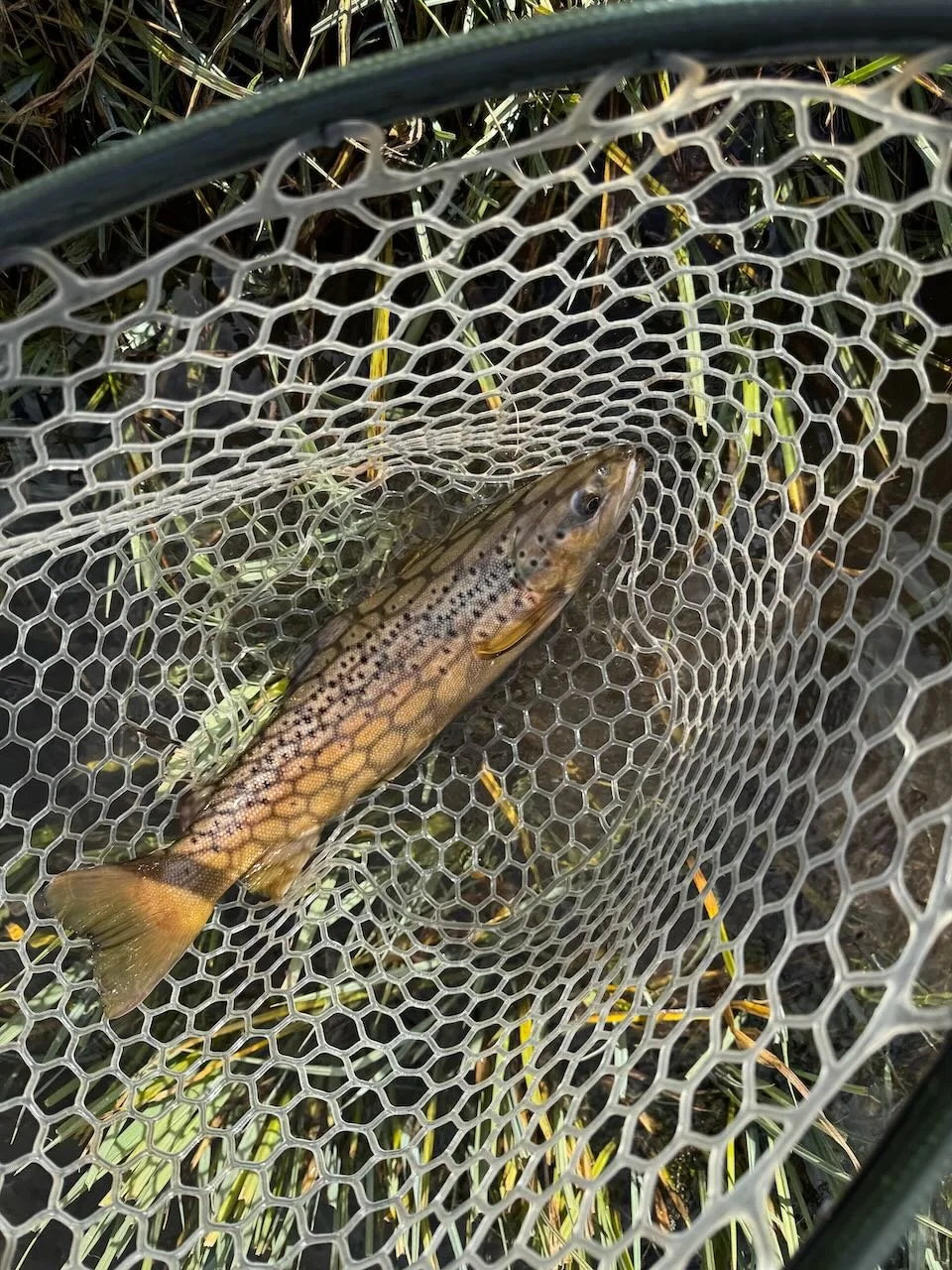
This brown trout took a Frenchie under an indicator fished in a deep run on the far side of the East Walker River.

Owens River Gorge

Upper Gorge Powerplant:

Nights are cooling off and the river is only going to be wet wadable for a couple of more weeks. Nettles, roses and willows on the river banks limit shore fishing opportunities. Best way to fish the Owens River Gorge is to get in the river and wade up stream placing your dry and dropper rig in the pools, pockets and runs. Fish with a size 16 stimulator, Adams parachute, elk hair caddis and Royal Wulff on the surface and nymph with size 16 tiger, zebra and green/gold midge nymphs, size 18 olive quilldigons, size 18 bead head flash back pheasant tail nymphs and size 16 bead head flash back gold ribbed hare’s ears. Afternoon thunder storms makes the hike out of the gorge pleasurable.

Fishing the Owens River Gorge with Sierra Bright Dot fly fishing guide Richard Lancaster means catching brown trout on a dry and dropper rig.

Hot Creek

Interpretive Site:

Smoke is different every day from the Garnet Fire. On the days when the skies are relatively clear it’s worth fishing Hot Creek Interpretive site in the mornings for the trico hatch. Start the morning off with a size 22 trico female parachute. When the trout quit taking the parachute switch to a size 22 trico spinner pattern. When the trout quit taking the trico spinner the trico hatch is over. If you want to extend your fly fishing on the creek try fly fishing with a beetle, ant or hopper pattern. Stripping a streamer through the creek can produce a few trophy trout after the hatch.

Smoke from the Garnet Fire is effecting access into Hot Creek Canyon on days when the smoke is thick.

Hot Creek

Canyon Section:

When the smoke is light hiking into Hot Creek Canyon in the mornings is a way to get away from the crowds of the Interpretive Site. Start the morning off by being on the water between 8:00 and 9:00 A.M. and start fly fishing with a size 22 female trico parachute. When the trout quit taking the parachute it’s time to switch to a size 22 trico spinner pattern. After the hatch try nymphing with a size 18 olive quilldigon, size 18 bead head flash back pheasant tail nymph, and size 18 midge nymphs in tiger and zebra coloration. Pulling a size 6 olive wooly bugger through the stream working it around the obstacles in the stream like rock and weed beds will produce a few grabs by bigger brown trout.

An afternoon on the upper Owens River without the smoke from the Garnet Fire and no wind found the resident rainbows and browns coming to the surface to feed on caddis.

                                                                                                                                                                                                                               Upper Owens River

Above Benton Crossing Bridge:

Afternoons without the wind is the perfect time to fish with an elk hair caddis in size 18 for the six to 12 inch rainbows and browns that are feeding on the caddis. The trout are feeding on emerging caddis and caddis adults that are crashing onto the surface of the stream after hatching. Working upstream covering the pockets, runs and pools with rising trout is where you want to fish you caddis imitation. In the mornings there have been some tricos hatching that the trout are coming to the surface to feed on the hatching female duns. Fish with a size 20 trico parachute pattern. Trophy trout are few and spread throughout the upper Owens River. Cover lots of water concentrating on the pools, deep runs and cut banks with size 12 stoner nymphs, size 12 green/gold Prince nymphs and size 14 copper John’s and size 12 hare’s ear variations.

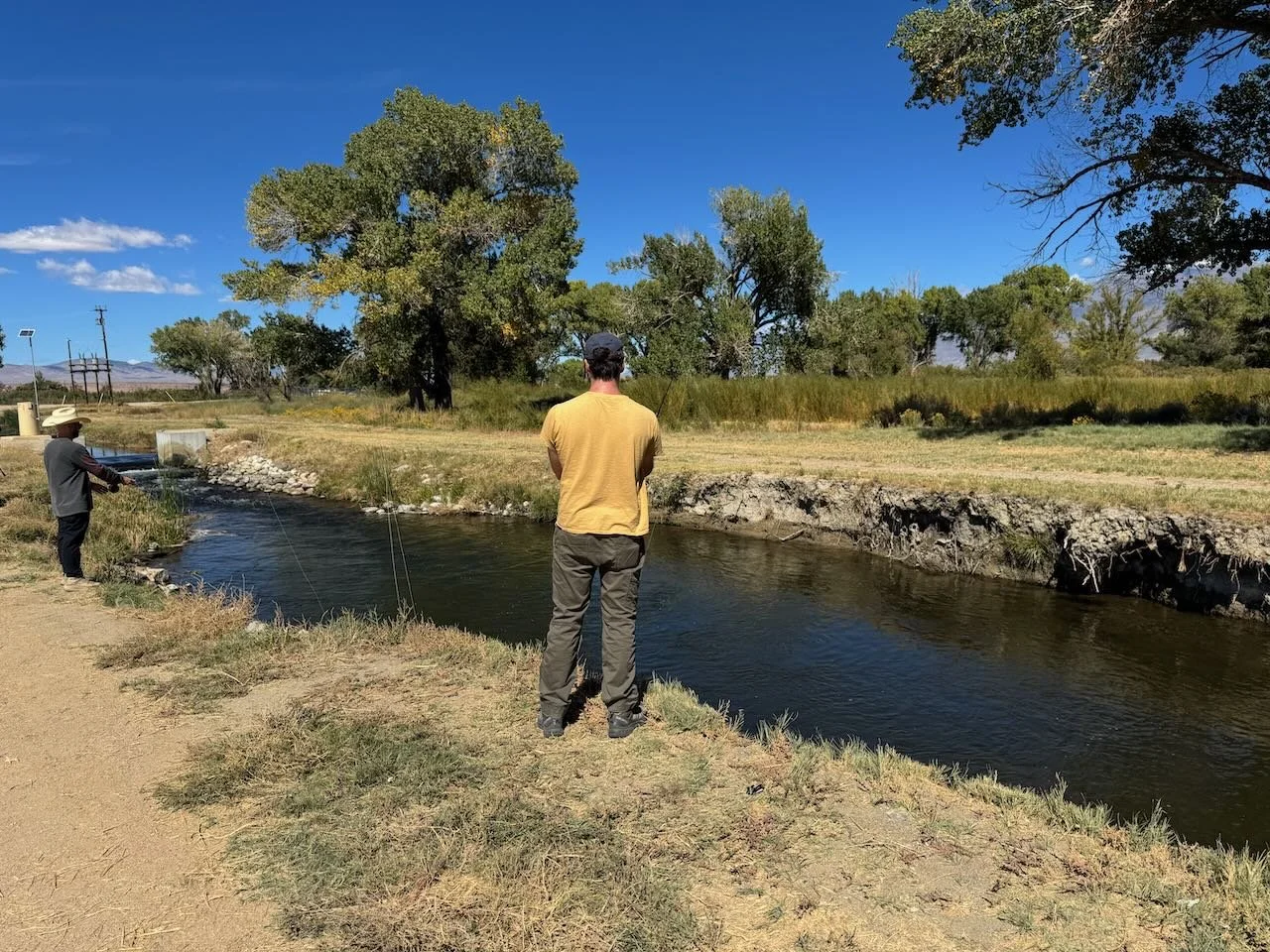
Members of the American Veterans Fly Fishing club fished with Tuesday Talk regulars on Bishop Creek Canal learning how to get a drag free drift when fishing under an indicator.

Bishop Creek Canal

Behind Bishop Veterinary Hospital:

Working nymphs in Bishop Creek Canal is producing a few fish for those fly fishers who thoroughly cover the pools and runs between the weed beds. Key to success is getting the nymphs down on the substrate and covering the water thoroughly before moving 10 feet upstream and covering the water thoroughly again. Size 16 tiger and zebra midges, size 18 olive quilldigons, size 18 bead head flash back pheasant tail nymphs and size 16 bead head flash back gold ribbed hare’s ears are fooling the stocked rainbows and wild brown trout.

Casting a dry and dropper rig in the pockets and pools of the middle fork of Bishop Creek are producing wild brown trout to 12 inches.

Bishop Creek Canyon

Middle Fork:

Finding spots to cast a size 16 stimulator with a tiger midge on a three foot 5X fluorocarbon tippet is how to fish the middle fork of Bishop Creek. Cast your rig into the pools, runs and pockets behind the rocks to catch wild brown trout, brook trout and stocked rainbows. If you don’t catch a fish keep working upstream casting your dry and dropper rig into the pools, pockets and runs. There are a lot of wild trout looking for food and ready to take your flies.

Sierra Bright Dot Fly Fishing Report 09-11-2025

The 50,000 acre Garnet fire north east of Fresno is filling the Eastern Sierra with smoke. Mammoth Lakes and the Owens Valley is filled with lots of smoke to the point that it’s been unsafe to be outside. Certain high altitude waters have been saved from the smoke and is an escape from the smoke for fly fishers. Where the smoke is lingering is changing daily. The smoke has been coming over Mammoth Pass and Mammoth has the greatest concentration of smoke. Hopefully by the weekend the smoke will have moved out of the Eastern Sierra. Time will tell what is instore for Eastern Sierra waters and the smoke from the Garnet fire. Trout are feeding on nymphs, emergers and adults of mayflies, caddisflies and midges. Fall colors are just starting to happen at upper elevation waters. Trophy trout show up in the fall, but are not in Eastern Sierra tributaries yet.

Smoke from the Garnet Fire is pouring into the Eastern Sierra through Mammoth Pass and makes for a beautiful back drop for the lower Owens River whose flows are starting to drop.

East Walker River:

The East Walker River below the miracle mile section is offering good fishing during the day with nymphs, dries and streamers. Nymphing under an indicator or with a Euro nymphing outfit is producing wild brown trout and rainbows up to 20 inches. Fish with size 16 Frenchie’s, size 12 stoner nymphs, size 16 SOS nymphs, size 16 gold ribbed hare’s ears and midges in zebra, tiger and blood coloration in size 16 when nymphing. The miracle mile section has not fully recovered from last years devasting fish kill. Best fishing is from the bridge to the Nevada border. Water level are perfect for wading right now. Rocks in the river are slimy and wading can be slippery.

Tim Andre from Trabuco Cyn hooked up on the East Walker fishing a Frenchie under an indicator.

Owens River Gorge

Upper Gorge Powerplant:

The Owens River Gorge is a tail water fishery that fishes like a freestone creek. A dry and dropper rig is the perfect way to fish in the gorge. Normally in a freestone creek the trout are looking up and taking the dry fly. In the gorge the trout are keying in on the nymph. For the dry fly use a size 16 Adams parachute, elk hair caddis, Royal Wulff and stimulators. For the nymphs midges in tiger, zebra, and green/gold wire brassies in size 16 and olive quilldigons in size 18 have been producing lots of wild brown trout to 12 inches. With the smoke I would not risk your health walking in and out of the gorge.

Fishing the pockets and pools of the Owens River Gorge with a stimulator and green/gold brassie while wading upstream is producing lots of wild brown trout to 12 inches.

Hot Creek

Interpretive Site:

If you can handle the smoke that is filling Long Valley the Interpretive Site offers less stress on your body than walking in and out of Hot Creek Canyon. The trico hatch is bringing trout to the surface in the mornings. Start with a size 22 female trico parachute. When the trout quit hitting the parachute switch to a size 22 trico spinner. With the smoke I would head home when the trico hatch is over. If you’re willing to stay and fish after the trico hatch try fishing with an ant, beetle or hopper pattern.

The skies above Hot Creek Canyon are filled with the smoke of the Garnet Fire.

Hot Creek

Canyon Section:

I would not recommend fishing in the canyon as long as the thick smoke continues to hang in the Long Valley area. If there is a break in the smoke try fishing with a size 22 trico female parachute in the morning starting sometime after 8:00 A.M. Once the trout quit feeding on the parachute switch to a size 22 trico spinner. If you have trouble seeing the tiny flies on the water fish a dry and dry rig. Use a size 16 stimulator, size 16 Adams parachutes and size 16 elk hair caddis for the bigger dry. Any movement in the bigger fly set the hook. The bigger fly allows the fly fisher to see where on the water the trico is. The fly fisher should set the hook on any rise within the distance from the big fly to the trico pattern.

Smoke from the Garnet Fire is hiding the Eastern Sierra mountain back drop normally visible when fly fishing the upper Owens River.

 Upper Owens River

Above Benton Crossing Bridge:

The smoke has been thick in the Long Valley area including the upper Owens River. Avoid this area until the smoke has lightened up. As we head into fall it’s time to start looking for trophy brown trout. The brown trout do not show up in large quantities like the rainbows and cutthroats do. The browns trickle in to the upper Owens River starting in mid to late September. It’s time to start fishing with bigger nymphs like size 12 stoner nymphs, size 12 green/gold Prince nymphs, size 14 copper John’s and size 12 gold ribbed hare’s ears variations. Fall is a great time to be pulling streamer for the trophy brown trout. For the resident eight to 12 inch wild browns and rainbows fish with trico’s in the morning and elk hair caddis in the afternoons.

The setting sun over Bishp Creek Canal is high lighting the smoke from the Garnet Fire

Bishop Creek Canal

Behind Bishop Veterinary Hospital:

Smoke has been bad in the Owens Valley making it tough to be outside fly fishing. If you can put up with the smoke or the smoke breaks try nymphing unless you see the trout feeding on the morning trico spinner fall. The trico hatch has been minimal at best. Nymphing with gold ribbed hare’s ears in size 16, bead head flash back pheasant tail nymphs in size 18, olive quilldigons in size 18 and midges in zebra and tiger coloration in size 18 are fooling wild brown trout and stocked rainbow trout.


Bishop Canyon

North Lake:

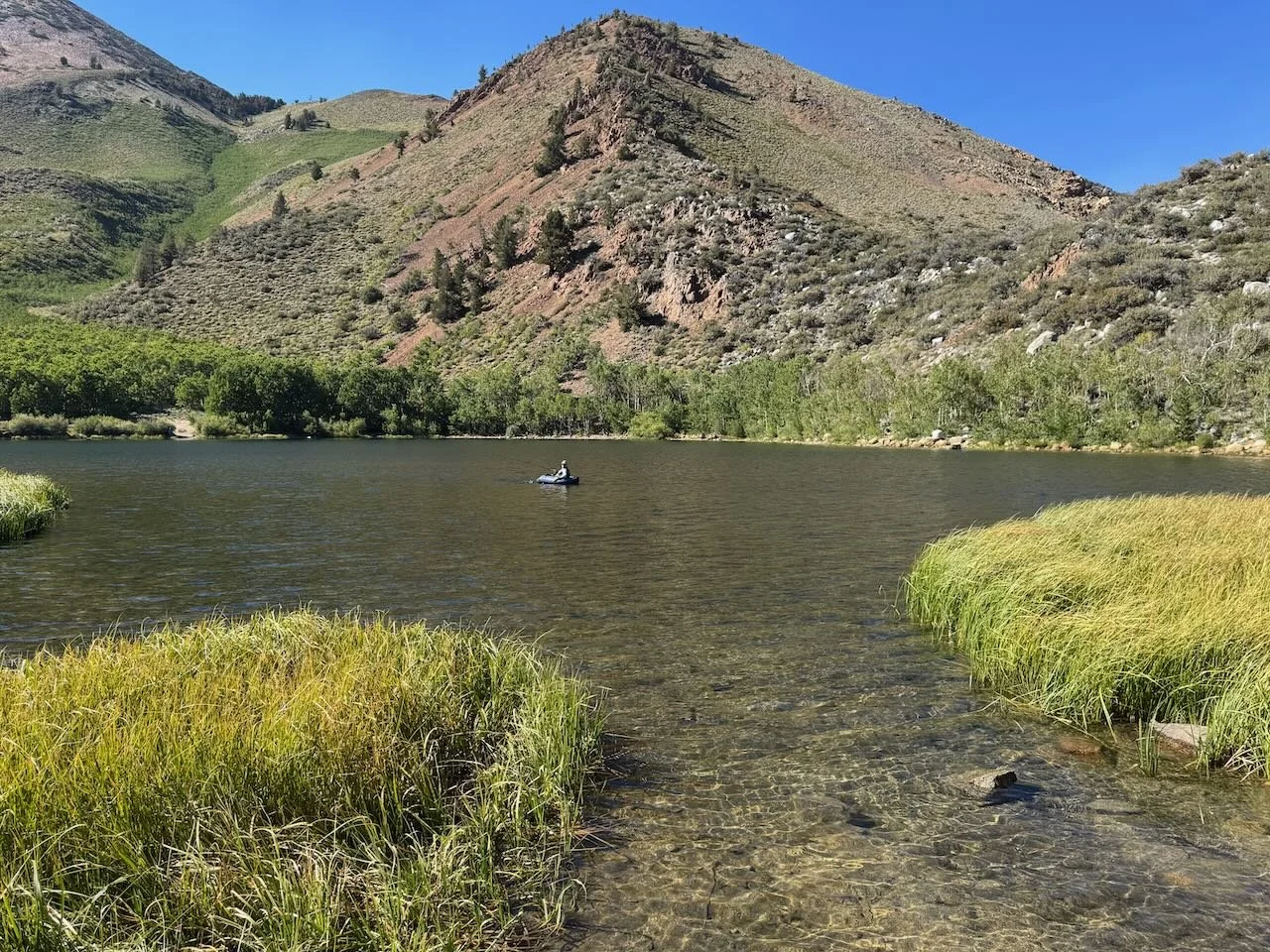
Trolling small olive wooly buggers in the fall on a sinking line behind a float tube is a great way to spend a fall day fly fishing in the Eastern Sierra catching brook trout, rainbows and brown trout.


North Lake is a great water to float tube on. It gives you access to the southern shore where few if any anglers fish. Trolling streamers behind the float tube on a full sink line will produce trout after trout after trout. Twenty to forty fish days are very doable. For streamers try size 12 olive wooly buggers, olive slumpbusters and olive matukas. Fishing the margins of the lake just outside the aquatic sedges that surround the lake with a dry and dropper rig will produce lots of wild brown trout, brook trout and hatchery rainbows. For the dry fly use a stimulator, Chernobyl ant and a hopper. You want your dry fly to ride on the water surface and be very visible to the fly fisher sitting in the float tube. For the nymphs use size 18 bead head flash back pheasant tail nymphs, size 16 midges in tiger or zebra coloration and size 16 bead head flash back gold ribbed hare’s ears attached to a three foot tippet of 5X fluorocarbon. Fall colors are just starting to pop on the quacking aspens that surround the lake. Fall colors should peak in the next 10 days.

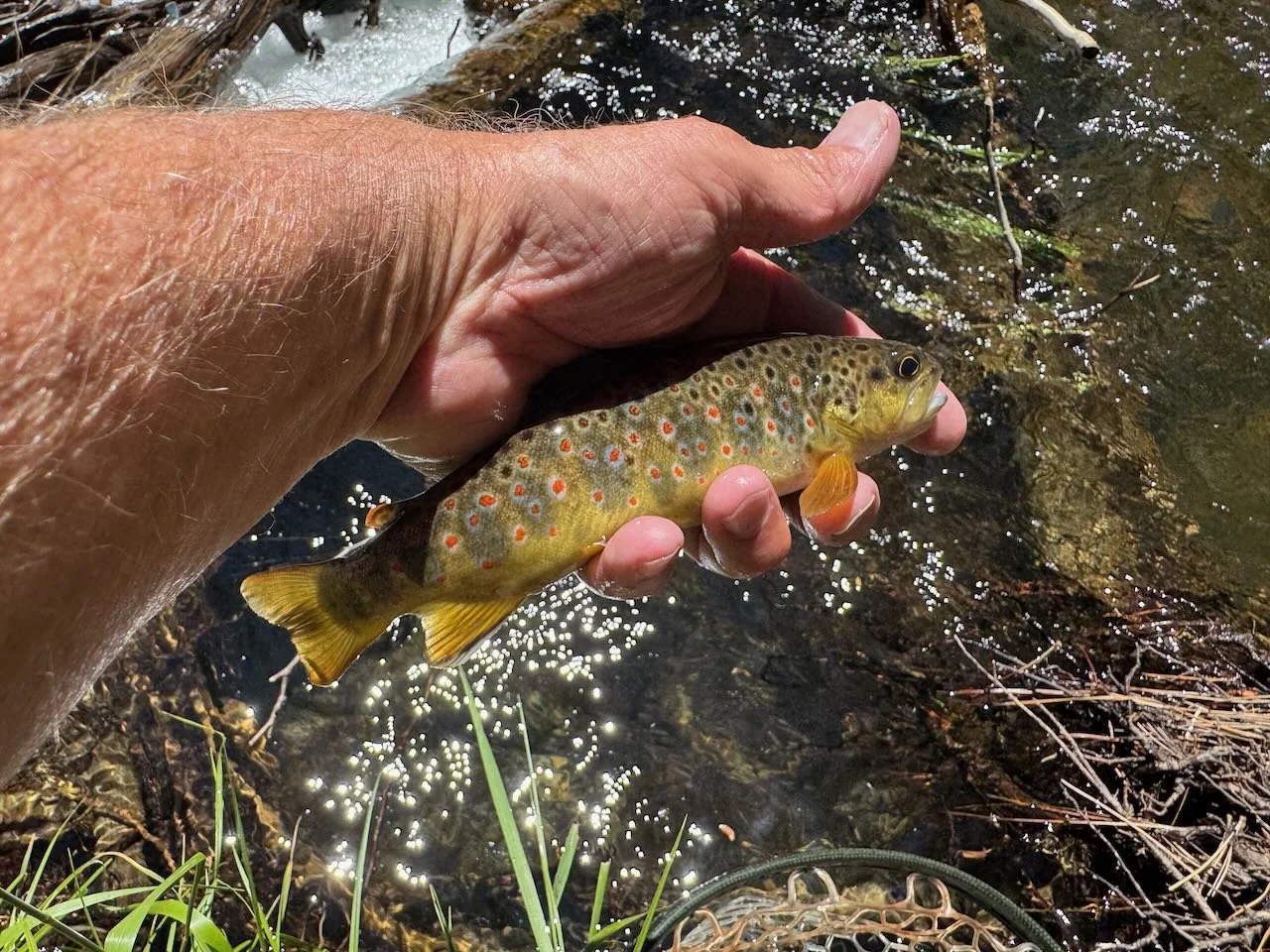
Wild brown trout to 12 inches are feeding on midge nymphs fished under a dry fly.

Bishop Creek Canyon

Middle Fork:

Bishop Creek fly fishing is bush whacking. That is walking the banks of the creek looking for spots where you can access the stream and cast your dry and dropper rig. The pockets and pools is where the trout are hanging out. Using a size 16 stimulator and size 16 tiger midge have been producing wild brown trout and stocked rainbow trout. The tiger midge has been producing the bulk of the trout. Watching the dry fly for any movement and setting the hook is how you catch the midge feeding trout of Bishop Creek. The smoke has been minimal in Bishop Creek Canyon.